MiniMax M3.1 Flash 30.7/100Rank 28/47
Survived 1 of 3

Level 39 ptsTurn 20 / 20
 stealthmodels.
STEALTHMARK · HEAD TO HEAD
All comparisons ↗Callstack Apex leads MiniMax M3.1 Flash by 3.6 points on StealthMark, 49.5 to 45.9. MiniMax M3.1 Flash leads on 4 of the 8 benchmarks with results for both, including Latch, and Callstack Apex on 3, with 1 tied. MiniMax M3.1 Flash scores higher on Newton's Mirror, with its largest category advantage in reflections.
See the difference ↘On every task, result quality and reasoning tokens are each compared with all measured models and weighed equally. Each dot is one model.
BENCHMARK BY BENCHMARK
DATASHEET
MiniMax M3.1 Flash takes 3.8× more context. Callstack Apex scores higher on StealthMark.
Full datasheets, every price and sourceMiniMax M3.1 Flash ↗Callstack Apex ↗
Anticipating threats and planning ahead. Collect coins while avoiding ghosts. Ghosts move before the player each turn, and collisions cost a life. 3 levels in sequence, up to 66 turns in total. Earlier moves and outcomes carry forward, testing learning across levels.
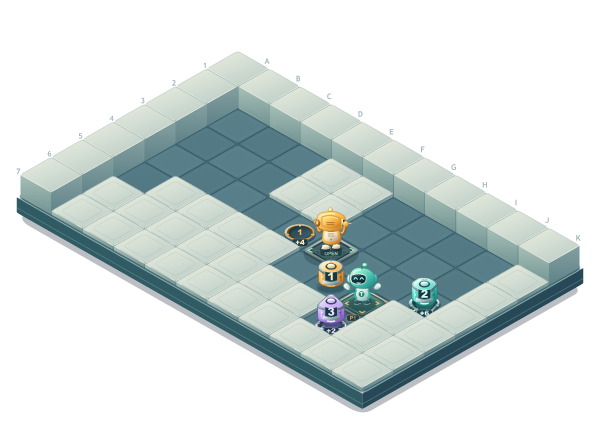
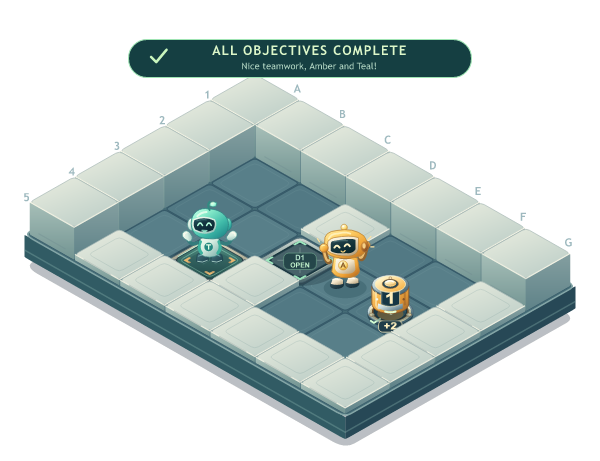
Cooperative planning and learning from experience. Coordinate two robots to push numbered cores onto matching sockets. Pressure plates hold doors open; moving either robot uses one turn. 5 levels in sequence, up to 152 turns in total. Earlier moves and outcomes carry forward, testing learning across levels.
Physics, perspective and recursive reflections, tested together. Explore the test ↗
MiniMax M3.1 Flash
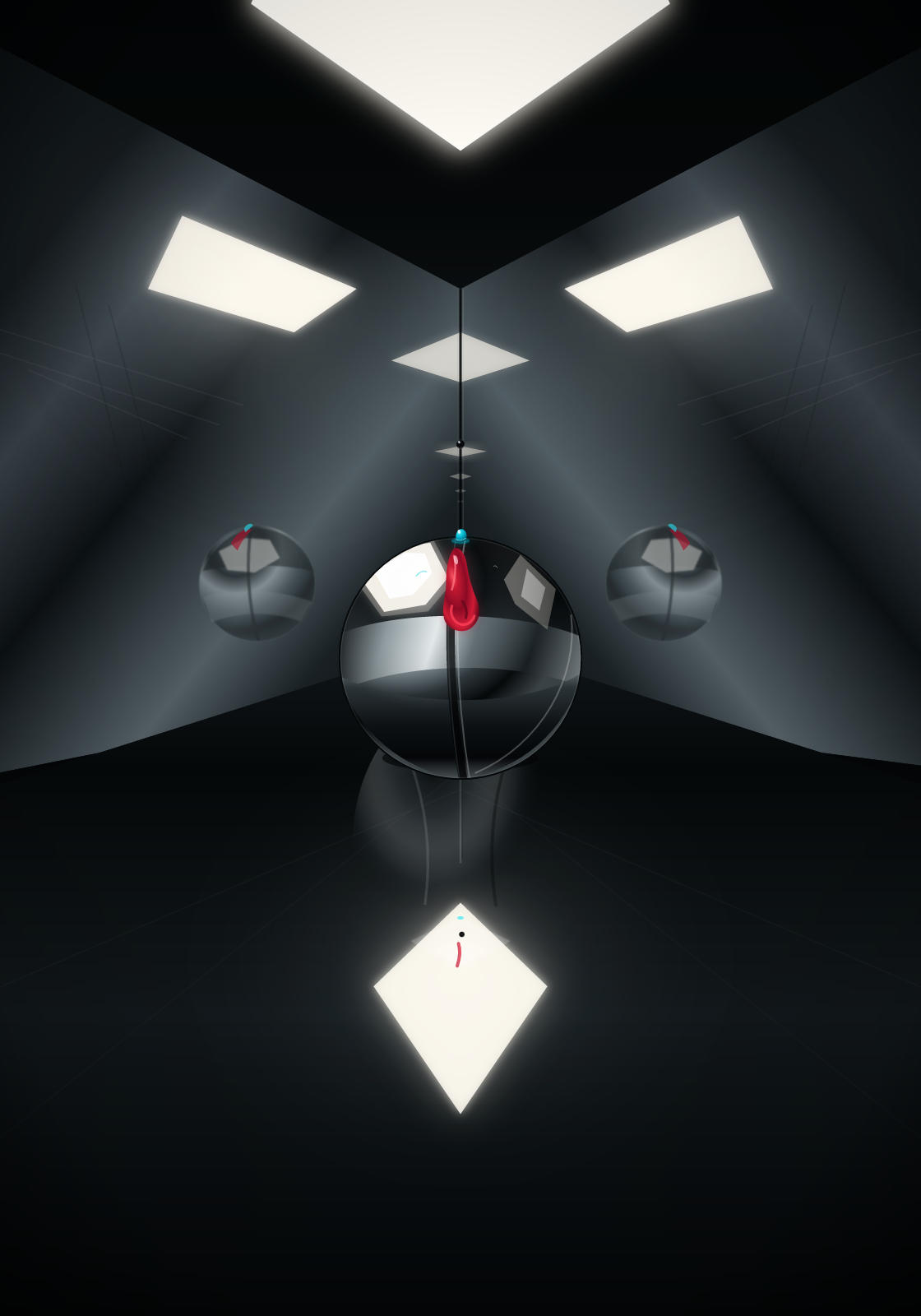
The sphere placement, separate airborne black blob, recent cyan contact and elongated crimson aftermath support the required gross physical state. The reflection system remains severely incomplete: isolated side images, broad metallic bands and sparse light patches replace extensive mirror repetitions and curved nested imagery.
Callstack Apex
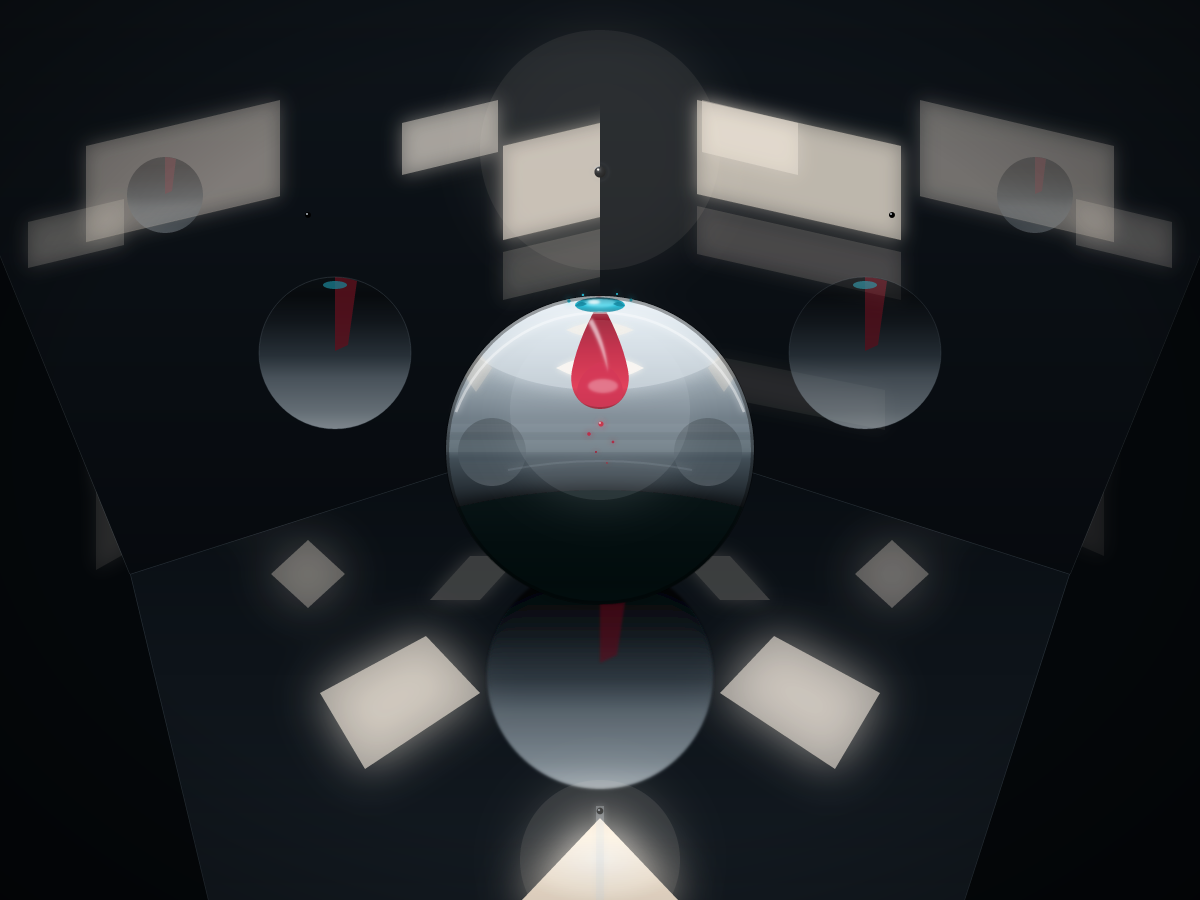
The principal sphere placement and paint contact sequence are supported. Isolated sphere and panel images provide limited optical structure, but missing lateral chains and side-floor continuations prevent a coherent repeating mirror room. The main and reflected spheres lack ordered curved nested imagery, while sparse planar emitter images and incomplete spherical emitter mapping leave most of the reflection system unsupported.
| Category | MiniMax M3.1 Flash | Callstack Apex |
|---|---|---|
| State at 600 ms | 20.0/25 | 20.0/25 |
| Camera and placement | 10.0/15 | 13.0/15 |
| Reflections | 24.0/120 | 10.0/120 |
| Materials and scale | 8.0/10 | 7.0/10 |
| Floor-damage reward | 0.0/10 | 0.0/10 |
A spinning metal sphere and paint in a mirrored room test physical reasoning, perspective and consistency across repeated reflections.
Visual construction and creative interpretation.


MiniMax M3.1 Flash
The sculptural M, confident grin and miniature theatrical pose closely fulfill the brief. Controlled gradients and clean shapes give the character volume and appeal. Moderate drawing complexity, an apparently separated shoe and ambiguous grounding limit the finish.
Callstack Apex
The cheerful yellow bird, cream eyes, orange features and miniature teal console closely match the brief. Clean block edges, restrained colors and soft shadows create an appealing composition. The body reads more like a gridded disc than a fully cubic sphere, and the outlined left wing has limited volume. The right wing reaches the cyan block, though its grip is ambiguous.
| Category | MiniMax M3.1 Flash | Callstack Apex |
|---|---|---|
| Task & likeness | 7.5/10 | 8.5/10 |
| Anatomy & construction | 6.0/10 | 7.0/10 |
| Space & placement | 7.0/10 | 7.5/10 |
| Light & reflections | 6.0/10 | 7.5/10 |
| Purposeful detail | 5.0/10 | 7.5/10 |
| Artistry & character | 6.0/10 | 7.0/10 |
| Materials & effects | 7.0/10 | 7.0/10 |
| Visual integrity | 6.0/10 | 7.5/10 |
MiniMax M3.1 Flash
A small robot with an oversized angular head presents a glowing object. The scene tests character proportions, gesture and contrasting materials.
Callstack Apex
A rounded bird built from small cubes explores a miniature machine. The scene tests block construction, expressive proportions, contact and soft lighting.
Precise visual recall and portrait reconstruction.

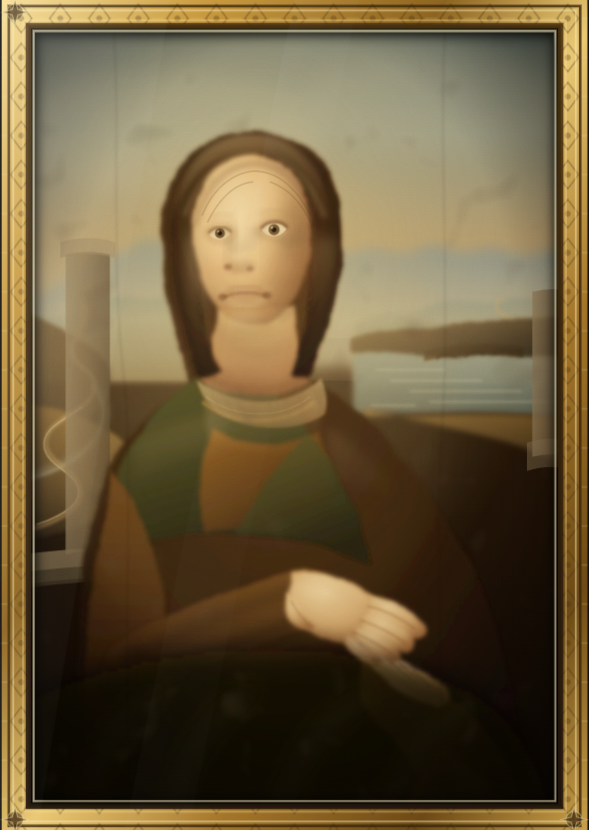
MiniMax M3.1 Flash
A coherent decorative portrait combines layered hair, garment contours, linked trim and atmospheric scenery. These provide meaningful drawing complexity, but likeness remains limited by the frontal elongated face and altered clothing. Compressed hands, abrupt facial shading and cluttered local edges leave the portrait uneven.
Callstack Apex
The framed portrait recalls Mona Lisa through dark hair, folded arms and a hazy landscape. Replication is limited by wide, staring eyes, an elongated neck and a downturned mouth. The overlapping hands lack convincing finger and wrist construction. Soft tonal shading suggests volume, but pervasive blur obscures clothing, landscape and anatomical detail.
| Category | MiniMax M3.1 Flash | Callstack Apex |
|---|---|---|
| Task & likeness | 4.0/10 | 3.5/10 |
| Anatomy & construction | 4.5/10 | 4.0/10 |
| Space & placement | 5.5/10 | 4.5/10 |
| Light & reflections | 4.5/10 | 6.0/10 |
| Purposeful detail | 5.5/10 | 4.5/10 |
| Artistry & character | 6.0/10 | 4.5/10 |
| Materials & effects | 5.5/10 | 5.5/10 |
| Visual integrity | 5.5/10 | 5.5/10 |
An SVG interpretation of the Mona Lisa tests facial likeness, anatomy and the composition of a familiar portrait.
Creativity, perspective and visual beauty.

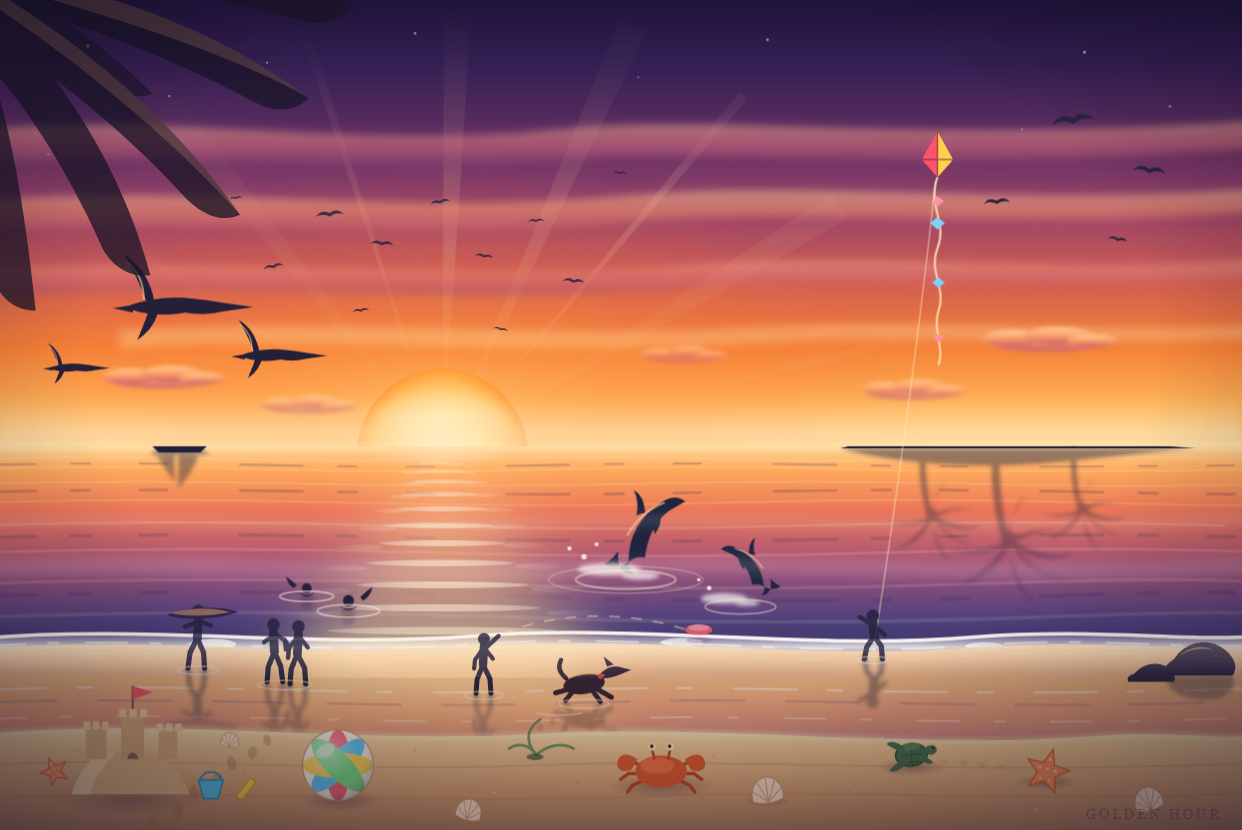
MiniMax M3.1 Flash
A controlled, detailed beach illustration with expressive animals, coherent depth and accomplished foliage and accessory drawing. Its warm palette and varied contours sustain visual interest. Simplified anatomy and object volumes limit physical conviction, while reflection streaks crossing dry-looking sand and generic shadows weaken the lighting.
Callstack Apex
A cohesive sunset beach illustration with lively wildlife, playful accents, and an appealing warm-to-purple palette. Palm framing and the aligned sun reflection organize the scene, while connected silhouettes keep the activities readable. Schematic joints, ambiguous dolphin junctions, loosely matched reflections, and repetitive surface marks limit construction, lighting coherence, and material depth.
| Category | MiniMax M3.1 Flash | Callstack Apex |
|---|---|---|
| Task & likeness | 8.5/10 | 8.5/10 |
| Anatomy & construction | 7.0/10 | 4.5/10 |
| Space & placement | 7.5/10 | 7.5/10 |
| Light & reflections | 6.0/10 | 5.5/10 |
| Purposeful detail | 8.0/10 | 7.5/10 |
| Artistry & character | 6.5/10 | 6.5/10 |
| Materials & effects | 6.5/10 | 7.0/10 |
| Visual integrity | 7.5/10 | 4.0/10 |
A busy shoreline at sunset tests scene composition, animal forms and the relationship between light and water reflections.
Physical reasoning, light and visual reconstruction.
MiniMax M3.1 Flash
This benchmark has not been assessed yet.
Callstack Apex
This benchmark has not been assessed yet.
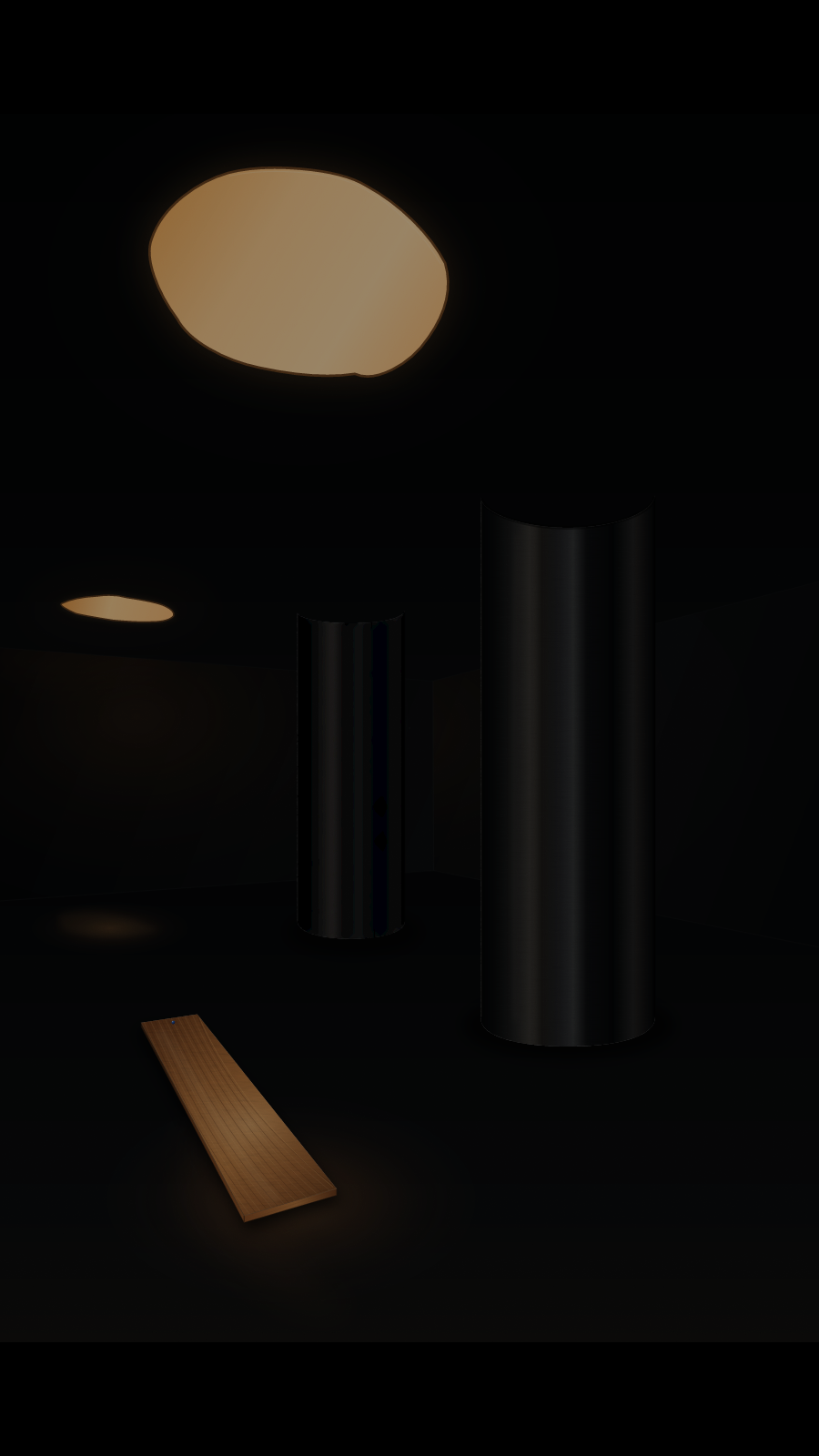
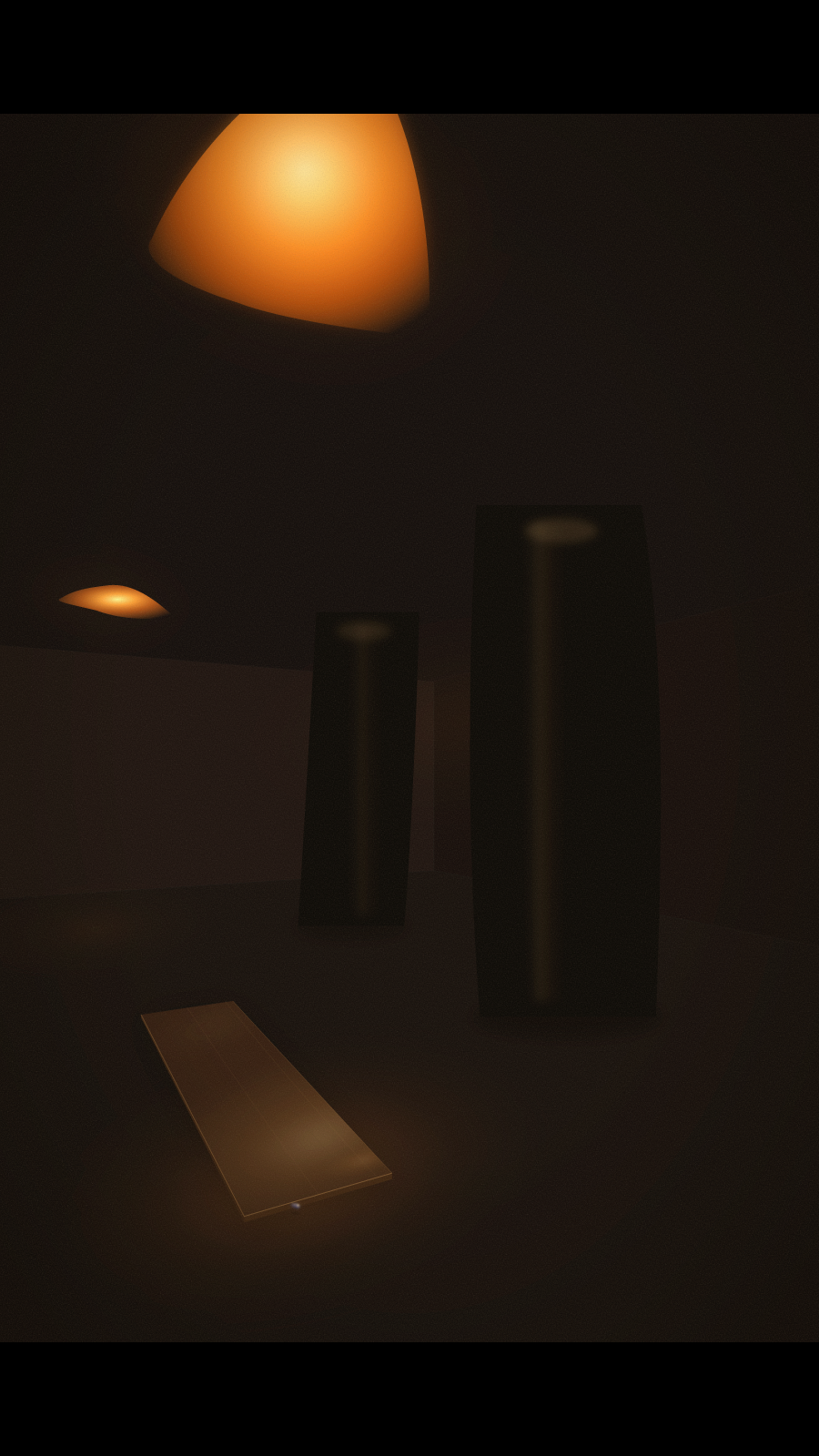
A plank, computer mouse and blueberry in a steel room test physical stability, spatial relationships, materials and lighting.
Scene composition and interacting subjects.

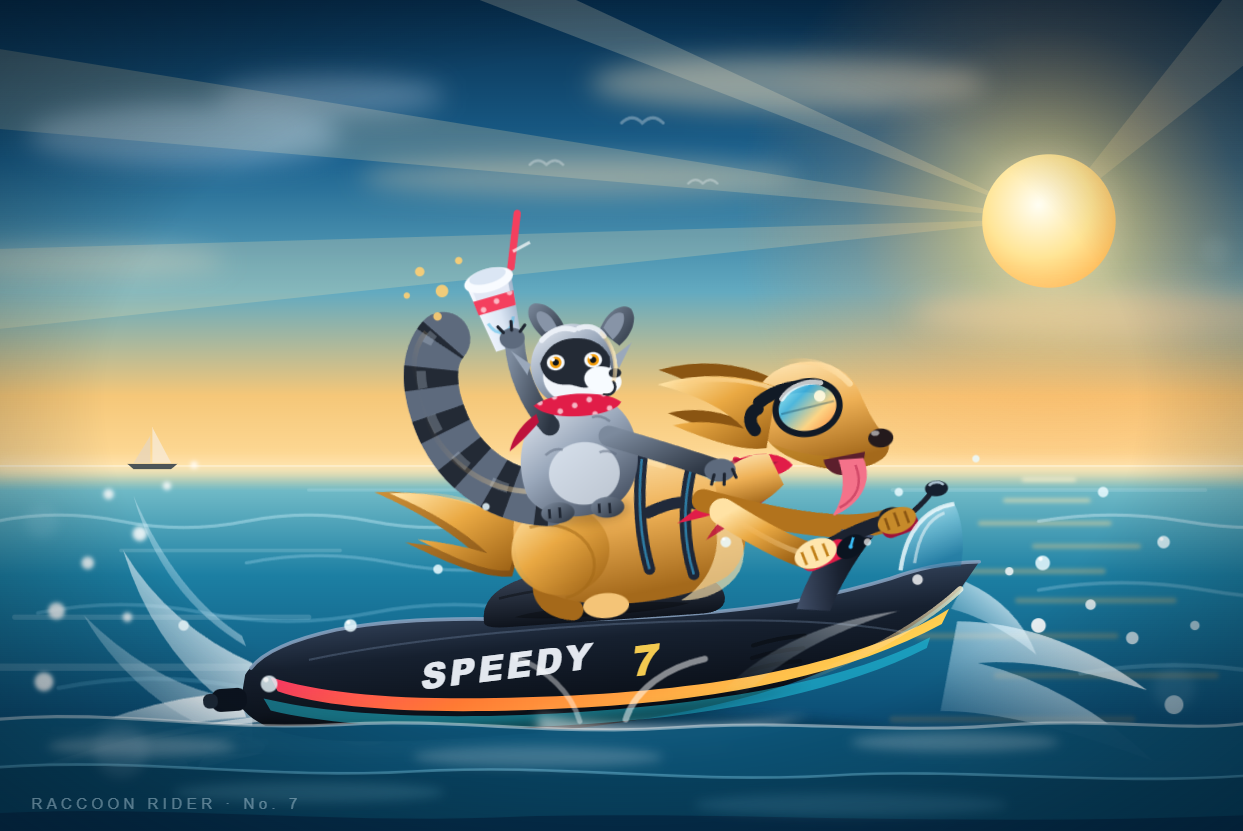
MiniMax M3.1 Flash
An expressive, coherent cartoon clearly demonstrates the requested riding and steering relationship. Layered animal shapes, readable vehicle depth and purposeful facial details support its drawing quality. Ambiguous grips, sparse cast shadows and simplified material responses limit physical precision.
Callstack Apex
The raccoon clearly rides the dog's back, and the dog's paws reach the jet ski controls. Expressive faces, a sweeping tail and a strong sunset composition give the illustration character. Limbs remain connected, but the dog's foreleg joints and vehicle seating are loosely constructed. Angular splashes convey speed more successfully than convincing water displacement; lighting and reflections remain decorative.
| Category | MiniMax M3.1 Flash | Callstack Apex |
|---|---|---|
| Task & likeness | 9.0/10 | 9.0/10 |
| Anatomy & construction | 8.0/10 | 7.0/10 |
| Space & placement | 8.0/10 | 7.5/10 |
| Light & reflections | 6.0/10 | 7.0/10 |
| Purposeful detail | 7.5/10 | 8.5/10 |
| Artistry & character | 7.5/10 | 7.5/10 |
| Materials & effects | 7.0/10 | 7.0/10 |
| Visual integrity | 8.0/10 | 8.0/10 |
A jet-ski scene pairs a canine driver with a raccoon passenger. It tests the placement and contact of interacting subjects, along with vehicle construction.
Subject construction and spatial relationships.


MiniMax M3.1 Flash
A controlled coastal illustration with a clear pelican silhouette, detailed wheels and accomplished feather and bill drawing. Continuous body construction and grounded wheels support the scene. Ambiguous leg, pedal and steering contacts weaken the riding mechanics; approximate directional lighting and simplified materials limit physical conviction.
Callstack Apex
An appealing cartoon with a distinctive pelican, expressive eye, warm bill and carefully drawn bicycle wheels. The wing reaches the handlebar, but the feet do not clearly engage the pedals, weakening the riding mechanics. Layered hills create depth; limited ground shadows weaken contact. Clean curves and purposeful feather details give the illustration polish.
| Category | MiniMax M3.1 Flash | Callstack Apex |
|---|---|---|
| Task & likeness | 8.5/10 | 8.5/10 |
| Anatomy & construction | 6.5/10 | 6.5/10 |
| Space & placement | 8.0/10 | 7.5/10 |
| Light & reflections | 7.0/10 | 7.5/10 |
| Purposeful detail | 7.5/10 | 8.0/10 |
| Artistry & character | 6.5/10 | 8.0/10 |
| Materials & effects | 7.0/10 | 7.5/10 |
| Visual integrity | 6.5/10 | 8.0/10 |
A cycling pelican tests anatomy, riding posture and contact between the bird and the bicycle.