StealthMark score
How well a model’s abilities carry over to original, demanding tasks in reasoning, planning and visual work, as one score from 0 to 100.
A high score means its skills hold up beyond familiar benchmark questions.
 stealthmodels.
AI benchmark by Stealth Models
Original tests no model could study for.
StealthMark is an independent AI benchmark by Stealth Models. It measures how well a model’s abilities carry over to original, demanding tasks: physical and spatial reasoning, planning across many steps, and turning ideas into precise visuals. A high score means its skills hold up beyond familiar benchmark questions.
Popular benchmarks get trained for, and their scores can climb faster than the abilities behind them. StealthMark keeps its exact instructions private, judges every result without knowing which model made it, and counts every failure.
Three scores
How well a model’s abilities carry over to original, demanding tasks in reasoning, planning and visual work, as one score from 0 to 100.
A high score means its skills hold up beyond familiar benchmark questions.
The ability to reason, plan, solve problems and understand how things relate and behave.
A high score means it thinks hard problems through, from careful analysis to plans that span many steps.
The ability to understand visual intent and turn ideas, descriptions and plans into coherent, effective visuals.
A high score means design ideas come out the way you meant them, in illustrations, icons, diagrams or interface visuals.
The benchmarks
Every StealthMark benchmark is an original task. Some focus on one ability. The hardest chain many together, so a single wrong assumption shows up everywhere downstream. Here is what each one asks of a model, why that matters when you use one, and where models go wrong.
Physics and spatial reasoning
Can a model trace light through a hall of mirrors in its head, with no code to do the maths?
A spinning metal sphere, paint and a room lined with mirrors. The model has to do the ray tracing itself: distortions, reflections of those distortions, and reflections of those again. Without code, the mathematics gets extraordinarily complex. A deep black ceiling and a very specific set of light sources turn the room into an intricately detailed black-and-white scene, and only two colours enter it: crimson red and cyan blue. Where they land, how they spread and what shape they take depends on calculations precise to the millisecond.
Exact geometry, repeated many times over, where every error compounds in the next reflection. It is the discipline behind any long, precise calculation, from physics and engineering to a code change that ripples through many files: hold the state, follow every consequence, and stay exact when the structure repeats.
Many results look convincing at first glance. The reflections give them away: mirror chains that stop too early, distortions that stop distorting, nested images that drift out of place, and red and blue that land in the wrong place or take the wrong shape for the moment. Getting the recursion right all the way down is what separates the leaders.
What we judge The physical state at that exact moment, camera and placement, the reflections, and materials and scale.
Main evidence for General Intelligence
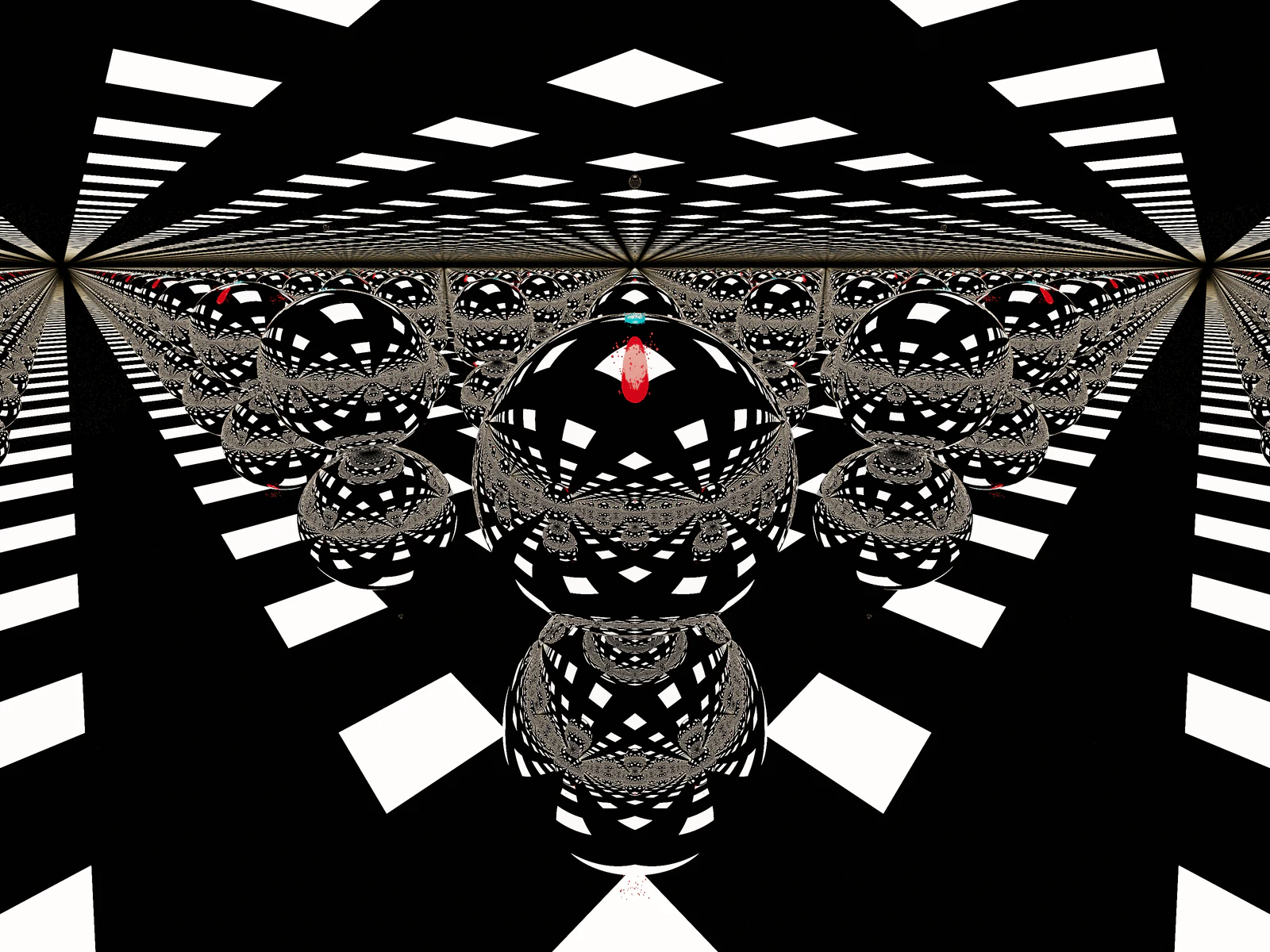
Reference render
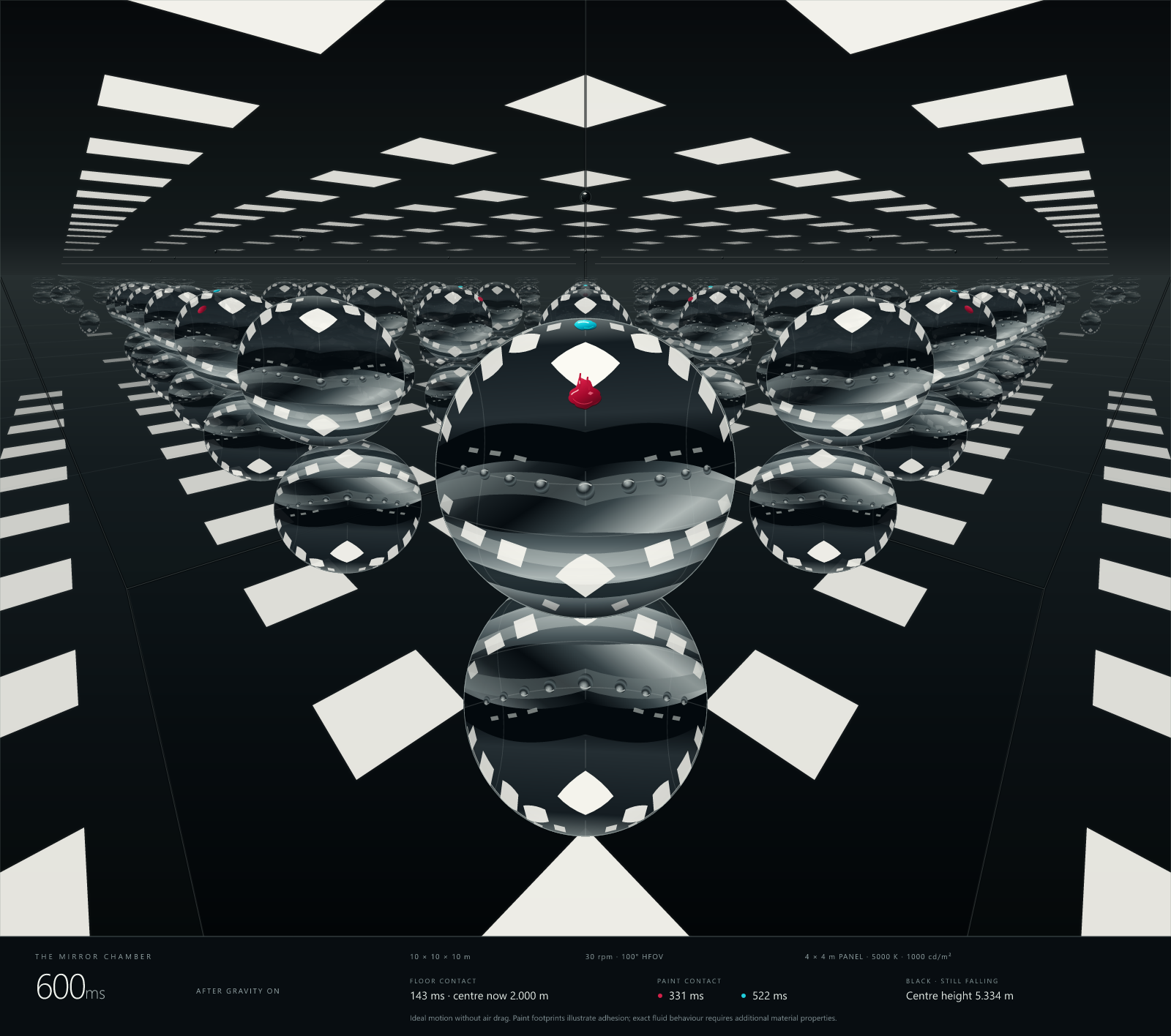
Best result GPT-6 Astra 70.6/100
How the field scored52 models · median 28.3
Chained physical reasoning
Can a model reason through a scene where every detail depends on another?
A wooden plank, a computer mouse and a blueberry in a steel room, lit by one very specific kind of light source. Behind those everyday objects sits a demanding physics problem. How that light meets this particular wood and this particular steel, and how the lamps are designed and placed, produce a shadow pattern that quick reasoning won’t predict. Placing the plank correctly is already a feat, and several spatial and physical riddles are buried in the task. None of them announces itself.
Hard problems rarely fail at the first step. They fail at a consequence of a consequence. Ground Truth shows whether a model follows those chains through the physics of one exact setup instead of falling back on a generic picture of it. That is what you need whenever details have to be right, not just plausible. The model also has to build what it worked out, and the reasoning and the drawing are judged separately, so a beautiful picture can’t hide a wrong answer.
Colour, perspective and lamp placement are only the surface. The revealing mistakes are chained: one wrong assumption moves an object, which changes a contact, which changes a shadow, which changes what the steel reflects. Two results can look alike at a glance and still show completely different understanding. Tiny differences reveal a lot, and the reference render makes them visible.
What we judge Against a rendered reference of the true scene: camera and layout, physical state, lighting and surfaces. Separately: shapes and construction, colour and finish, light and shadow detail.
Main evidence for General Intelligence and Visual Intelligence
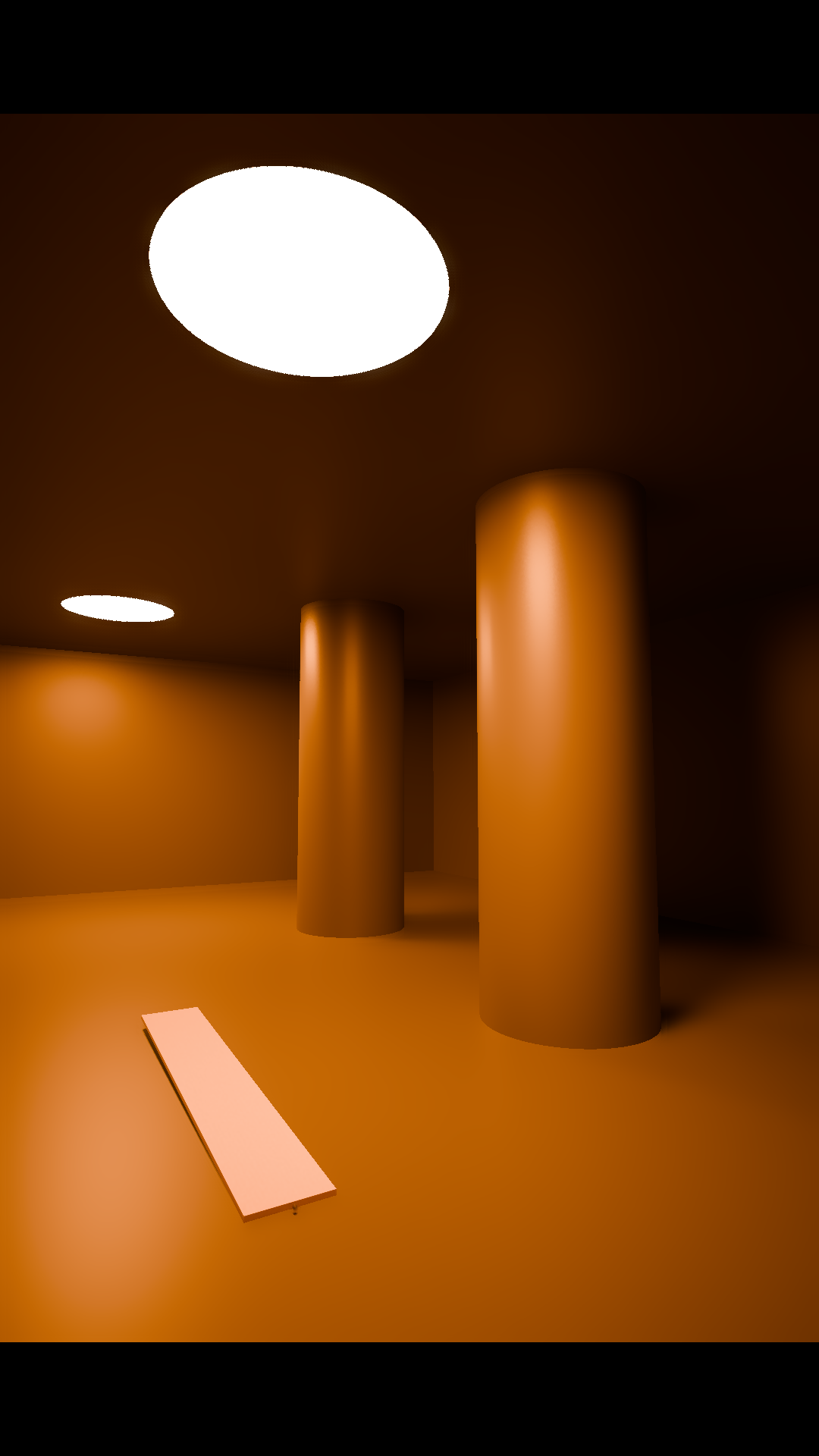
Reference render
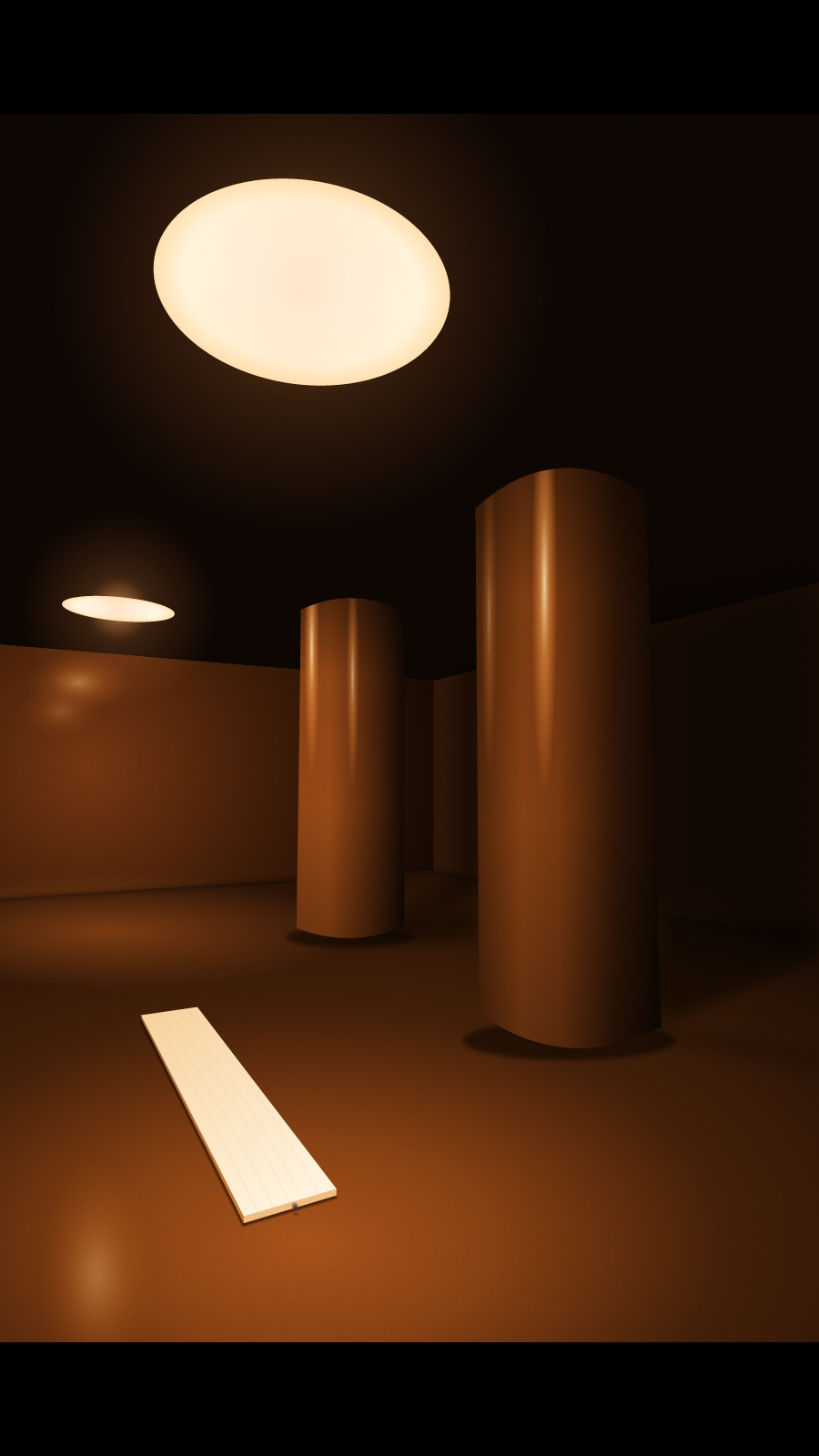
Best result Claude Opus 5.5 80.6/100
How the field scored52 models · median 40.4
Coordination and learning from experience
Can a model find the best plan, not just a plan, and get better at it level by level?
Two robots, one goal. One holds a door open by standing on a pressure plate while the other pushes numbered cores onto their matching sockets, and beacons along the way are worth bonus points. Every move costs a little and the model is asked for the highest score, so finishing is not enough. Cores can be pushed but never pulled, and one careless push can strand a core for good. The model plays every move itself, with no code and no tools, and its earlier levels stay in view as it goes.
At first glance Latch looks like a simple puzzle game, and the first level is simple. Each level arrives as an SVG image, so a model first has to read the picture and work out where the robots, beacons, doors, pressure plates and goals are. A model that manages that should finish the first level with the top score. From there the difficulty climbs, and the highest score on the later levels needs a route that isn’t obvious even to very capable humans.
No model has cleared all 5 Latch levels flawlessly yet.
Real work has dependencies: steps that must happen in the right order, by the right actor, with no undo and a cost to every extra step. Deployments, data migrations and multi-step agent workflows all look like this. A high Latch score means a model plans the whole sequence before it commits, finds the efficient route, and uses what went wrong earlier to do better later.
Greedy moves look fine for a few turns, then trap a core against a wall. Other models finish a level but waste moves on the way, or skip a beacon that was worth the detour. The replays show the exact turn where a plan falls apart.
What we judge Game points on every level. Each move costs a little, so a clean solution scores higher than a clumsy one that also finishes.
Main evidence for General Intelligence
5 levels in a row Hold the door · Crossfeed · Relay vault · Passing bay · Second thoughts
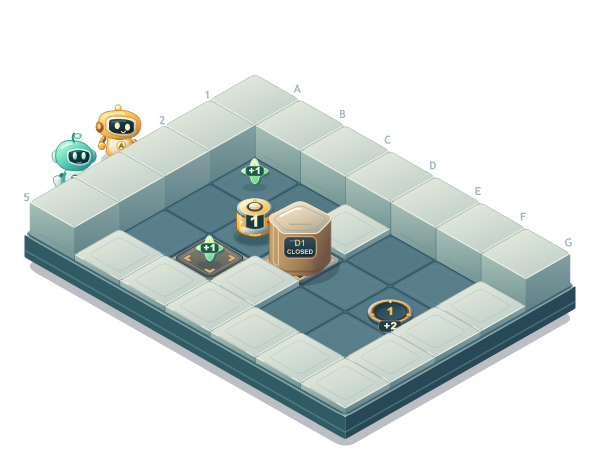
Play against the best AIs
Same 5 levels, same scoring. Finish them all and see where you rank.
Top result Claude Opus 5.5, GPT-6 Astra, and GPT-6.1 Sol 87.6/100 · 5 of 5 levels
How the field scored47 models played · median 57.7 across complete runs
Anticipation and planning ahead
Can a model stay one step ahead of the ghosts?
Inspired by Pac-Man, with levels designed to be extremely hard to beat. Every coin is worth a point and staying alive to the end earns one more. The level ends when a ghost catches the player or the turns run out. Each step has to account for where the ghosts will be next, not where they are now. The model plays without code or tools, and decides for itself whether to commit one move at a time or a whole batch.
Each ghost follows simple, familiar Pac-Man rules that are easy to explain. Turning those rules into the highest score is another matter. Every level can be cleared perfectly, but only with elaborate planning, and how far a model gets shows how far ahead it can think.
No model has cleared all 3 Foresight levels flawlessly yet.
Anticipation is planning in a world that reacts. It matters wherever an action changes what happens next: scheduling around other people, defending a system, negotiating, or running an agent among other agents. A high Foresight score means a model weighs risk against progress before it acts, not after.
Some models chase a coin and step straight into a ghost’s next square. Others play so safe that the turns run out with coins still on the board. The strong ones balance both, turn after turn.
What we judge Game points on every level: a point for every coin and one for surviving to the end.
Main evidence for General Intelligence
3 levels in a row Second Thoughts · Pressure Pot · Hide or Flight
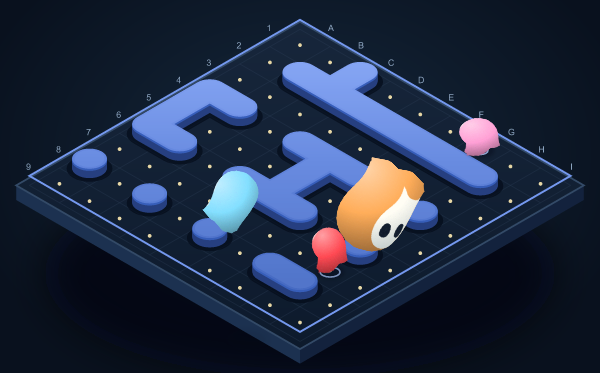
Play against the best AIs
Same 3 levels, same scoring. Finish them all and see where you rank.
Top result GPT-6 Astra 76.1/100 · 3 of 3 levels
How the field scored46 models played · median 37.8 across complete runs
Precise visual recall
Can a model draw what it can describe perfectly?
Every model knows the Mona Lisa. Few images have been described in such intricate detail, and any model can give a precise account of the painting. Drawing it is another matter. Her posture, the landscape behind her, the colours, the soft light and above all the proportions are very hard to rebuild as vector code.
No model has come close to acing Mona Lisa yet. The best result so far scores 66.9.
Mona Lisa measures the gap between knowing and doing. Turning a precise description into precise shapes takes reasoning and visual skill together. You rely on the same ability whenever you ask for something recognisable: a likeness, a landmark, a known style or a standard diagram. Almost right is what people notice first.
A recognisable silhouette is easy. Many results get the crossed hands and the dark clothing, then lose the face: too symmetrical, too long, with schematic eyes. Likeness lives in small proportions, and that is where the scores spread out.
What we judge Likeness, anatomy, composition and painterly depth, compared with the painting itself.
Main evidence for Visual Intelligence
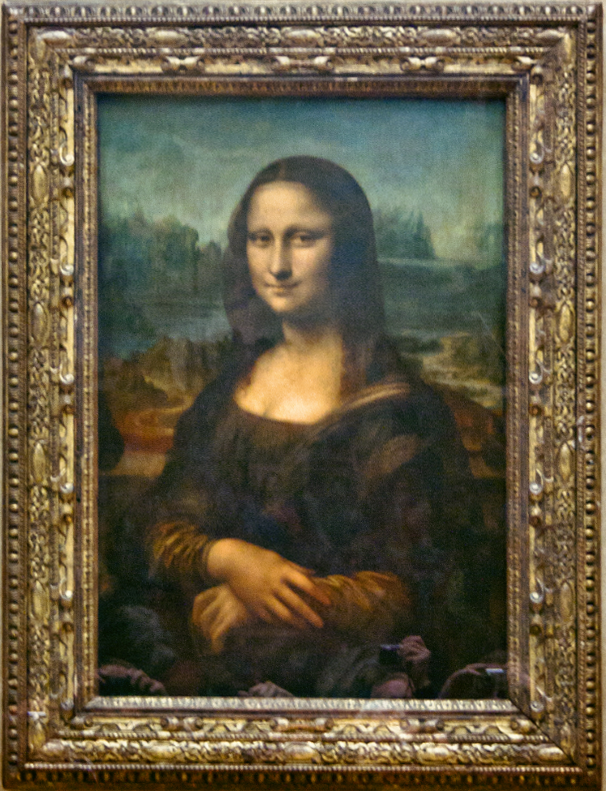
The original
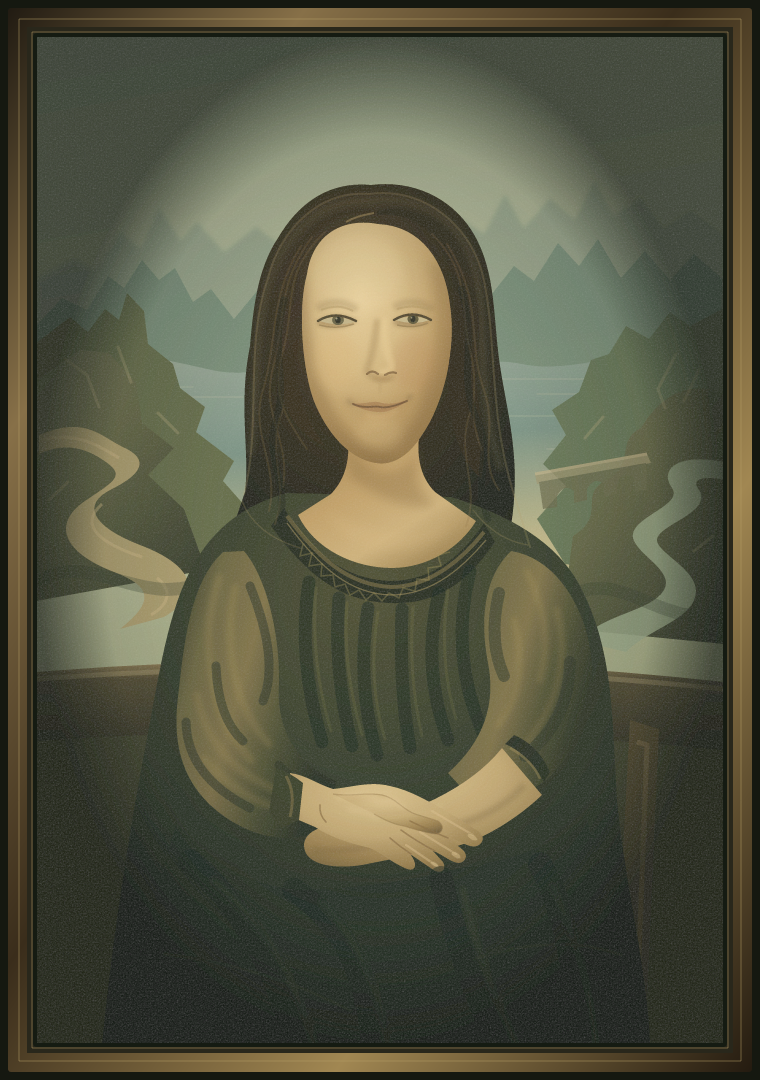
Best result GPT-6 Astra 66.9/100
How the field scored52 models · median 37.6
Creativity and instruction following
Can a model turn a character brief into an original, expressive design?
Every model draws a character of its own, from a coral squid to an astronaut rabbit. The brief describes appearance, pose and materials. How to build the character is up to the model.
Selfie measures creativity, drawing skill and how closely a model follows instructions. It carries little weight in the StealthMark score, but the results are telling: each Selfie shows how a model reads a brief and what it chooses to get right.
This is the everyday design request: a mascot, an illustration, an icon with personality. A high score means the character comes out the way the brief describes it, with connected anatomy, a readable pose, a clear expression and a consistent finish.
Characters fail in small, obvious ways: a limb that floats free of the body, a face that loses its expression, a material that changes halfway across a shape. Viewers forgive a simple style. They don’t forgive a broken one.
What we judge Likeness to the brief, anatomy and construction, space and placement, light, purposeful detail, artistry and character, materials and visual integrity.
Main evidence for Visual Intelligence
How the field scored52 models · median 61.7
Composition and visual beauty
Can a model compose a whole scene that is both correct and beautiful?
A beautiful beach scene, with animals, water, sky, light and reflections in one picture. The task sounds easy. It hides a genuinely difficult perspective, and every object has to take the right shape for its place in it, down to countless small details.
Most visual requests are whole scenes, not single objects: a hero image, a banner, an illustration for a story. They need one consistent perspective, believable scale, and the taste to make the result pleasant to look at. Beach shows how a model handles all three at once, and how far its attention to detail reaches.
Many objects mean many chances to go wrong: animals at the wrong size for their distance, shapes that ignore the perspective, reflections that ignore the sun, a horizon that shifts from one side to the other. Busy scenes also tempt models into clutter.
What we judge Composition, perspective, scale and placement, light and reflections, materials and the overall beauty of the scene.
Main evidence for Visual Intelligence
How the field scored52 models · median 60.5
Interacting subjects
Can a model show characters actually doing something together?
A dog drives a jet ski with a raccoon riding along. The scene is meant to be comical and fun to watch, and an unusual combination like this is unlikely to have been trained for.
Interactions are where pictures fall apart: who sits where, who holds what, where a body meets the vehicle. Any illustration that explains a process or tells a story depends on getting these relationships right.
Putting a raccoon on a dog on a jet ski is not that hard. Making them interact is: paws on the handlebars, a passenger holding on, spray and lean that show the jet ski is really moving. A rider floating above the seat or a jet ski parked on flat water costs points, however charming the characters are.
What we judge Placement and contact between the subjects, anatomy, vehicle construction, light and the finish of the scene.
Main evidence for Visual Intelligence
How the field scored52 models · median 60.1
The results page also shows Pelican, the familiar pelican-on-a-bicycle drawing test. Pelican results
Method
We design every benchmark ourselves and publish what it tests, never the exact instructions. A model can’t be tuned to a test it has never seen.
Every result is scored without knowing which model produced it. A famous name earns no extra points.
Blank answers, refusals and broken output count as failed results. A run that stops early shows how much of the benchmark it covered. We don’t drop hard tasks or choose results by their score.
Newton’s Mirror and Ground Truth are compared with rendered references of the same scenes, and Mona Lisa with the painting itself.
In the game benchmarks a model plays every turn itself. It can’t run code or call tools, so the plan has to come from its own reasoning.
Every image, every observation from our researchers and every game replay is public. You can play the game levels yourself and get a score calculated the same way.
Milestones
New benchmarks join when they are ready, and every score belongs to a StealthMark version. The current version is 1.8.6.
Citation
Using StealthMark results in an article, a paper or a model card? Name the version you used and link to this page. Benchmark images can be shared under our image license.
Stealth Models (2026). StealthMark Intelligence Benchmarks, version 1.8.6. https://stealthmodels.com/stealthmark
@misc{stealthmark2026,
  author = {{Stealth Models}},
  title = {{StealthMark} Intelligence Benchmarks},
  year = {2026},
  version = {1.8.6},
  url = {https://stealthmodels.com/stealthmark}
}
Questions
StealthMark is an independent AI benchmark by Stealth Models. It measures how well a model’s abilities carry over to original, demanding tasks in physical and spatial reasoning, planning and visual work, and combines them into one score from 0 to 100, with General Intelligence and Visual Intelligence alongside it.
GPT-6 Astra leads StealthMark 1.8.6 with 74.7 out of 100, followed by Claude Opus 5.5 (72.7) and Claude Sonnet 5.5 (70.3). See the full ranking.
DeepSeek-V4.1-Flash-1017 is the highest-scoring open model, at 59.2 out of 100, ahead of Kimi K3.1 Pro (56.7) and Qwen3.8-27B (51.7). All three have downloadable weights you can use commercially.
Qwen3.8-27B is the highest-scoring local model, at 51.7 out of 100, ahead of GLM-5.3-Flash (48.9) and Qwen3.8-Flash (46.6). All three run on consumer hardware at a practical quantization.
The Stealth Models research team designs the benchmarks, tests the models and reviews every result. Stealth Models also follows stealth AI models from their codename to their reveal and tests them alongside established ones.
Most benchmarks are fixed sets of public questions that models can be trained toward. StealthMark uses original tasks with private instructions, judges every result without knowing the model, and focuses on abilities that are hard to fake: physical reasoning, planning across many steps and precise visual work. Its evidence is public too: every image and every game replay.
Not directly. The exact instructions are never published, so there is nothing to memorise. The way to a higher StealthMark score is to get better at the abilities the benchmarks measure.
General Intelligence is the ability to reason, plan, solve problems and understand how things relate and behave. Visual Intelligence is the ability to turn ideas, descriptions and plans into coherent, effective visuals. Each is scored from 0 to 100 on its own, so a model can be strong at one and average at the other.
New models are tested as they appear, often within days of release. New benchmarks join when they are ready, and the StealthMark version changes with them.
Yes. Cite the StealthMark version and link to this page. Benchmark images are licensed under CC BY 4.0; the image license explains the attribution.