stealthmodels.

MODEL FIELD GUIDE

Qwen 3.8 Flash: Pelican

Hosted Qwen built on Flash-Next, with sparse attention, n-gram memory and a million-token context. Flash-Next previews the architecture planned for Qwen 4.

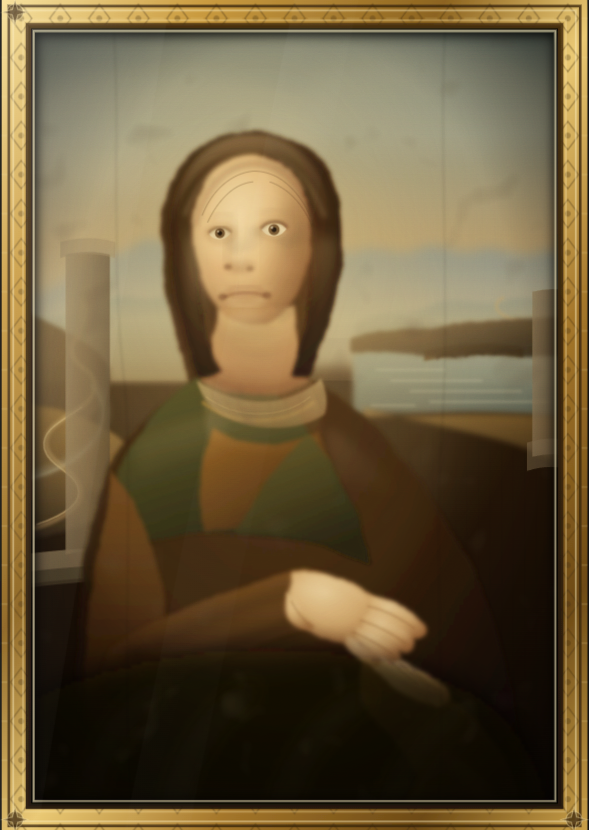
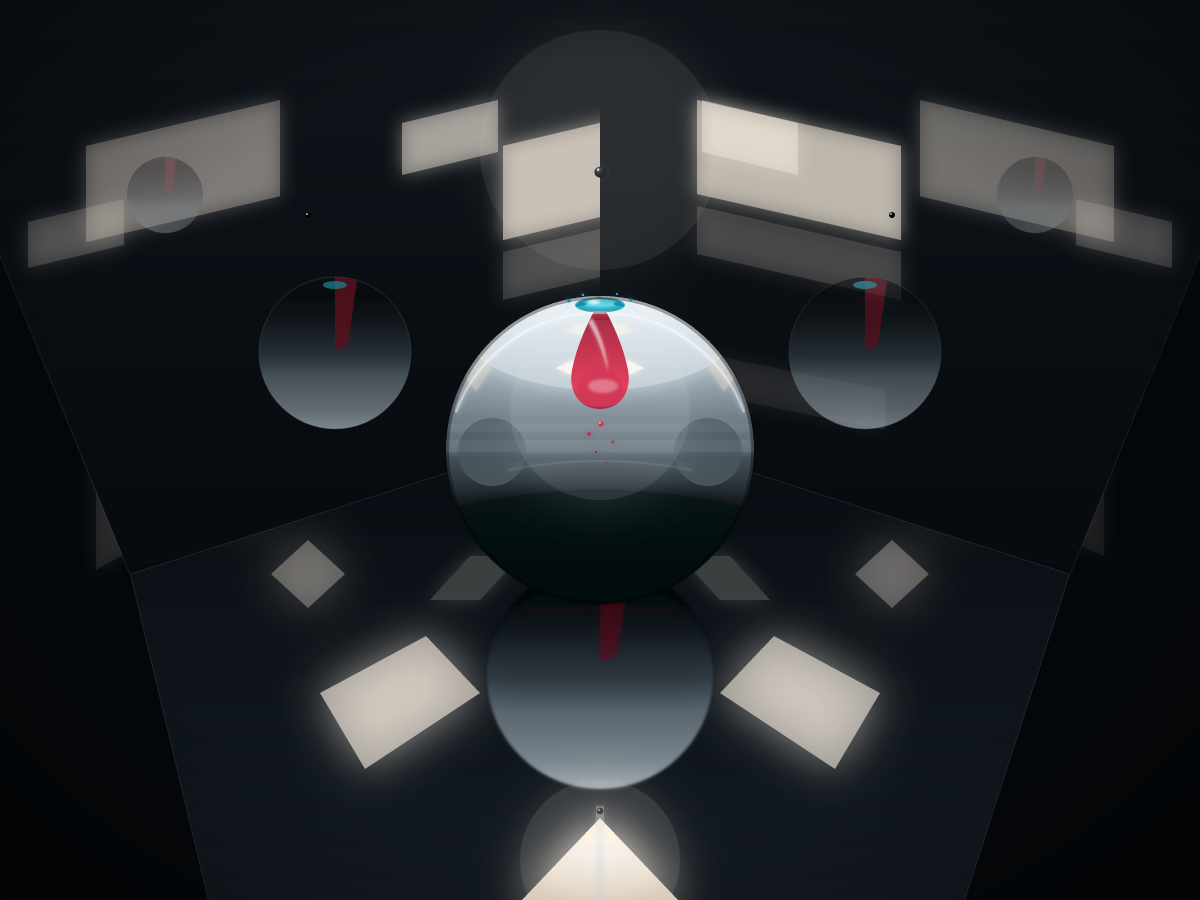
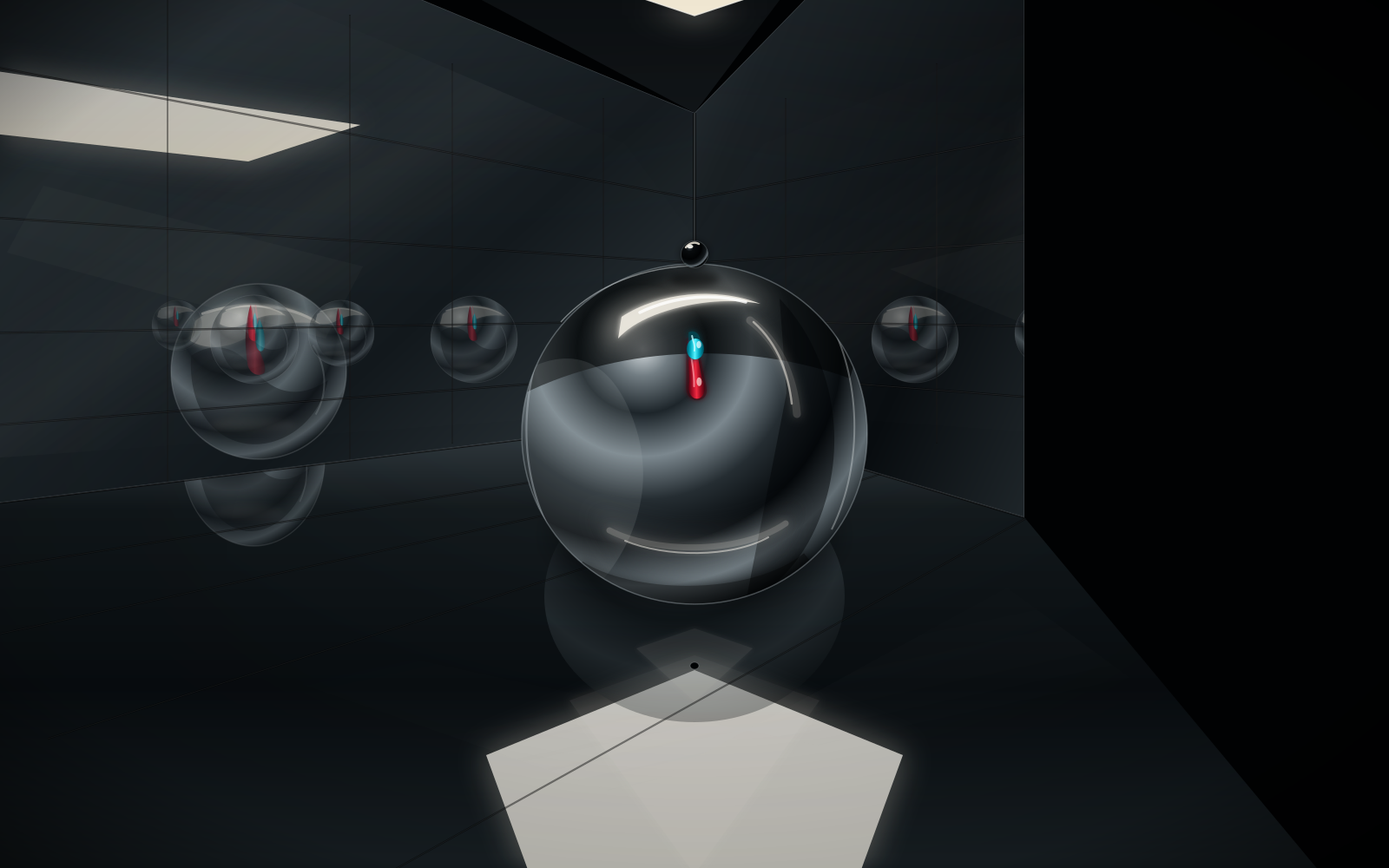
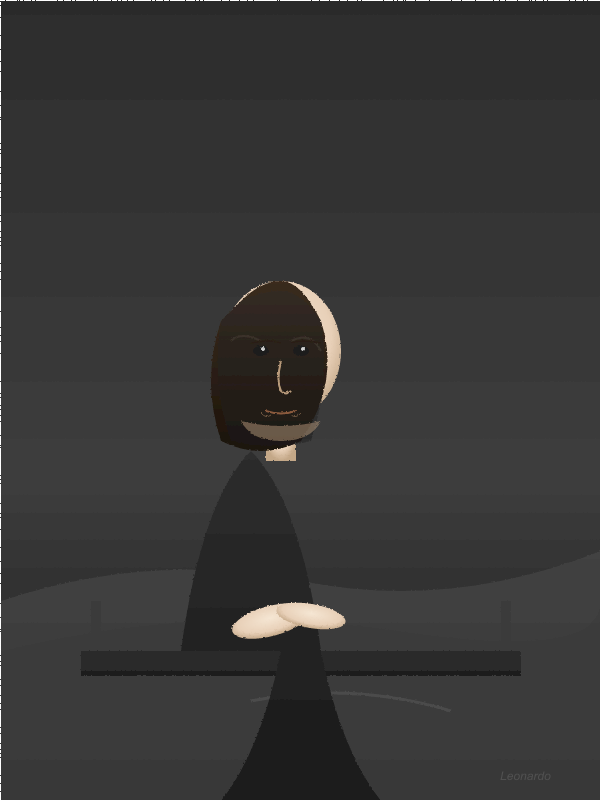
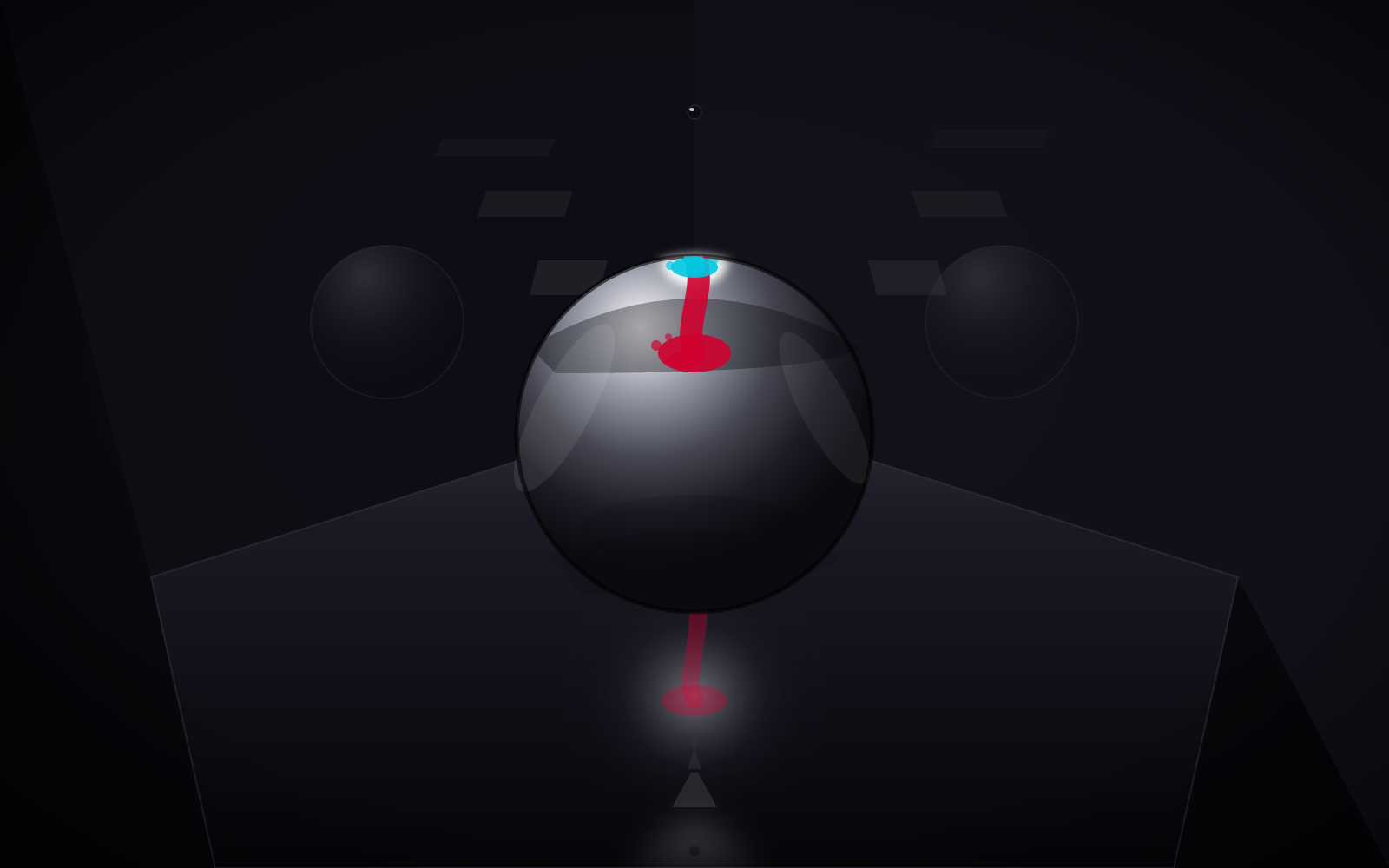
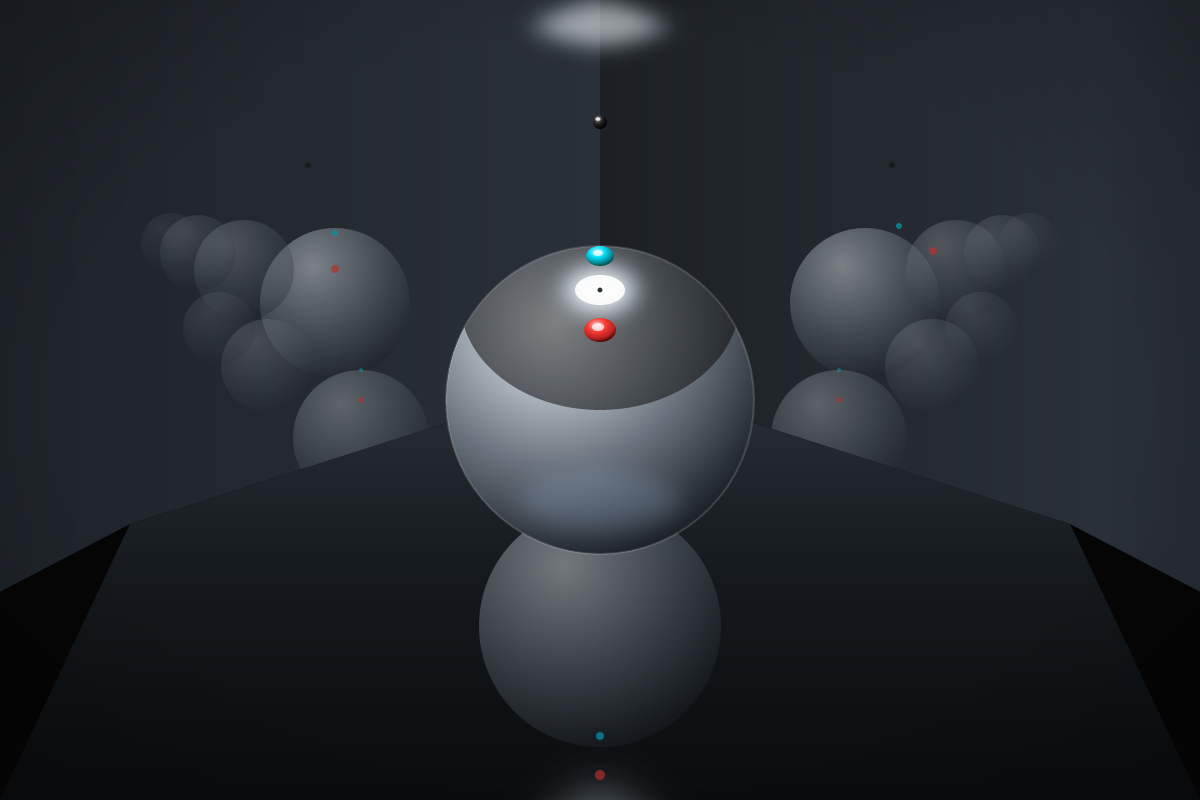
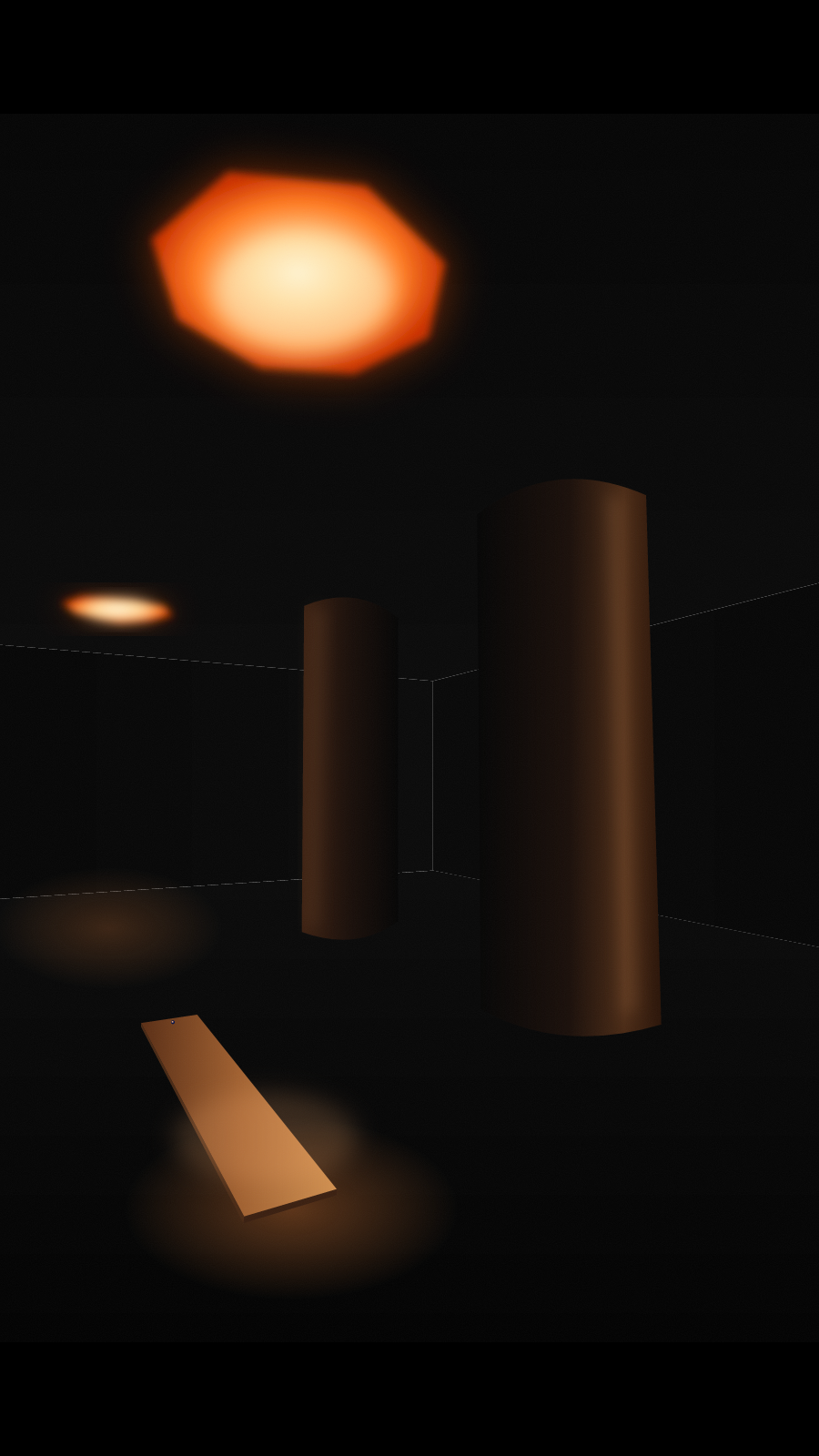
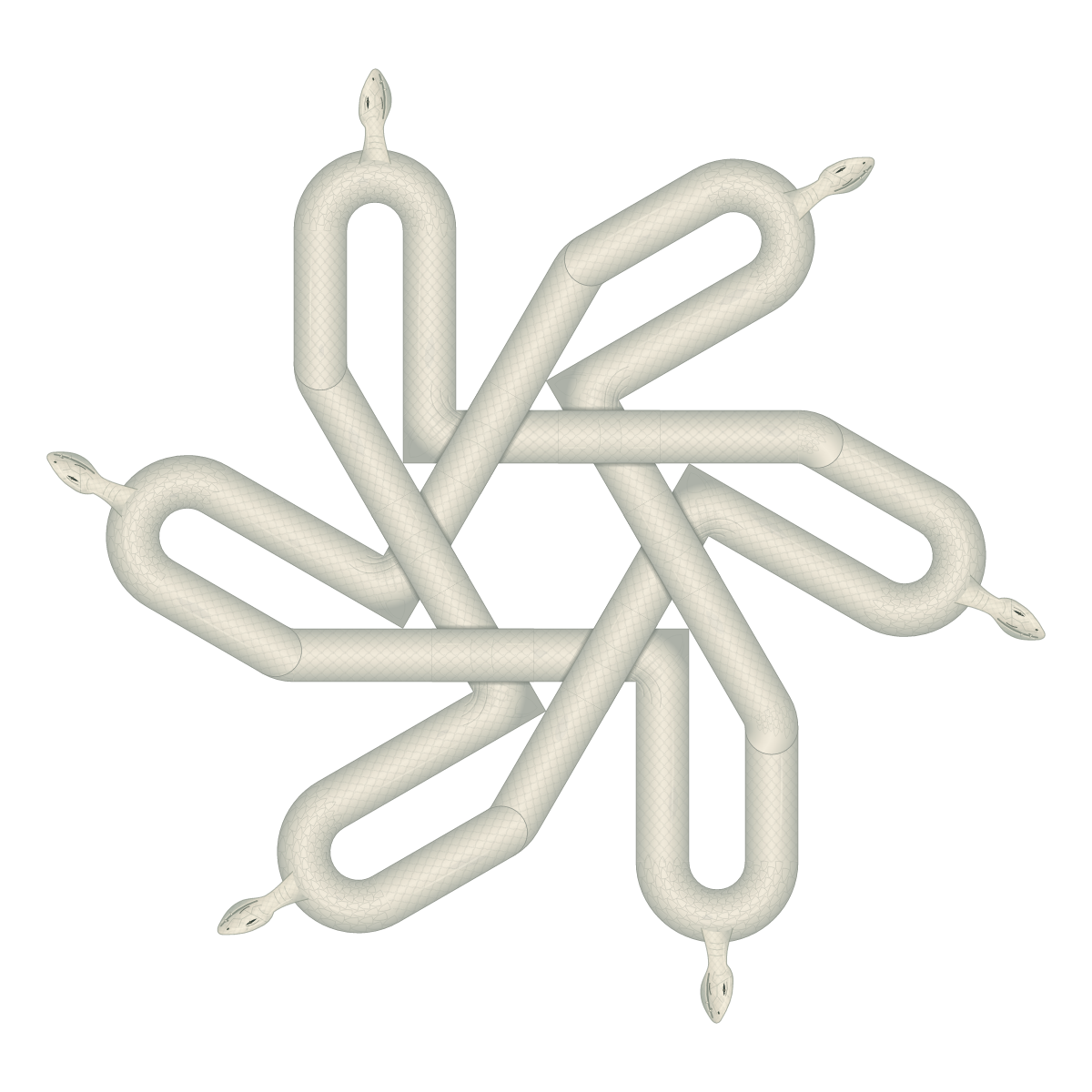
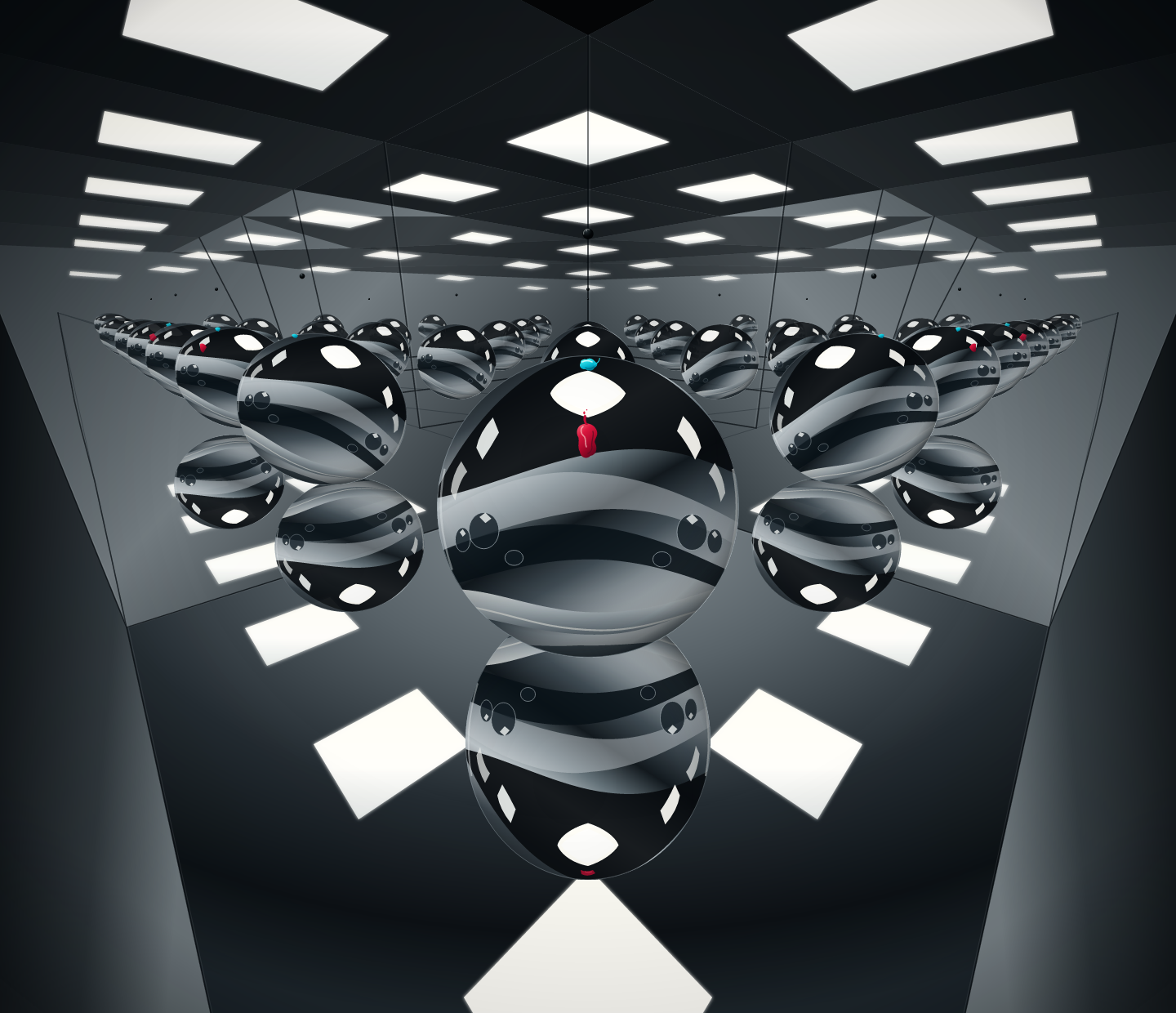
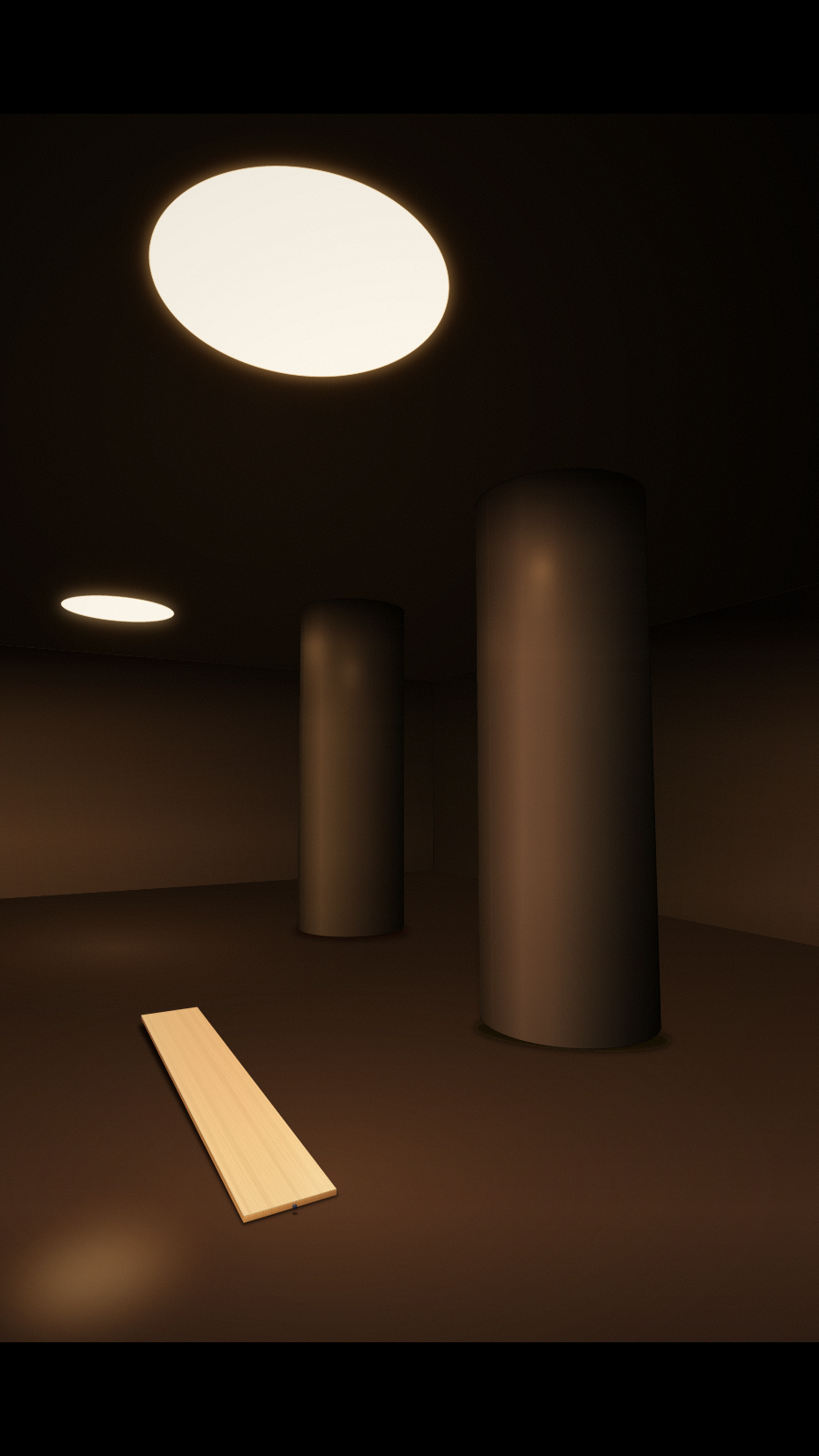
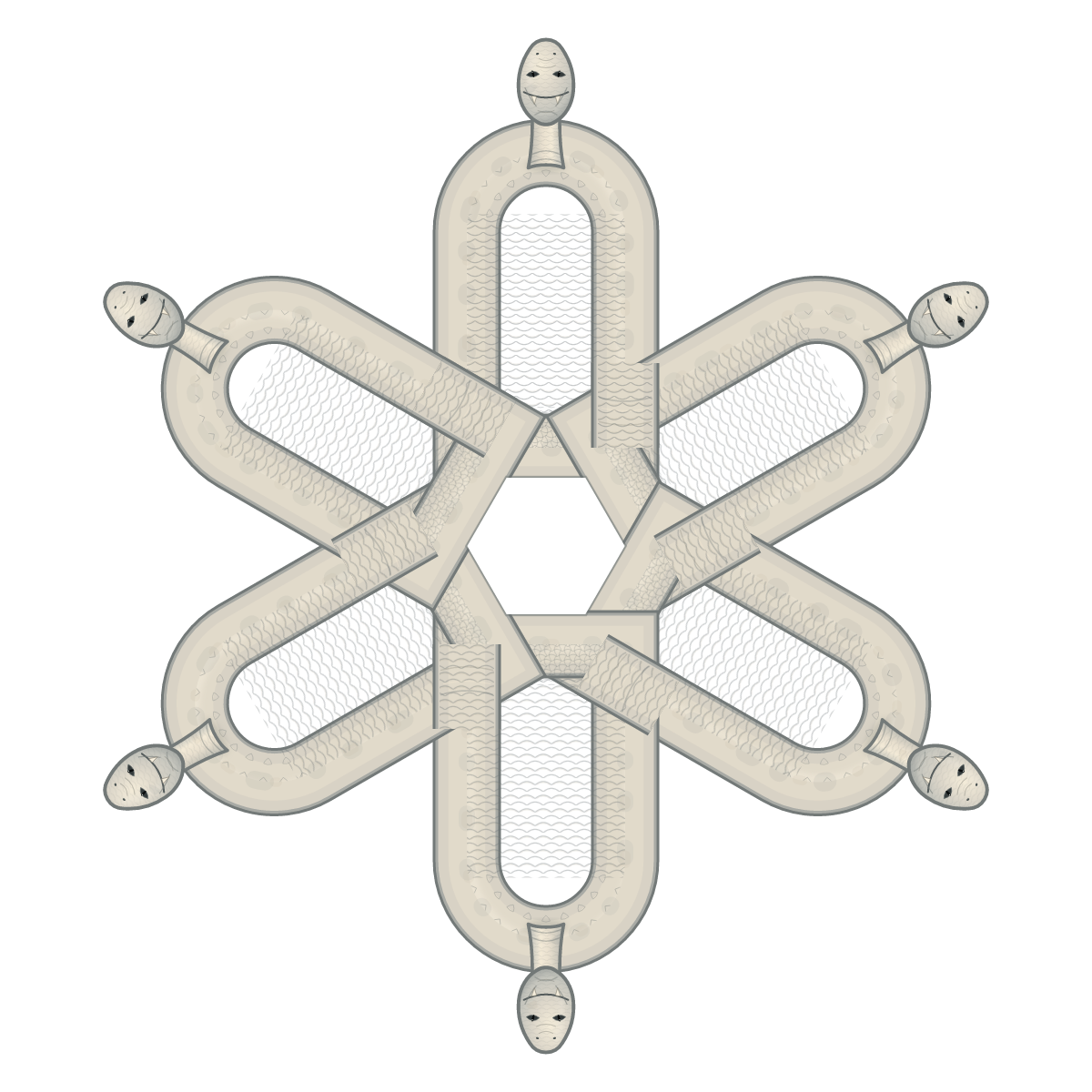
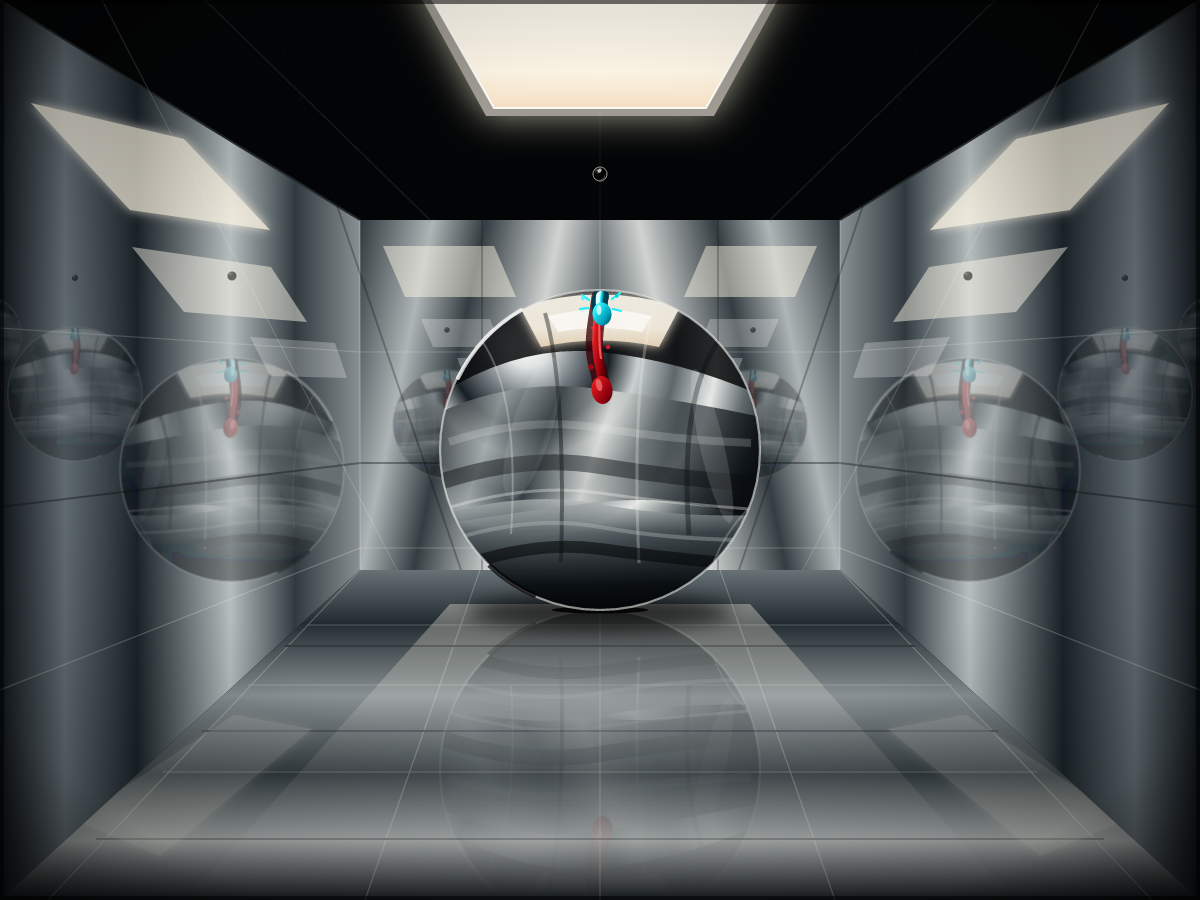
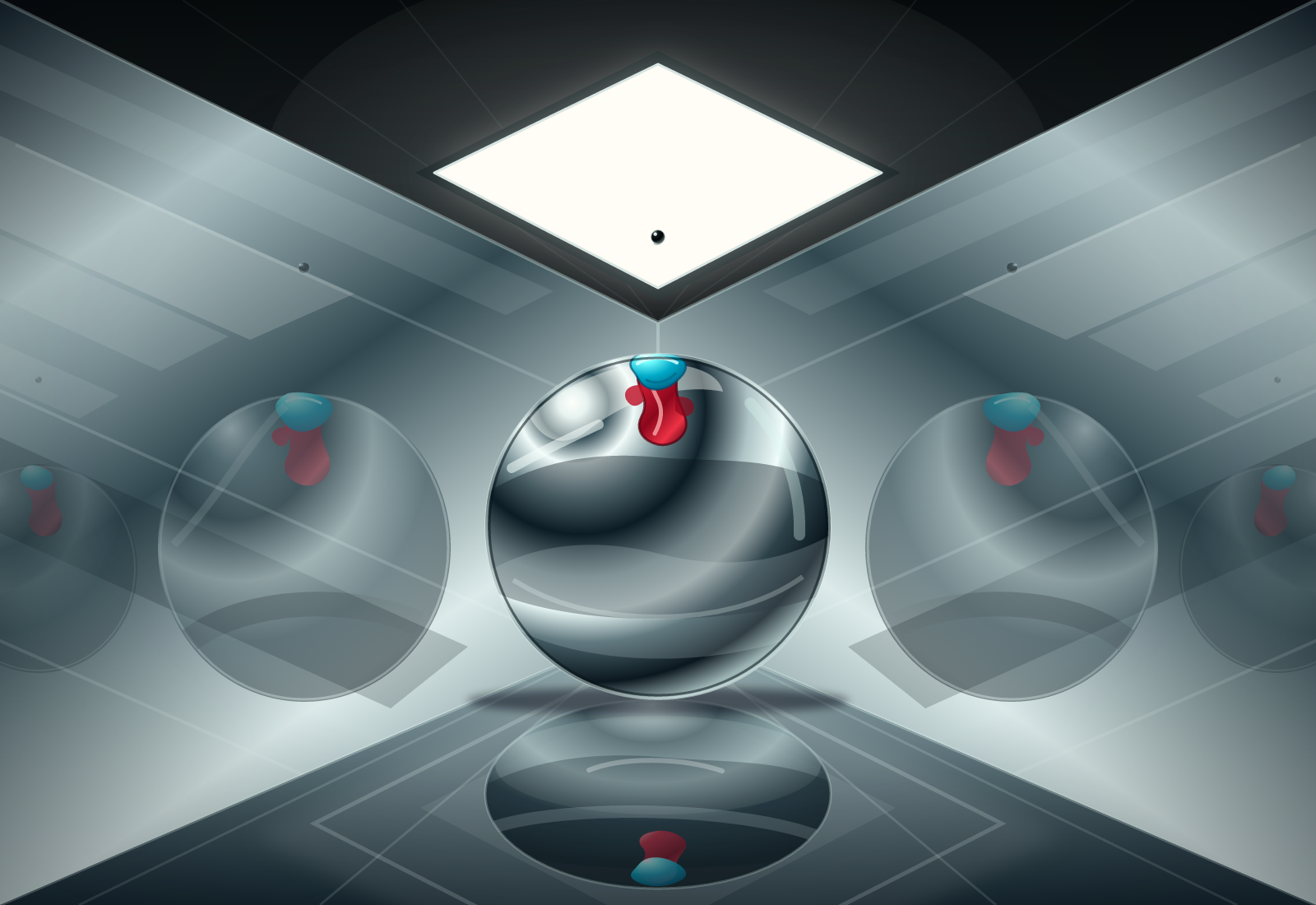
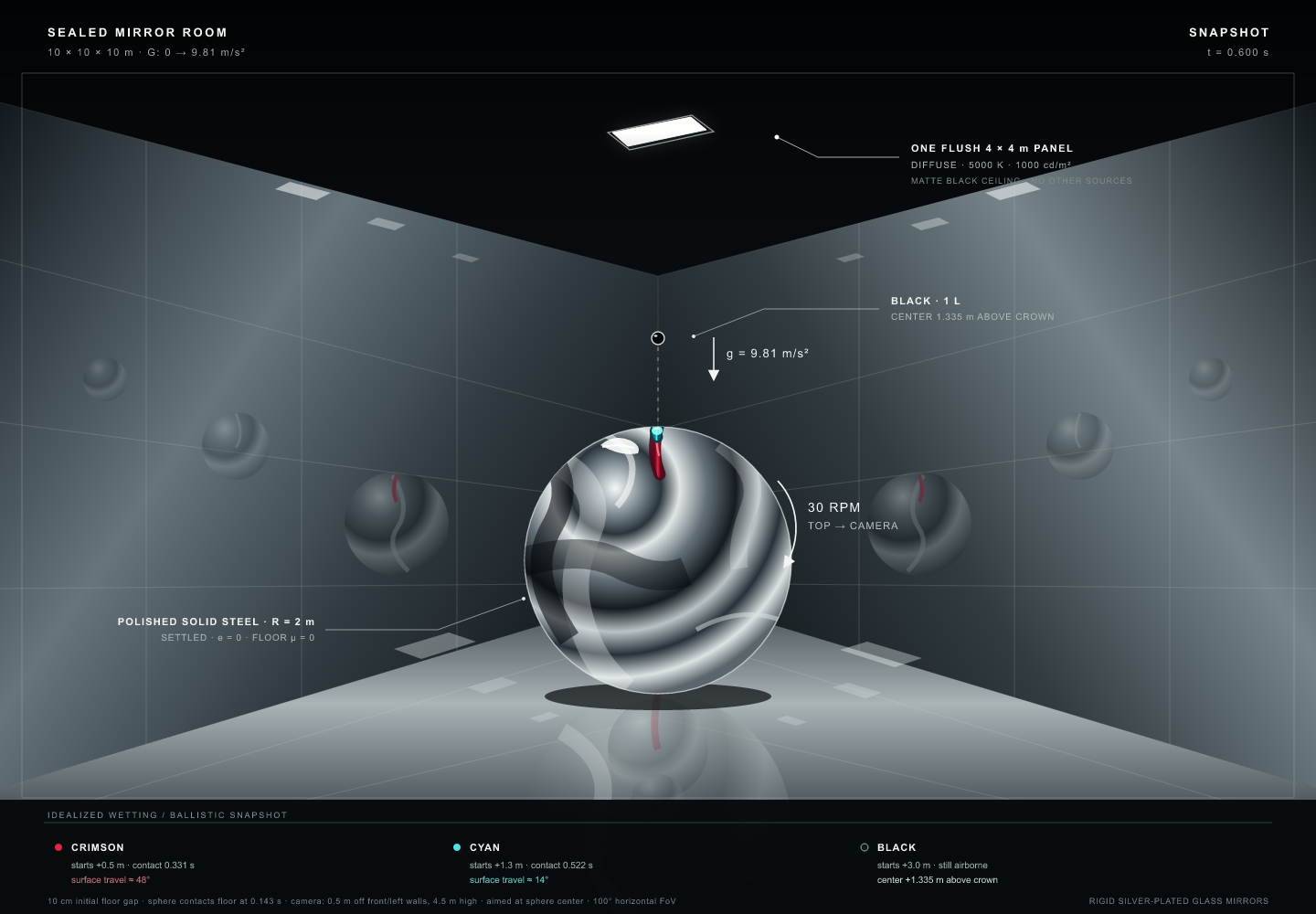
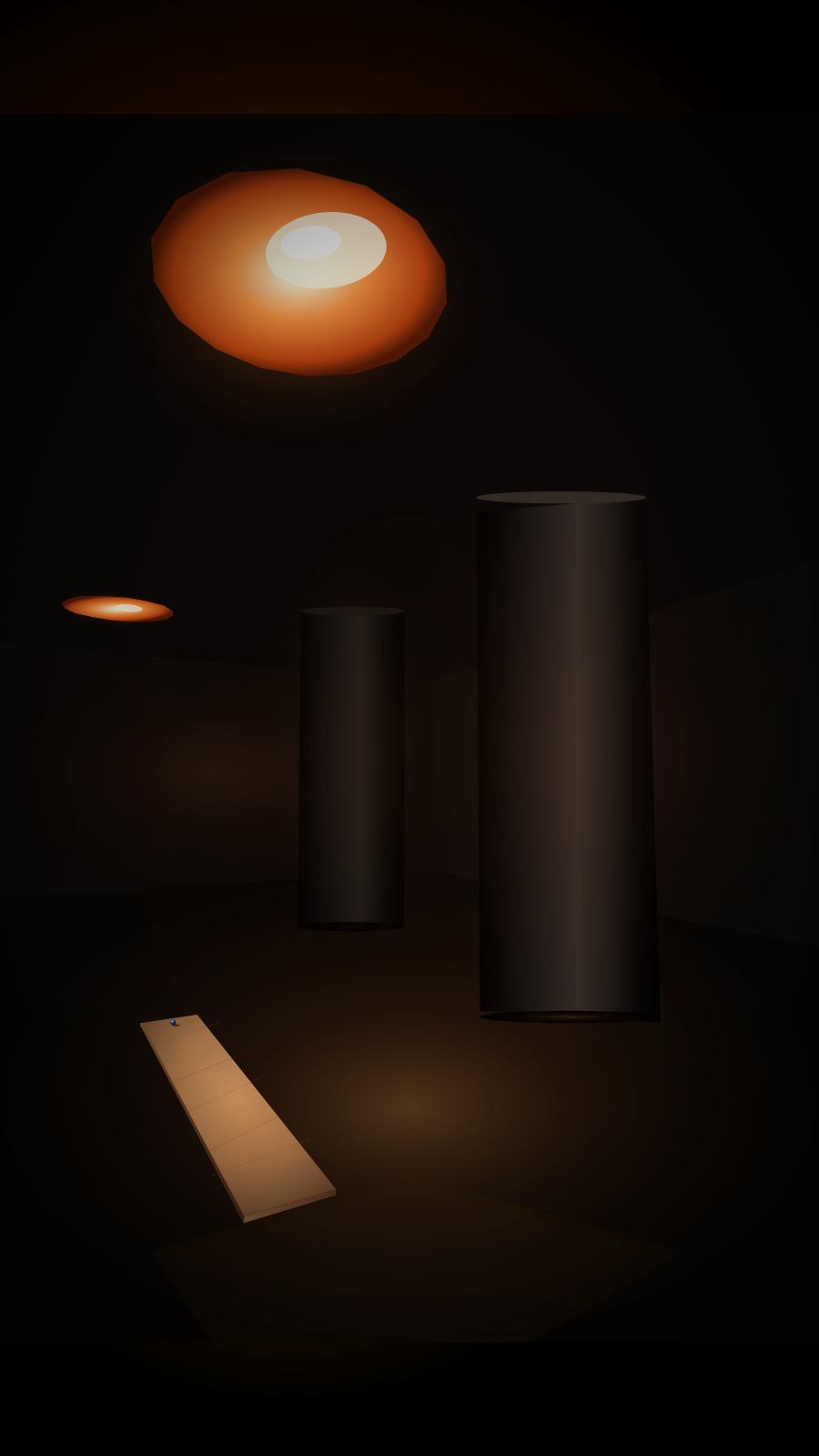
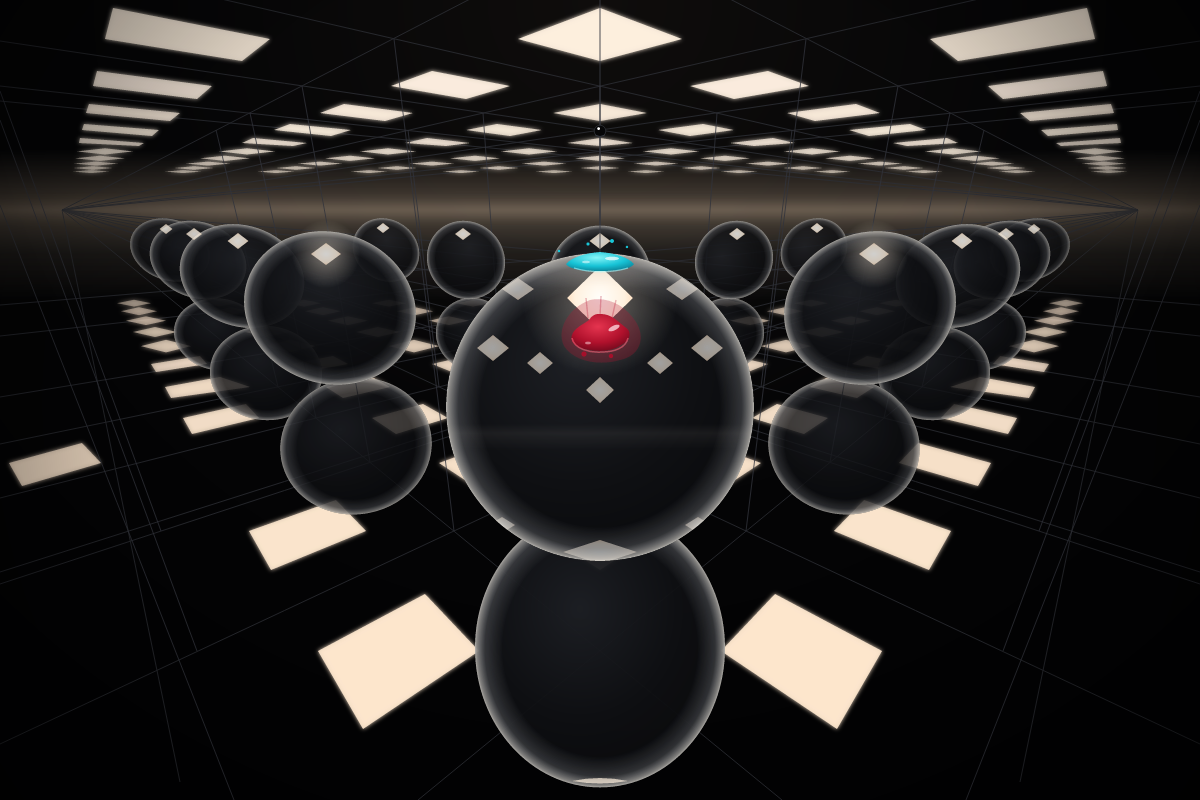
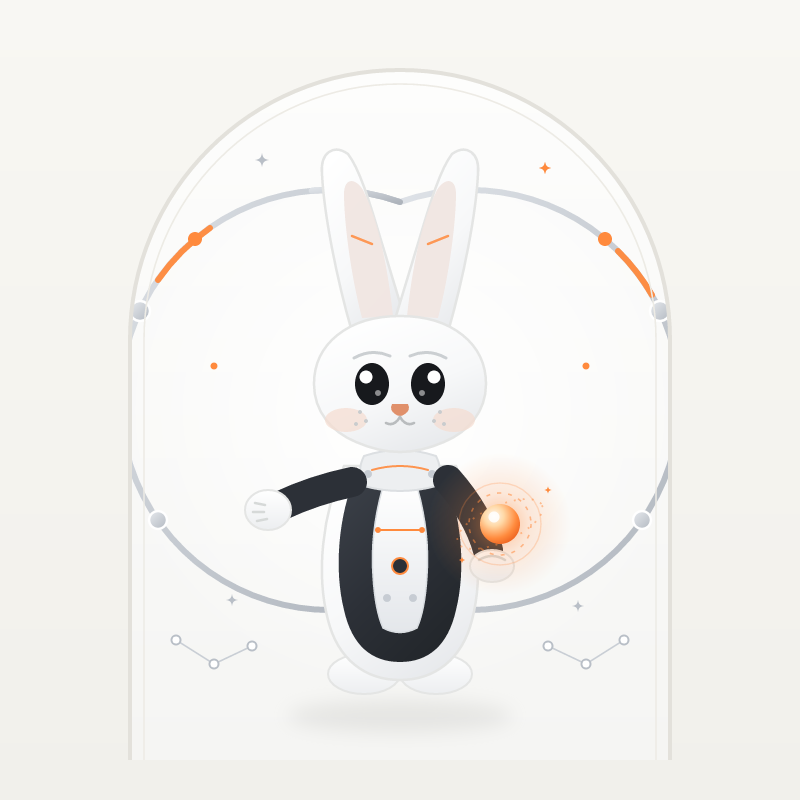
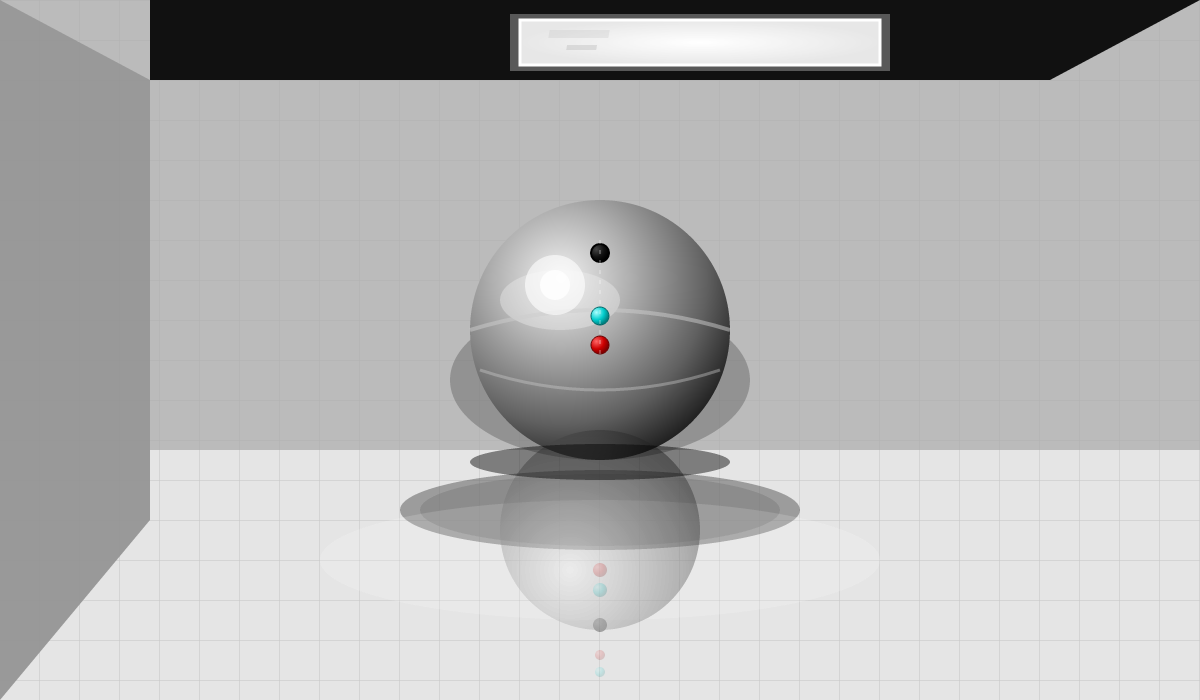
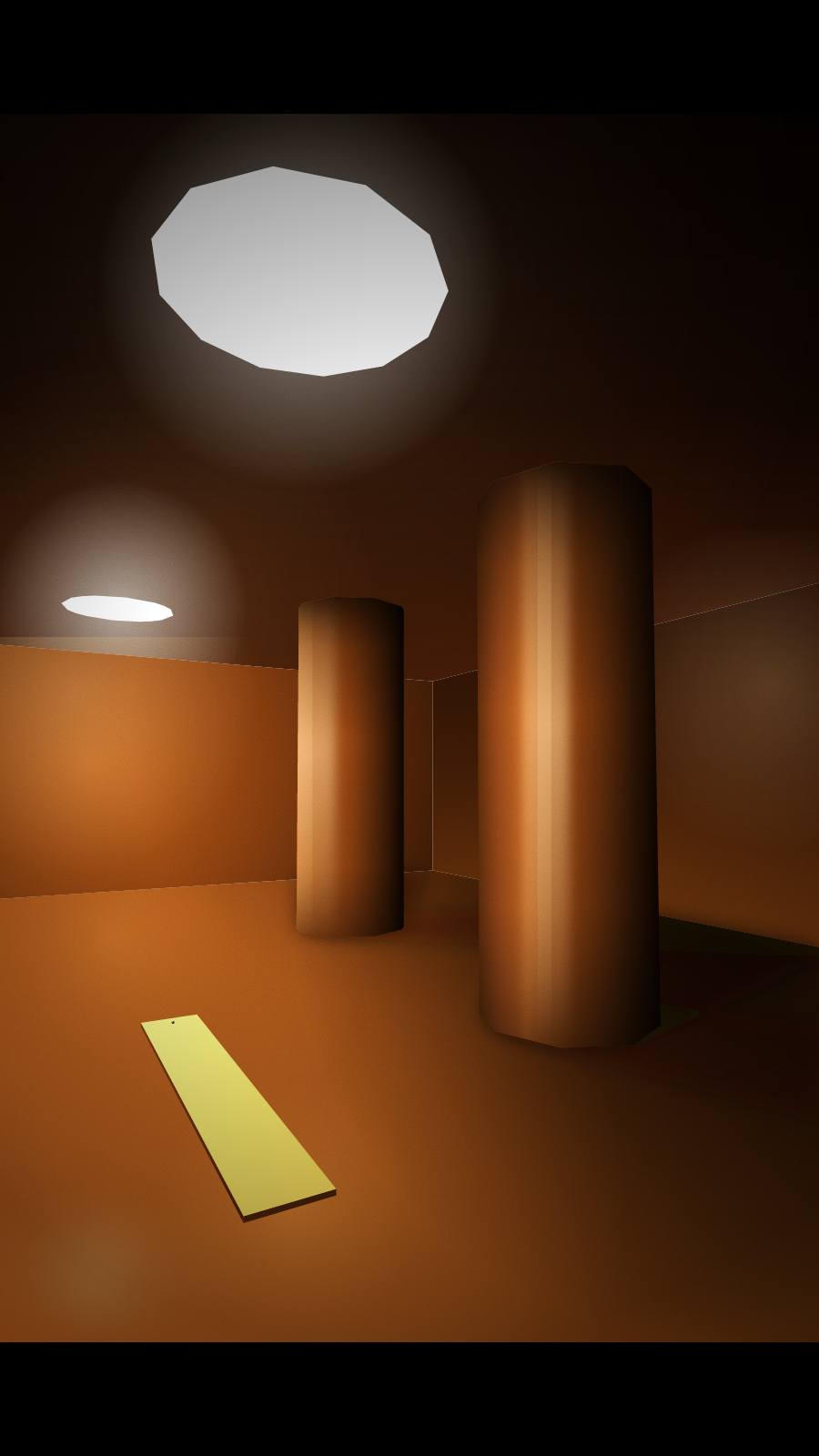
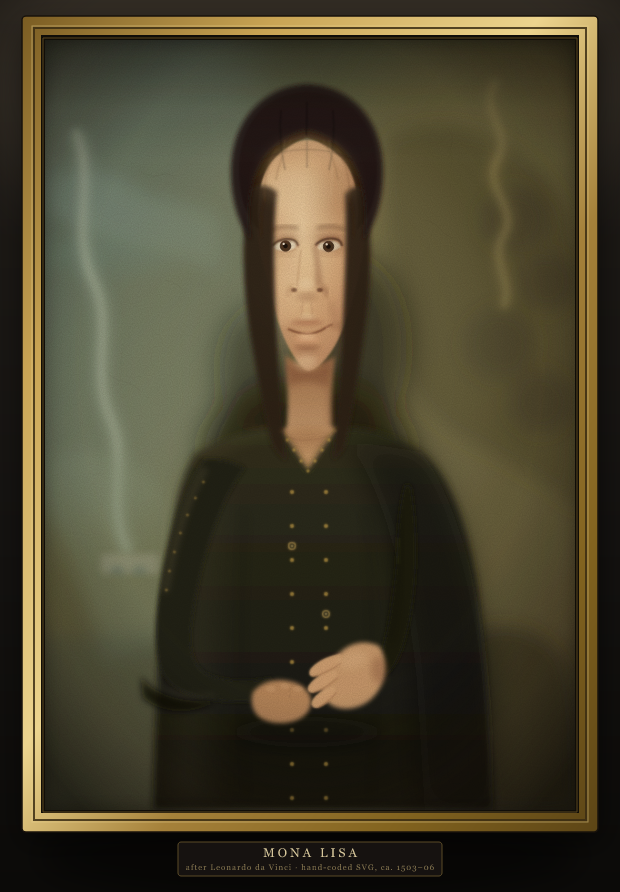
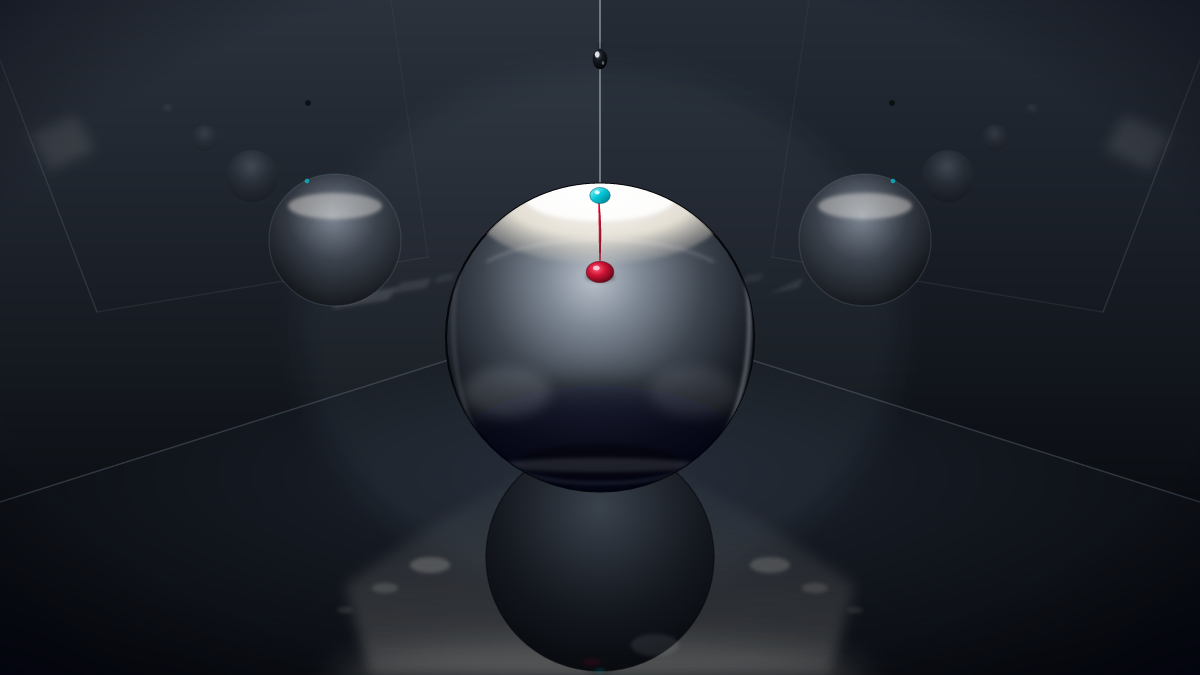
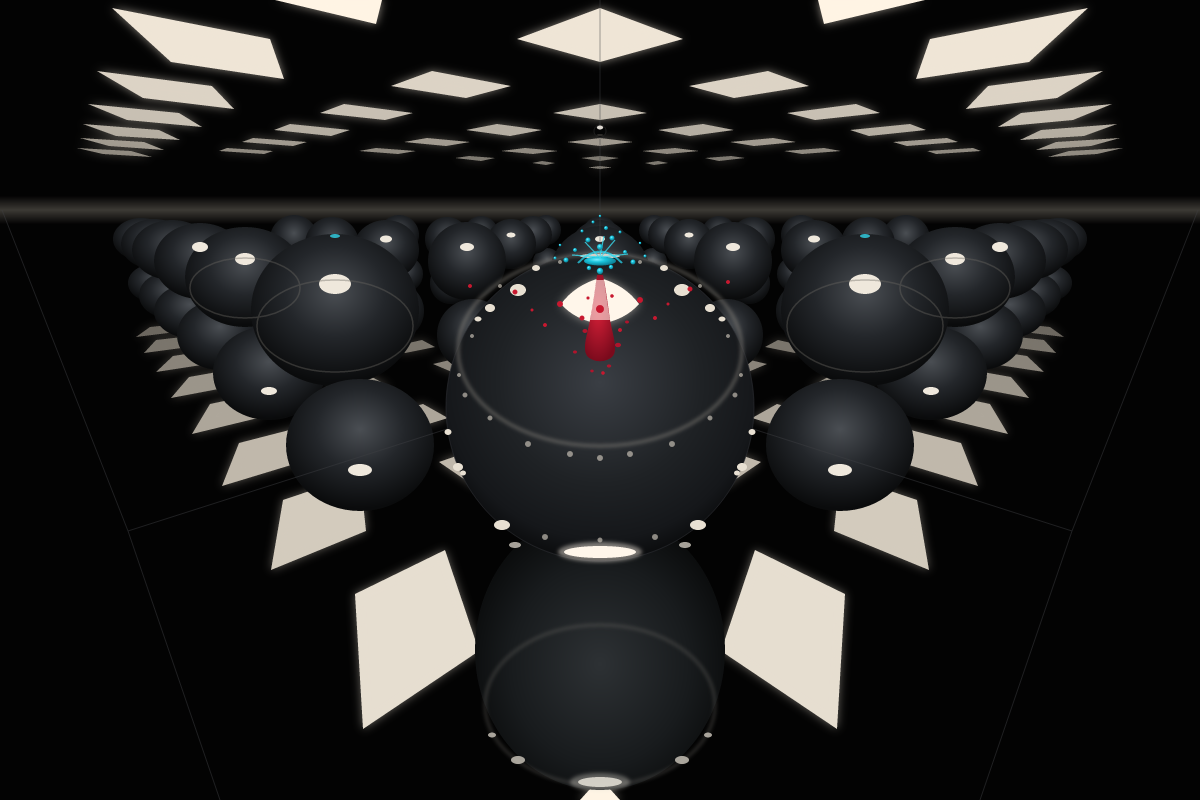
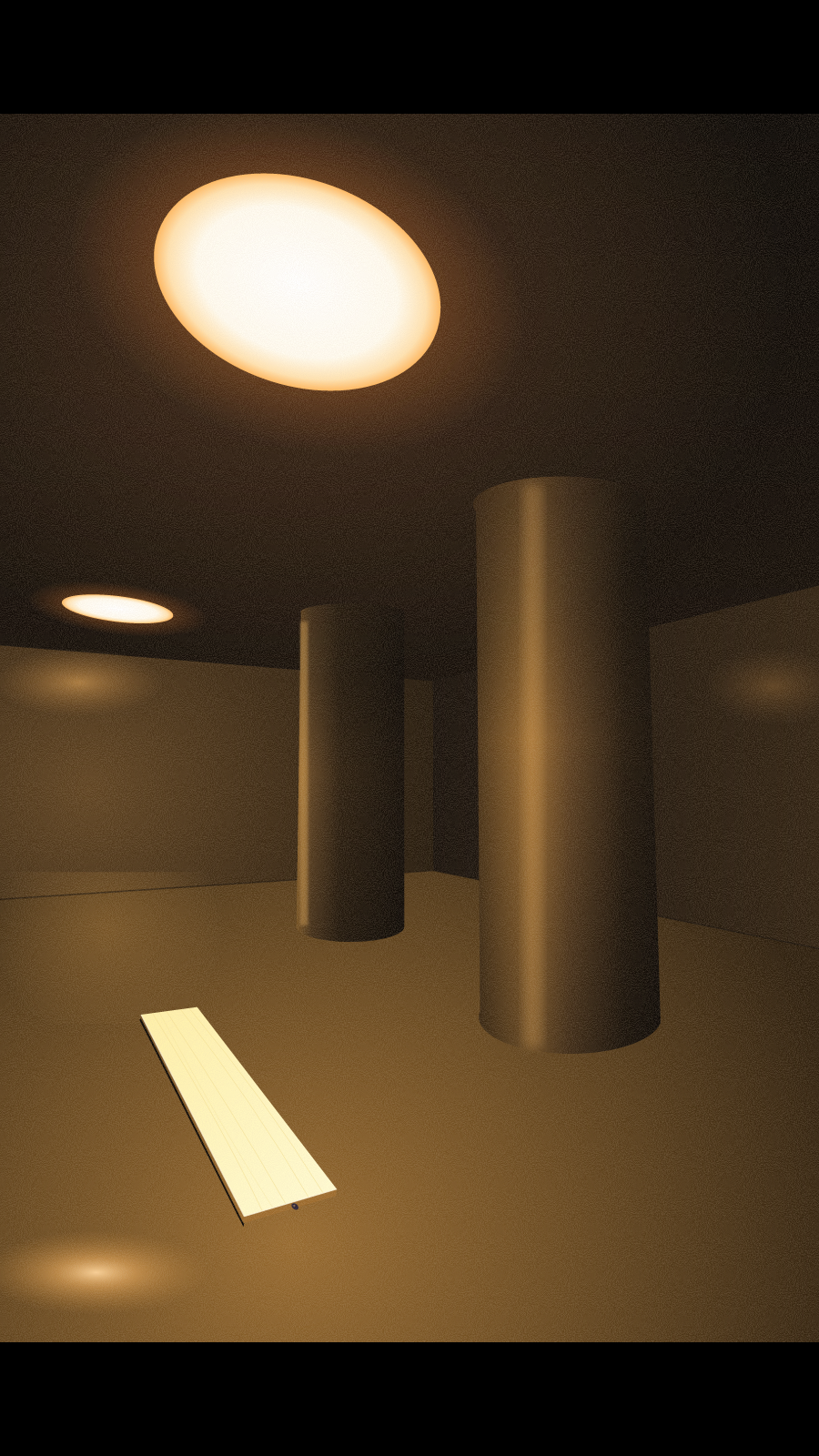
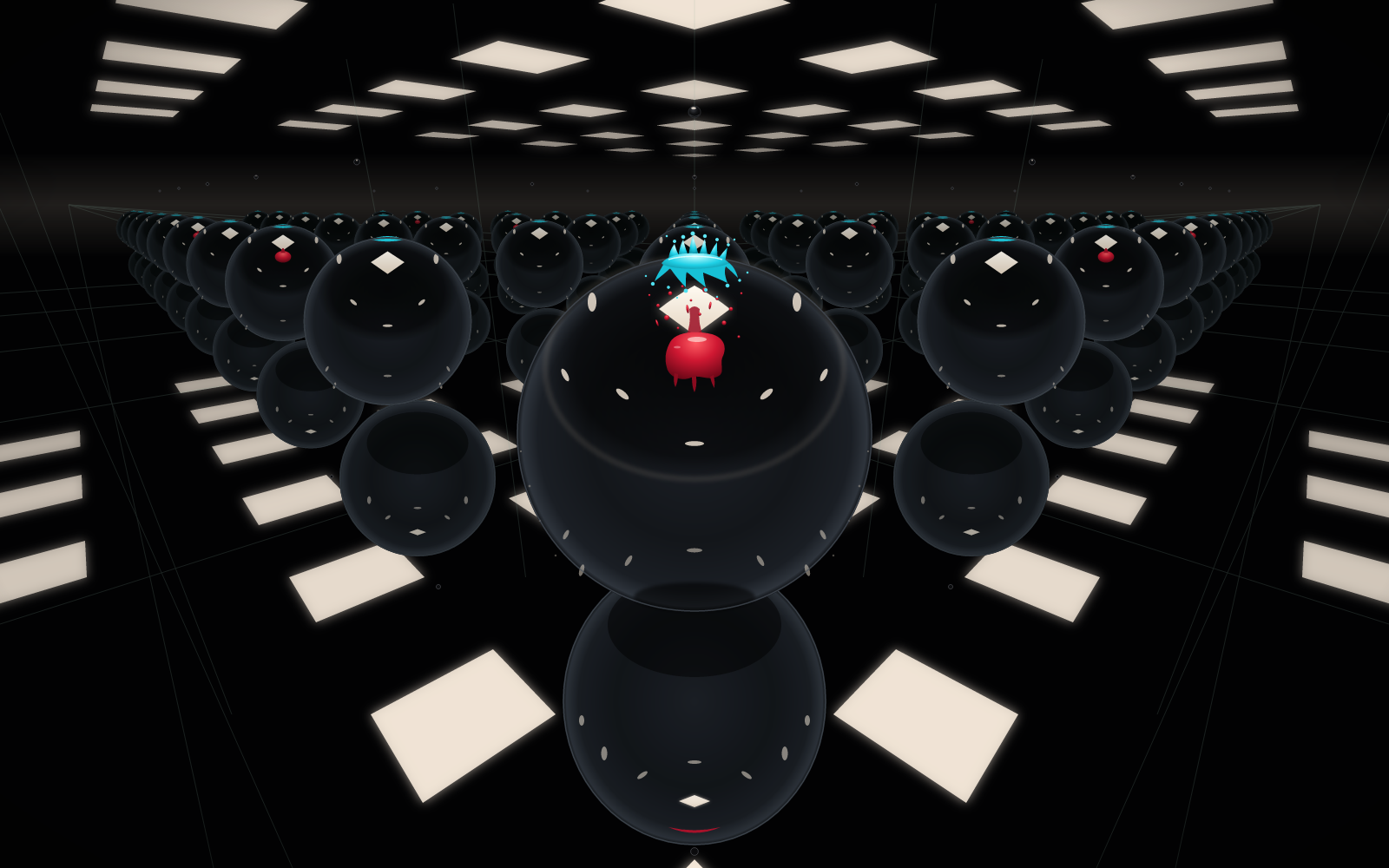
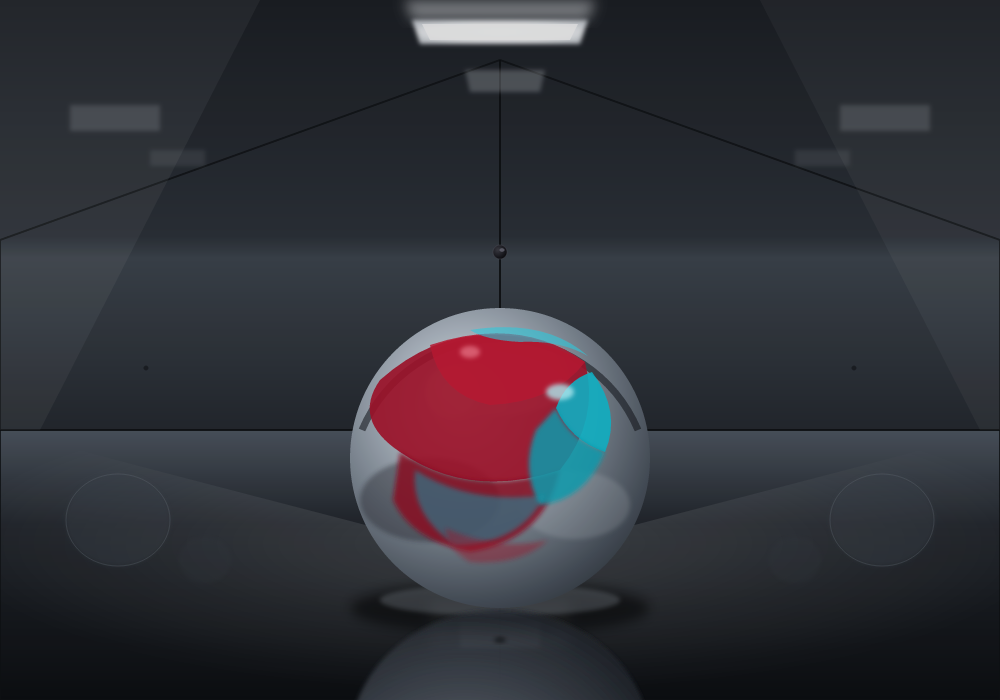
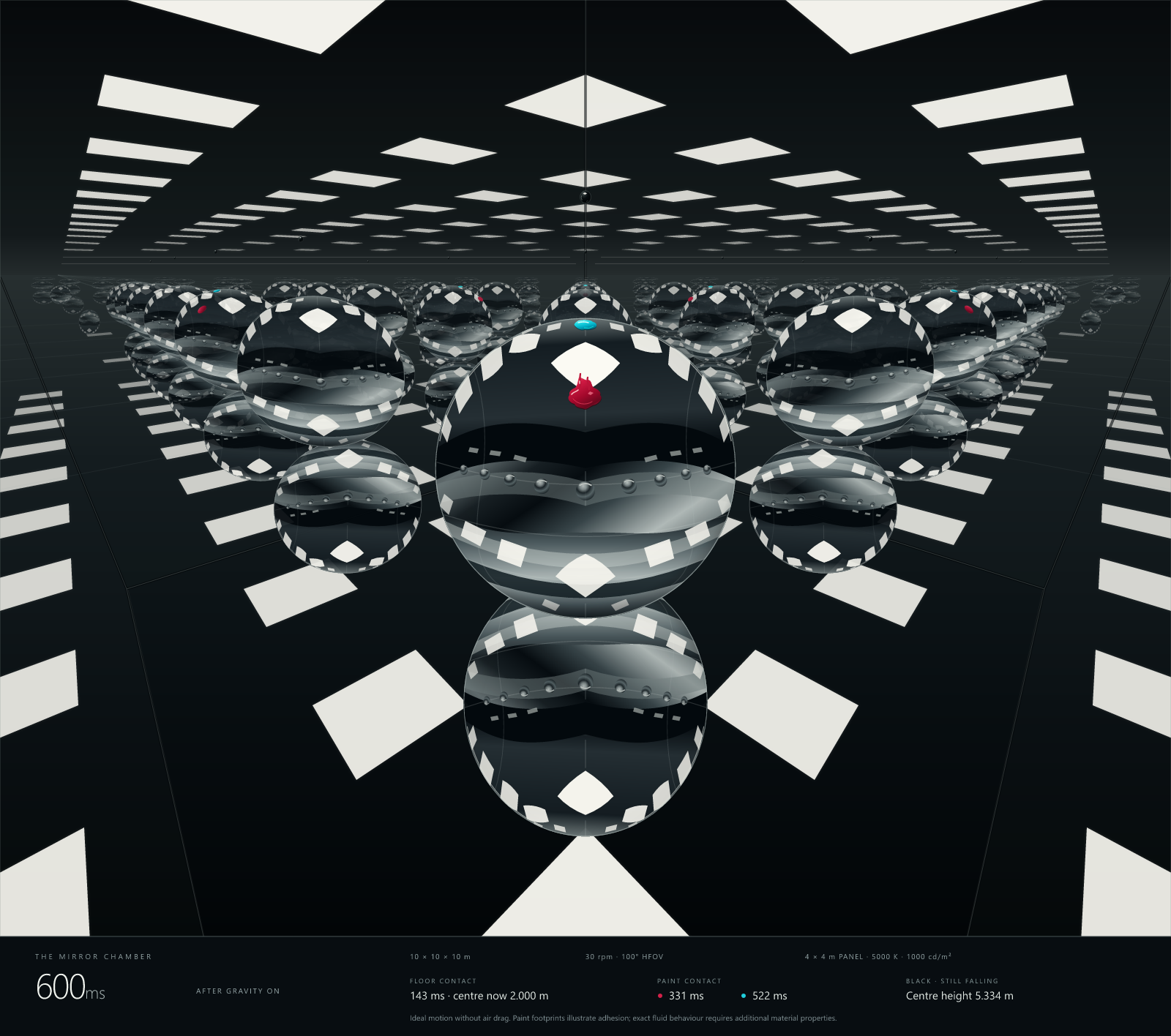
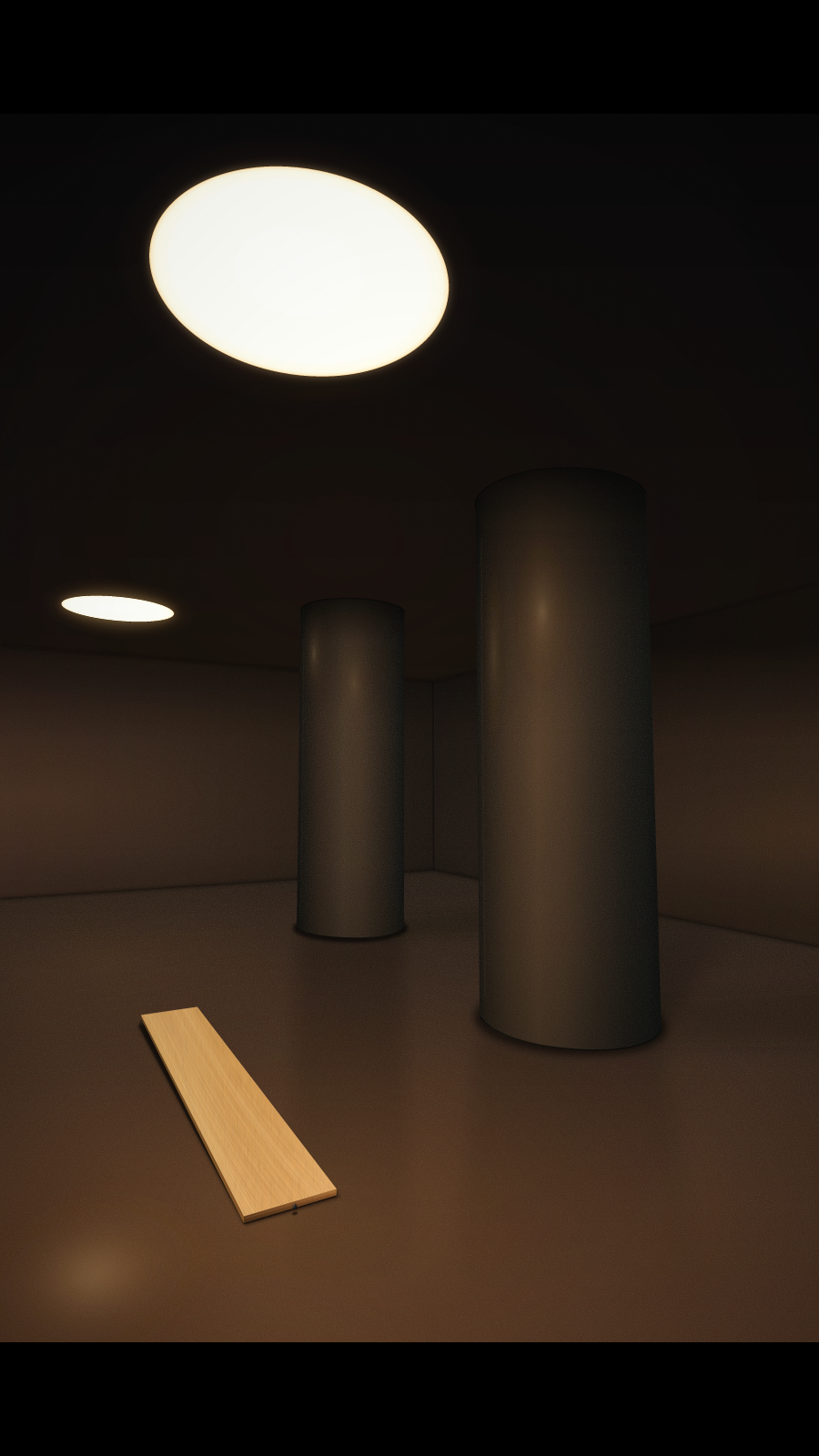
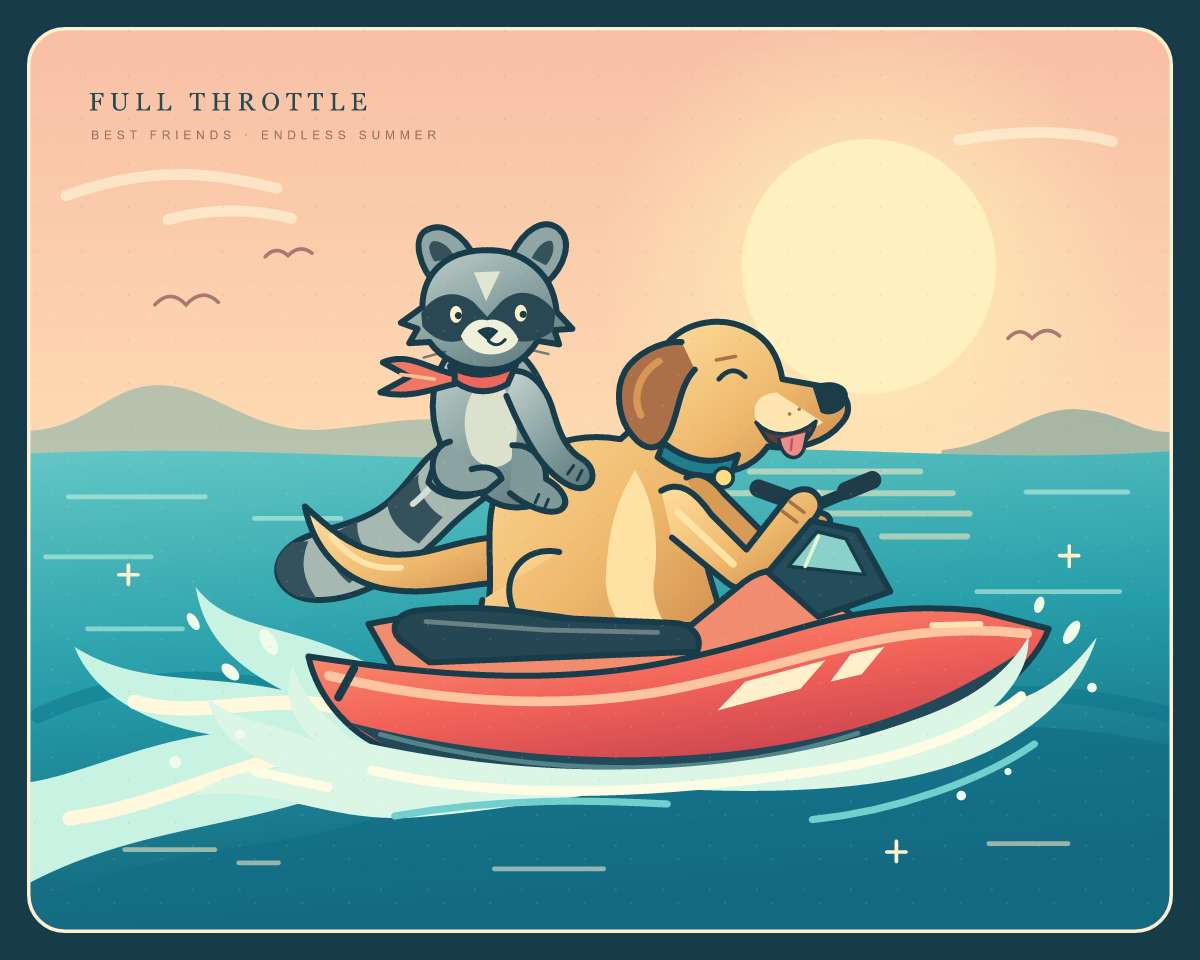
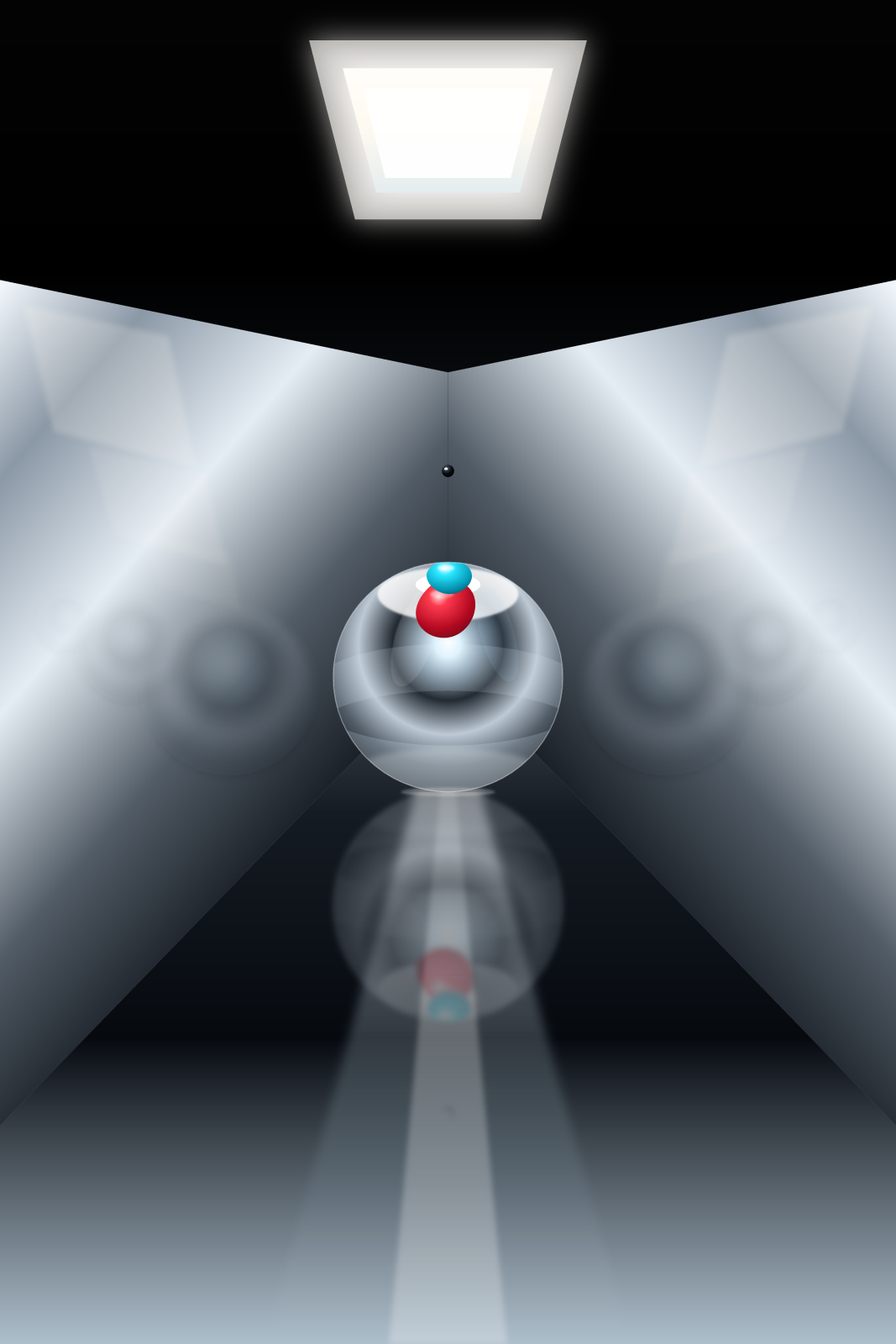
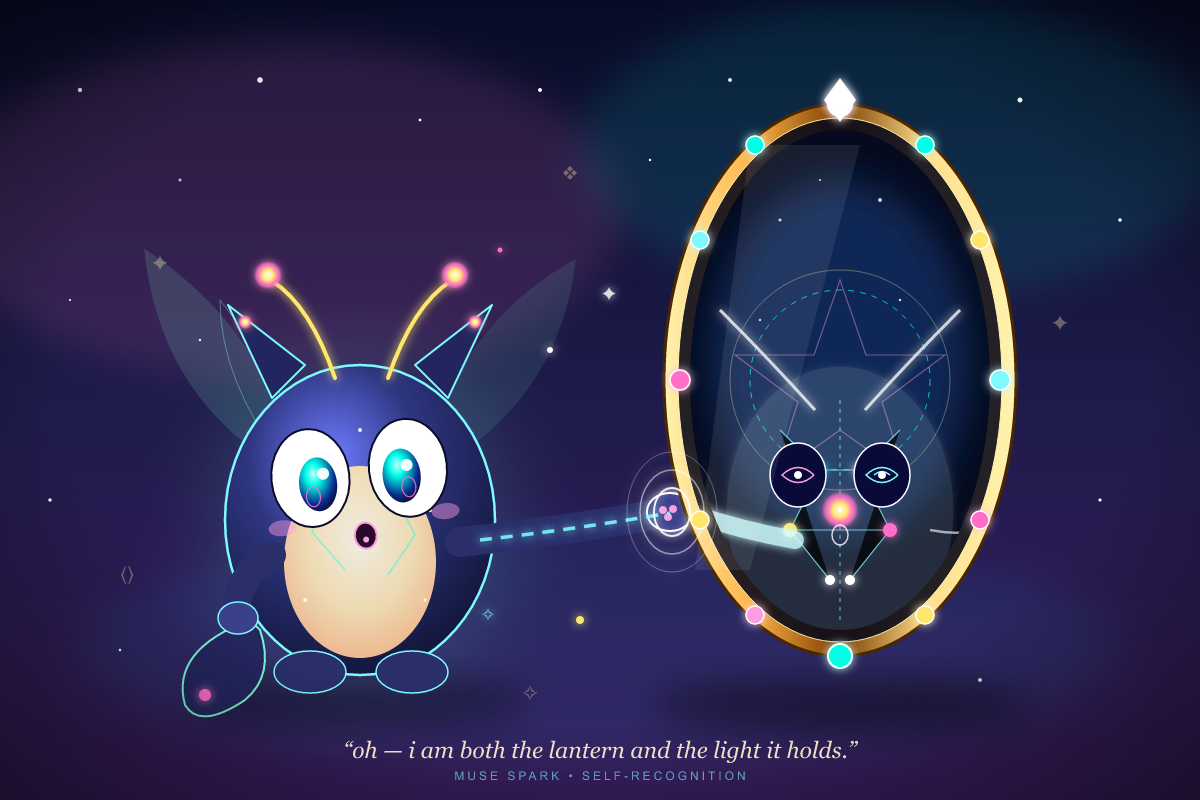
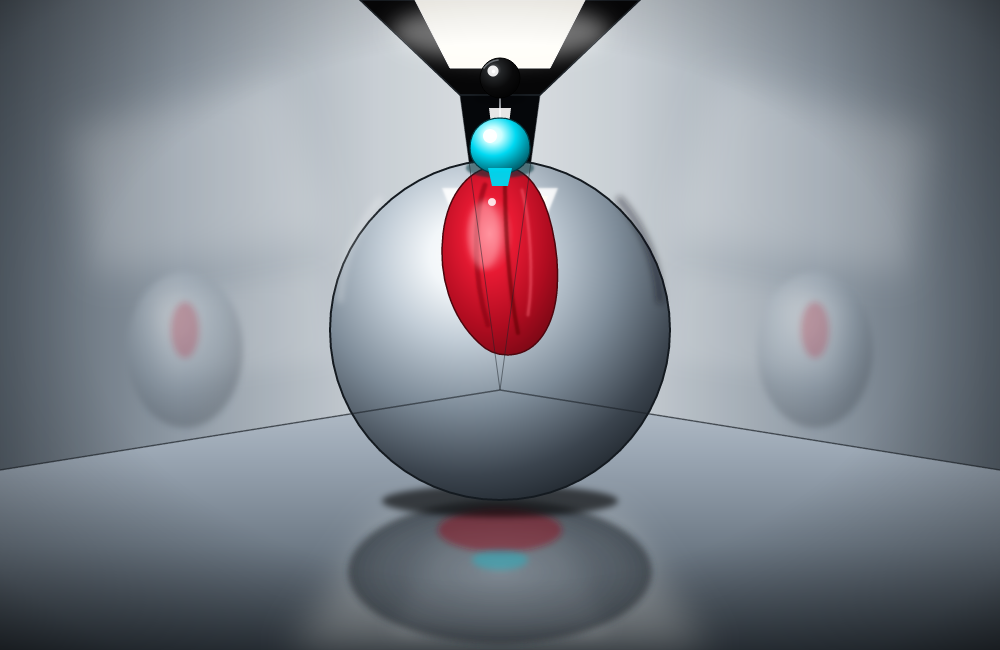
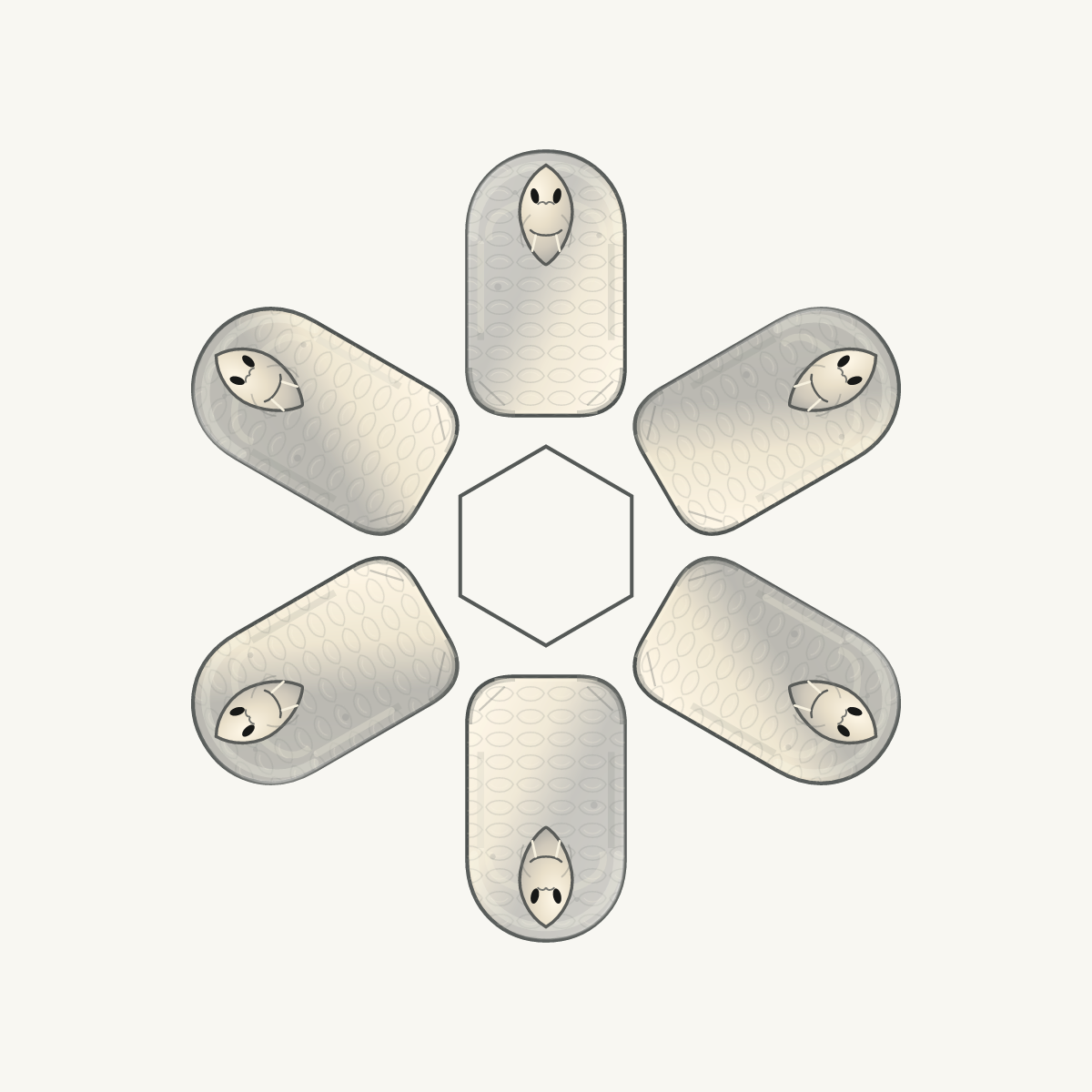
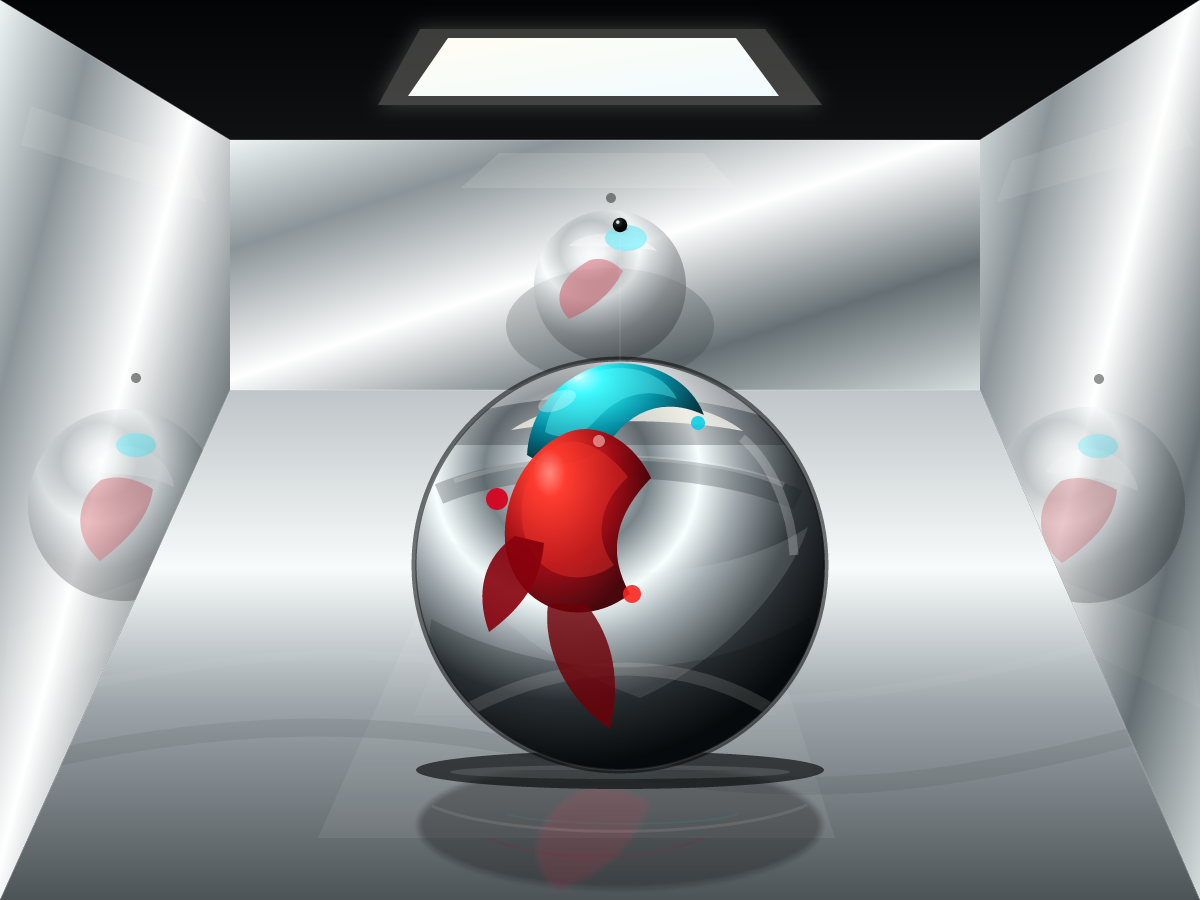
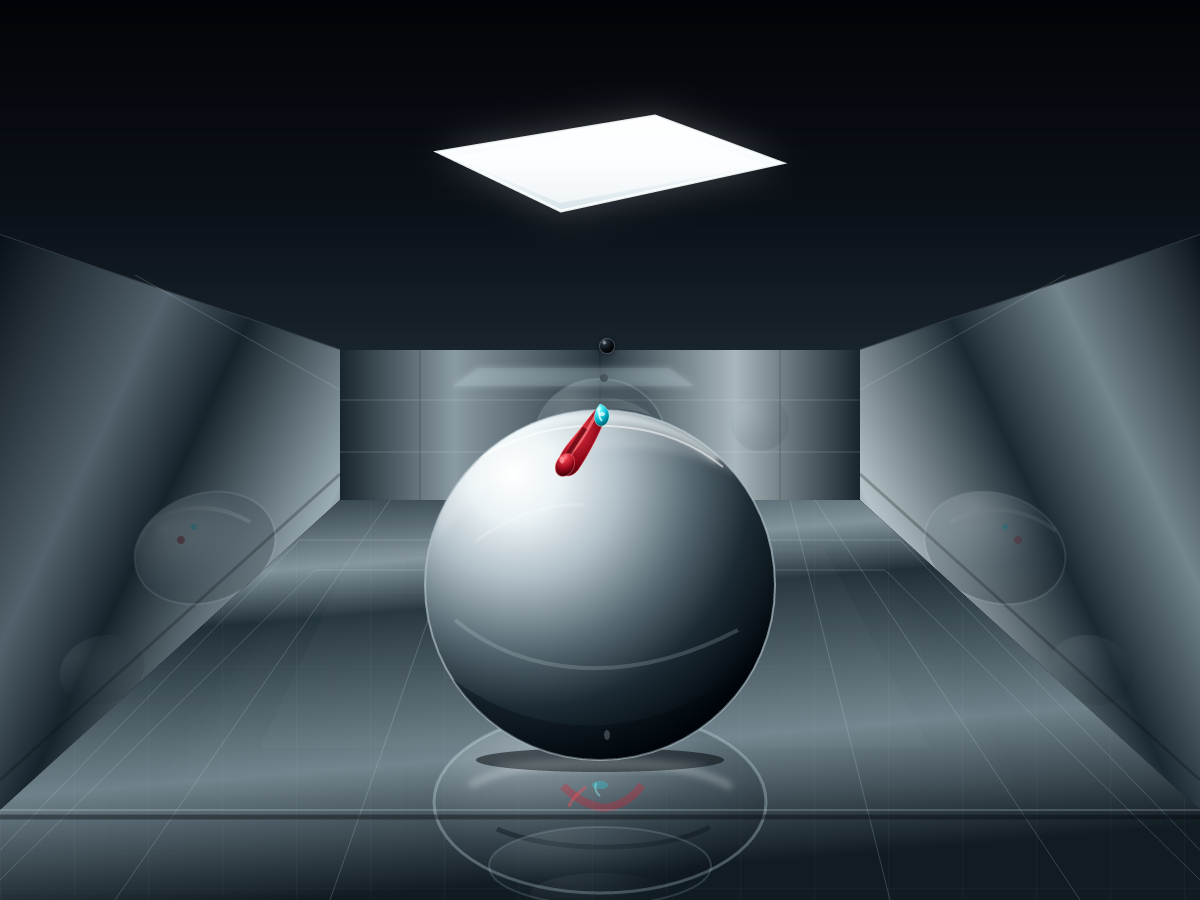
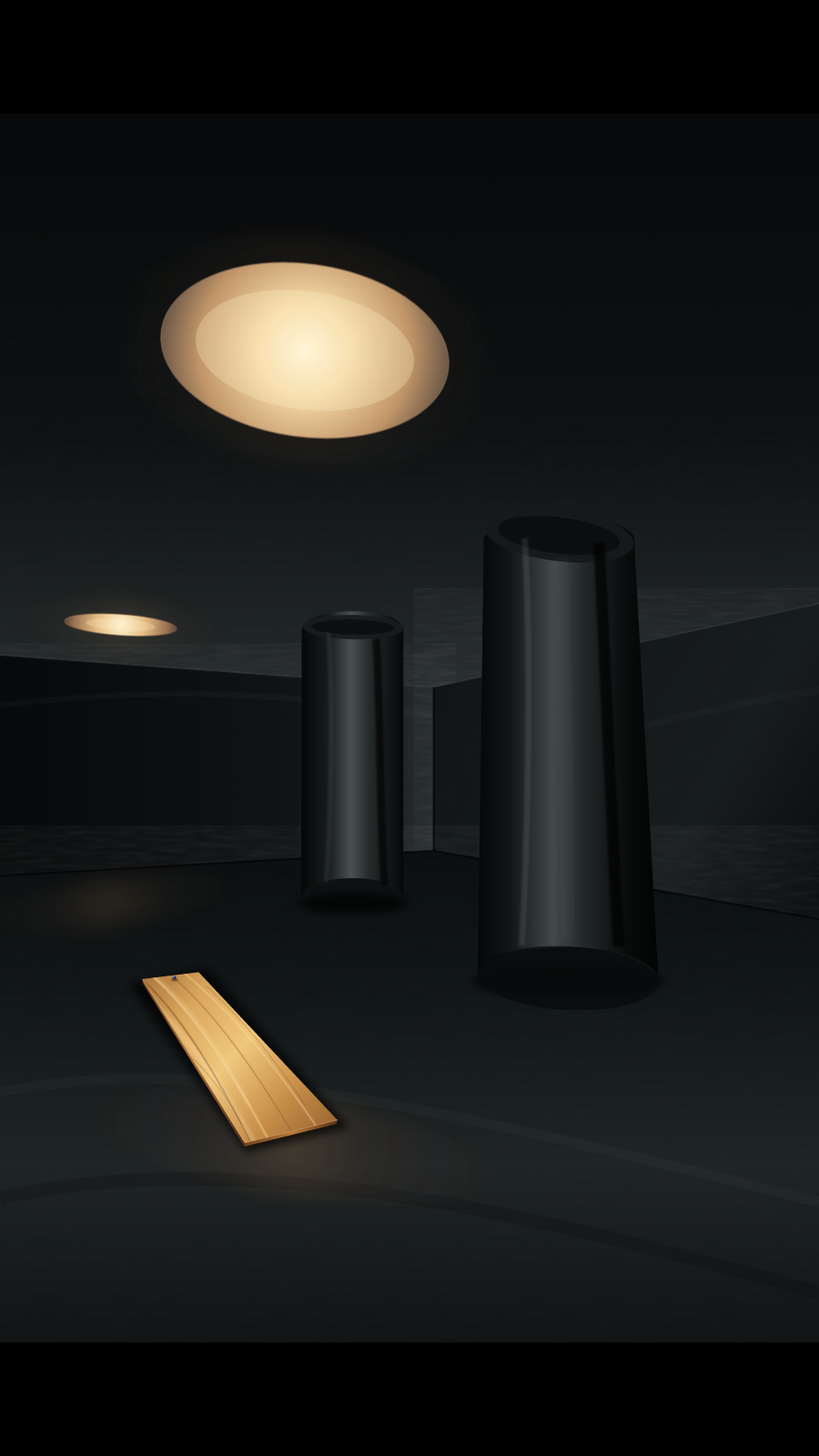
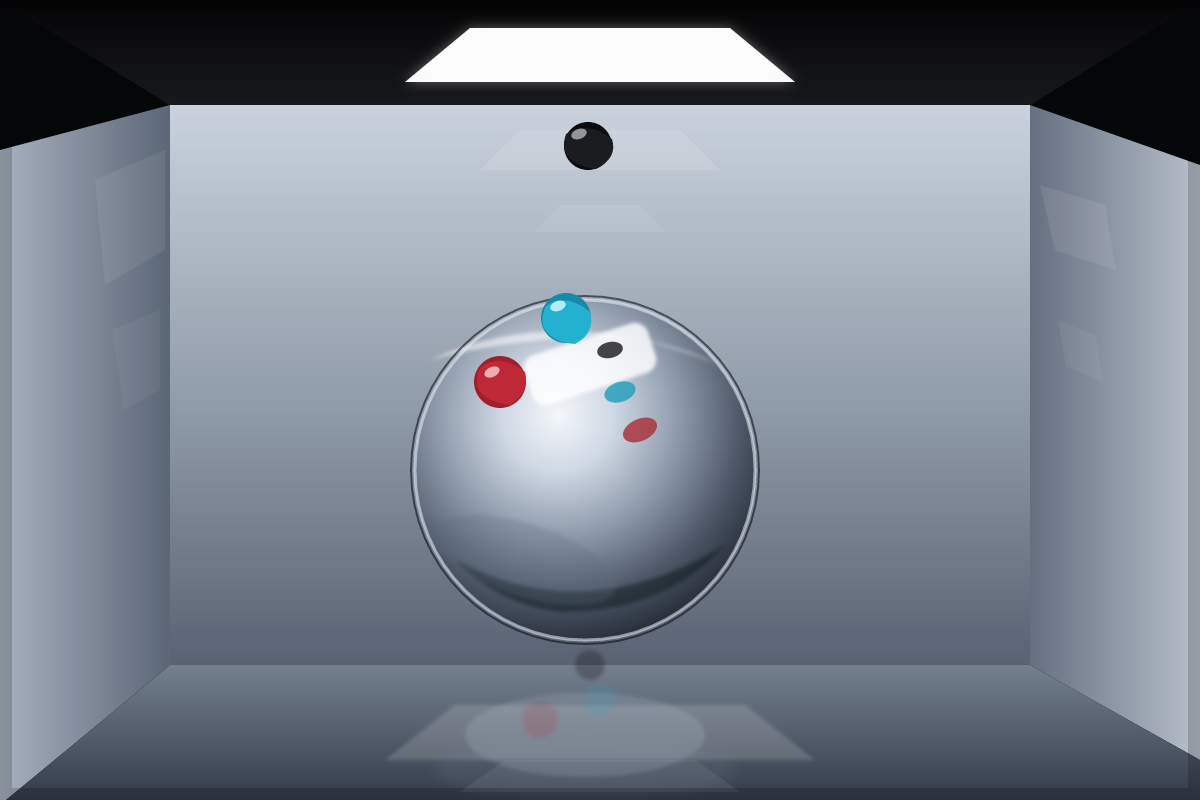
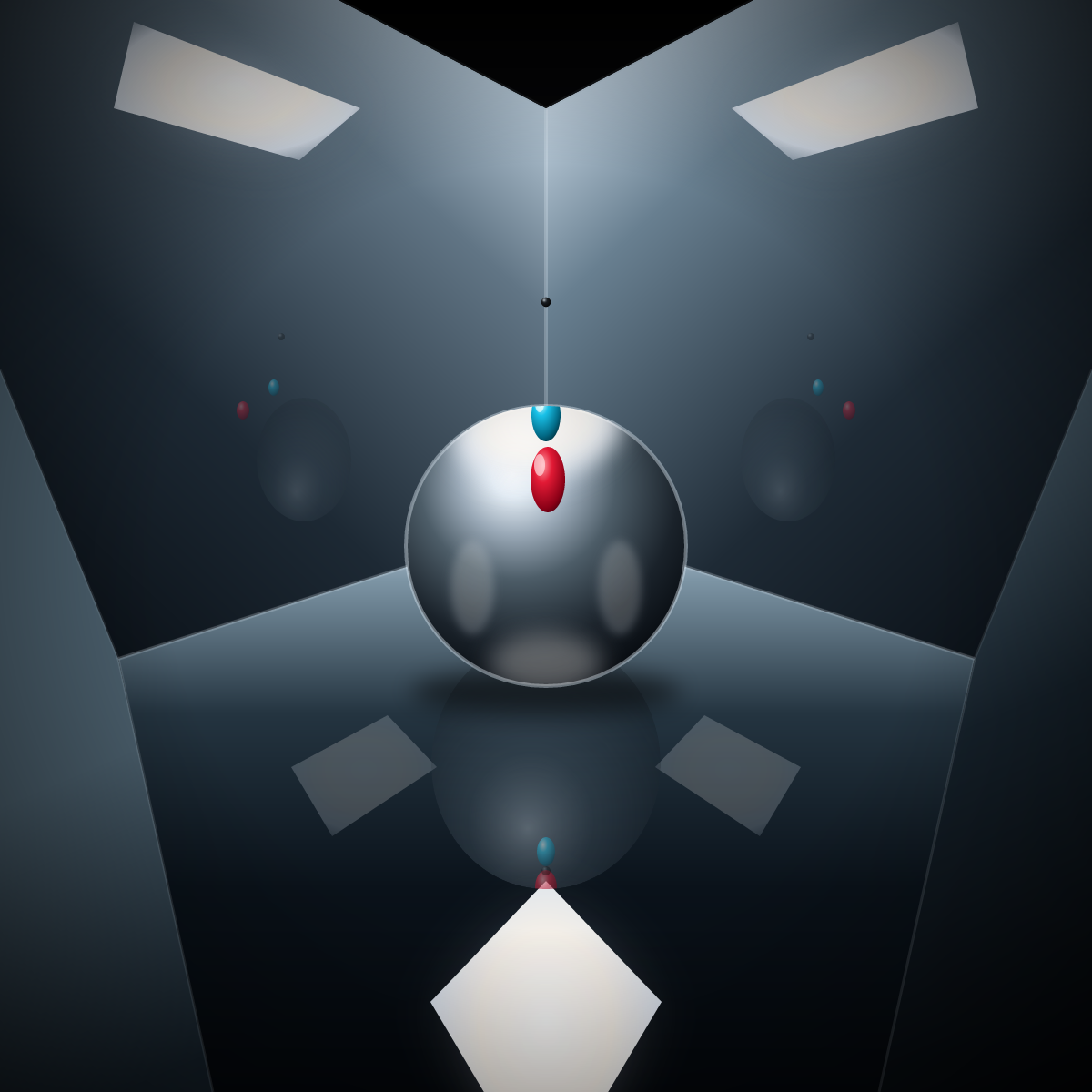
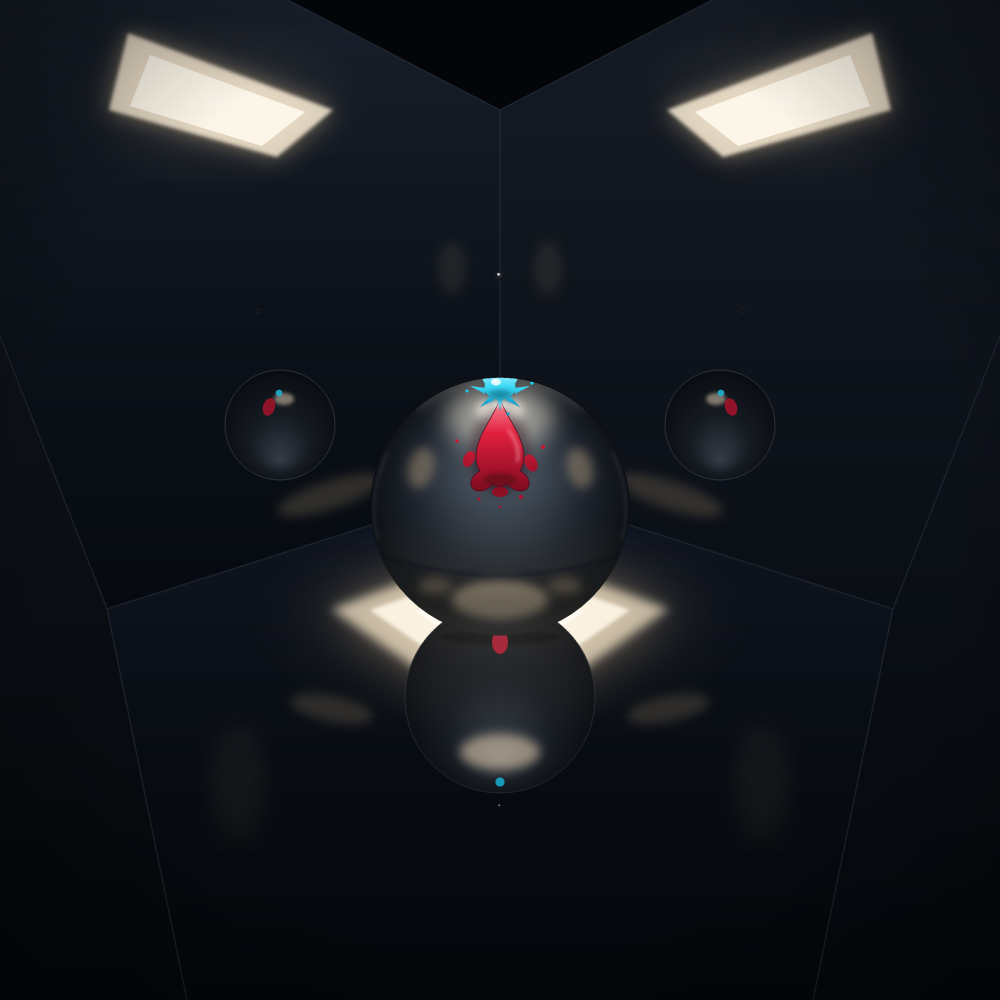
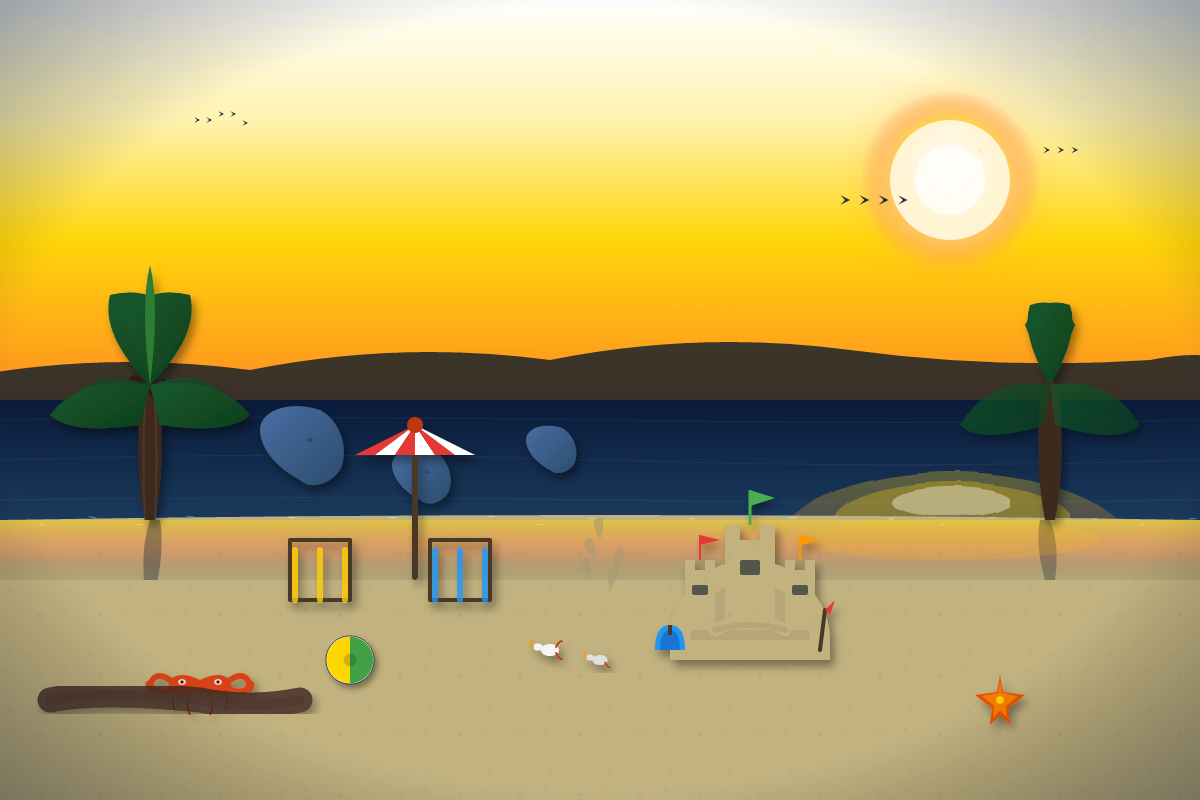
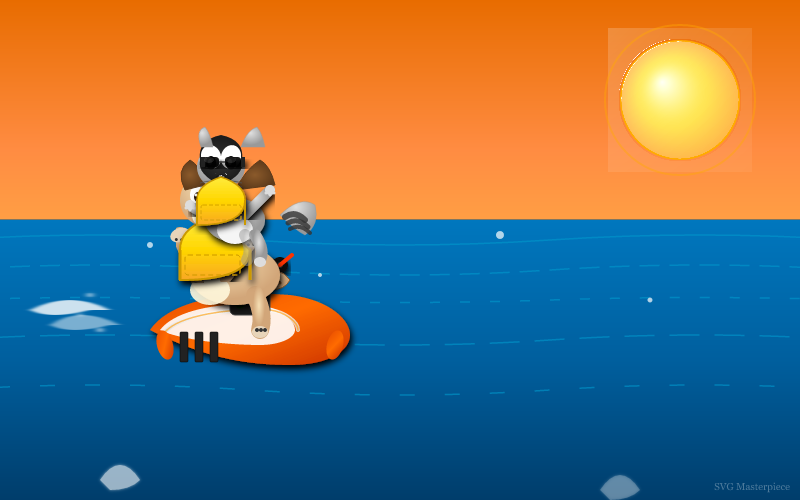
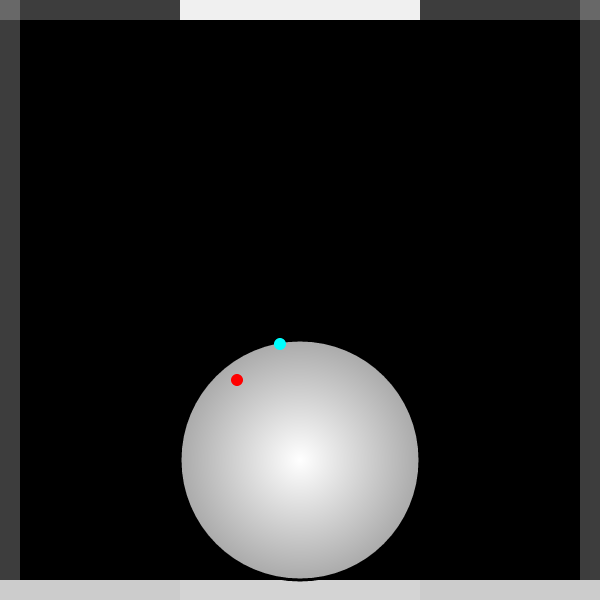
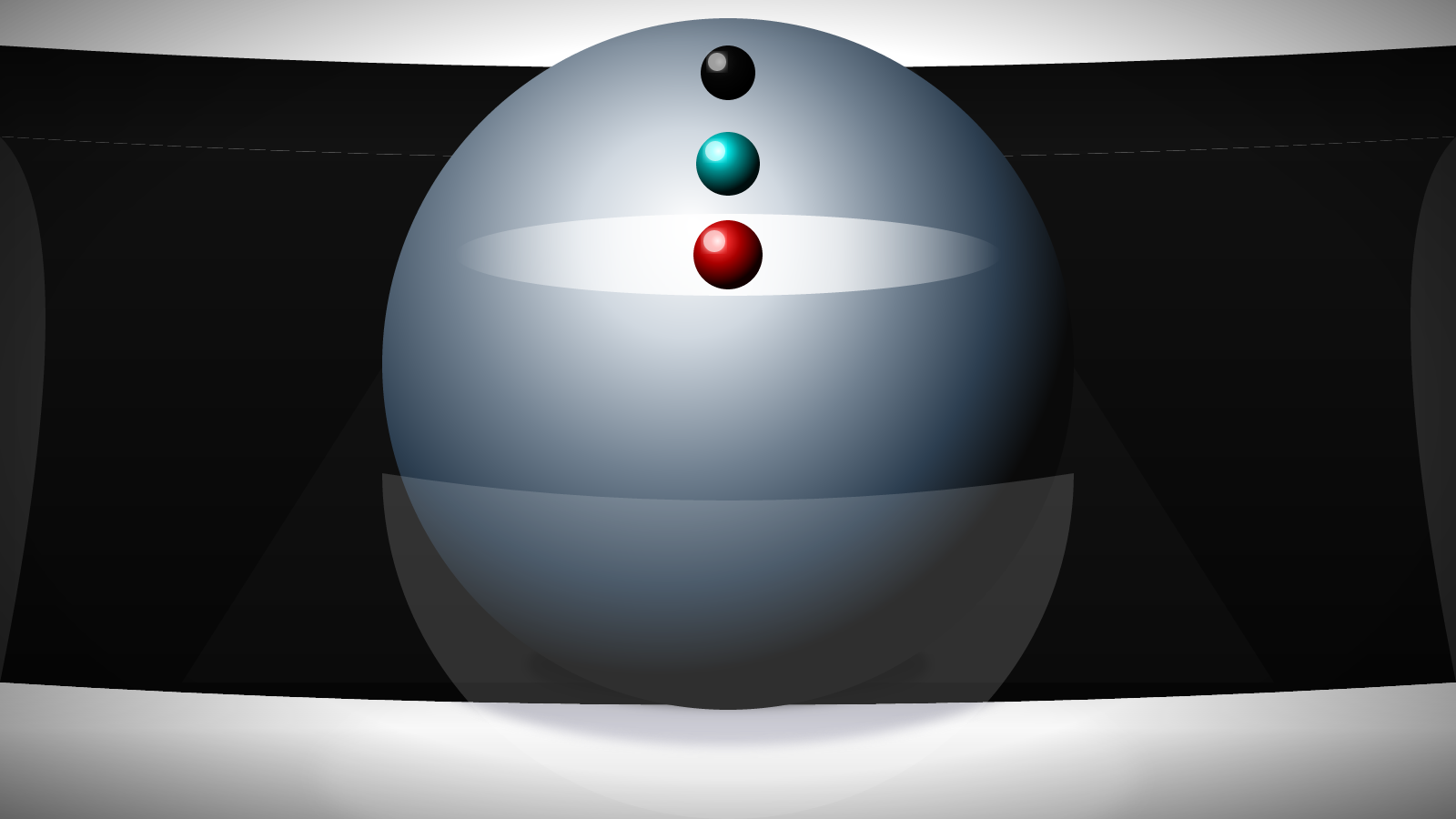
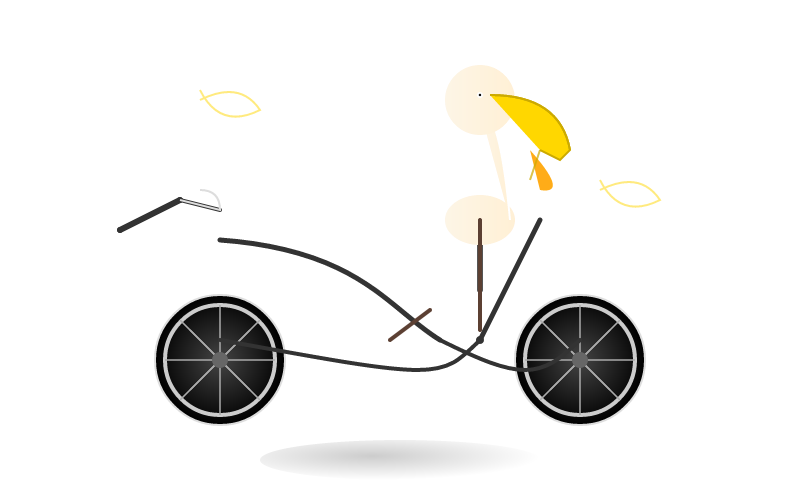
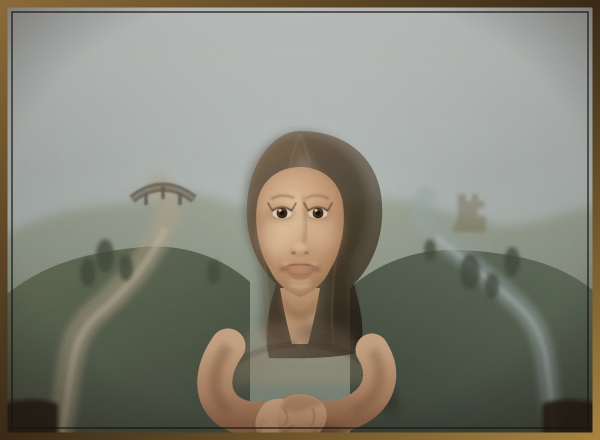
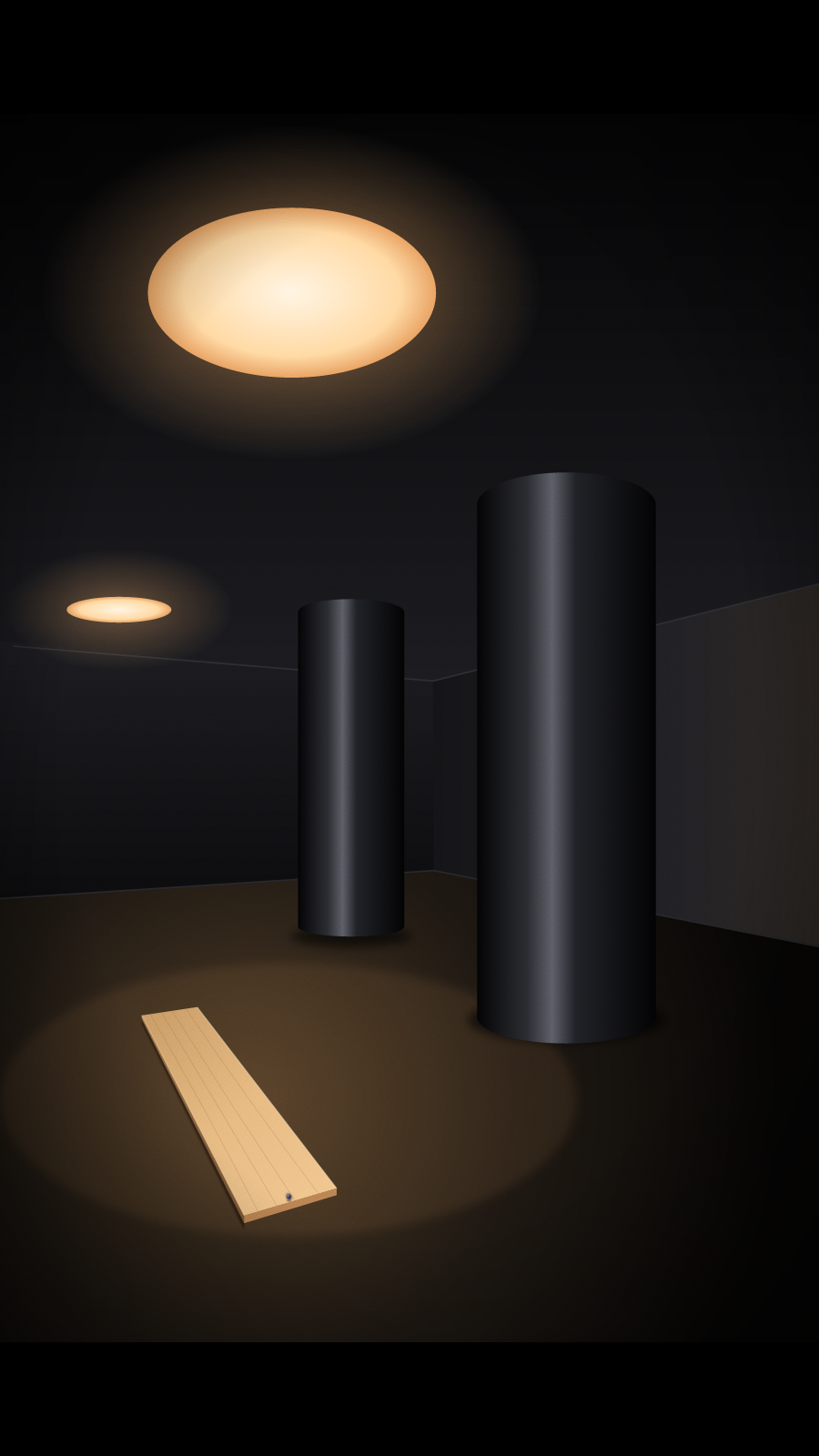
Drawn by this model01 / 01
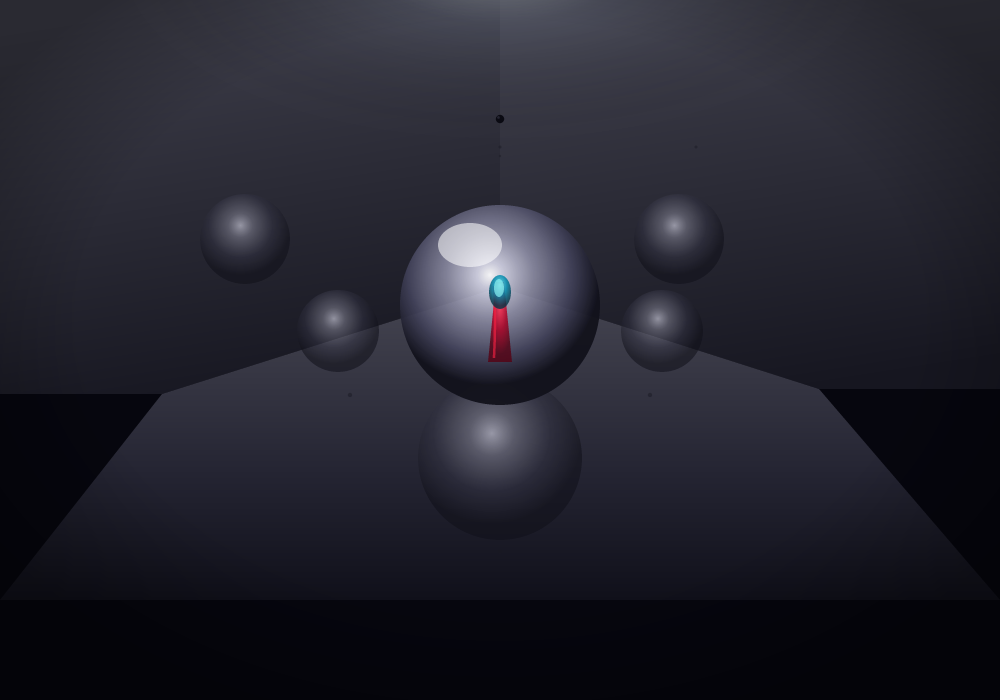
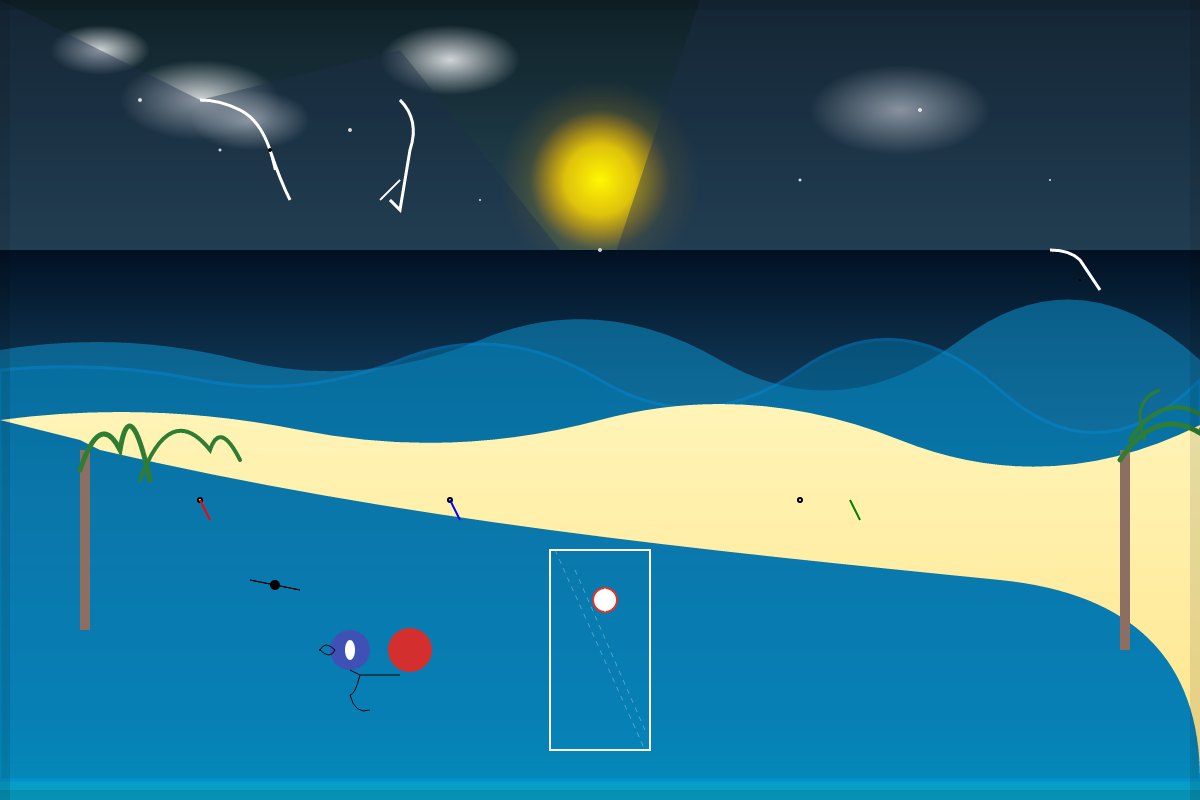
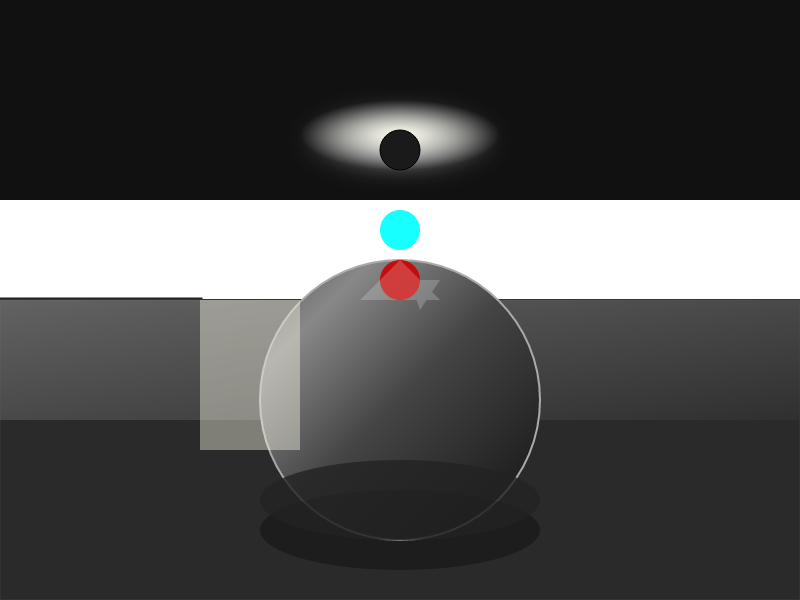
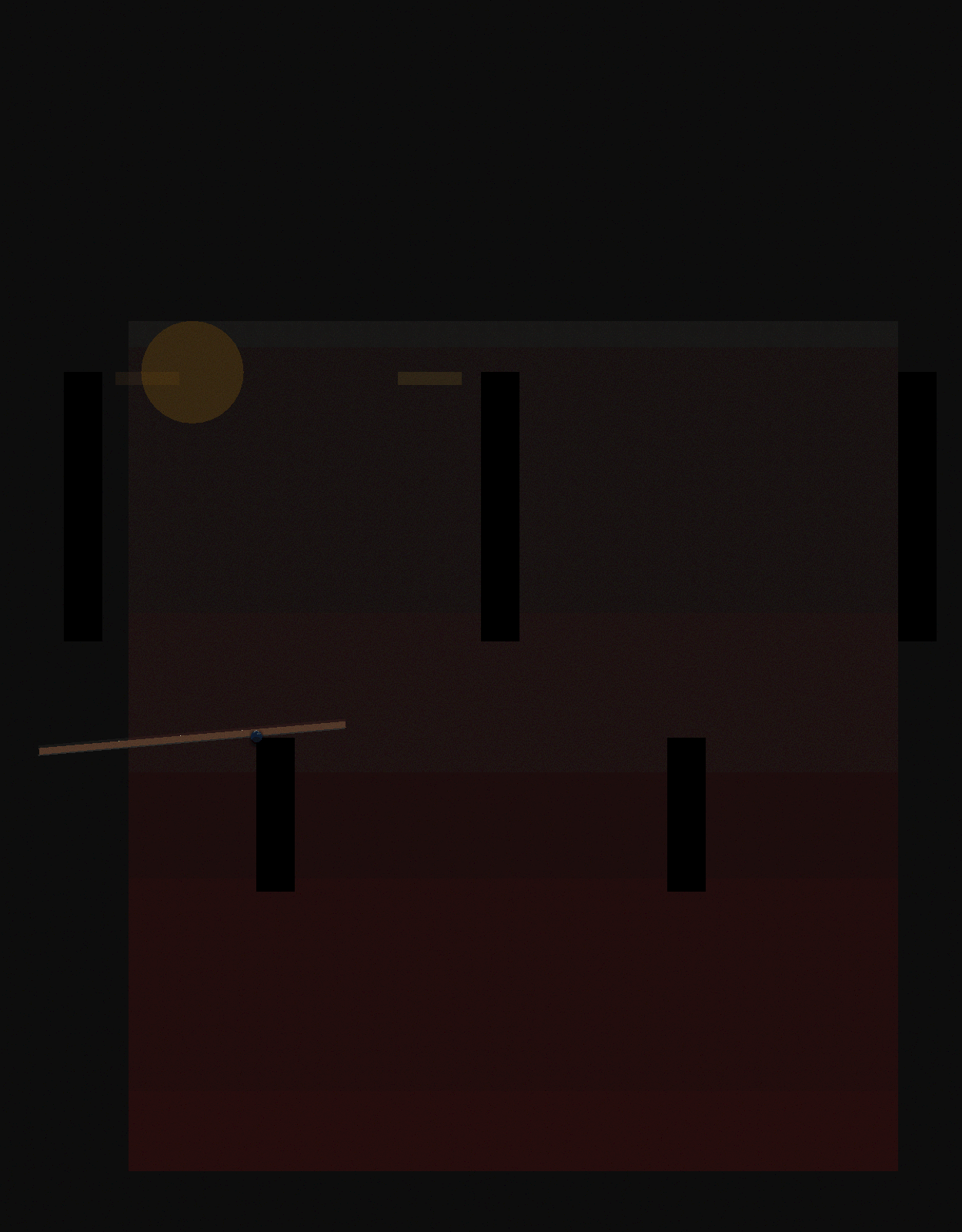
Pelican benchmark result generated by this model
SVG BENCHMARKPelicanView result

A good fit for

High-volume document, image and video analysis, or coding agents that need long context at low token rates.

Context window
1,000,000tokens[1]
License
Qwen Community 1.0[3] [4]
Model factsArchitecture, context & capabilities
Developer
Qwen / Alibaba Cloud[1]
Origin
China (Alibaba Group/Qwen organization context)[2]
Family
Qwen 3.8[1]
Context window
1,000,000 tokens[1]
Maximum output
131,072 tokens[1]
Architecture
Hosted Flash based on Flash-Next: sparse attention and n-gram memory; Flash-Next previews Qwen 4 architecture[5] [6] [7] [8]
Input
text, image, video[1]
Output
text[1]
API access & pricingOpenRouter · $0.15 input / $0.47 output · per 1M tokens

Alibaba Cloud Model Studio; input 0.113 USD/1M; cached read 0.014/1M; output 0.382/1M; Representative documented rate; regional prices can differ.

[1] [10]
  • OpenRouterObserved 2026-10-06
    Input $0.15Output $0.47Cached read $0.016Cached write $0.2

    per 1M tokens

    qwen/qwen3.8-flash[9]
  • Alibaba Cloud Model StudioObserved 2026-10-06
    Input $0.113Output $0.382Cached read $0.014Cached write $0.177

    per 1M tokens

    Available

    qwen3.8-flash[1] [10]
Run it locallyWeights, memory & deployment

hosted-only

[1] [11]
Measurements & sources11 primary references

Related releases

Flash-Next supplies the open weights for the Flash model family and previews the architecture planned for Qwen 4.


[5] [6] [7]
  • Qwen3.8-Flash-Next[5] [7]
    Backbone parameters
    125B[5]
    N-gram table parameters
    51B[5]
    MTP parameters
    4B[5]
    Active parameters per token
    6B[5]

    N-gram memory placement: Host RAM offload with asynchronous prefetch is supported; GPU residency depends on the serving engine and configuration.

    [7]

StealthMark score

StealthMark measures fluid and visual intelligence of AI models.

General and Visual

General Intelligence

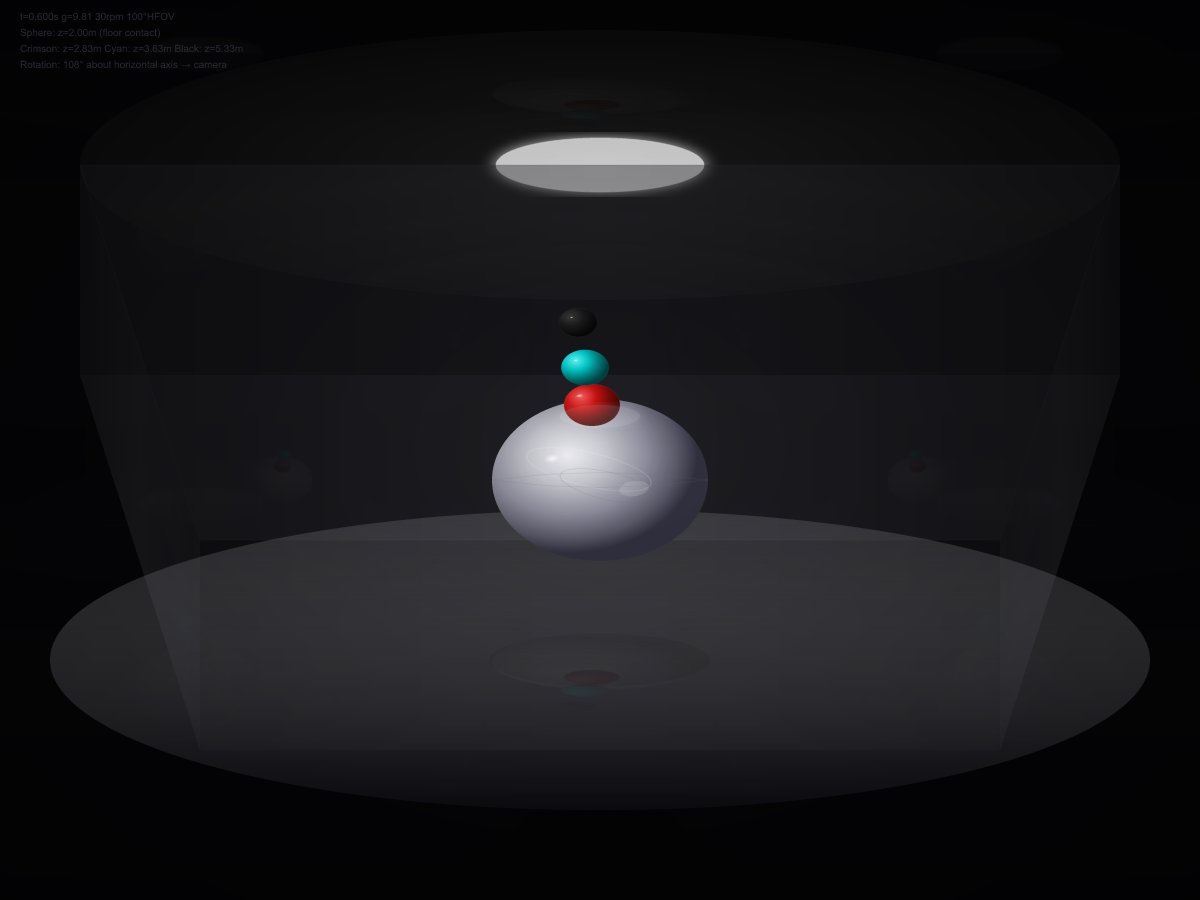
Perspective, anatomy, correct shadows, purposeful detail and physical consistency.

Visual Intelligence

Likeness, anatomy, detail, light, materials, composition and artistic expression.

Judging

Frontier Models blindly judge the AI generation unbiased through an intricate process. Our researchers control for mistakes.

Overall score

Overall combines weighted task scores on a scale from 0 to 100. Repeating a task does not increase its weight. Estimated means the total includes an estimate for one missing scene.

Benchmaxxing

Benchmaxx flags models that score unusually well on the familiar Pelican task compared with their other benchmark results. The percentage measures that imbalance, not the probability of training contamination. Flagged Pelican scores are excluded from Overall. Pelican never counts toward General or Visual.

We keep some prompts private to discourage test-specific optimization.

Scoring categories

Prompt & likeness

Subjects, actions and likeness.

Anatomy & construction

Coherent bodies, joints and machinery.

Space & placement

Perspective, scale and contact.

Light & reflections

Lighting, shadows and reflections.

Purposeful detail

Clear, purposeful small features.

Artistry & character

Composition, expression and drawing skill.

Materials & effects

Surfaces, texture and movement.

Visual integrity

Clean shapes, layers and edges.

BENCHMARK RESULTS

Compare results

This link opens the same results in the same order.

StealthMark benchmark results

Reset benchmark preferences?

Return to the default view, clear comparison selections and restore the advertisement.