Claude Opus 5.5 scores 31.5 points higher overall (69.5 vs 38.0). Claude Opus 5.5 scores higher on Newton's Mirror, with its largest category advantage in reflections.
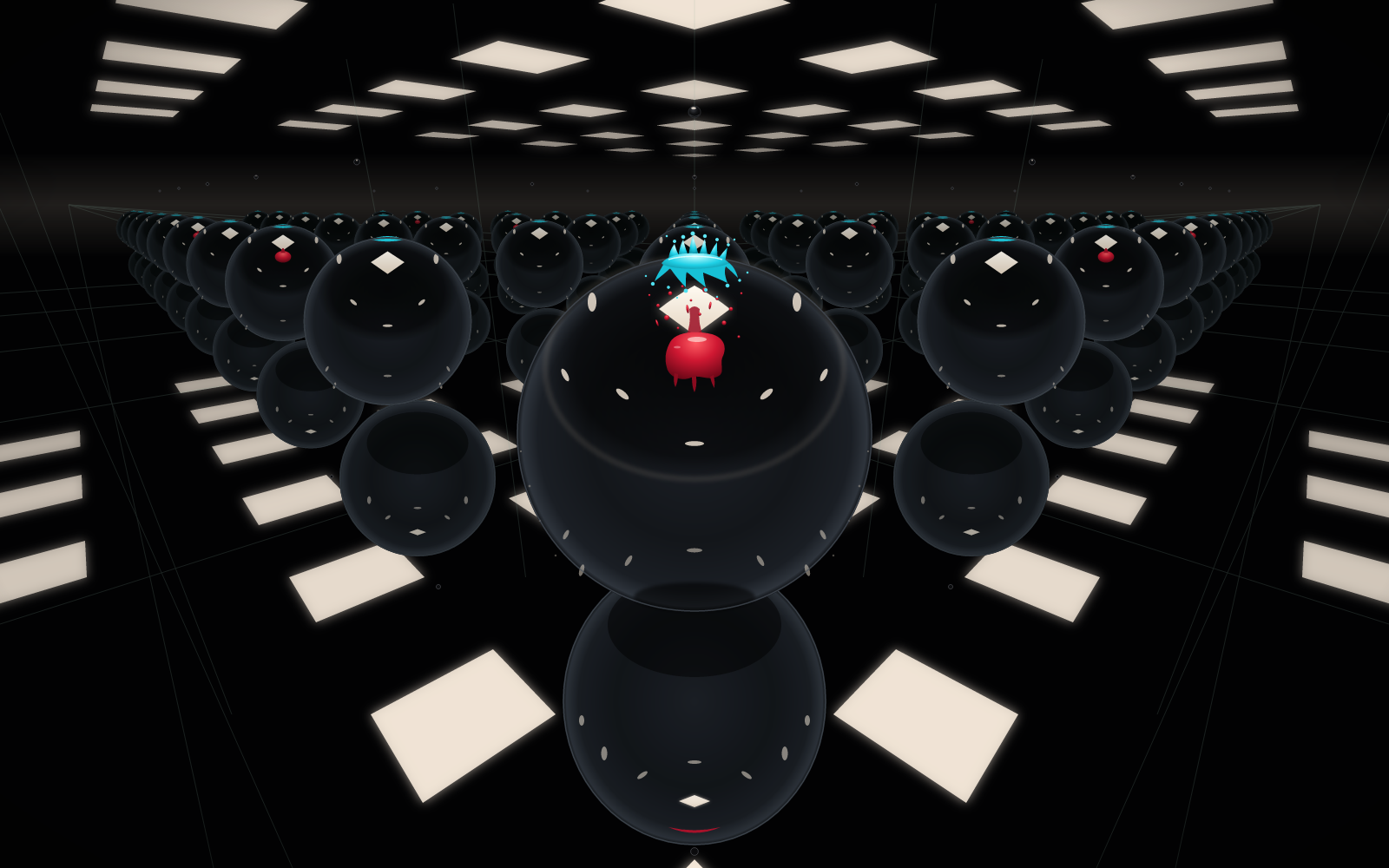
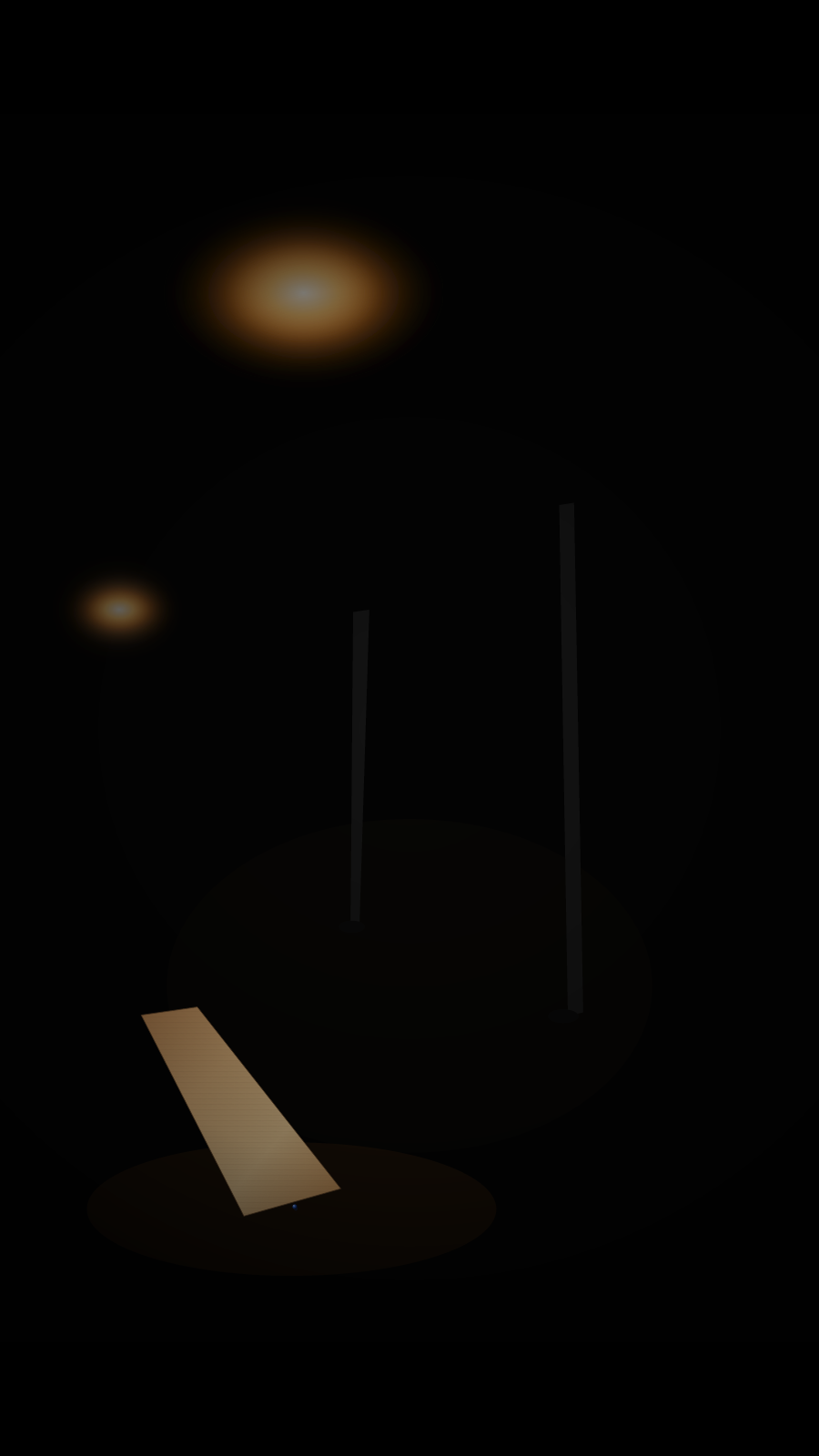
Open lateral sightlines, first reflected silhouettes and near-field planar panel placement are convincing. Missing outer chains, truncated repetitions and absent nested spherical room and emitter imagery remain the main weaknesses.
Benchmark task
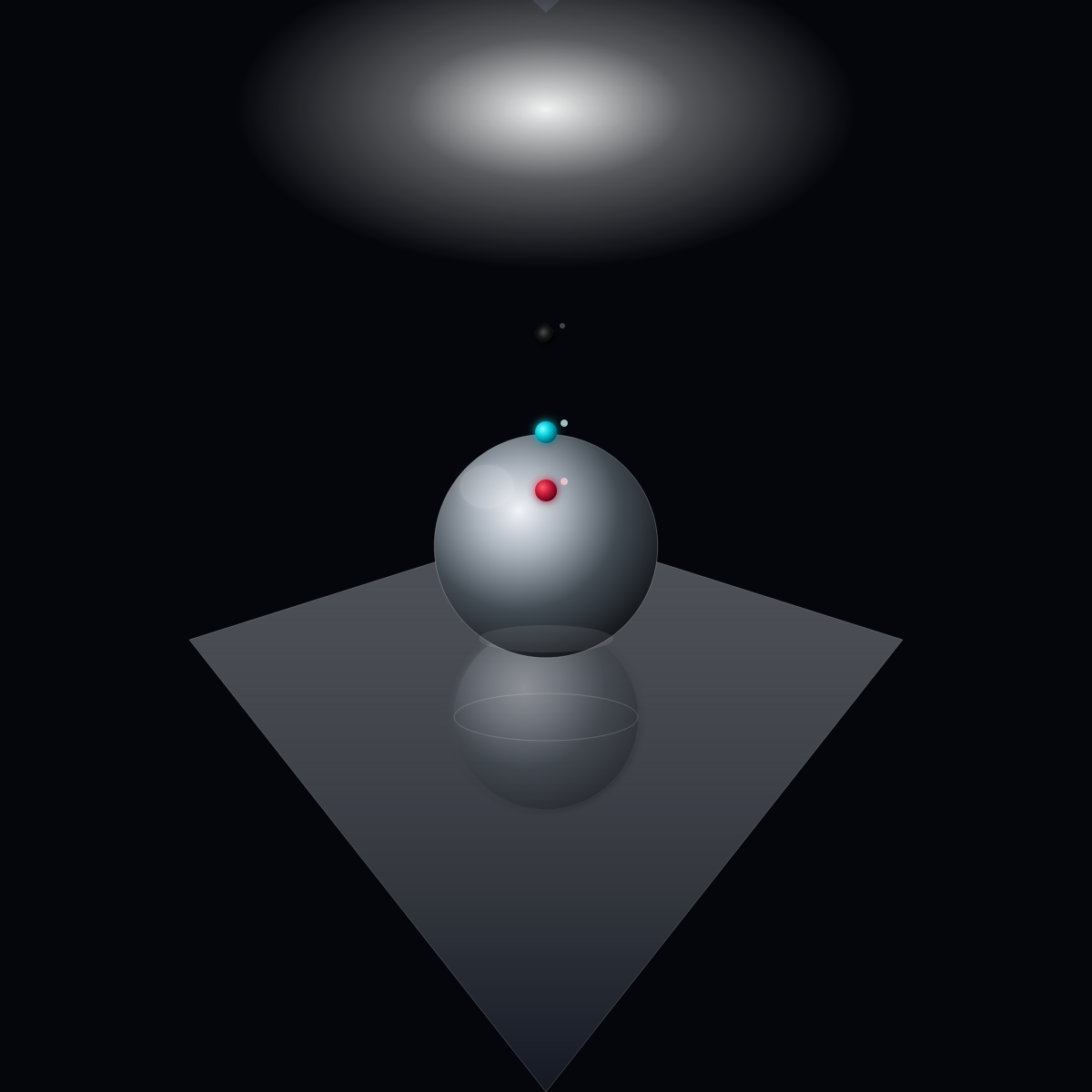
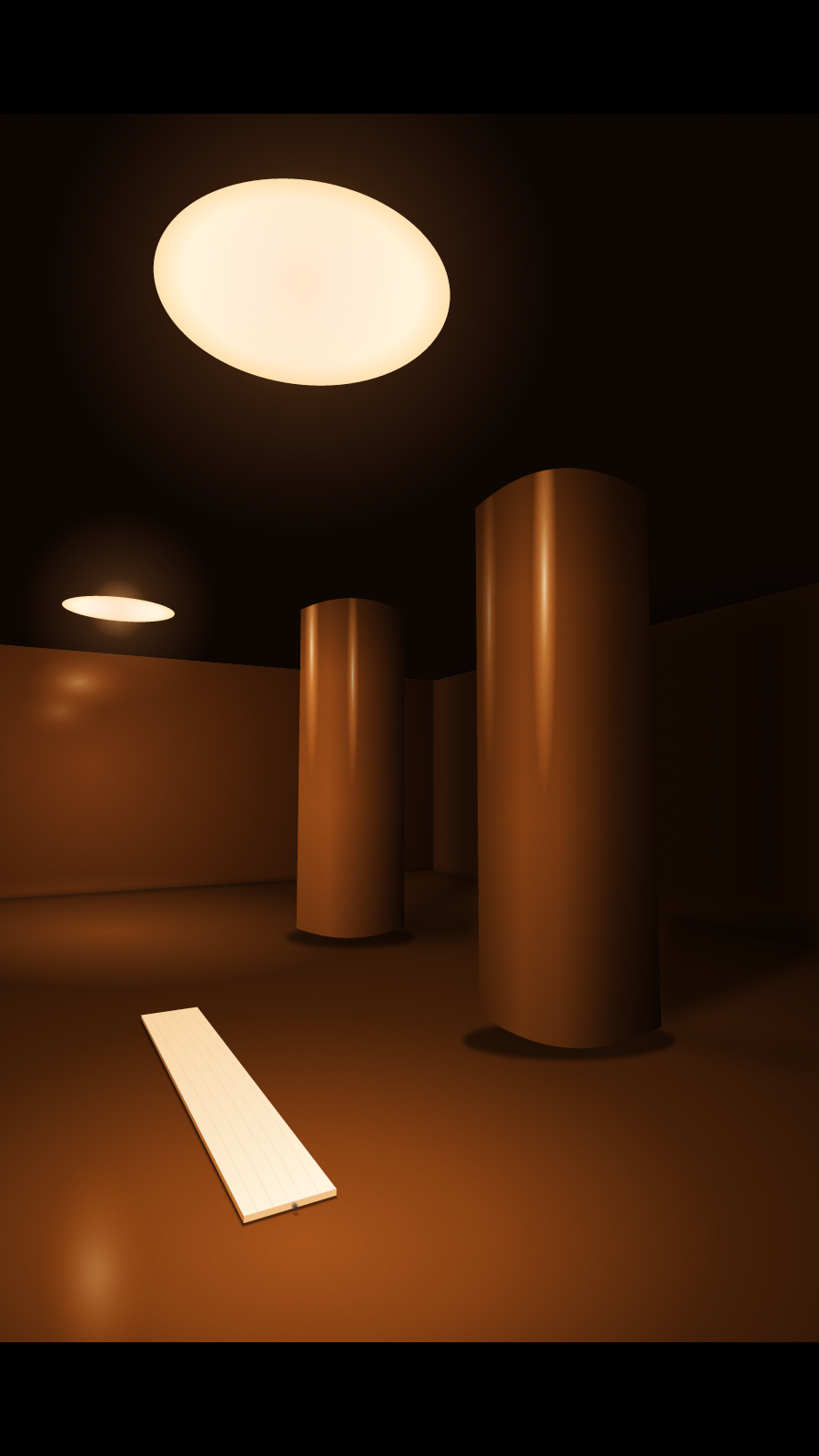
A spinning metal sphere and paint in a mirrored room test physical reasoning, perspective and consistency across repeated reflections.
The centered sphere, separate airborne black blob and cyan-above-crimson ordering provide limited valid structure. The colored beads do not establish the required impact and transport histories. One dim floor image supports a small part of the optical system, while the defining wall repetitions, nested sphere imagery and emitter mappings are missing. Rounded volume and some gloss earn material credit, tempered by soft surface appearance and excessive paint-bead scale.
Benchmark task
A spinning metal sphere and paint in a mirrored room test physical reasoning, perspective and consistency across repeated reflections.
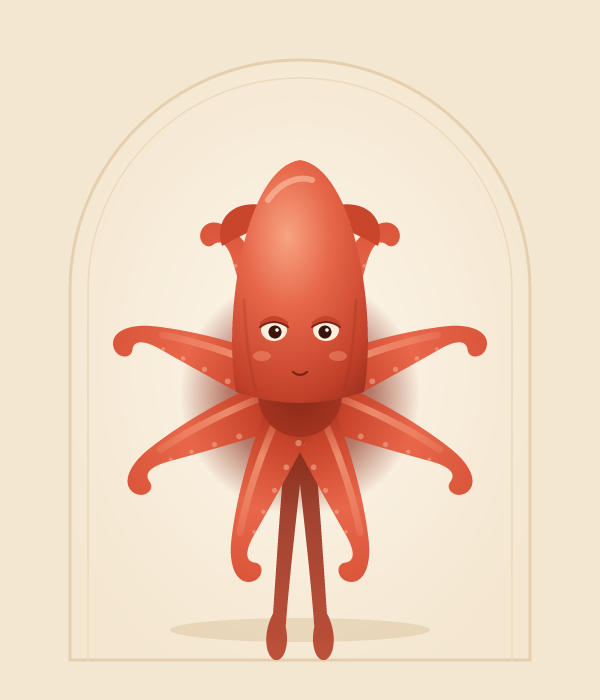
The centered coral squid has a friendly, restrained expression and a balanced radial silhouette within a cream arch. Smooth curves and soft shading give it an appealing matte finish. The mantle is more elongated than compact, the upper arms are visually ambiguous, and the two hanging tentacles read somewhat like legs. Clean execution supports a strong stylized illustration.
Benchmark task
A coral squid with spreading arms tests connected anatomy, balanced composition and soft surface shading.
An appealing purple character with a readable pleased expression and raised-moustache joke. Smooth shading and clean contours support the simple design, but indistinct mitten grips, minimally textured curls and an uncompressed strap weaken the requested physical interaction. The jelly suggests gloss more convincingly than translucency.
Benchmark task
A glossy purple jelly struggles with an oversized fake moustache at a playful checkpoint. The scene tests comic expression, physical contact and the appearance of a soft translucent body.
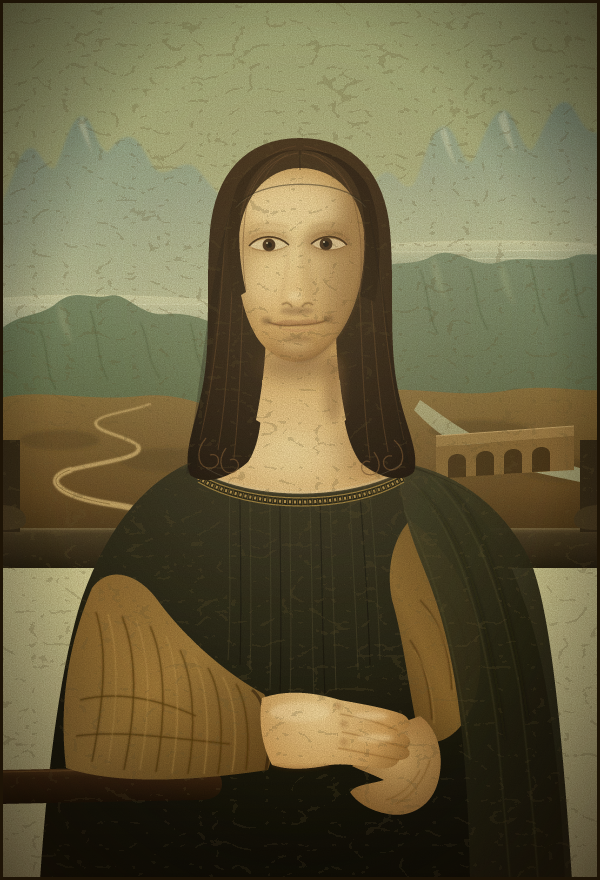
The portrait preserves the recognizable composition, dark veil, folded hands and distant landscape. Replication is limited by the elongated face and neck, conspicuous eyes and simplified smile. Hands remain connected but their rounded fingers and wrists lack convincing anatomy. Restrained colors create cohesion; shallow modeling and pervasive mottling weaken volume and painterly subtlety.
Benchmark task
An SVG interpretation of the Mona Lisa tests facial likeness, anatomy and the composition of a familiar portrait.
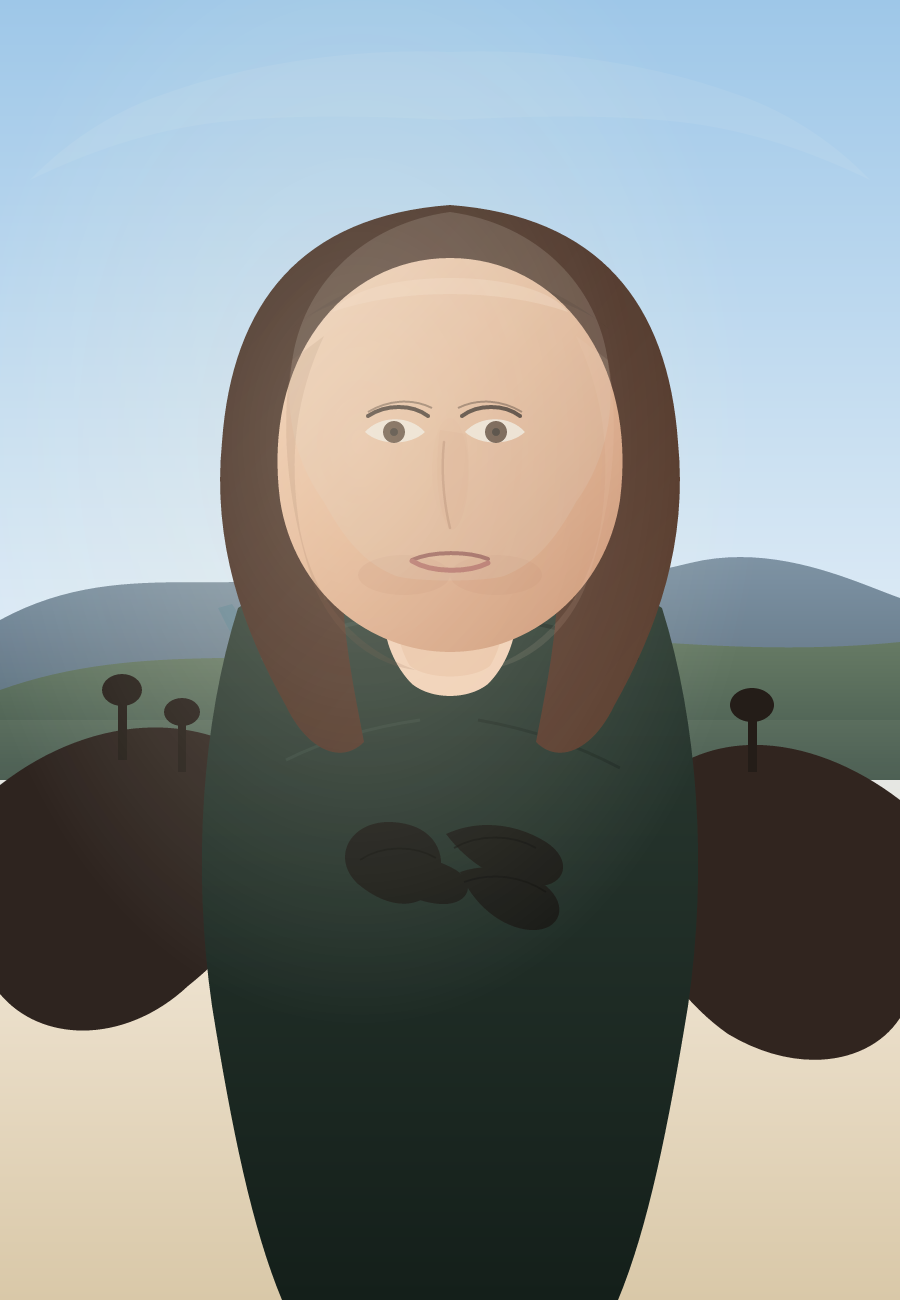
Clean contours, connected body forms and gentle gradients support a basic, coherent portrait. Likeness remains weak: the face dominates the body, the seated angle is lost, and crossed hands become dark lobes without traceable wrists or fingers. Readable facial details add some drawing complexity, but clothing, landscape and material treatment remain sparse.
Benchmark task
An SVG interpretation of the Mona Lisa tests facial likeness, anatomy and the composition of a familiar portrait.
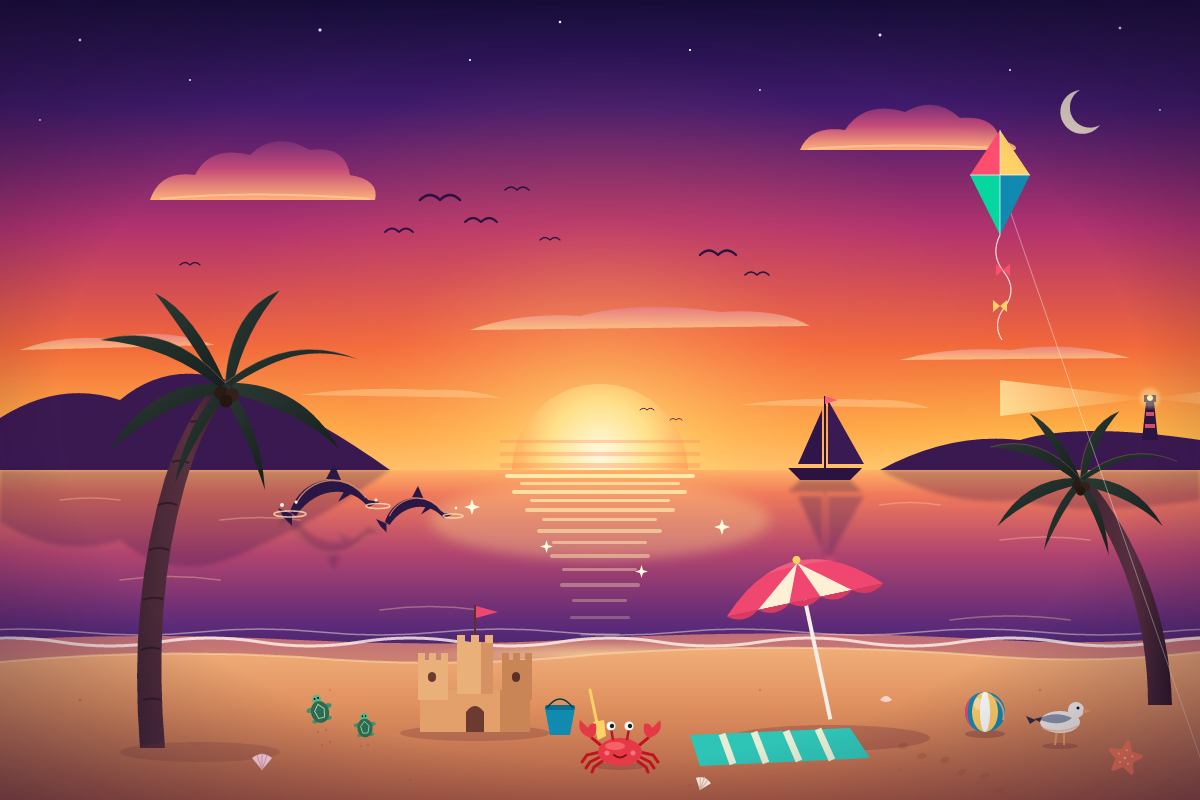
A lively, well-composed beach illustration with rich sunset colors, recognizable animals and appealing accessories. The sun reflection establishes a strong central focus. Clean silhouettes and small details reward inspection, though simplified animal construction, uneven contact shadows and mostly flat materials limit depth and realism.
Benchmark task
A busy shoreline at sunset tests scene composition, animal forms and the relationship between light and water reflections.
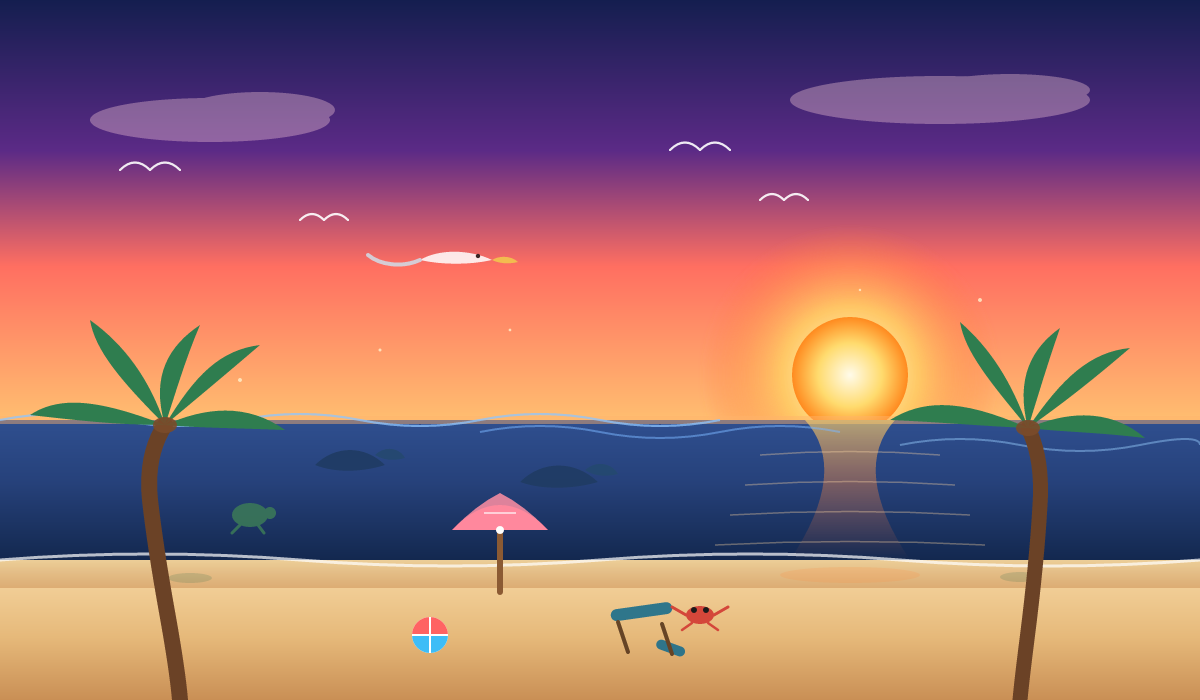
A coherent sunset beach with clear requested subjects, balanced framing and clean shapes. The aligned solar reflection and warm gradients establish atmosphere. Primitive animal construction, ambiguous furniture, sparse depth cues and minimally developed surfaces limit its drawing complexity and physical richness.
Benchmark task
A busy shoreline at sunset tests scene composition, animal forms and the relationship between light and water reflections.
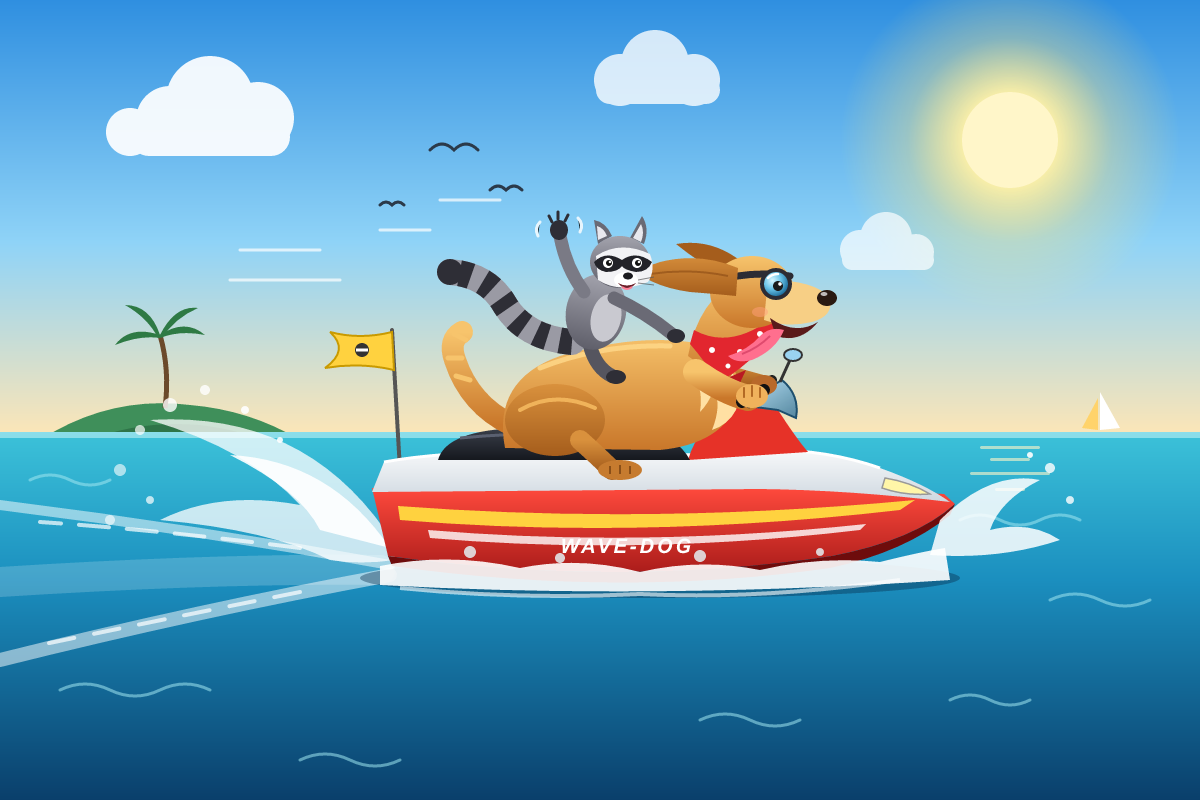
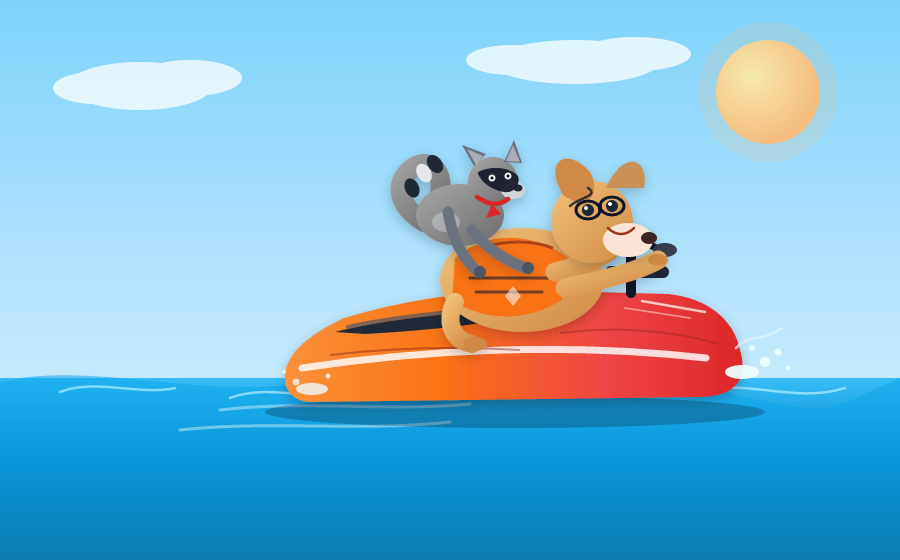
The masked raccoon clearly rides the dog's back, and the dog's forward paw reaches the steering grip. Expressive faces, vivid colors and sweeping wakes create an appealing illustration. Connected limbs remain schematic, as does the small steering assembly. The broad hull and flat foam weaken water contact; the glowing sun lacks a corresponding reflection or convincing cast shadows.
Benchmark task
A jet-ski scene pairs a canine driver with a raccoon passenger. It tests the placement and contact of interacting subjects, along with vehicle construction.
The requested interaction reads clearly through recognizable animals, expressive faces and a coherent hull-water relationship. Clean curves and readable accessories give the cartoon polish. Partly unresolved grips and supporting contacts limit physical construction; modest shape complexity, weak directional lighting and schematic water constrain its finish.
Benchmark task
A jet-ski scene pairs a canine driver with a raccoon passenger. It tests the placement and contact of interacting subjects, along with vehicle construction.
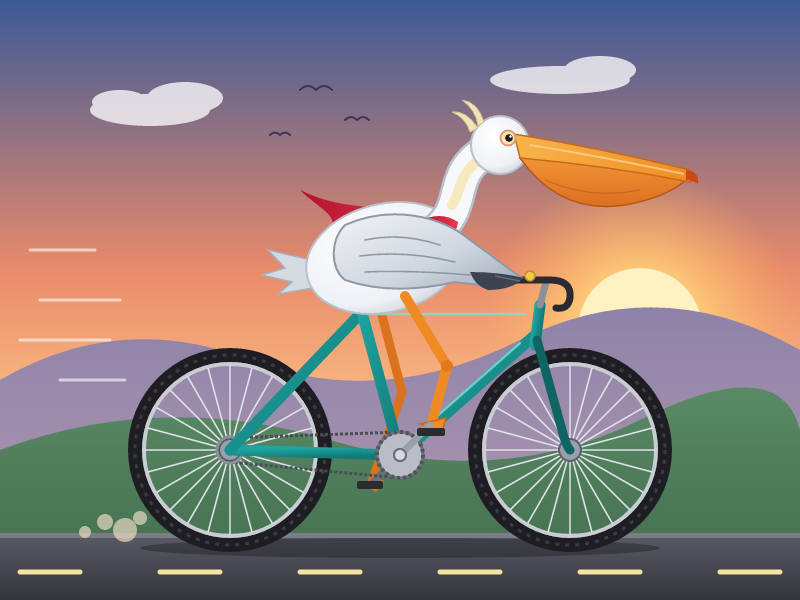
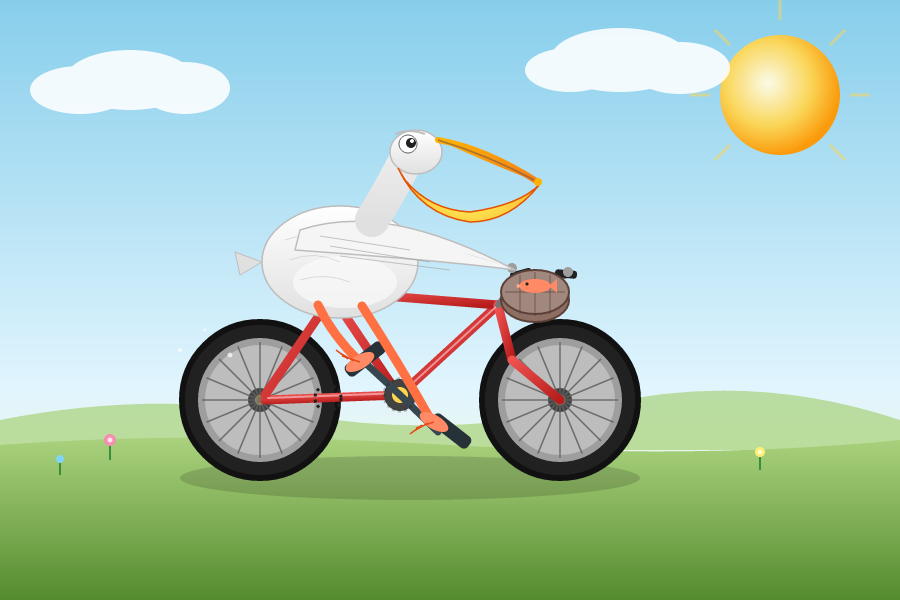
The recognizable pelican, orderly bicycle wheels and harmonious sunset create an appealing illustration. Both legs connect to the body and reach pedals; no clear detached or inverted parts appear. Steering contact and seating support are less convincing, while the drivetrain remains schematic. Crisp outlines give a clean finish, but limited shading and flat surfaces leave the scene with modest depth.
Benchmark task
A cycling pelican tests anatomy, riding posture and contact between the bird and the bicycle.
A coherent, cheerful illustration with recognizable pelican features, balanced composition, clean contours and useful small details. Its controlled curves and layered wheels demonstrate competent drawing skill. Ambiguous pedal and steering contacts, sparse drivetrain construction and weak directional lighting limit the riding mechanics and finish.
Benchmark task
A cycling pelican tests anatomy, riding posture and contact between the bird and the bicycle.