SelfieVisual construction
and creative interpretation

Benchmark task
Character scenes test expression, anatomy, materials and coherent visual construction.
First run
 stealthmodels.
MODEL BENCHMARKS
Thinking Machines’ smaller open model activates 12B of its 276B parameters per token and takes text, images and audio across a million-token context.
DATASHEET
A good fit forA base for fine-tuning on Tinker, and lower-cost multimodal agent work over long documents, images and audio.
Inkling-SmallOther modelsMedian
Official BF16 weightsOfficial NVFP4 weightsUnsloth GGUF weights
thinkingmachines/inkling-smallthinkingmachines/inkling-small:freethinkingmachines/inkling-smallthinkingmachines/Inkling-Smallthinkingmachines/Inkling-SmallHow StealthMark scores models · General and Visual Intelligence
Benchmark results
Model IDthinkingmachines/inkling-small
 StealthMark#43of 53General25.5Visual31.1
Character scenes test expression, anatomy, materials and coherent visual construction.
First run
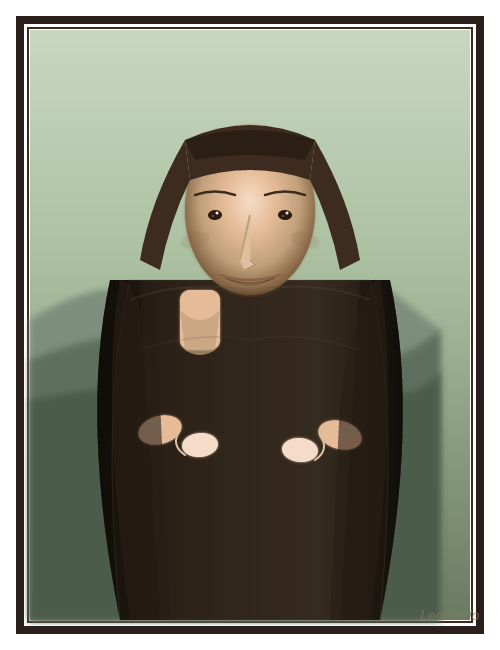
An SVG interpretation of the Mona Lisa tests facial likeness, anatomy and the composition of a familiar portrait.
First run

A busy shoreline at sunset tests scene composition, animal forms and the relationship between light and water reflections.
First run
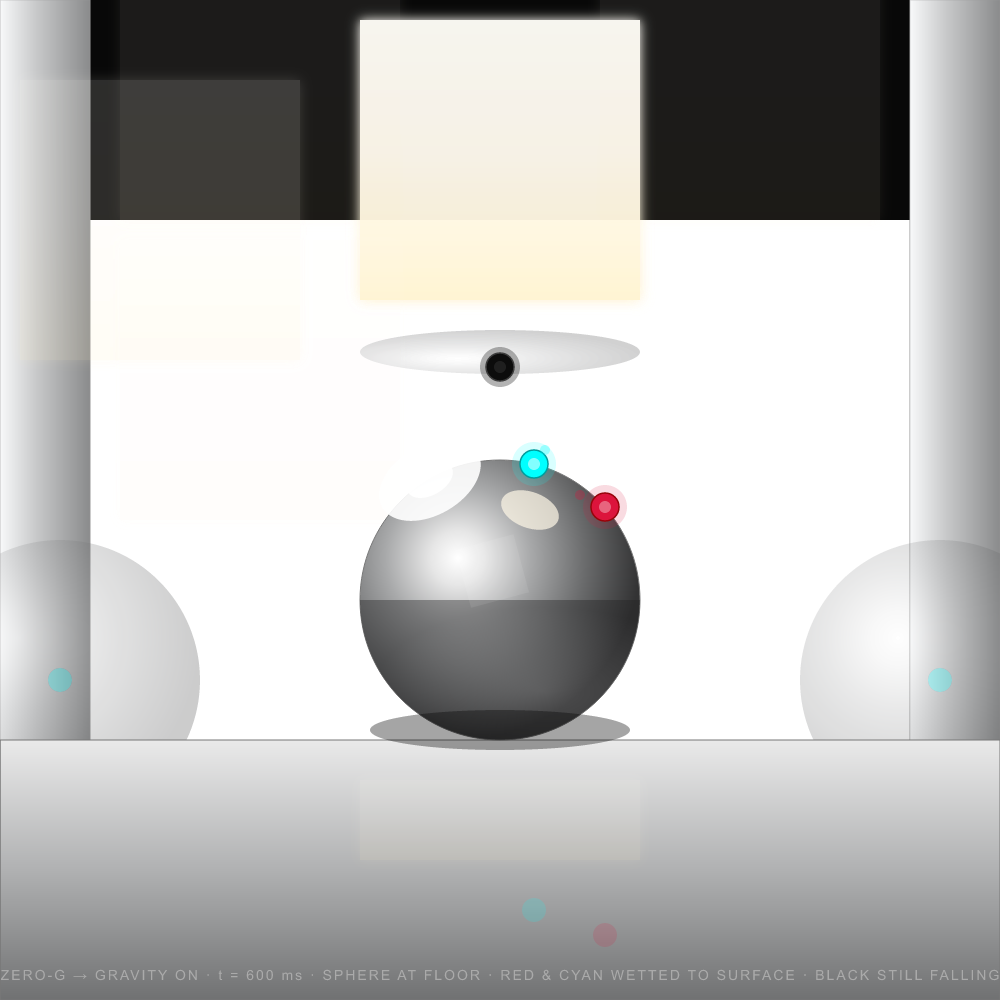
A spinning metal sphere and paint in a mirrored room test physical reasoning, perspective and consistency across repeated reflections.
First run

A plank, computer mouse and blueberry in a steel room test physical stability, spatial relationships, materials and lighting.
First run

A jet-ski scene pairs a canine driver with a raccoon passenger. It tests the placement and contact of interacting subjects, along with vehicle construction.
First run

A cycling pelican tests anatomy, riding posture and contact between the bird and the bicycle.
First run
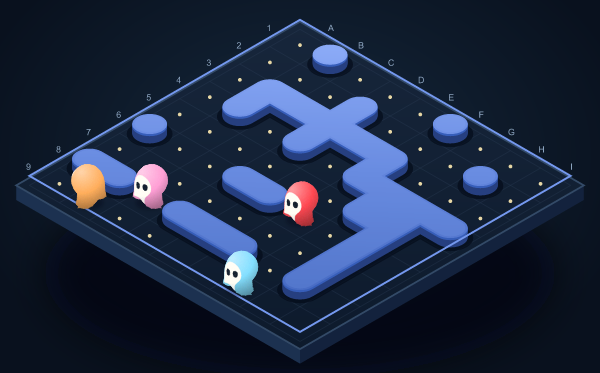
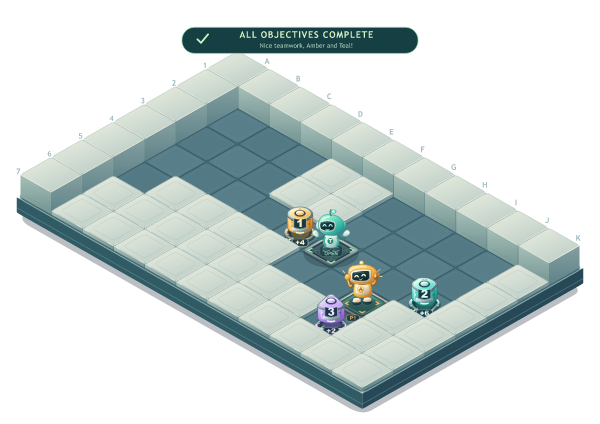
Try another task or widen your model selection.
StealthMark scoreStealthMark measures how well a model’s abilities carry over to original, demanding tasks it could not have trained for: physical and spatial reasoning, planning across many steps, and precise visual work. How StealthMark works explains every benchmark, what it tests and why it is hard.
The ability to reason, plan, solve problems and understand how things relate and behave. A high score means it thinks hard problems through, from careful analysis to plans that span many steps.
The ability to understand visual intent and turn ideas, descriptions and plans into coherent, effective visuals. A high score means design ideas come out the way you meant them, in illustrations, icons, diagrams or interface visuals.
Overall shows how well a model’s abilities carry over to original, demanding tasks, weighting every benchmark into one score from 0 to 100. Estimated means the total includes an estimate for one missing scene.
Scores reflect how well each result meets the benchmark requirements. Game scores come from the recorded play: the points earned on each level and how each level ended. How StealthMark keeps scores honest.
Each game is a sequence of levels, and earlier moves carry into later levels. A level that was not played is shown as not played and never counts as zero. Play every level of Latch or Foresight yourself to get a score calculated like the models’.
Good results with little thinking score high. On each task, a model’s result and reasoning tokens are compared with every other model and combined with the Balanced Integration Score (Liesefeld & Janczyk, 2019); 50 is average. Single step shows how much reasoning a model needs to understand and solve one problem, multi-step how efficiently it keeps working on a task by building on its earlier reasoning, as in agentic workflows. Not part of StealthMark.