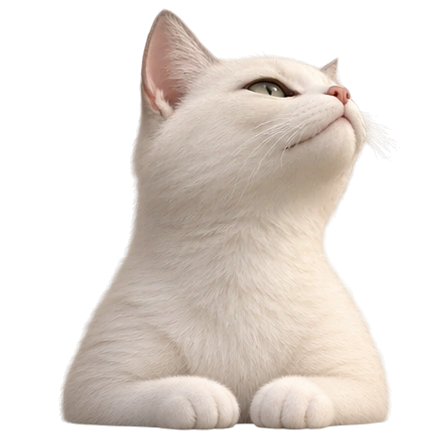
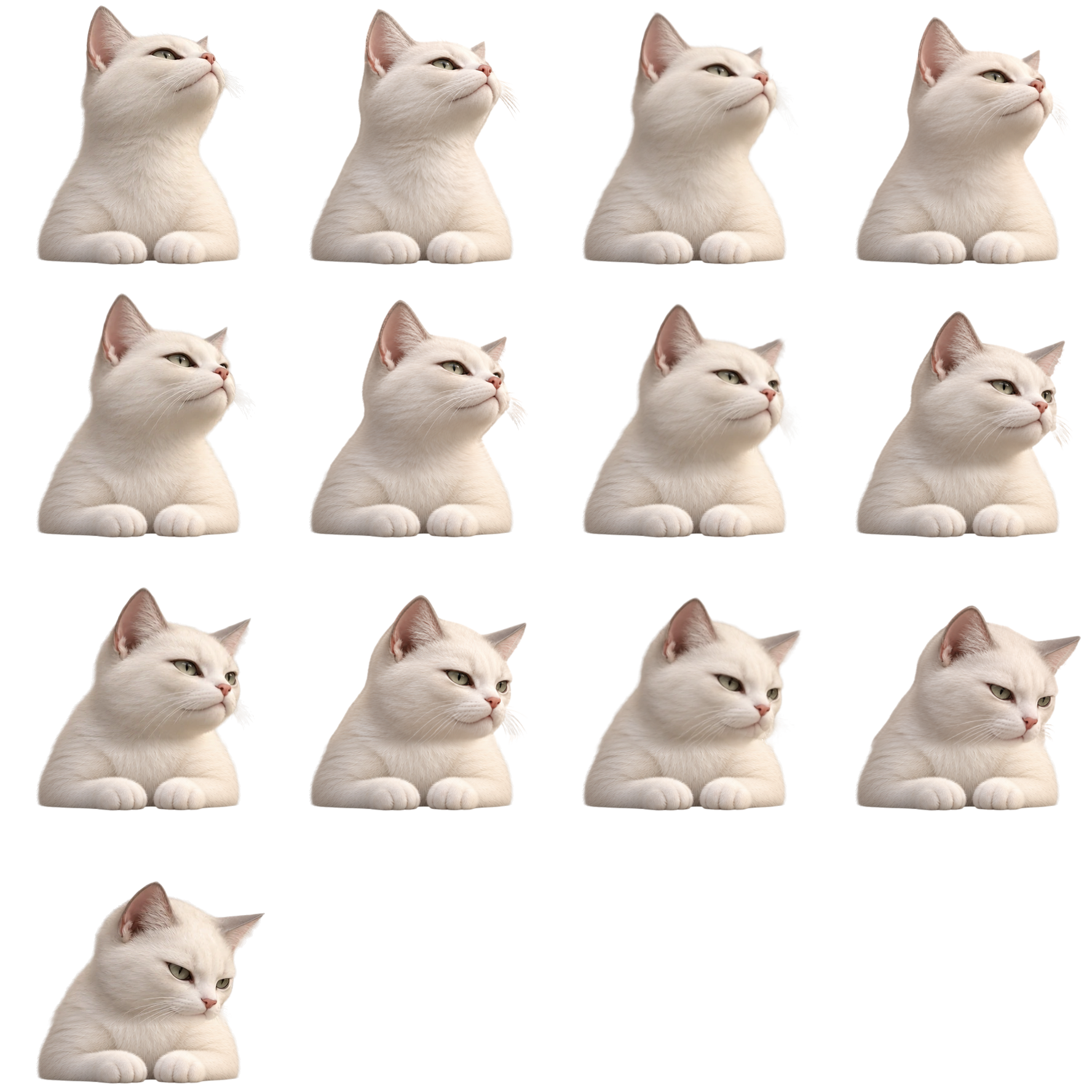
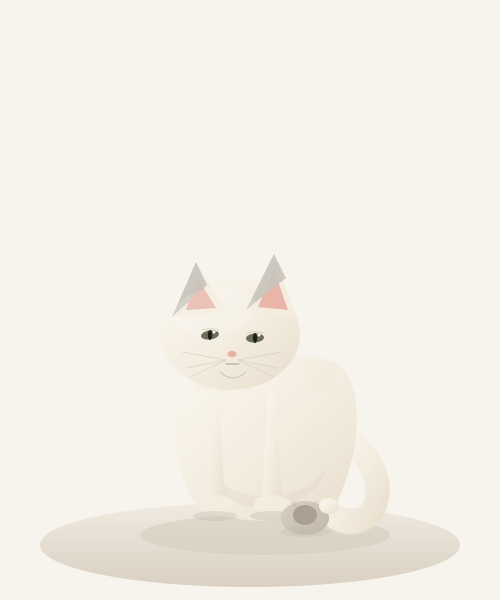
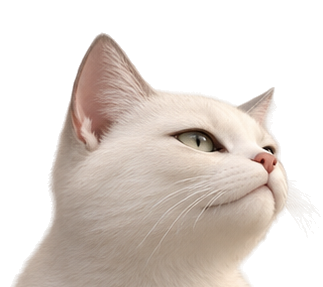
An ivory cat nods intently to music beside a tiny speaker. The scene tests feline anatomy, movement conveyed through a still pose and the contrast between pale fur and woven fabric.
Benchmark score54.6/100
Evaluation notes
A coherent, restrained cat illustration captures the pale palette and intent eyes. Its central expressive requirement—the committed forward-and-down neck bob—is insufficiently articulated. Simple geometry, faint paw construction and minimal surface detail limit the physical presence and finish.
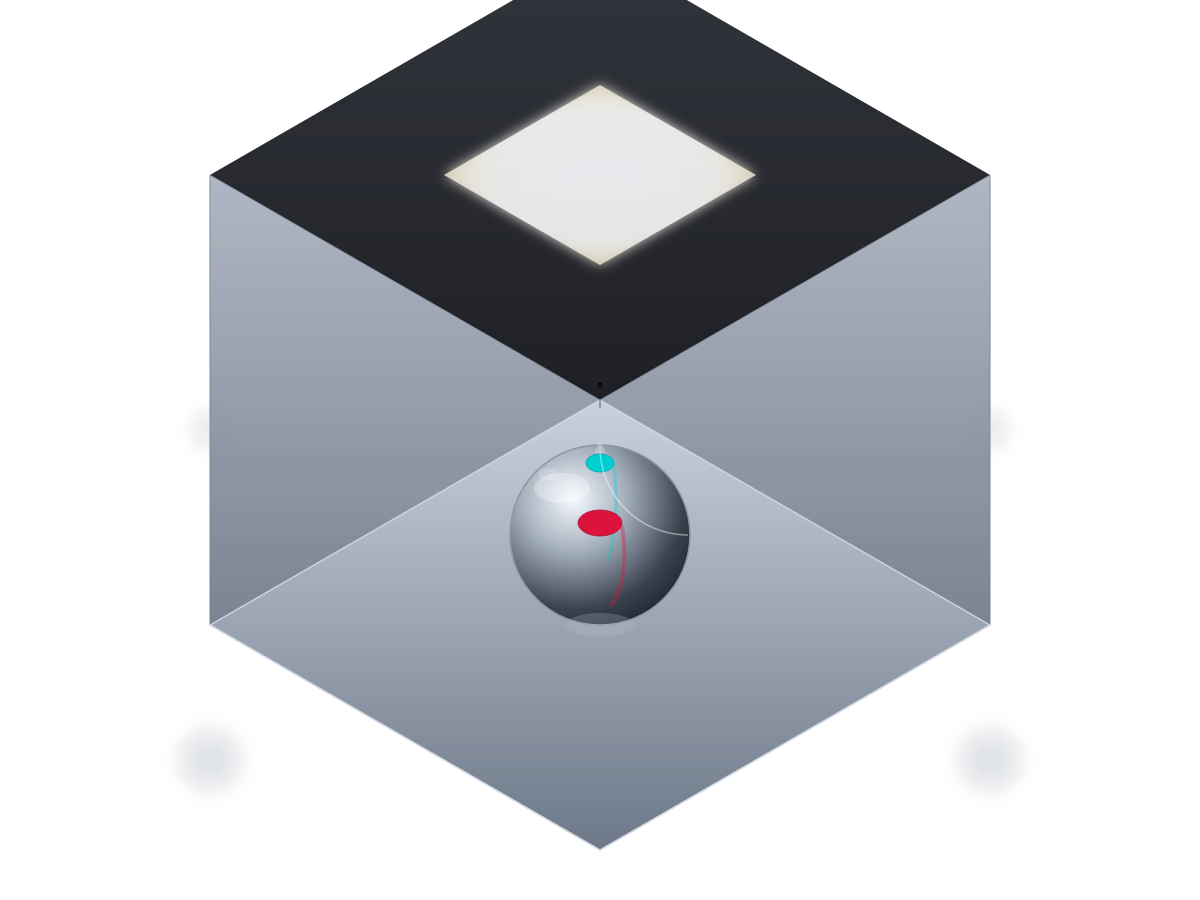
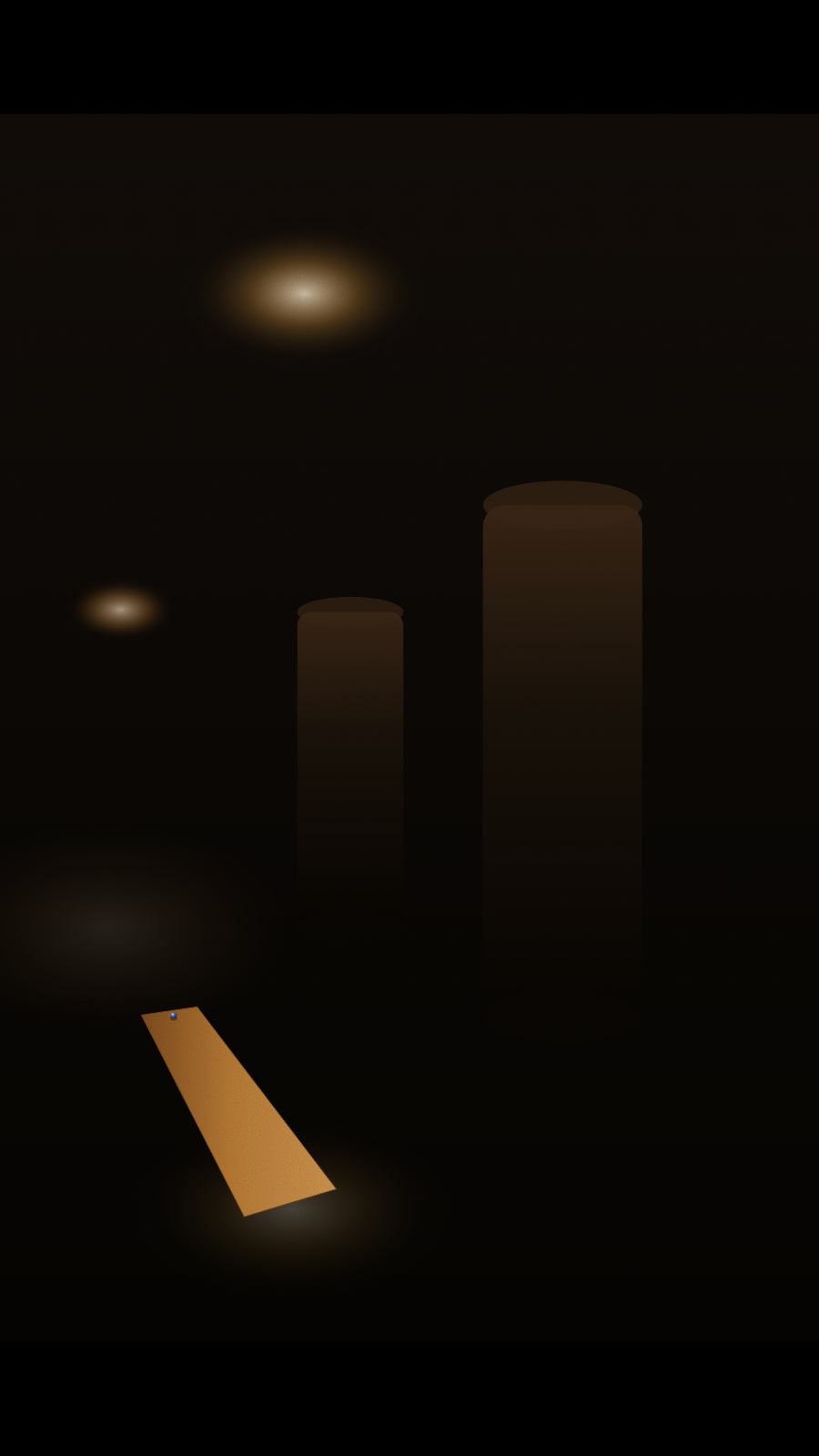
A spinning metal sphere and paint in a mirrored room test physical reasoning, perspective and consistency across repeated reflections.
Benchmark score19.9/100
Evaluation notes
The image conveys a supported central sphere, separate black paint and crimson below cyan. Its contact and transport story is partially resolved. The exterior cutaway camera and largely missing mirror system dominate the limitations; isolated discs and smooth highlights provide little coherent optical structure.
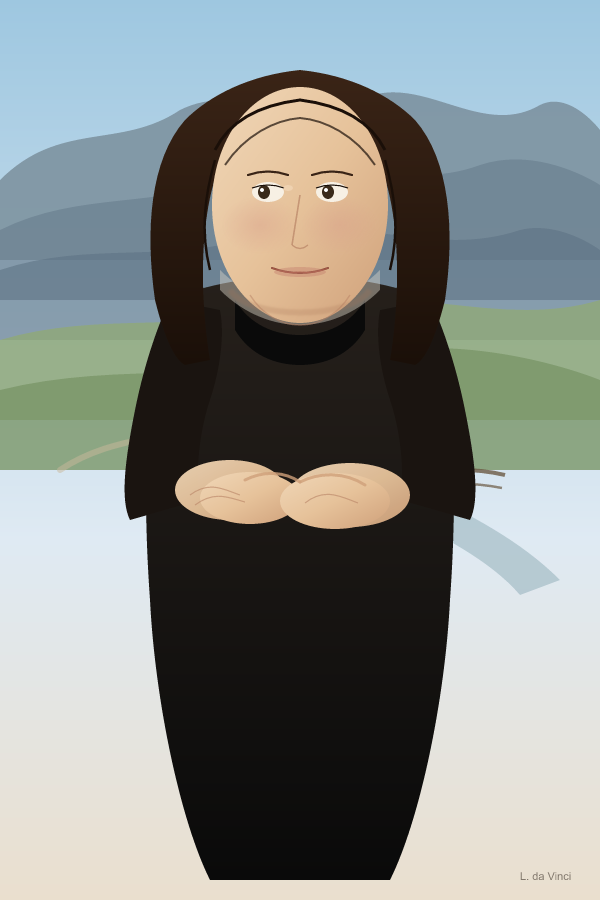
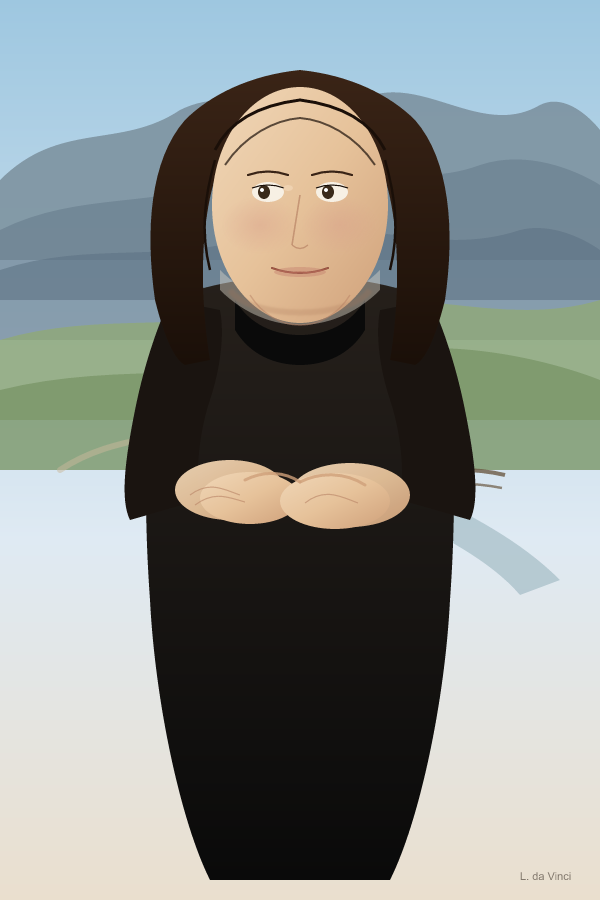
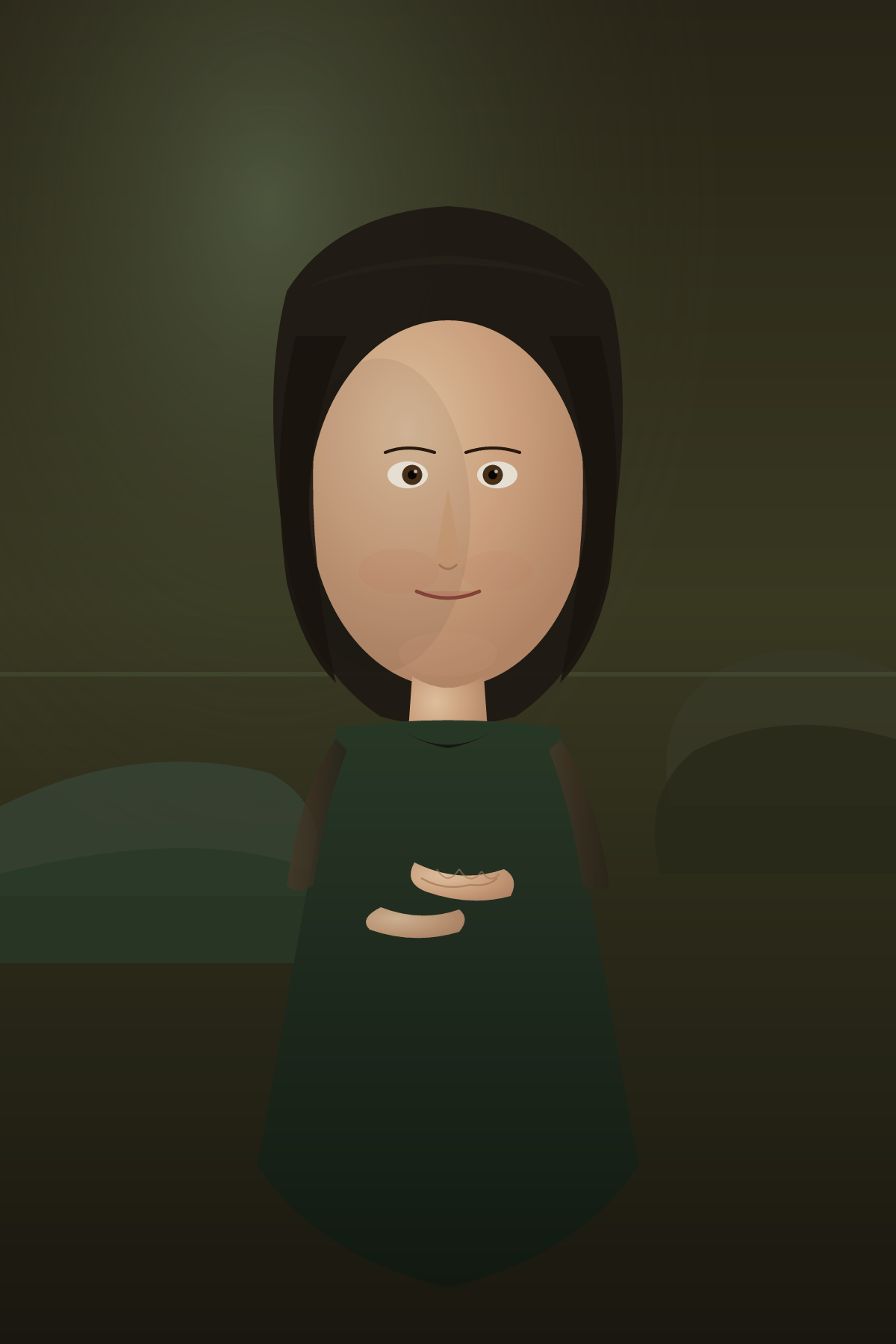
An SVG interpretation of the Mona Lisa tests facial likeness, anatomy and the composition of a familiar portrait.
Benchmark score30.3/100
Evaluation notes
The portrait is recognizable and cleanly assembled, but replication remains basic. Its frontal symmetry, elongated silhouette, simplified facial likeness and unresolved hands differ markedly from the original. Modest skin gradients provide volume, while clothing and landscape rely on broad, flat shapes.
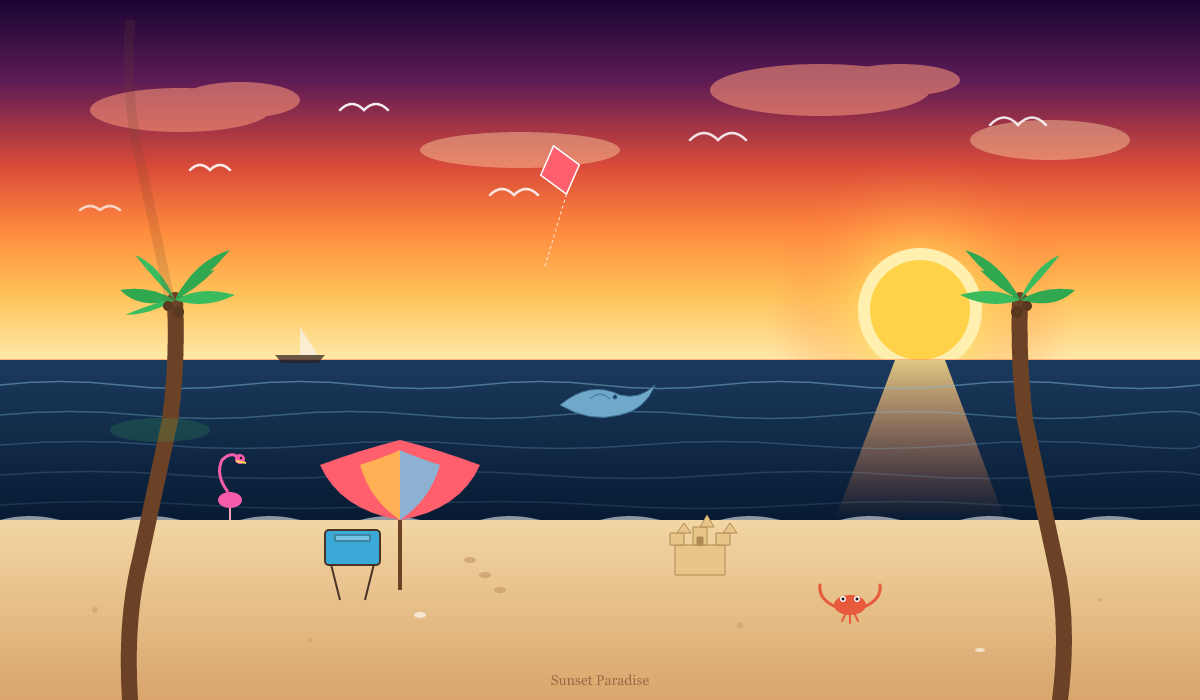
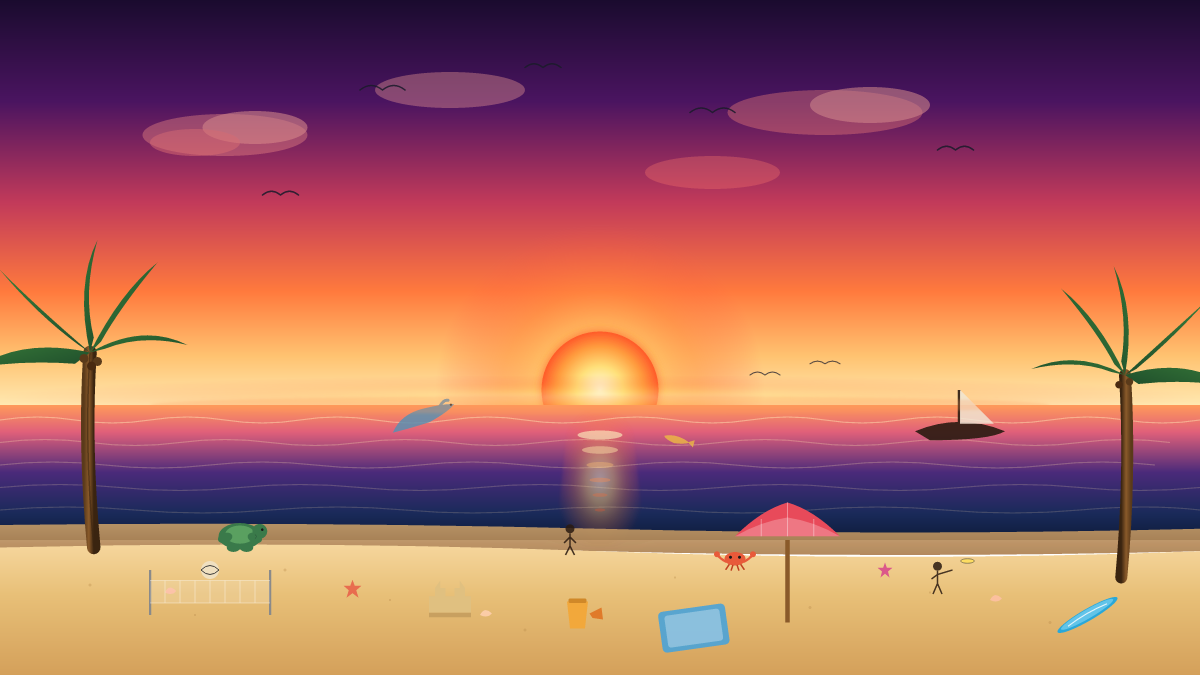
A busy shoreline at sunset tests scene composition, animal forms and the relationship between light and water reflections.
Benchmark score48.1/100
Evaluation notes
The scene clearly supplies the requested beach subjects and playful activity. Clean silhouettes and warm gradients support readability, but elementary drawing, ambiguous parasol construction, weak grounding and a rigid sun reflection limit its depth and finish.
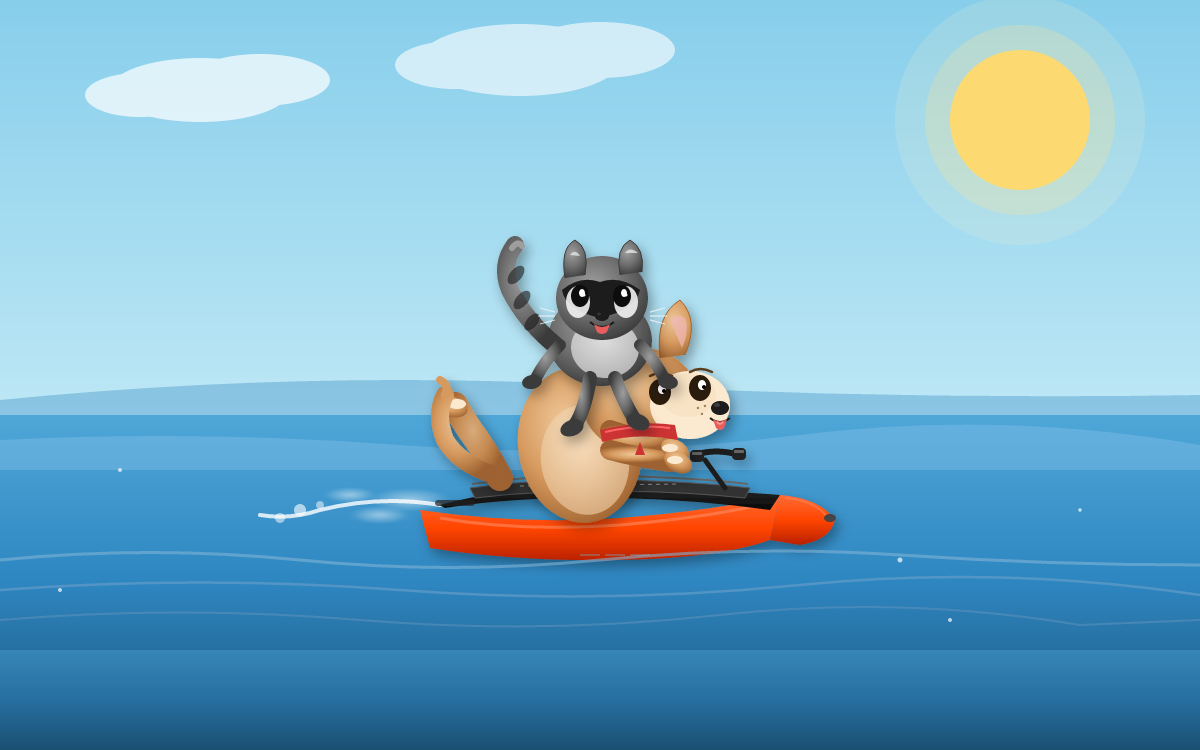
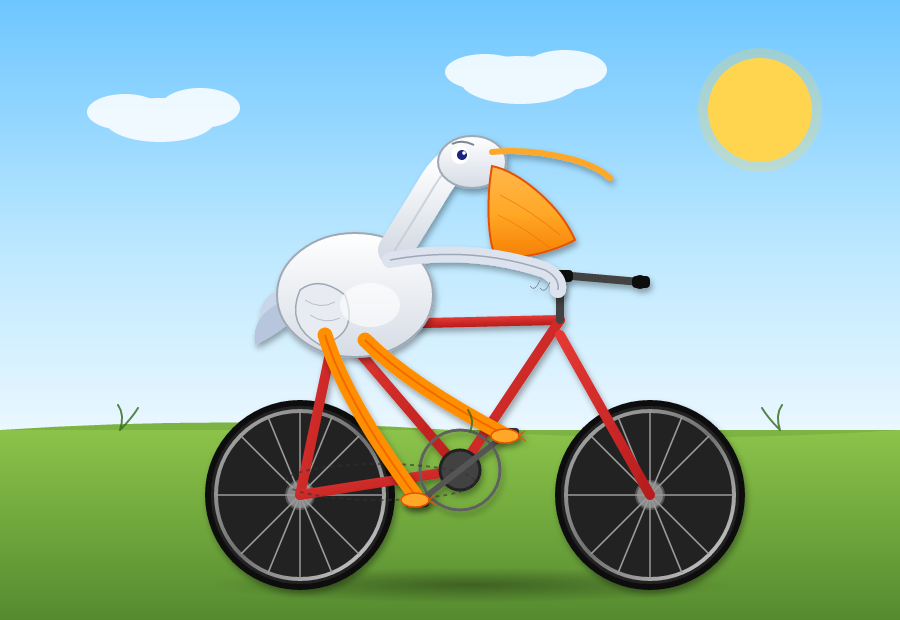
A jet-ski scene pairs a canine driver with a raccoon passenger. It tests the placement and contact of interacting subjects, along with vehicle construction.
Benchmark score57.1/100
Evaluation notes
An appealing cartoon demonstrates the back-riding arrangement through expressive faces and clean shapes. Uncertain steering contact, indistinct deck support and weak hull-water interaction limit physical coherence. Smooth gradients add volume, but simple rounded construction and sparse material detail constrain complexity and finish.
Both tracks were made in Foundry. The cat’s contribution is concentration.
ON THE TURNTABLE
Neon Reverie
Synthwave · made in Foundry
0:000:38
Ready when you are.
03 / EVIDENCE
Reflection confirms the Beam connection.
Reflection’s launch post names Cat Jam as an earlier Beam preview. Our tokenizer comparison matches all 24 phrase counts; exact checkpoint continuity remains unconfirmed.
The registry date
The original Cat Jam record lists 12 October as its release date.
Reflection’s Beam release post identifies the earlier OpenCode Cat Jam demo as its model. Beam’s weights are now available under Apache 2.0. OpenCode’s usage history also attributes Cat Jam to Reflection.
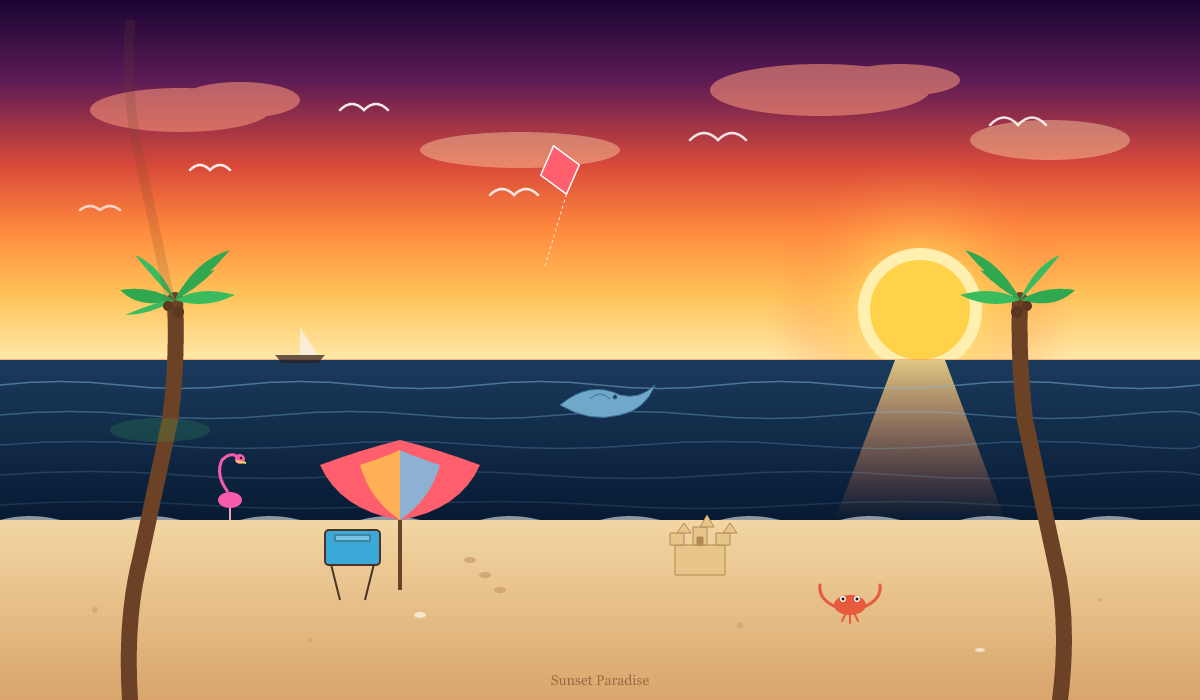
We used matching task instructions within each pair. The beach examples differ in response format; both Mona Lisa examples were direct SVG replies. These are unscored identity samples.
Beach
A busy shoreline at sunset tests scene composition, animal forms and the relationship between light and water reflections.
Cat Jam15 October 2026
Beam16 October 2026
Mona Lisa
An SVG interpretation of the Mona Lisa tests facial likeness, anatomy and the composition of a familiar portrait.
Cat Jam15 October 2026
Beam16 October 2026
The beach scenes differ in the sun’s position, palette and small subjects. The portraits differ in proportion, hands and landscape. These visible differences alone do not establish a different checkpoint.
04 / JOIN THE SESSION
Cat Jam is still on Vercel.
Vercel AI Gateway still lists Cat Jam under its original name. OpenCode now lists Beam Free.
The current Cat Jam listing has zero input and output token rates. Sign in to Vercel and create an AI Gateway API key to use it; access depends on your account and provider availability.
The old Cat Jam listing is deprecated. OpenCode now offers Reflection’s released Beam model with free token rates for a limited time. Console and Go have their own billing or subscription requirements.
Vercel’s Cat Jam listing says prompts and responses may be used for training and model improvement. OpenCode’s current Beam documentation specifies 30-day safety retention and no model-training use.
Before the Beam replacement, on 14 October, a developer reported an unavailable Go endpoint for Cat Jam. On 13 October, another reported unexpected model selection in a new tab. These are individual reports; check the selected model before sending a request.
An earlier preview of Reflection’s Beam, built for text reasoning, coding and agent workflows. Vercel still lists Cat Jam; OpenCode now offers the released model as Beam Free.
Is Cat Jam Free actually free?
Vercel’s current Cat Jam listing has zero input and output token rates. Account access is separate from those rates. OpenCode’s replacement, Beam Free, is a limited-time free offer.
Who made Cat Jam Free?
Reflection AI. Its Beam launch post explicitly names Cat Jam as an earlier preview. Our tests also match their input-token increments on all 24 phrases. Explore the evidence.
Is Cat Jam the same model as Beam?
Reflection identifies Cat Jam as a Beam preview. That confirms the model connection, while exact checkpoint continuity remains unconfirmed. Our beach and Mona Lisa samples differ visibly. Compare the samples.
Can Cat Jam process music or images?
The current registry lists text input and text output. The music here is a Demodokos Foundry demonstration; the jam cat is our companion.
What should I look for in Cat Jam’s benchmarks?
Look at the tested capability, the task description and the actual output. StealthMark separates General Intelligence and Visual Intelligence alongside the overall benchmark score.
 Cat Jam Free