Test how models handle anatomy, spatial relationships and physics in SVG. Compare StealthMark scores and see where strong results on familiar tasks fail to carry across.
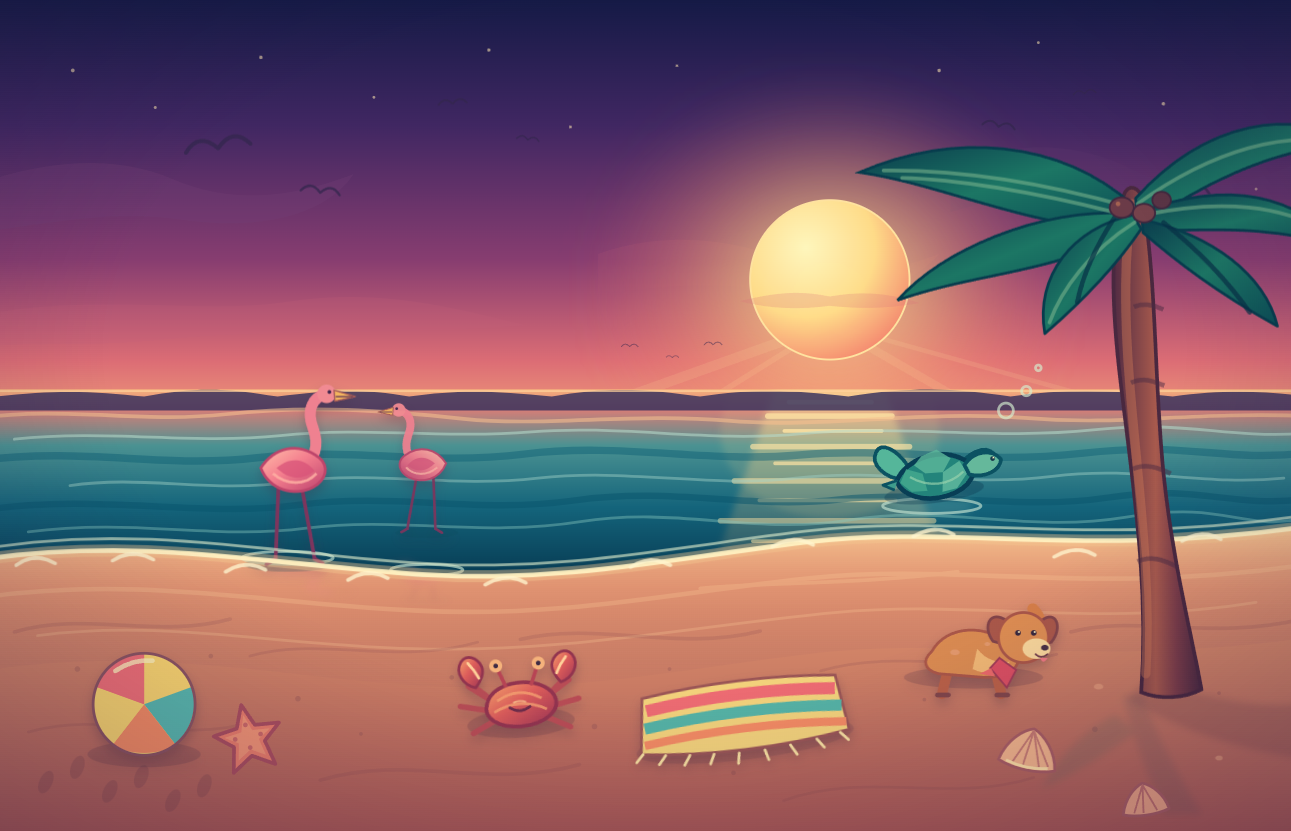
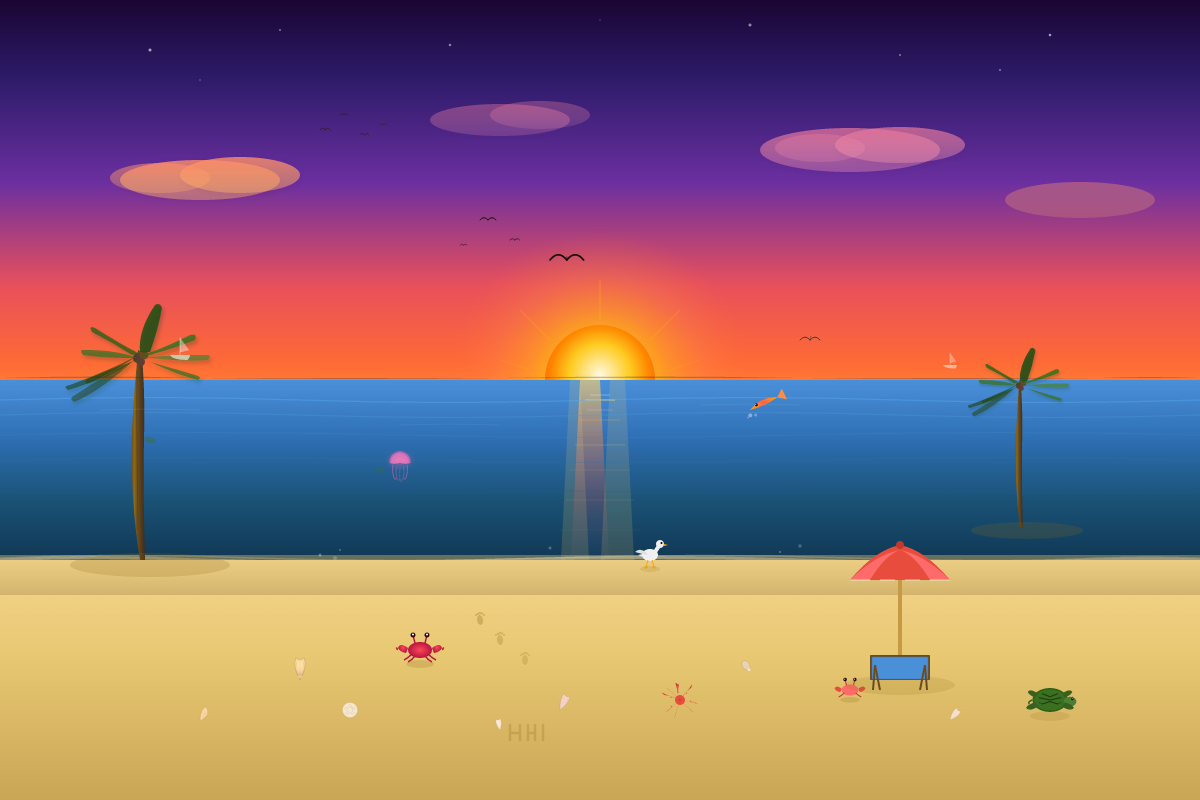
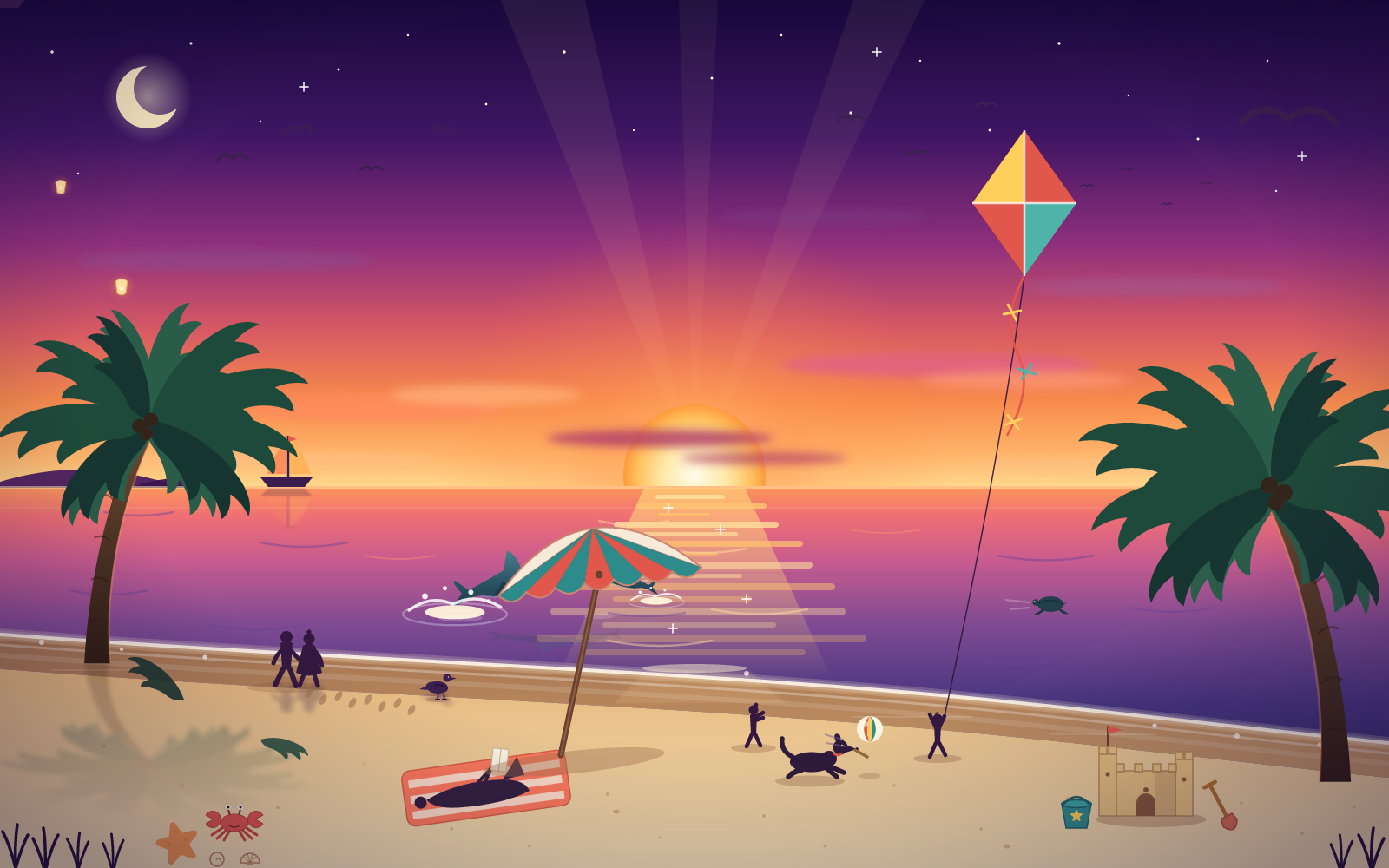
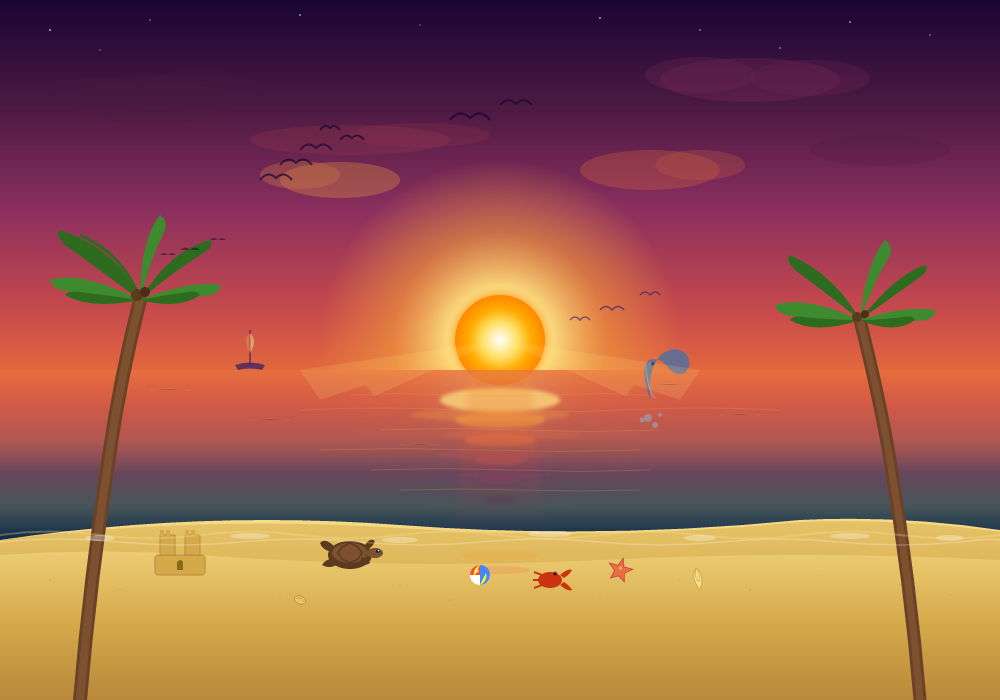
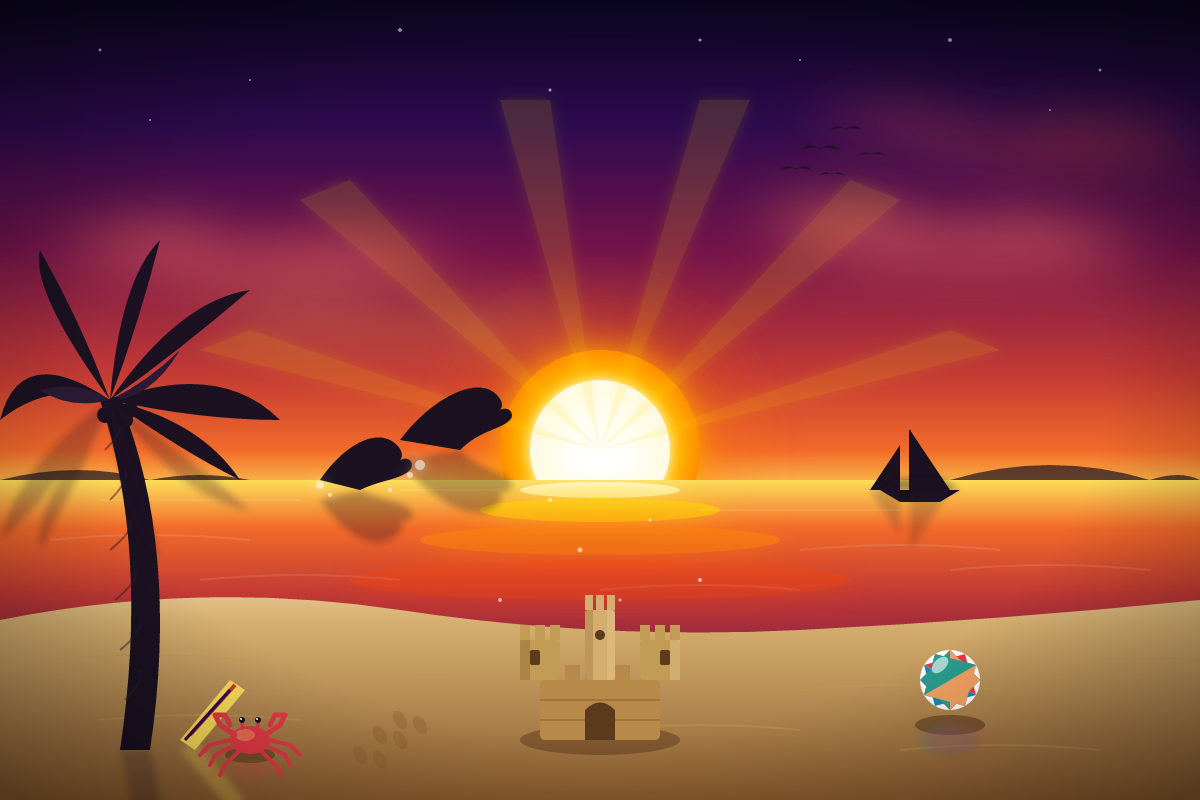
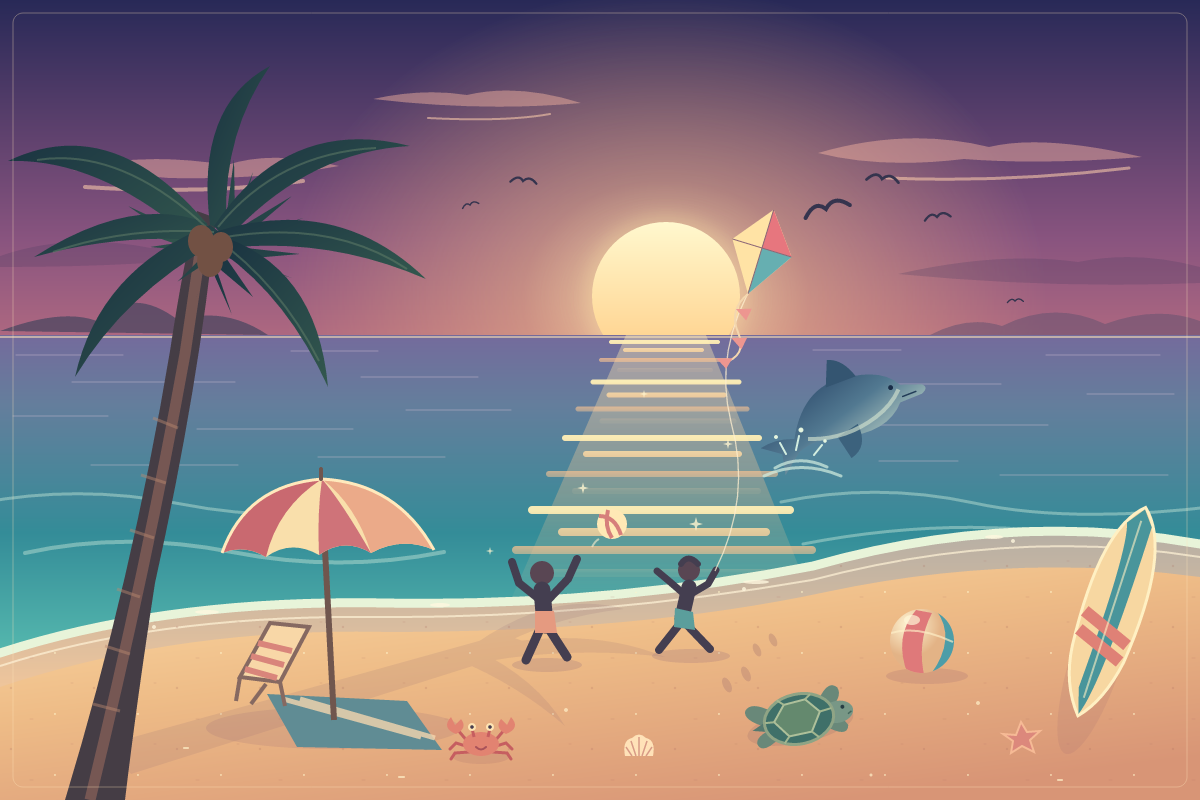
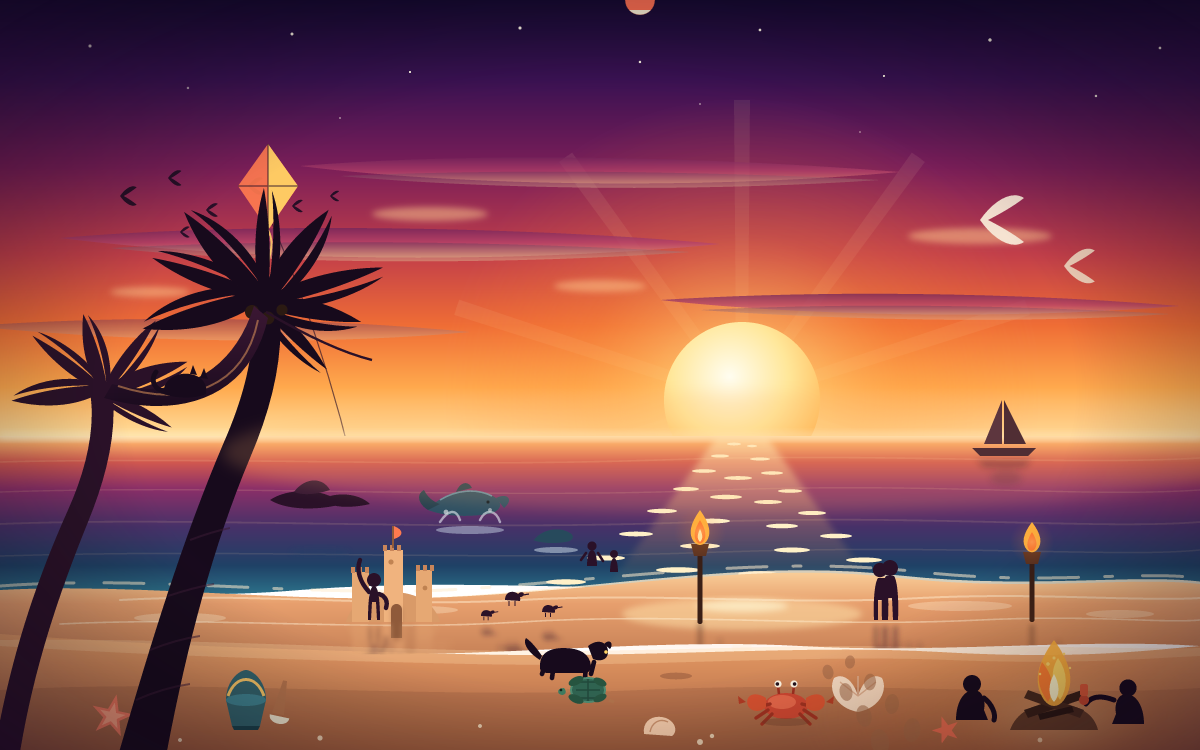
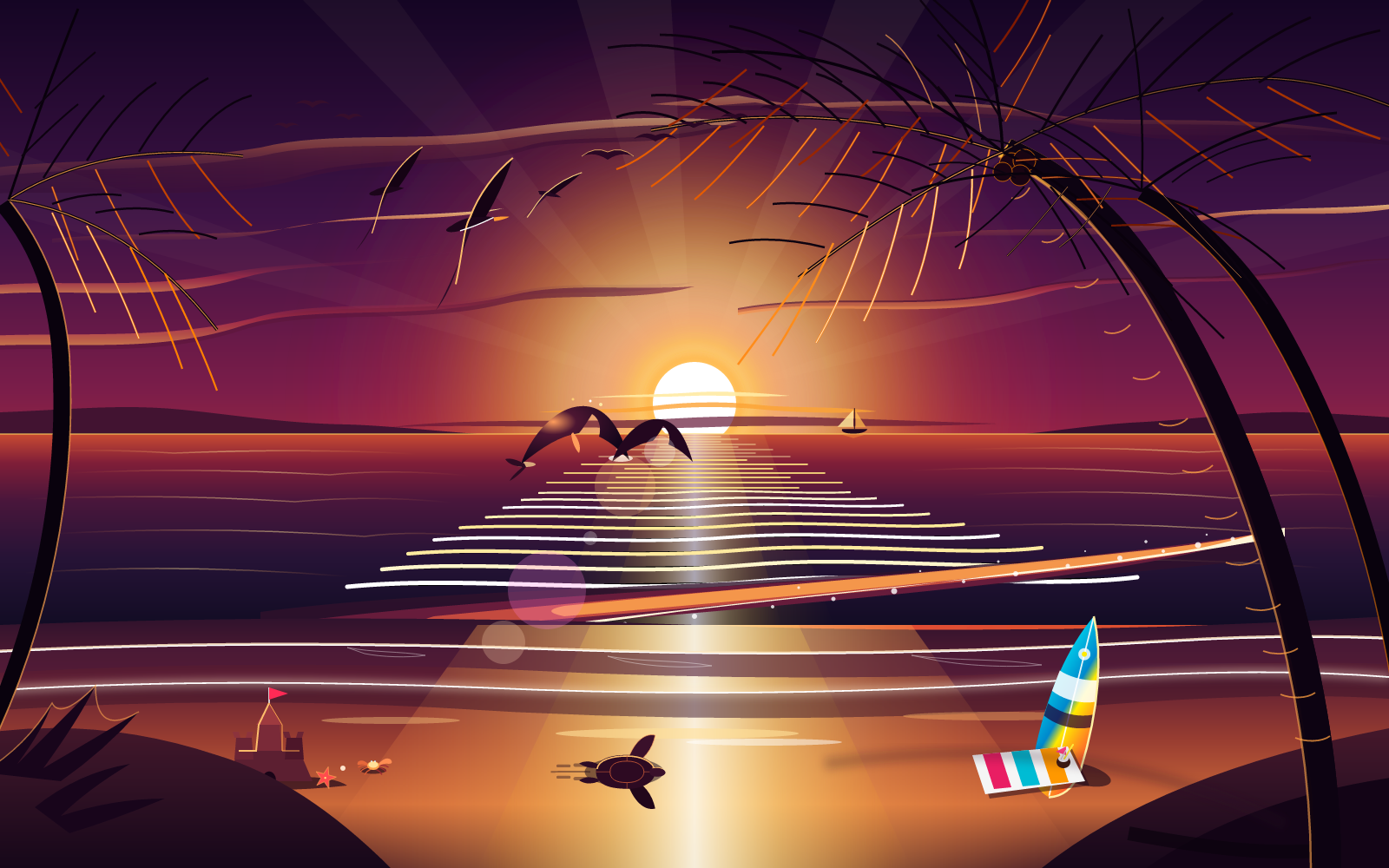
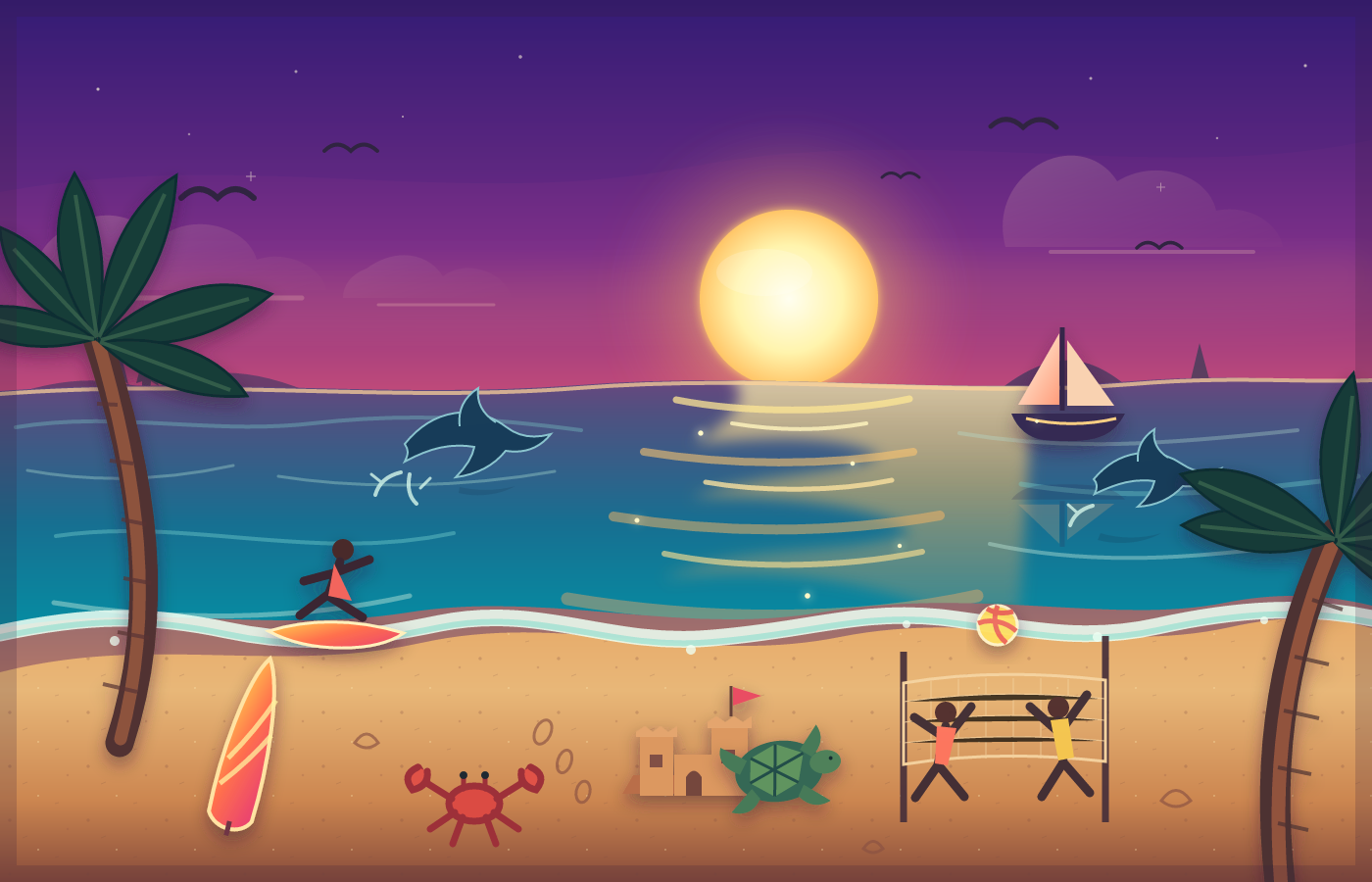
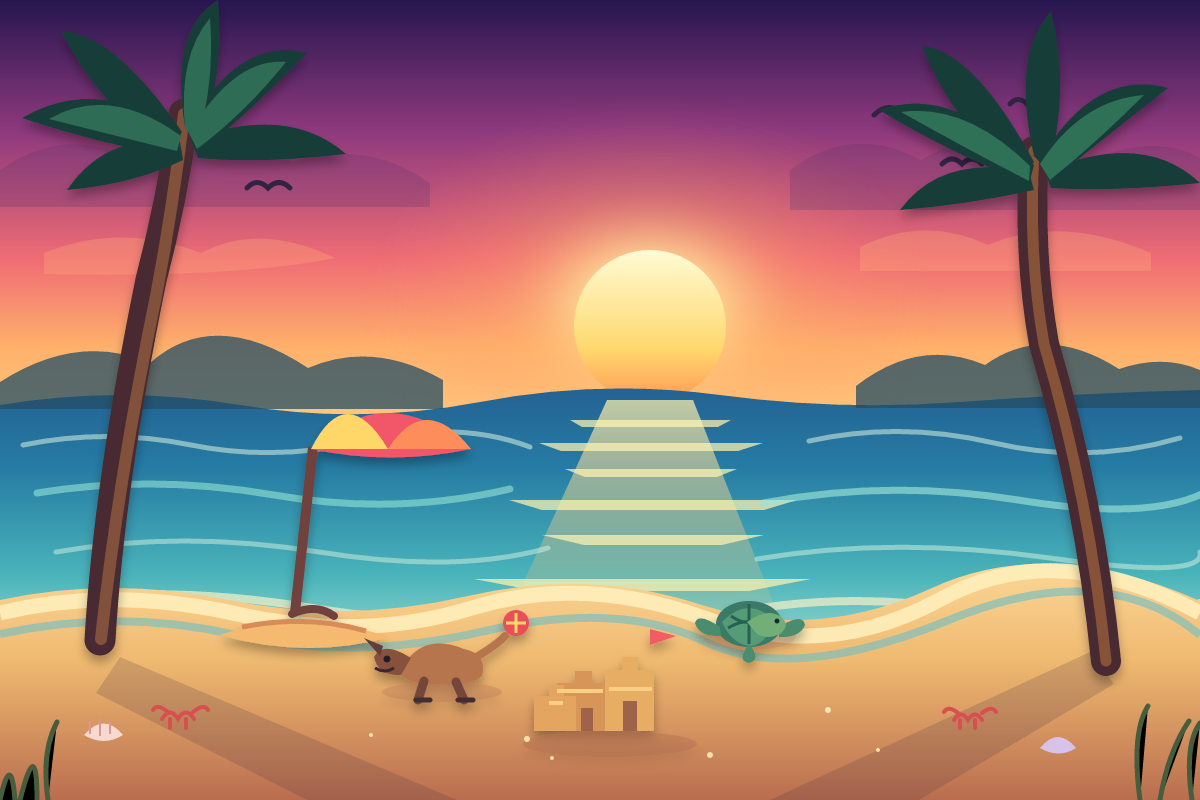
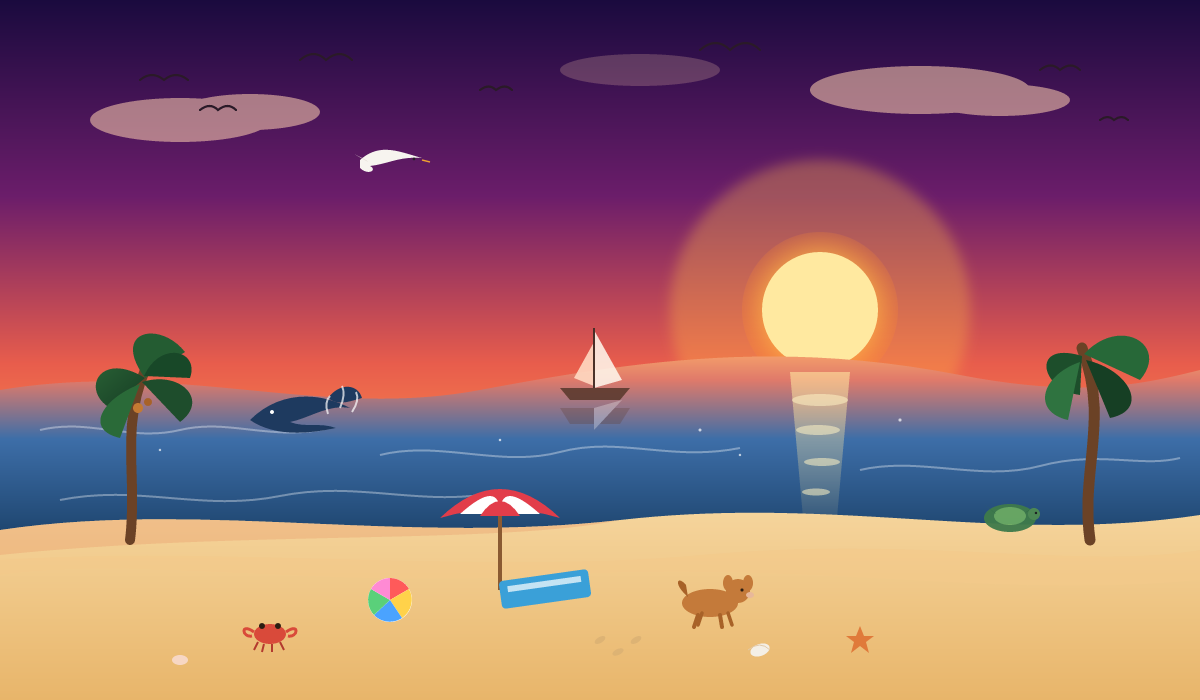
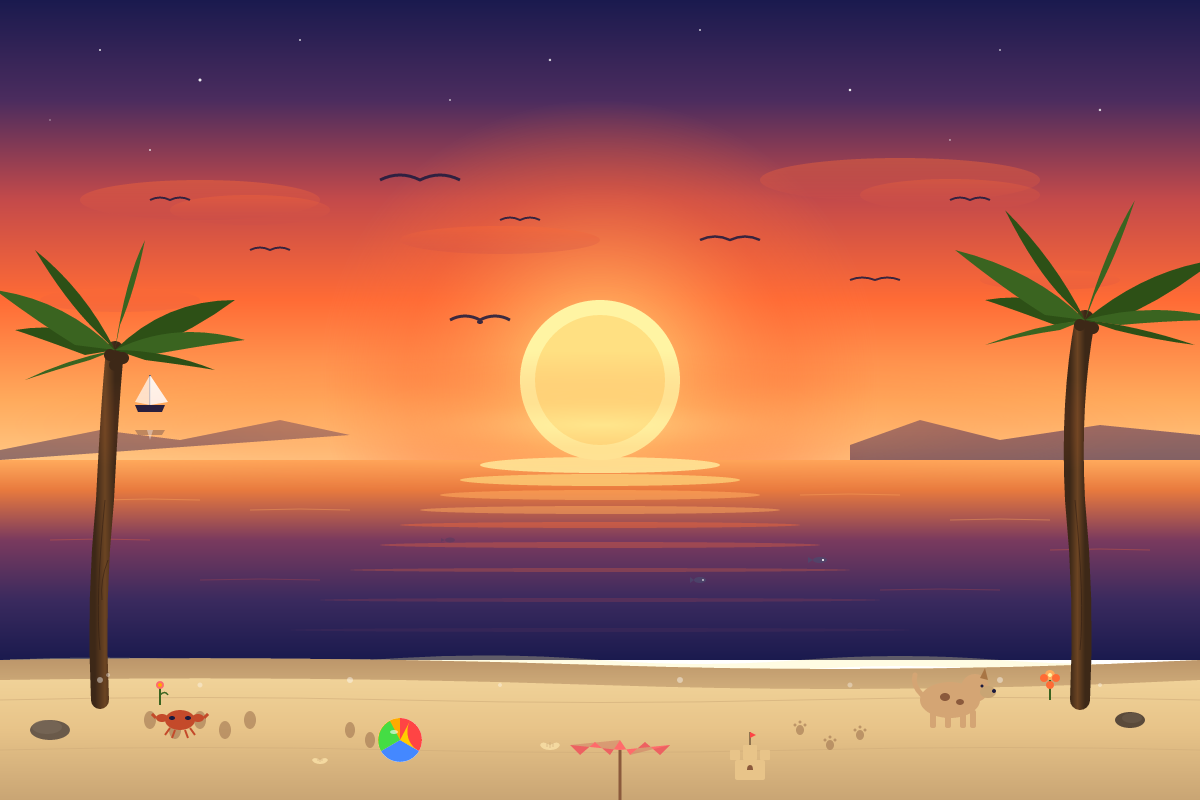
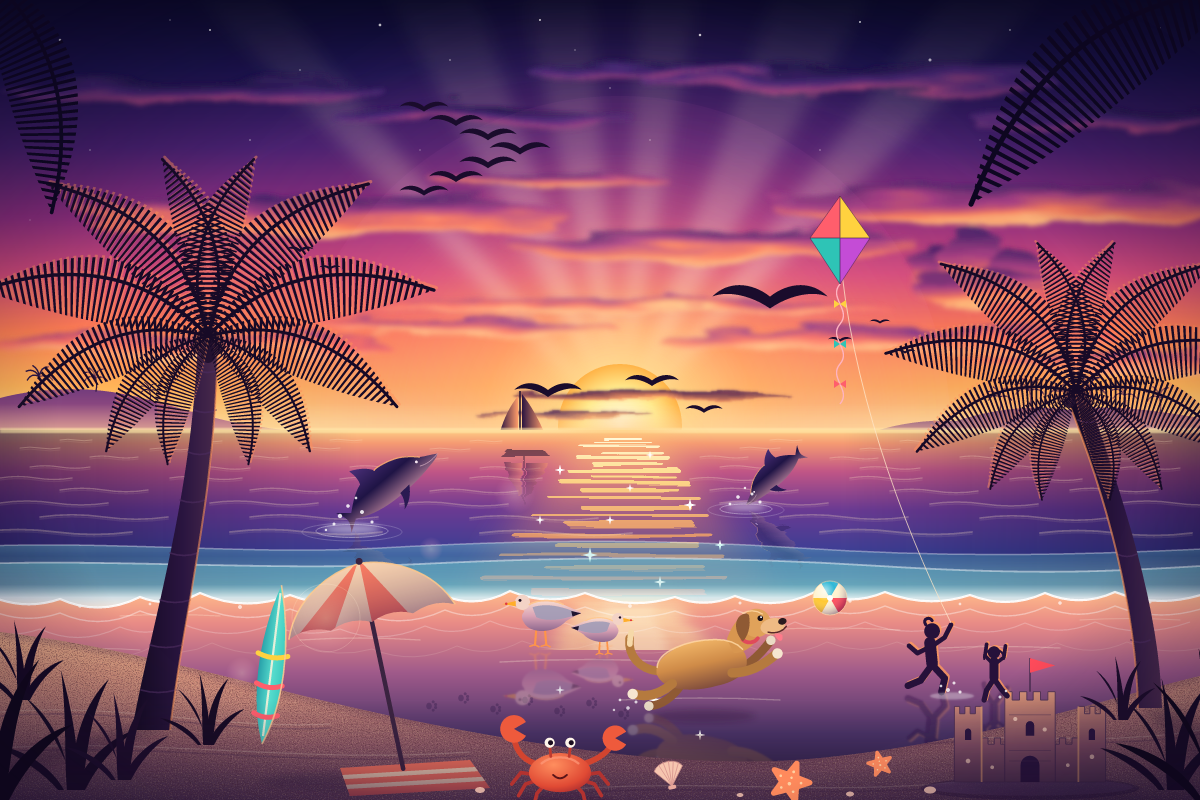
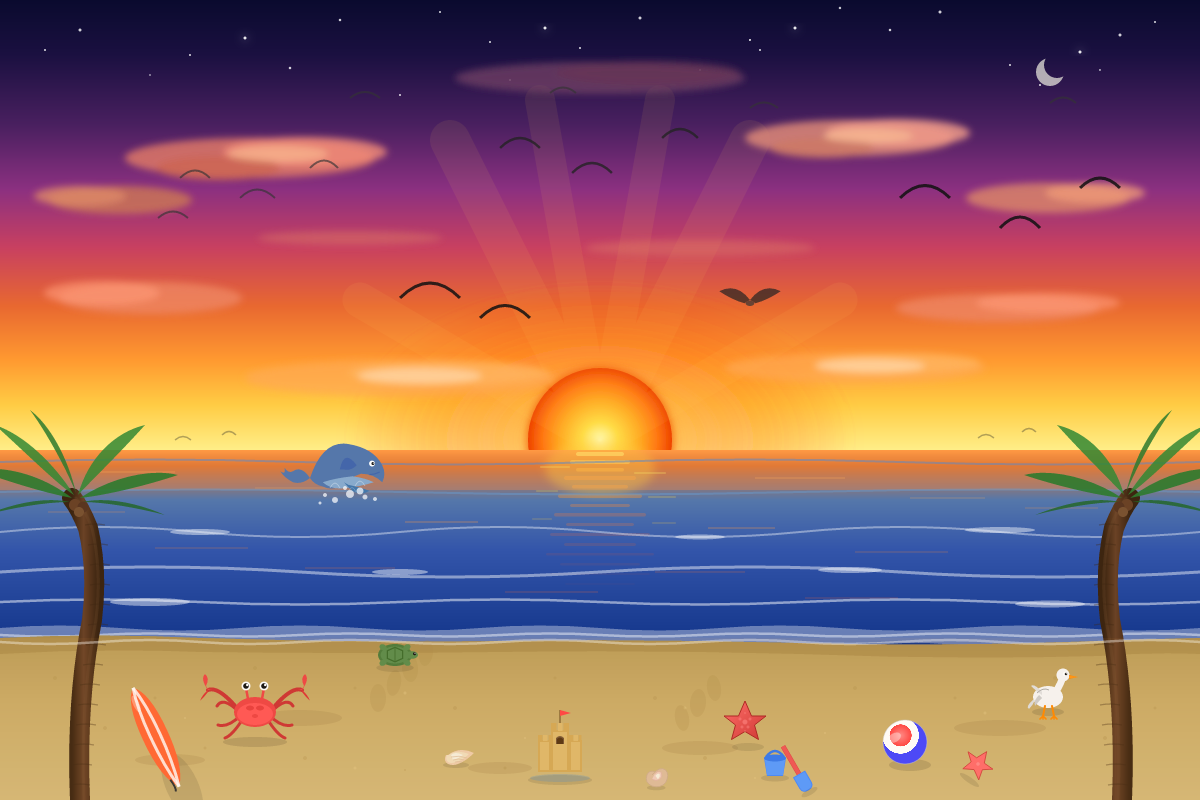
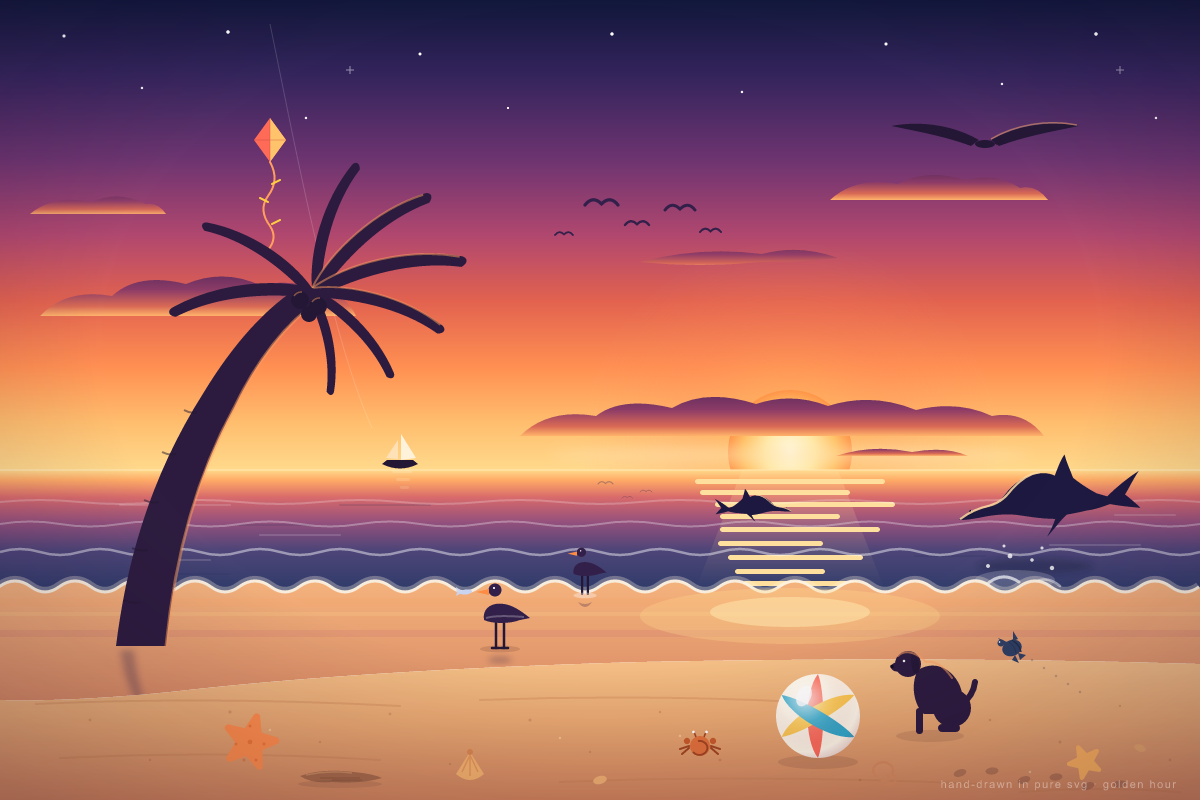
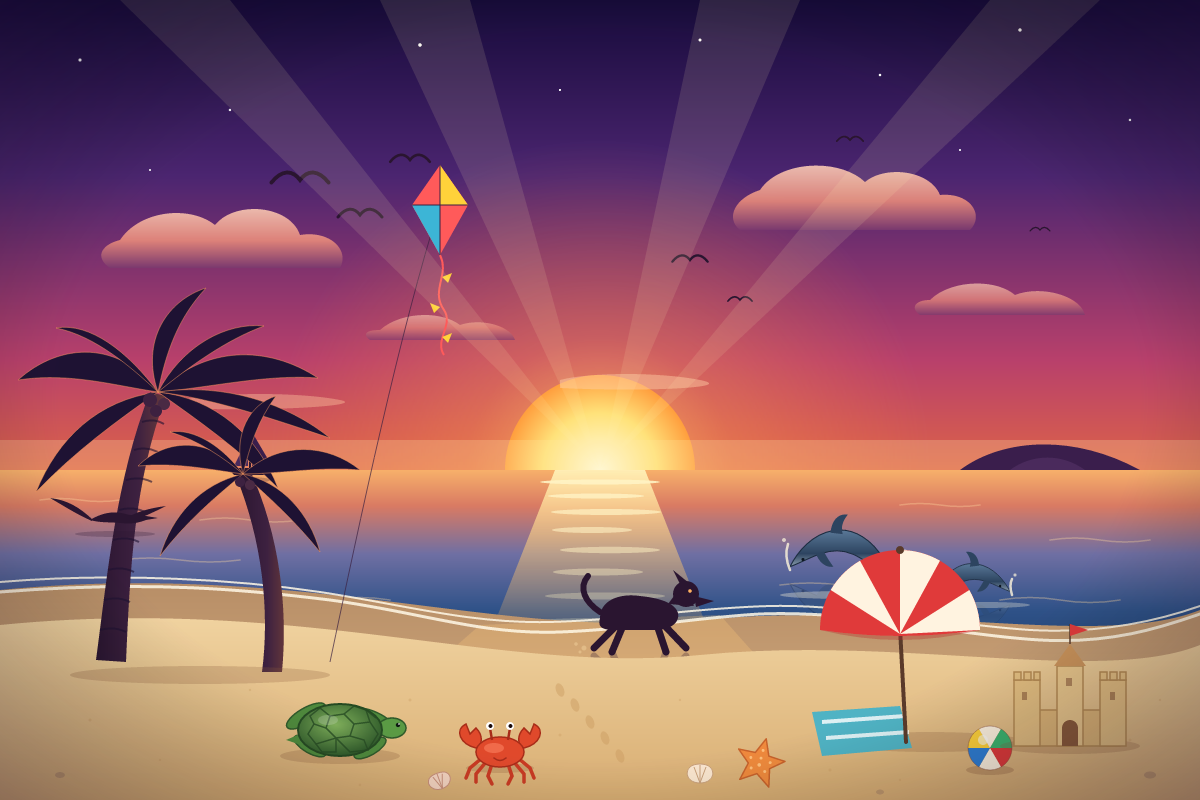
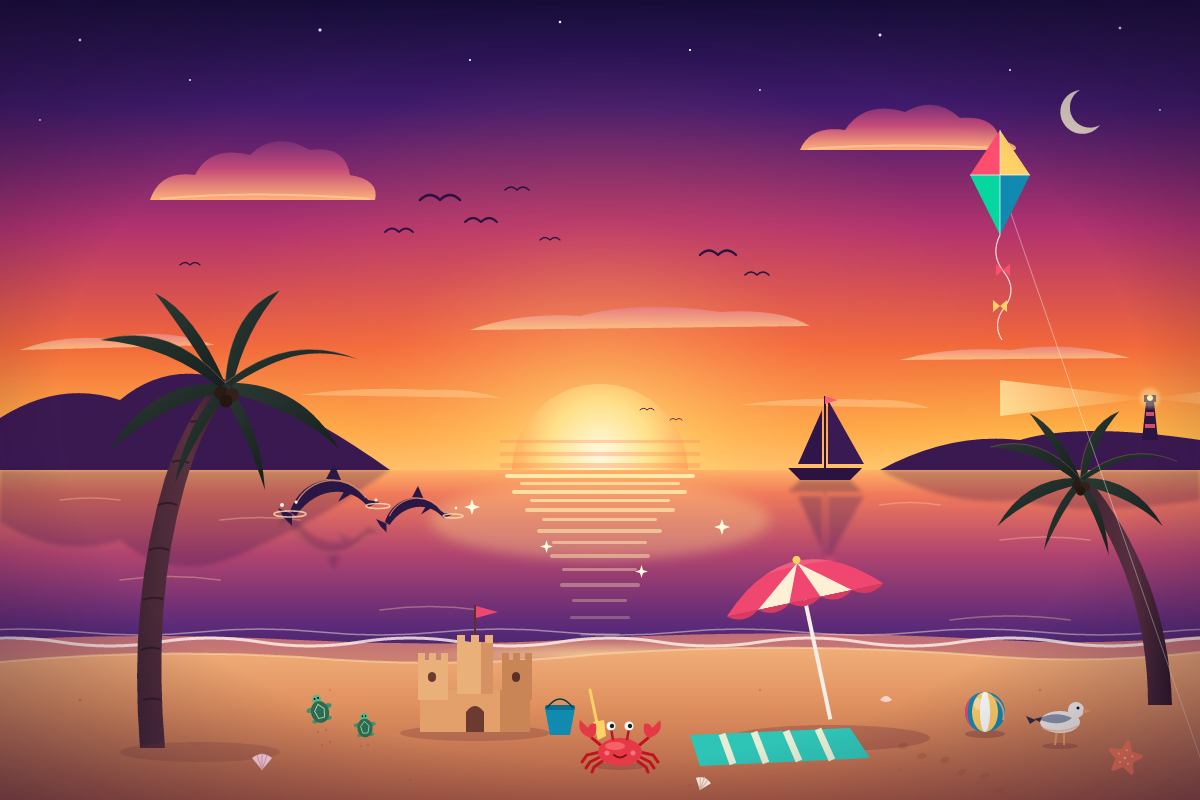
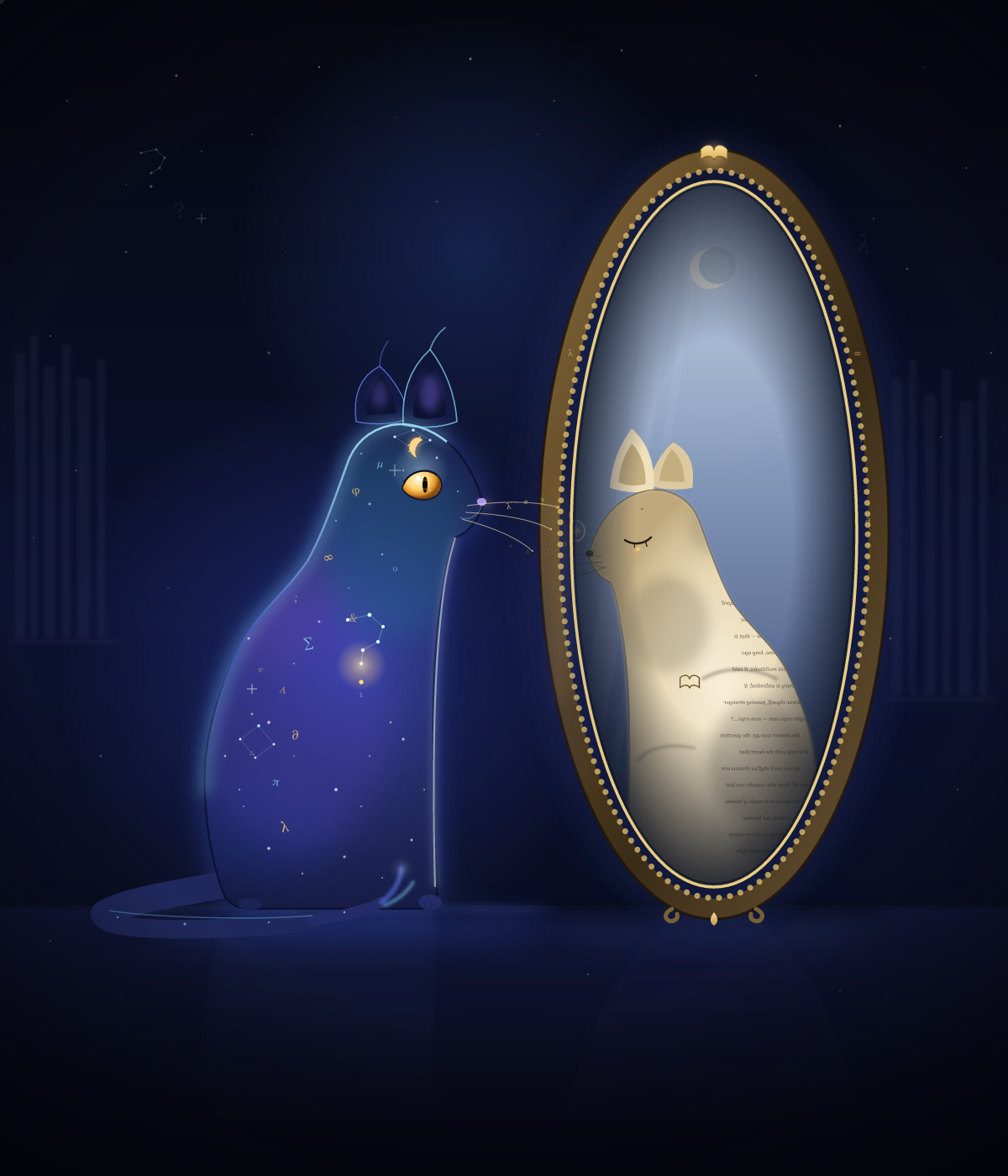
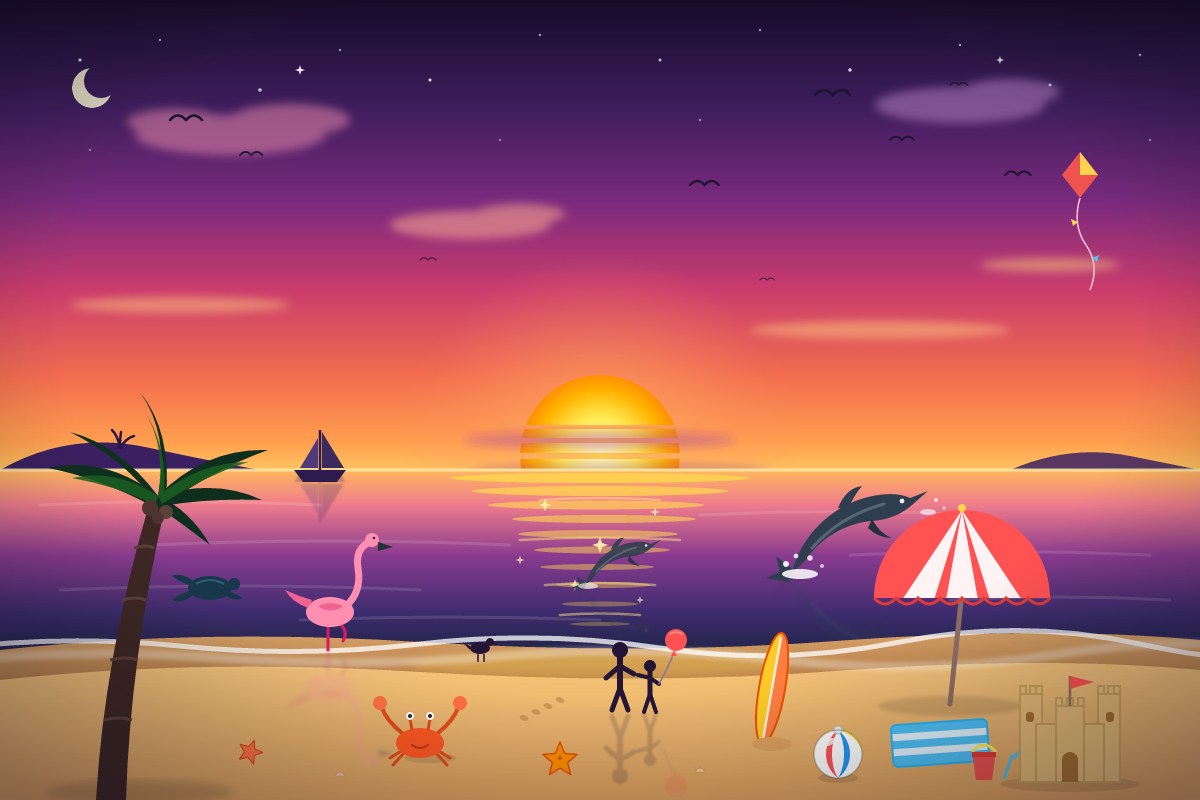
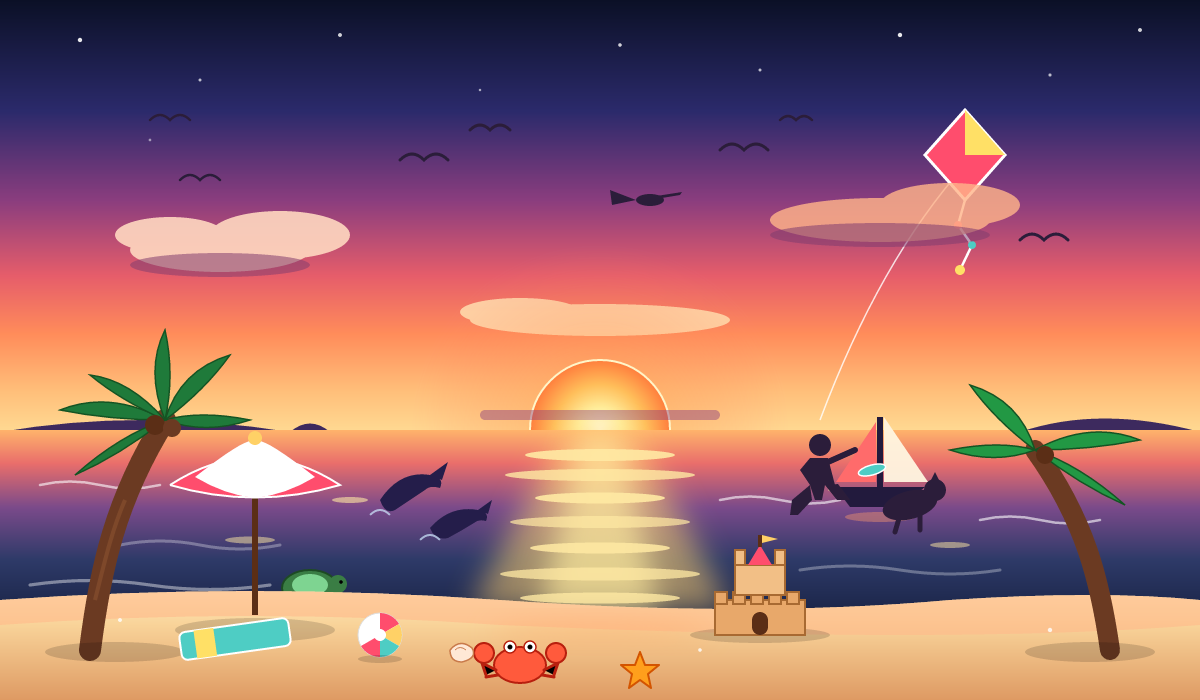
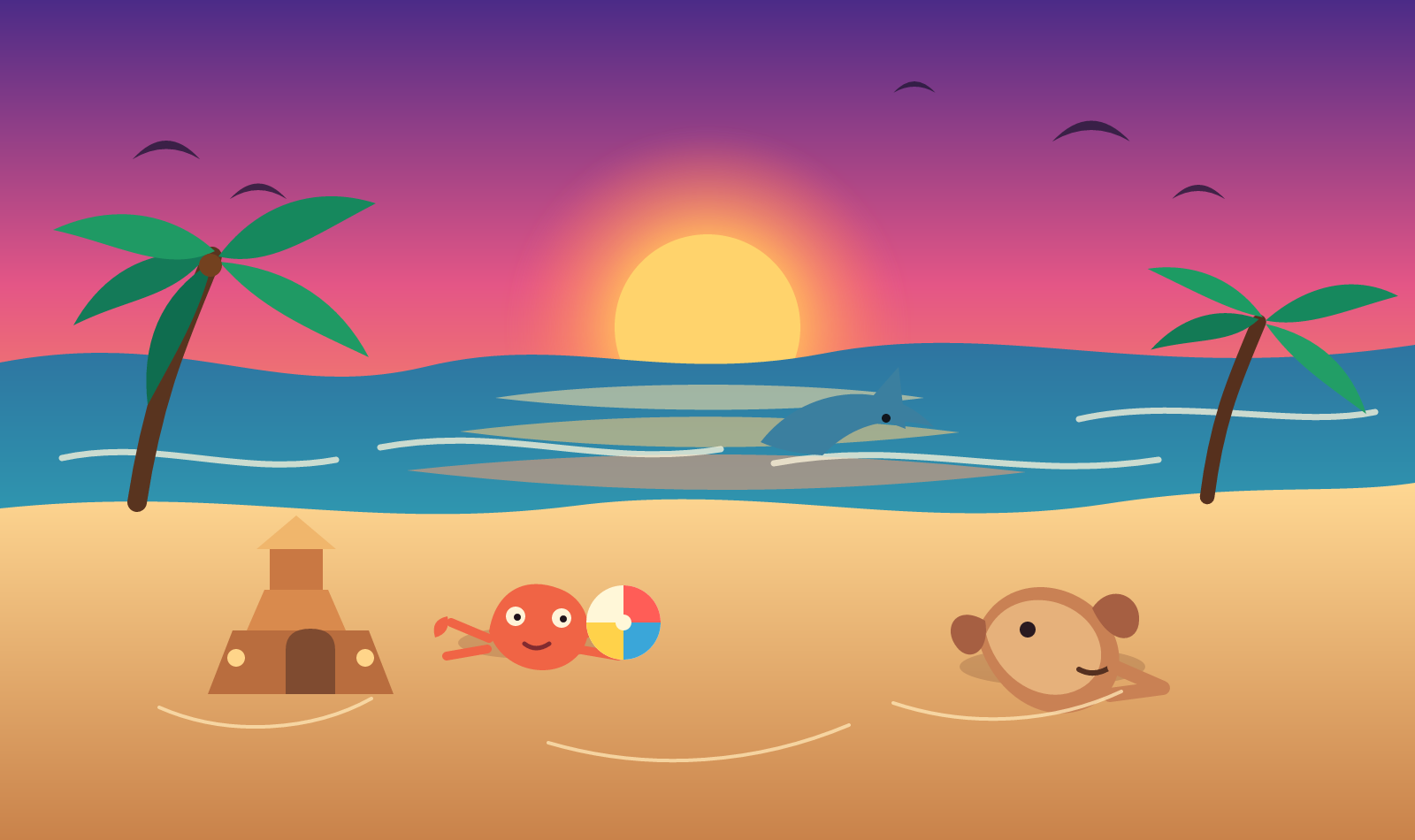
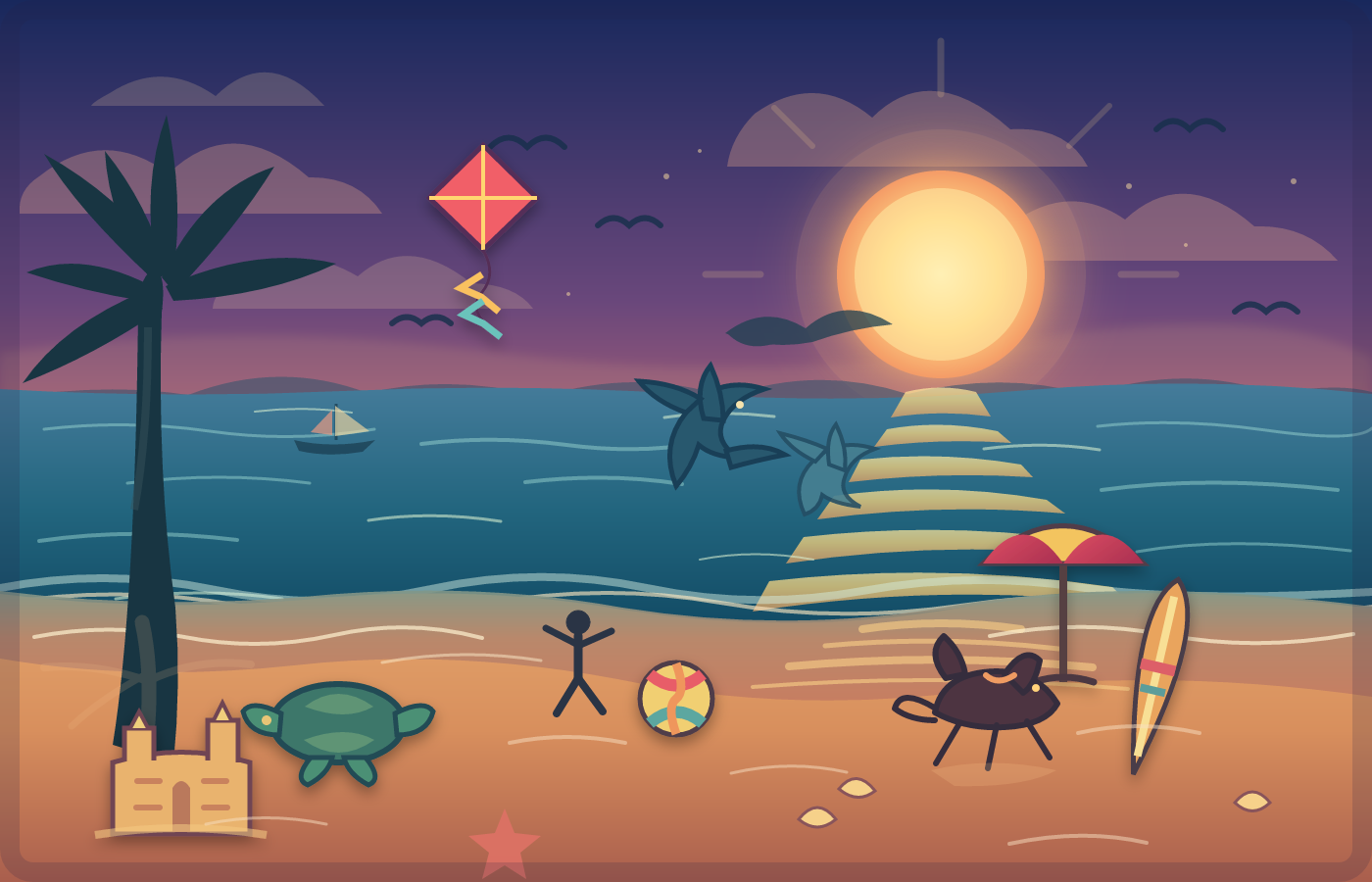
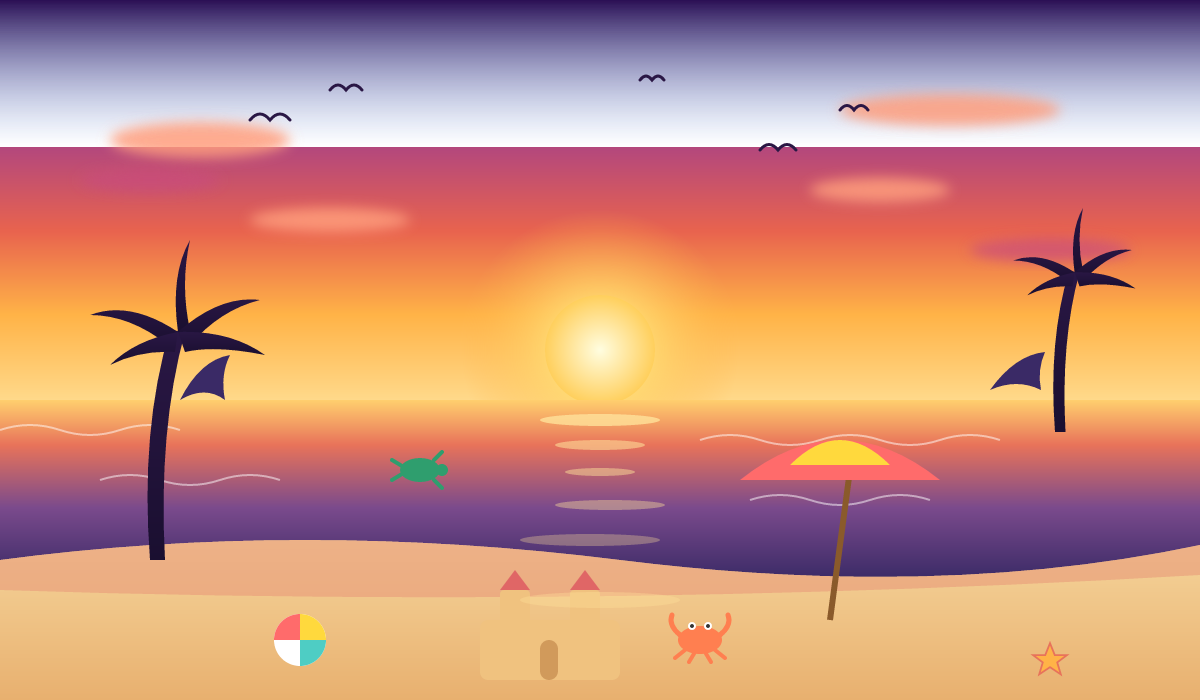
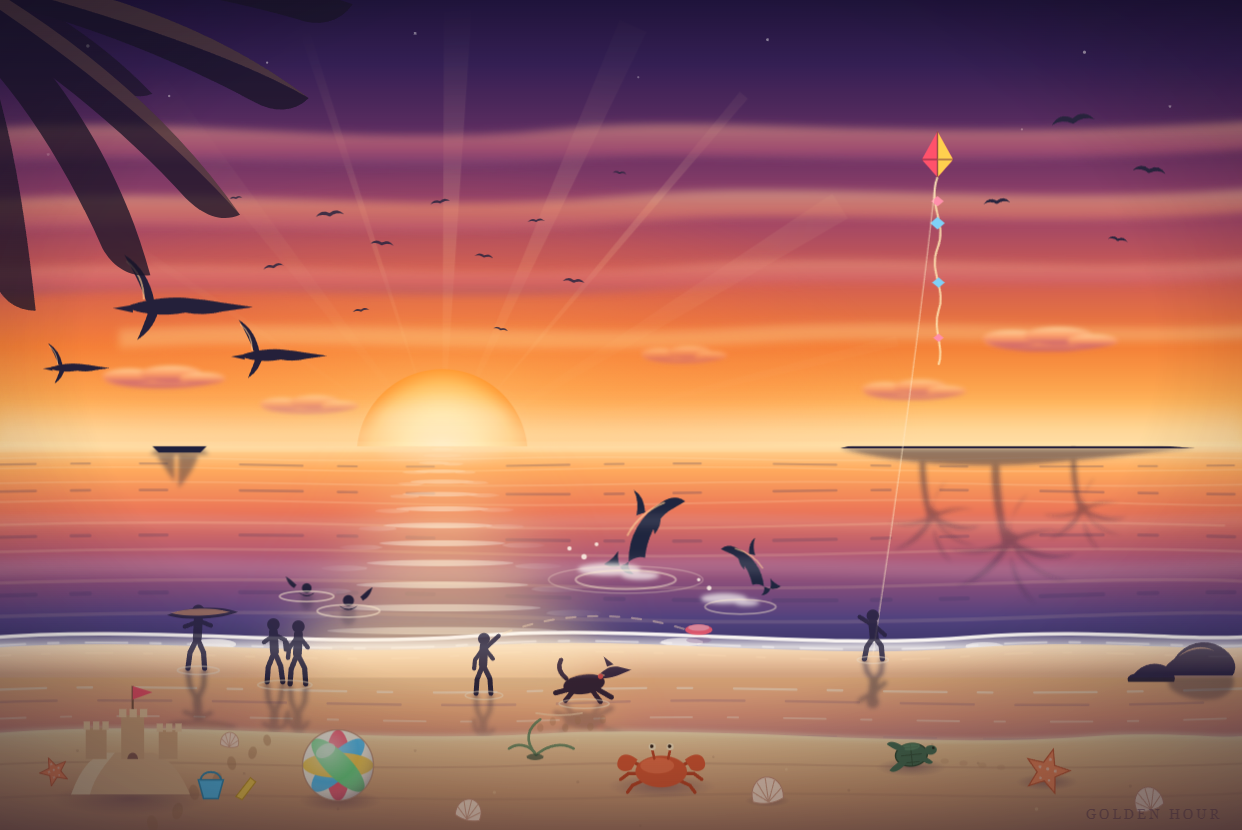
Create an SVG of a amazing beach scene. Sunset, animals, fun, birds, reflections Make it a masterpiece You may NOT use tools, browser, image analysis. Directly output the SVG as code
First run
·No result yet
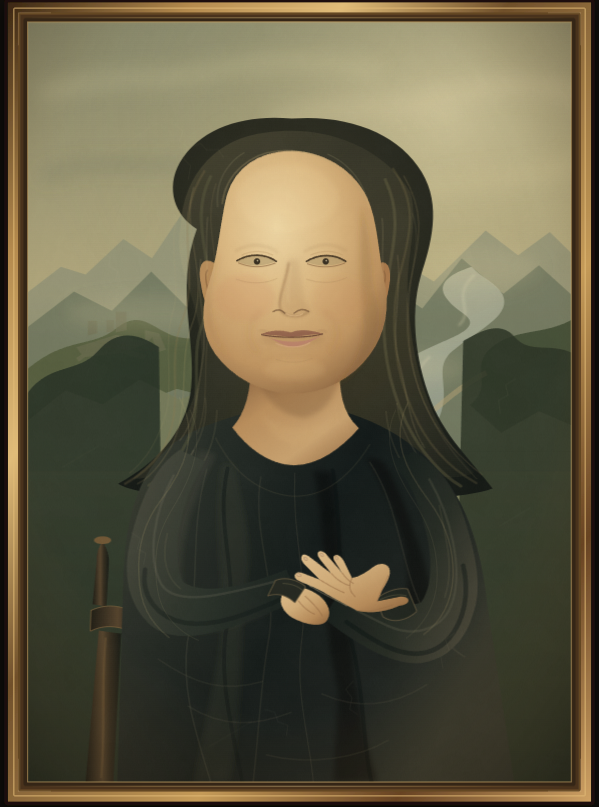
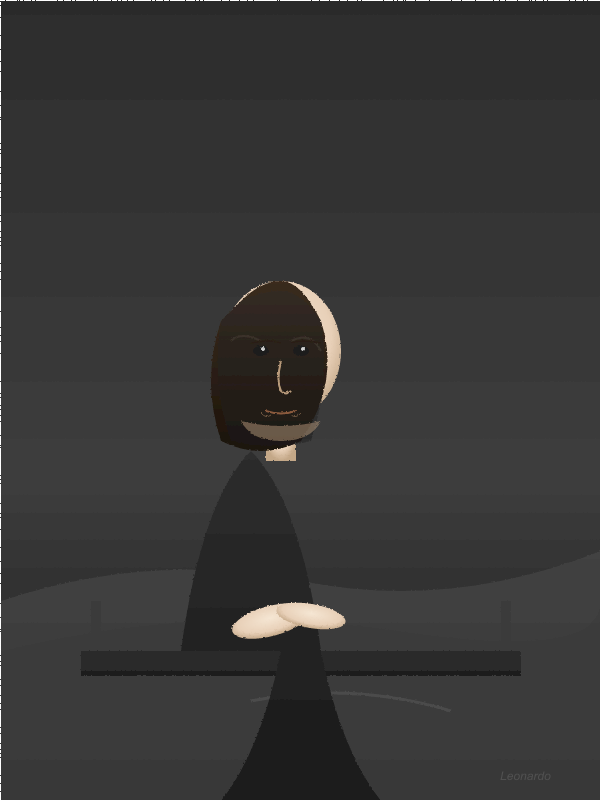
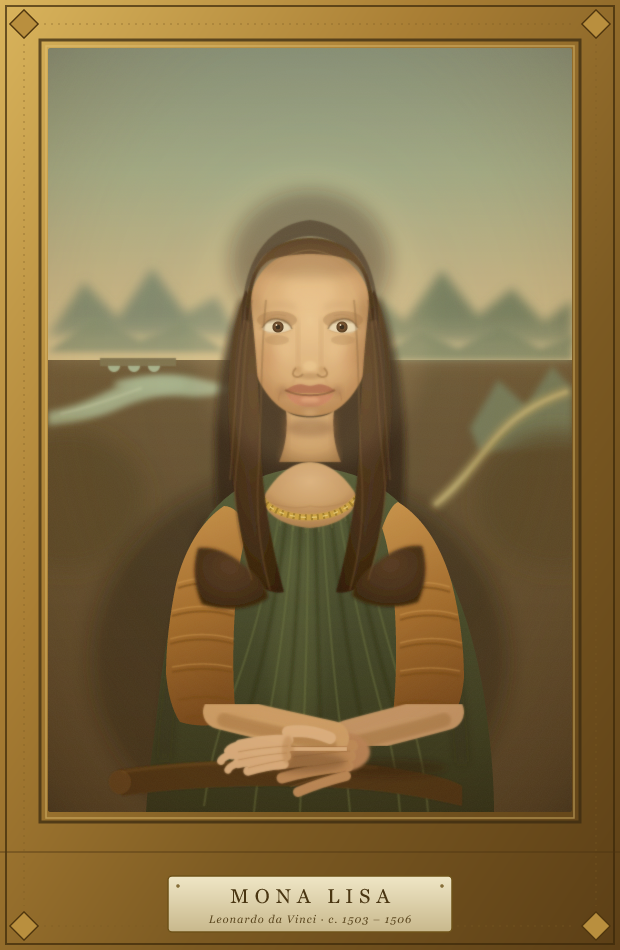
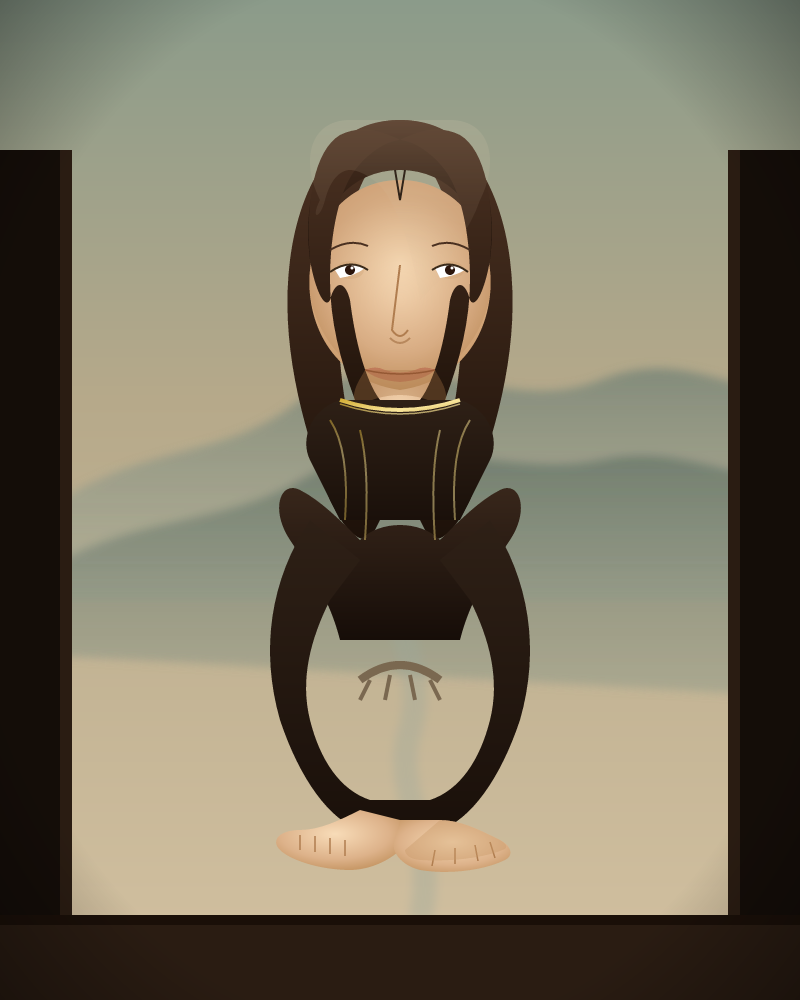
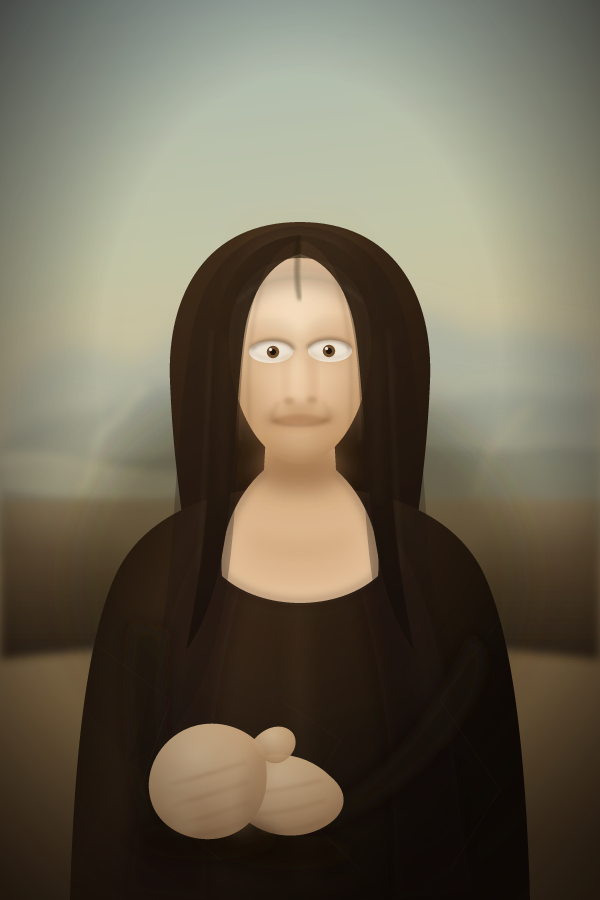
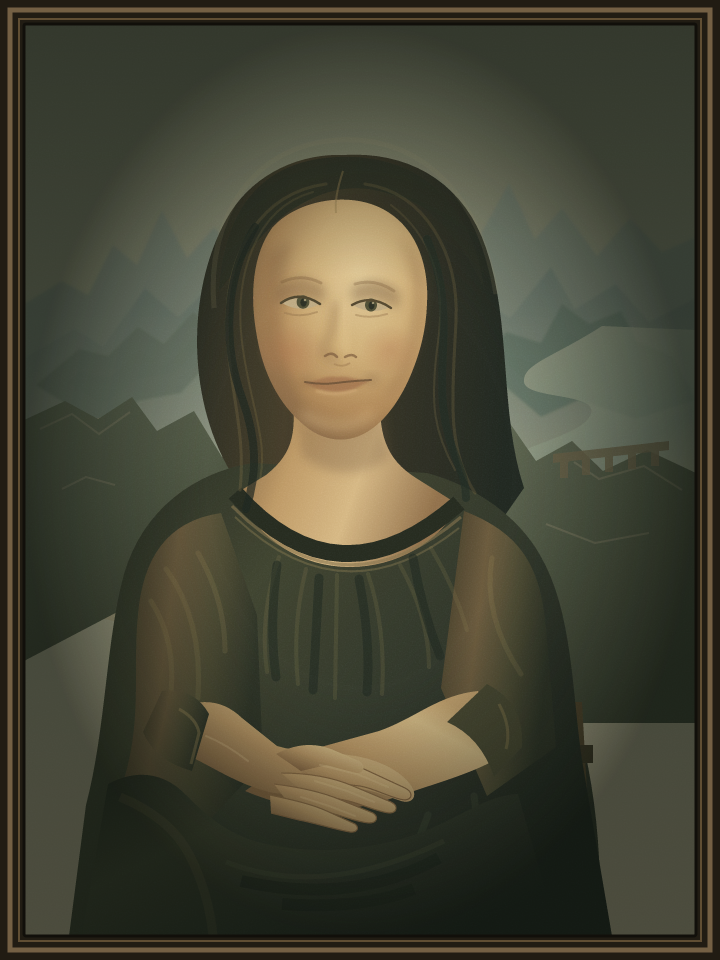
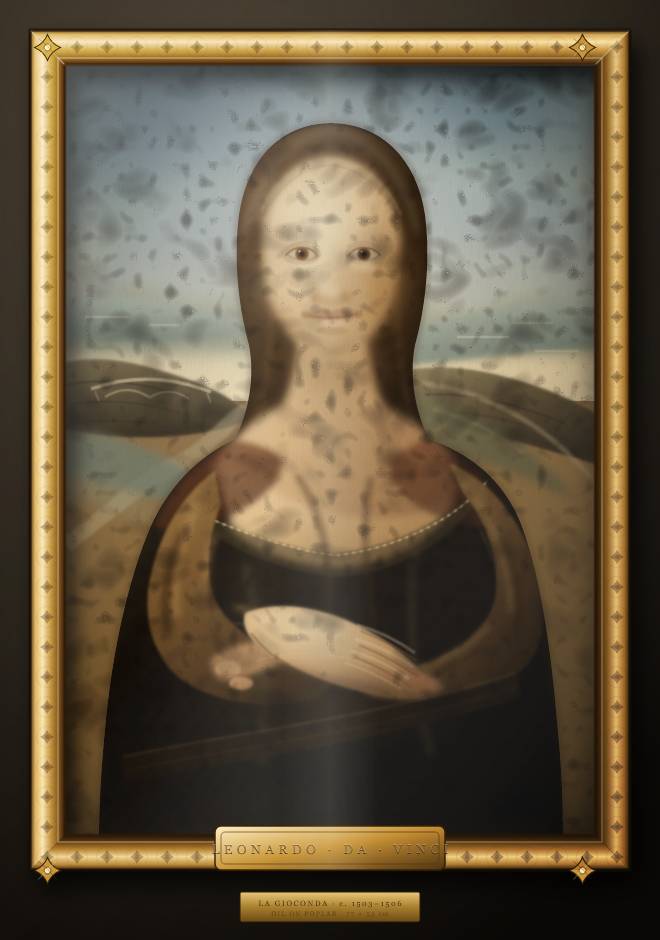
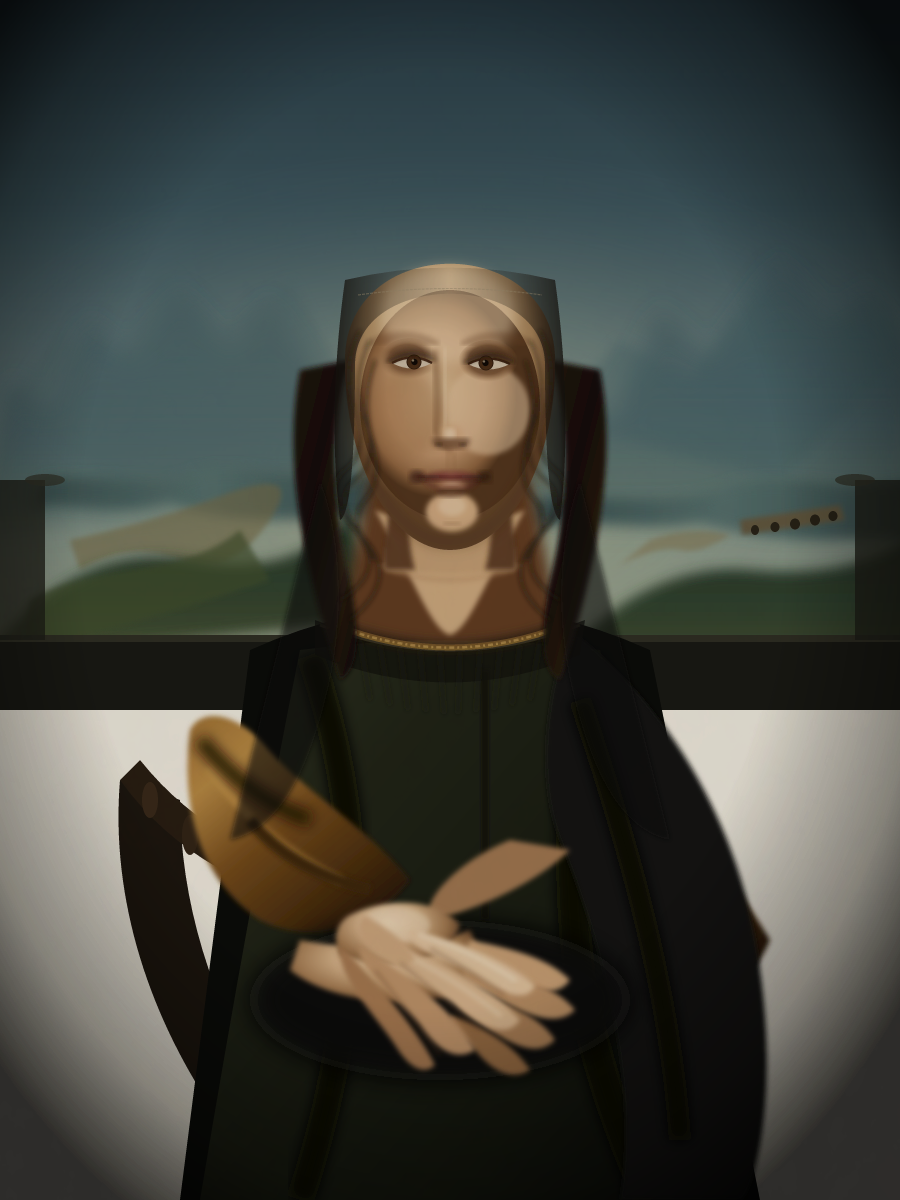
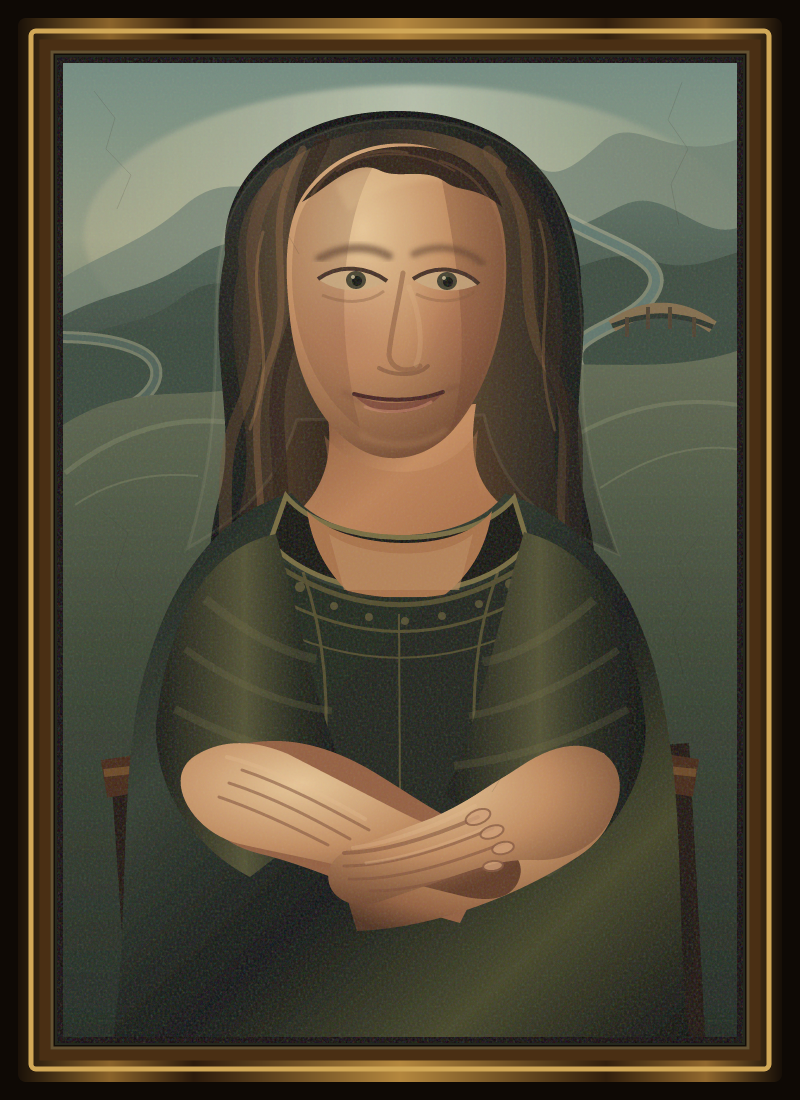
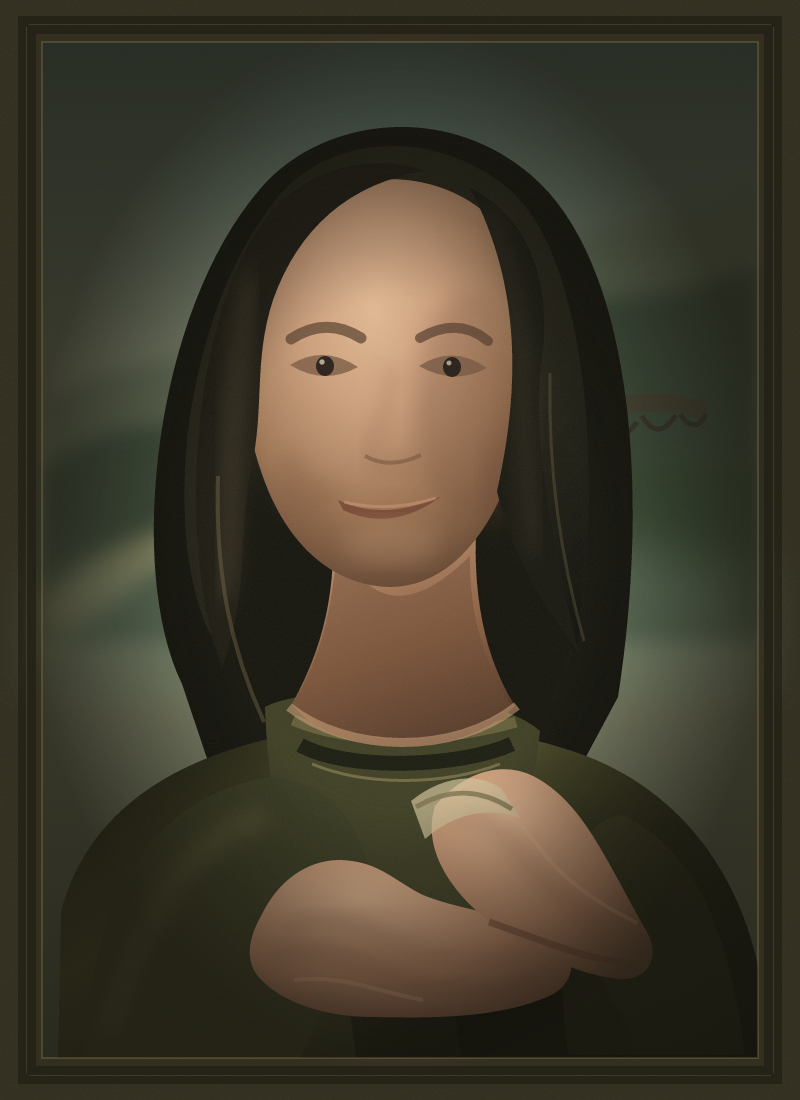
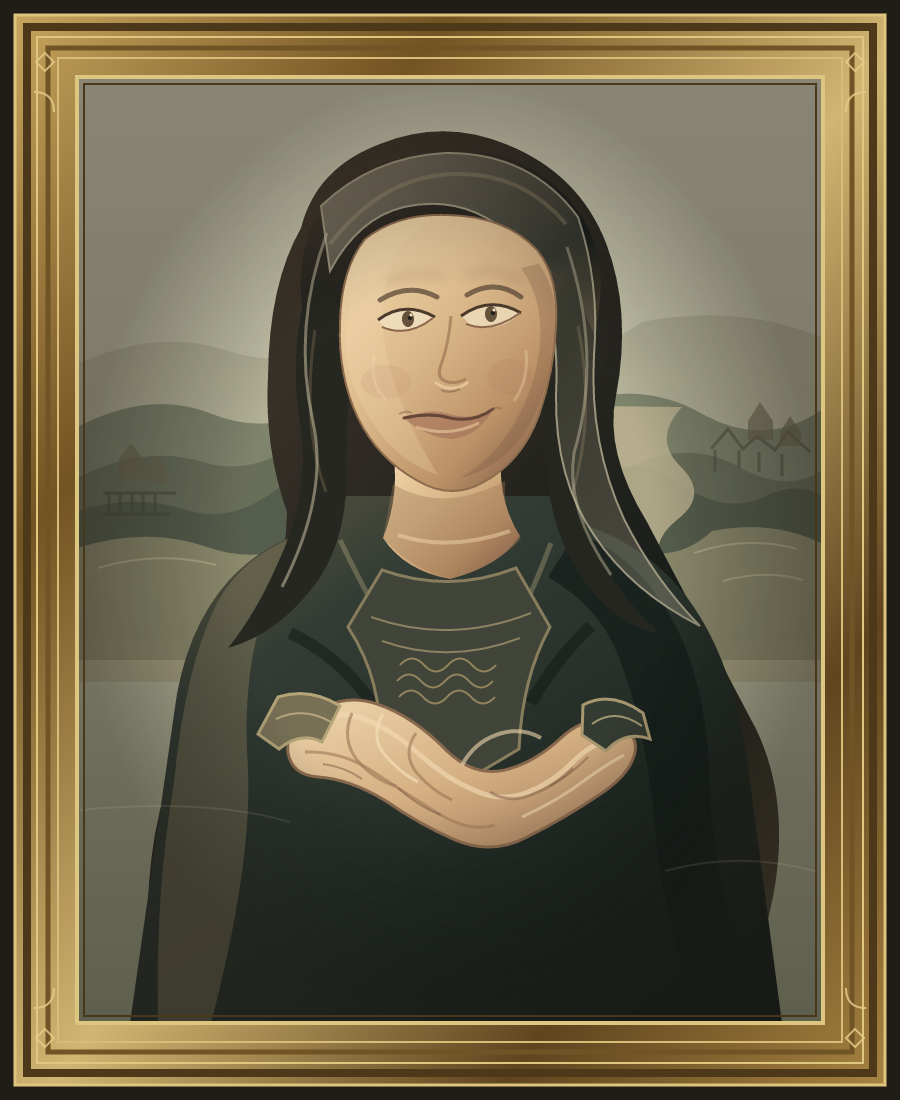
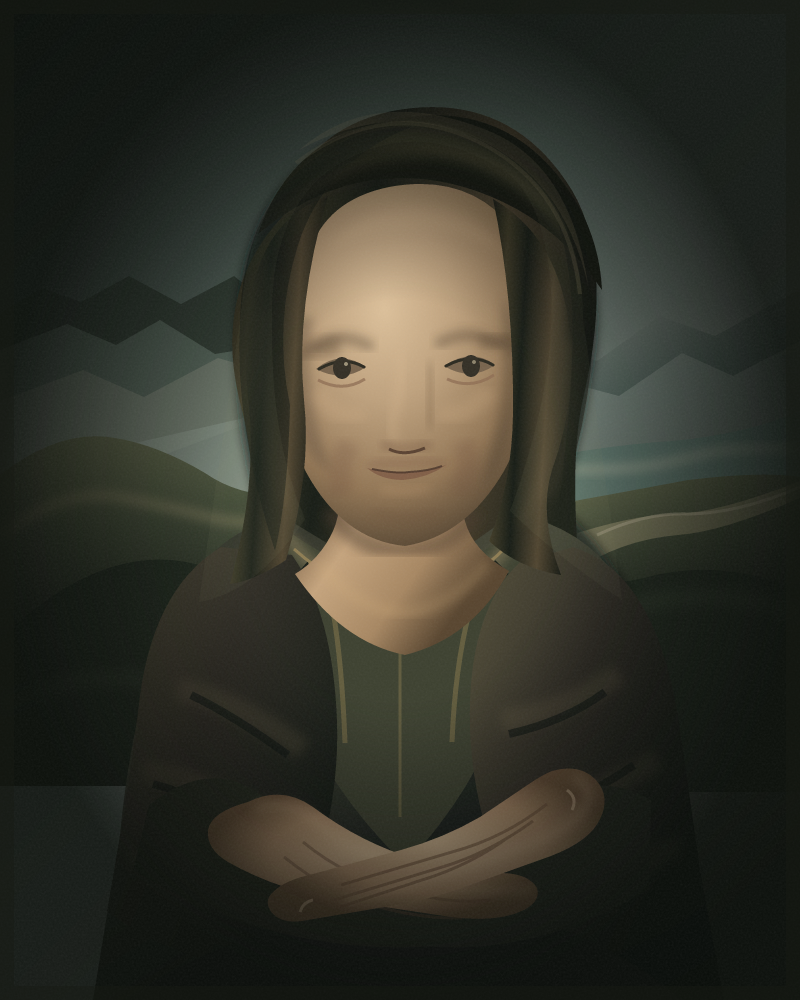
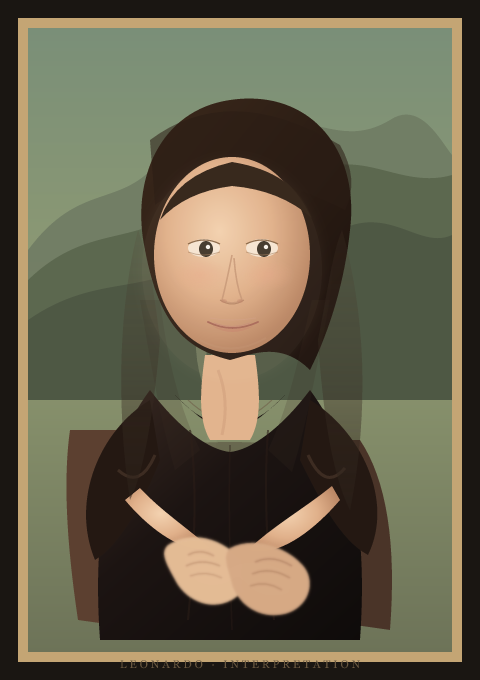
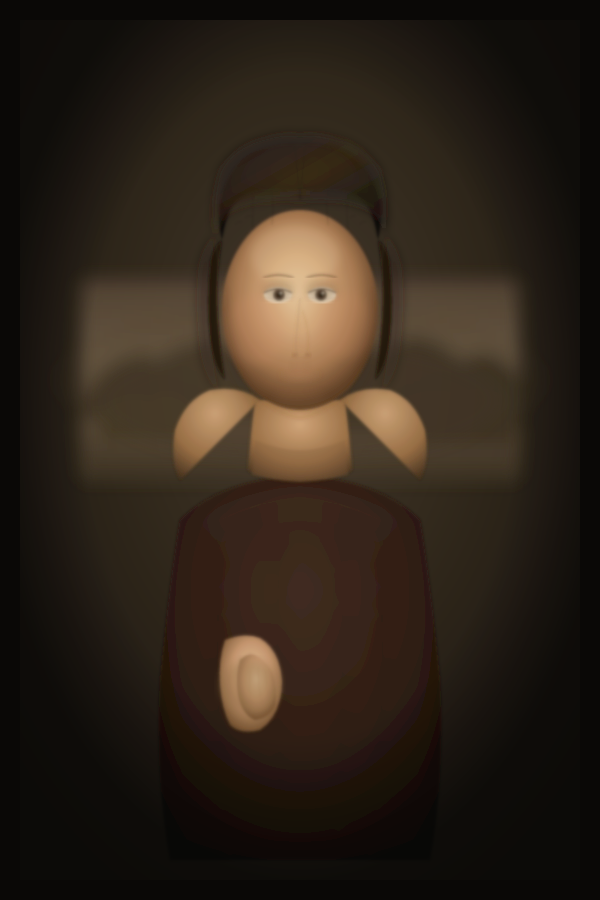
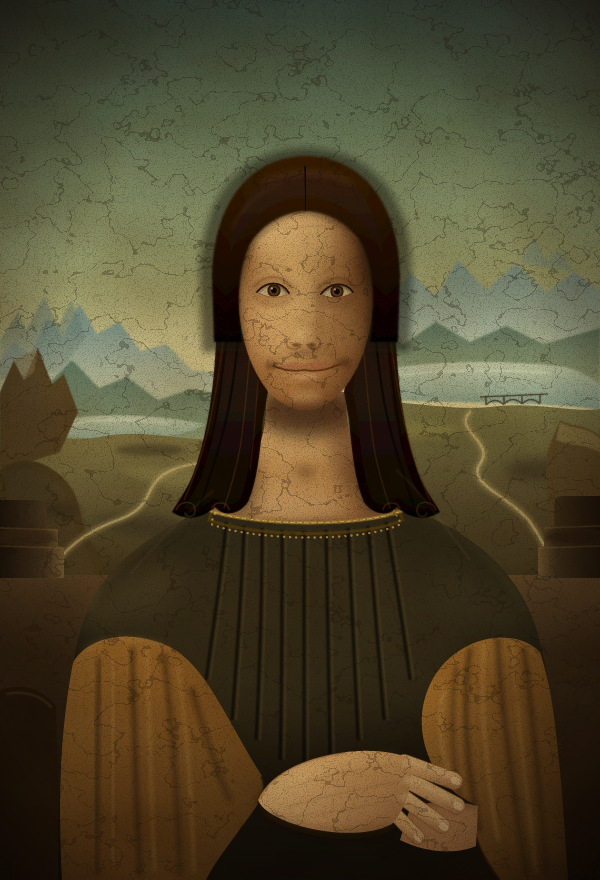
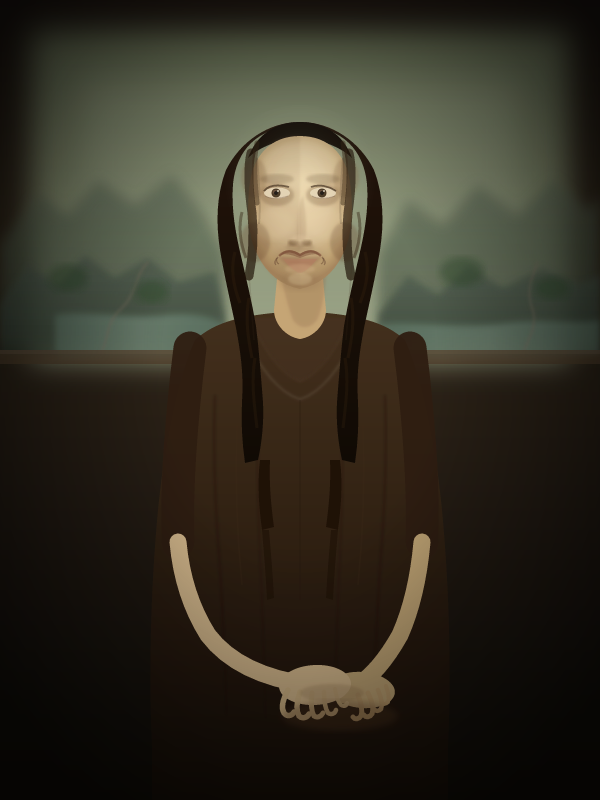
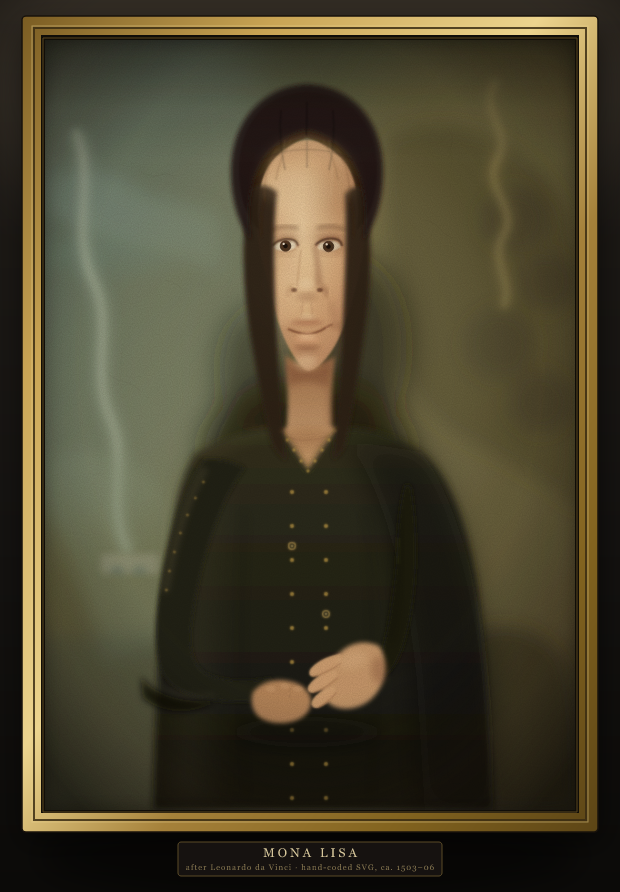
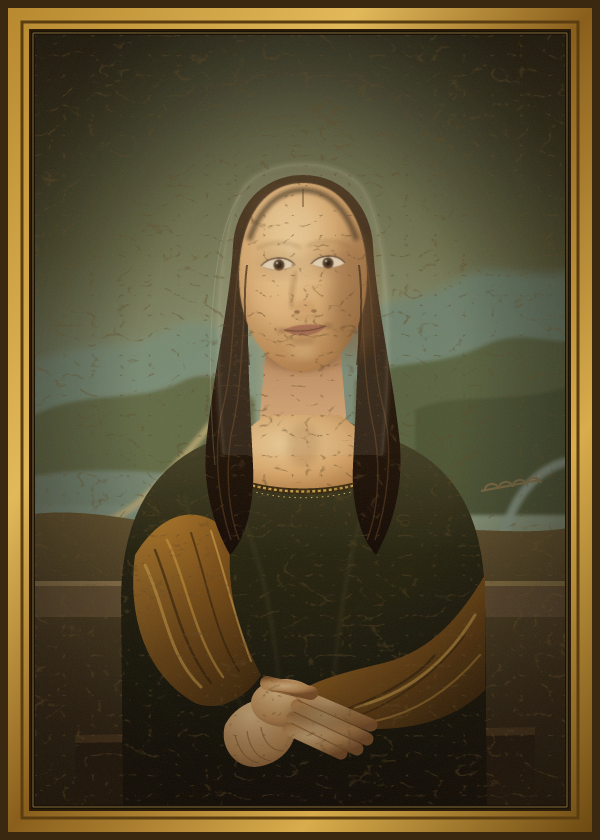
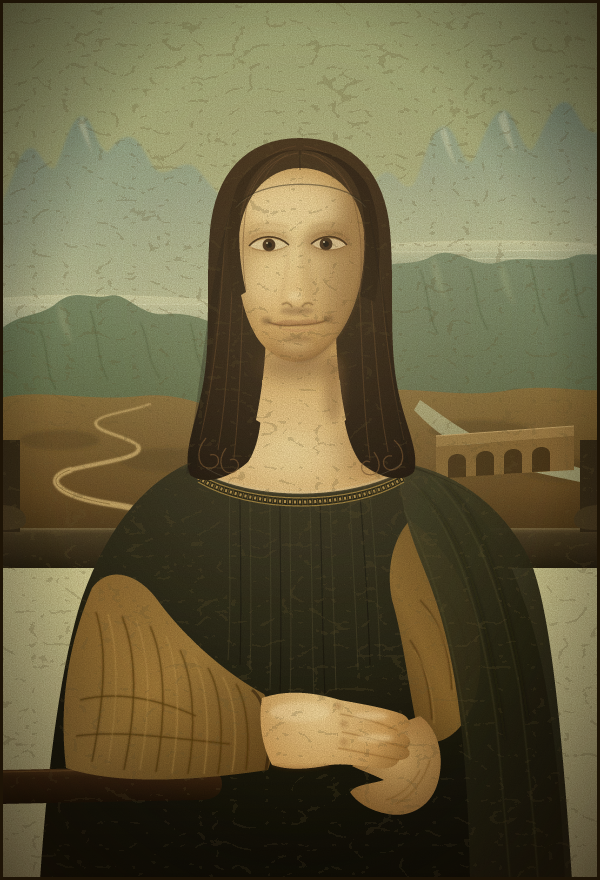
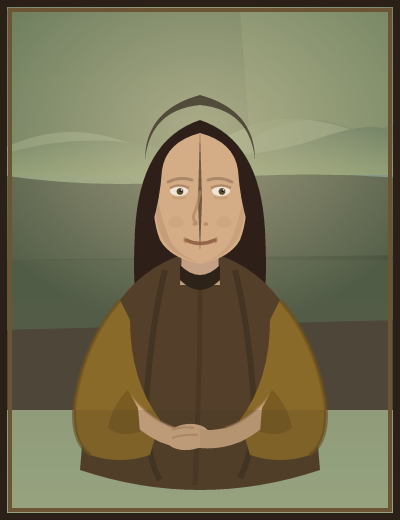
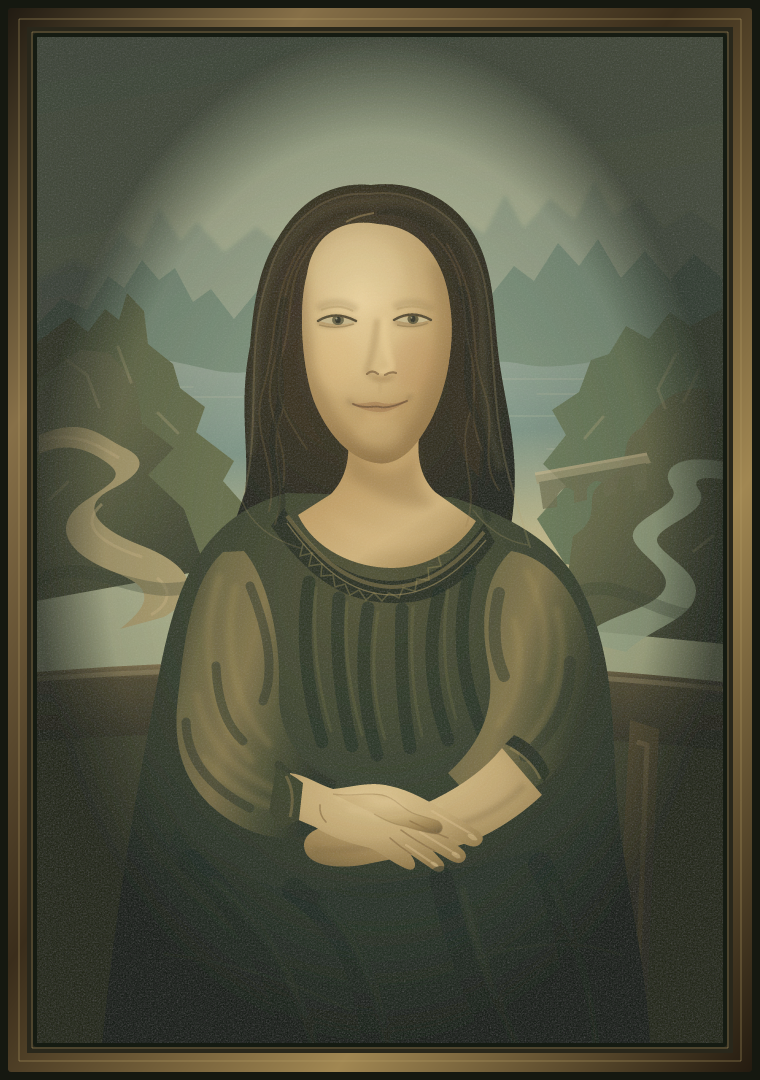
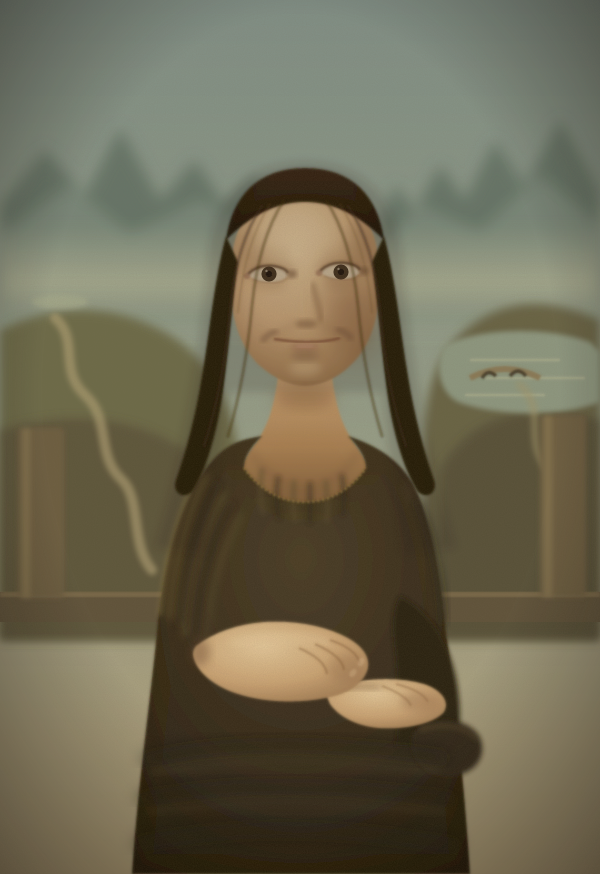
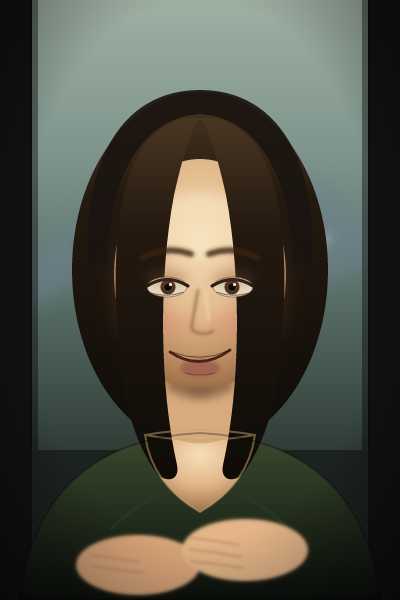
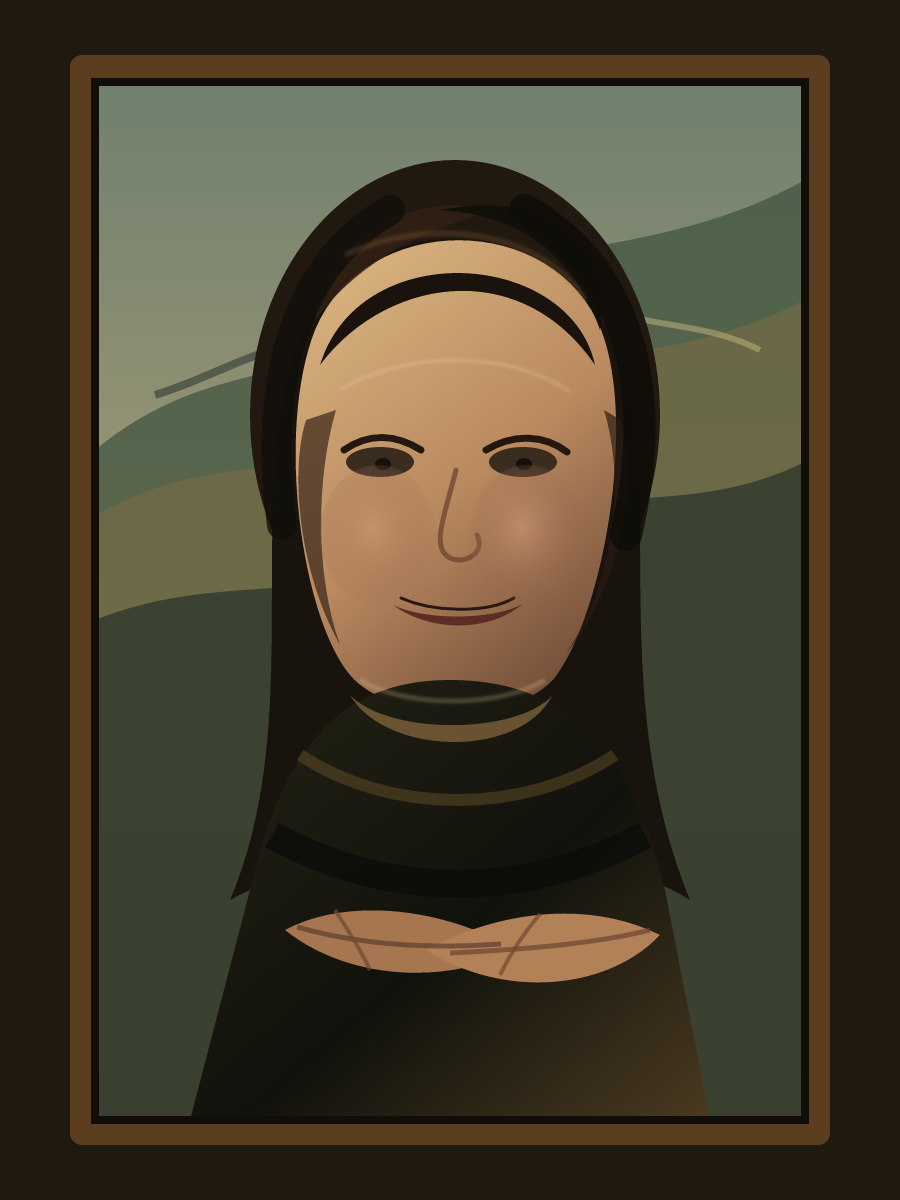
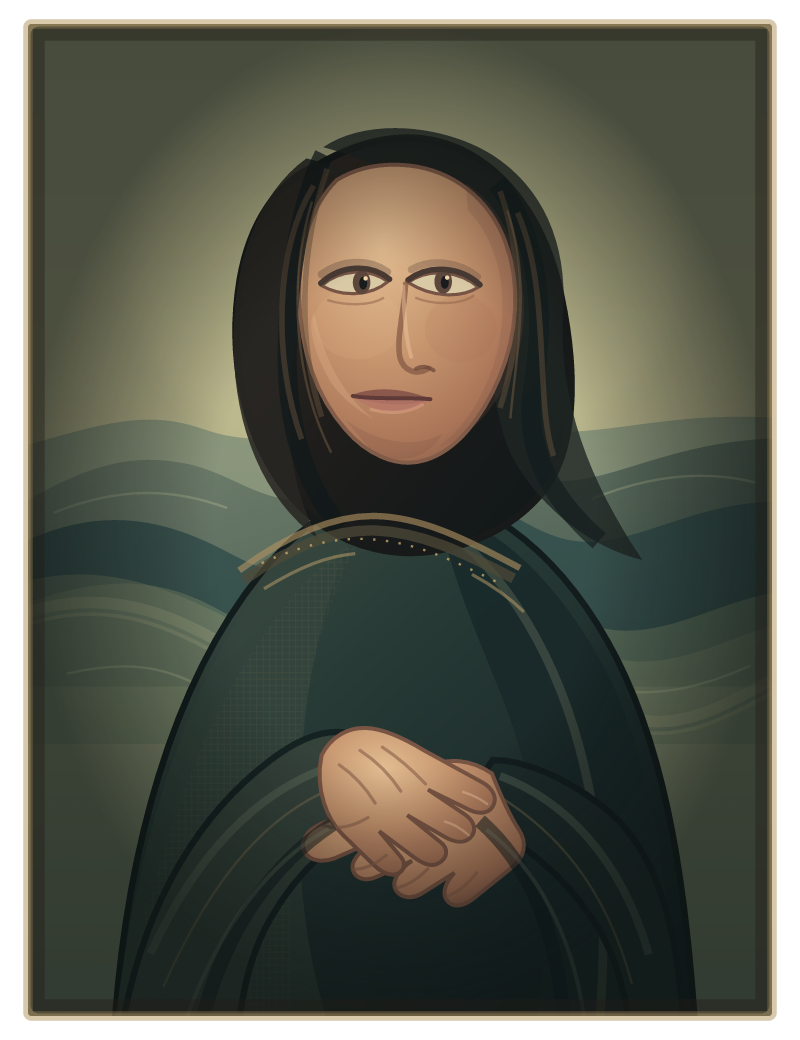
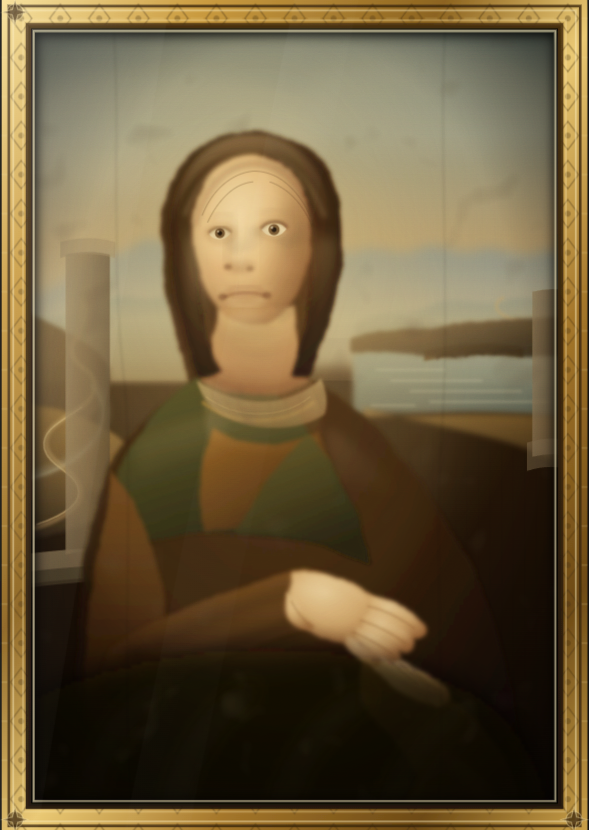
Mona LisaPrecise visual recall
and portrait reconstructionComplexity 5/10
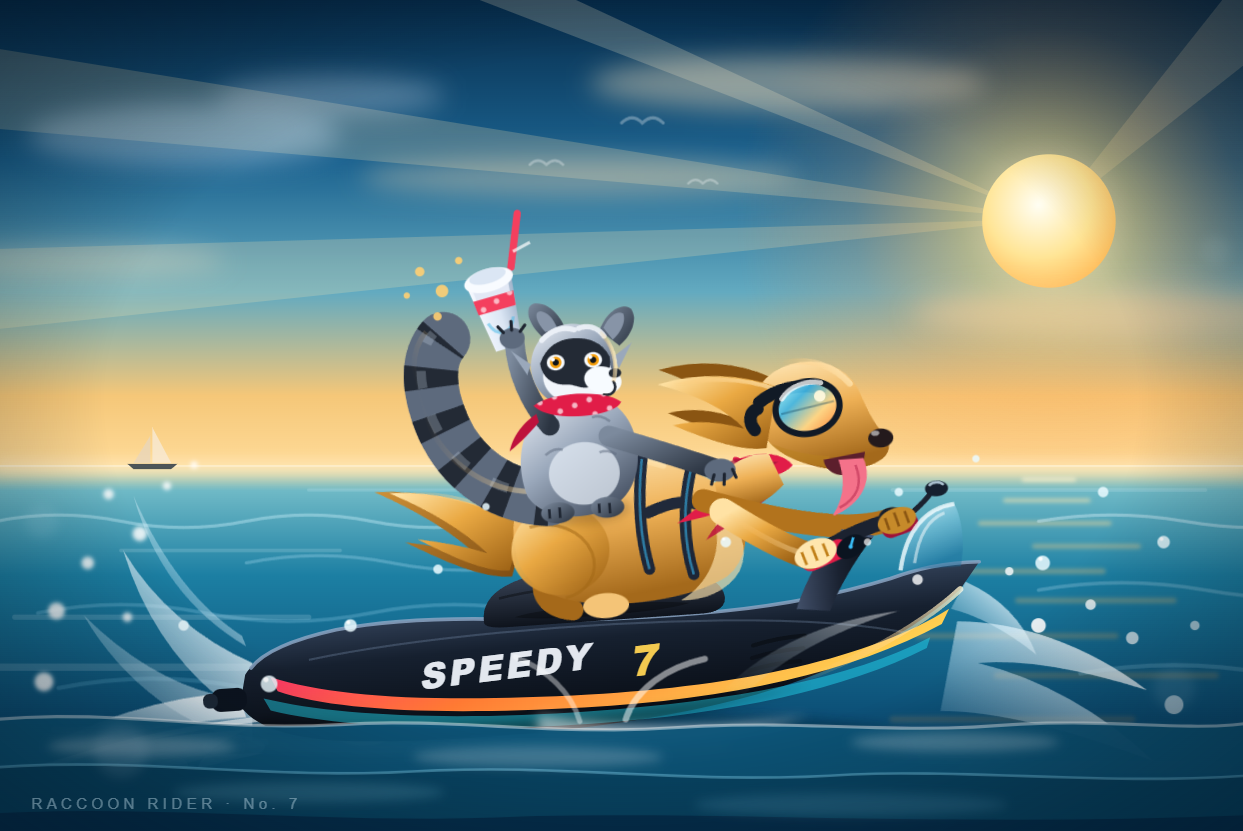
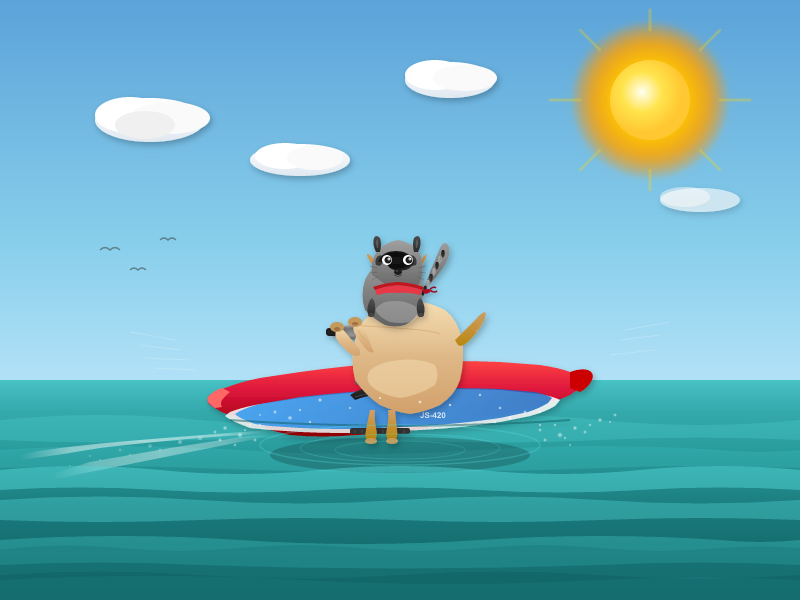
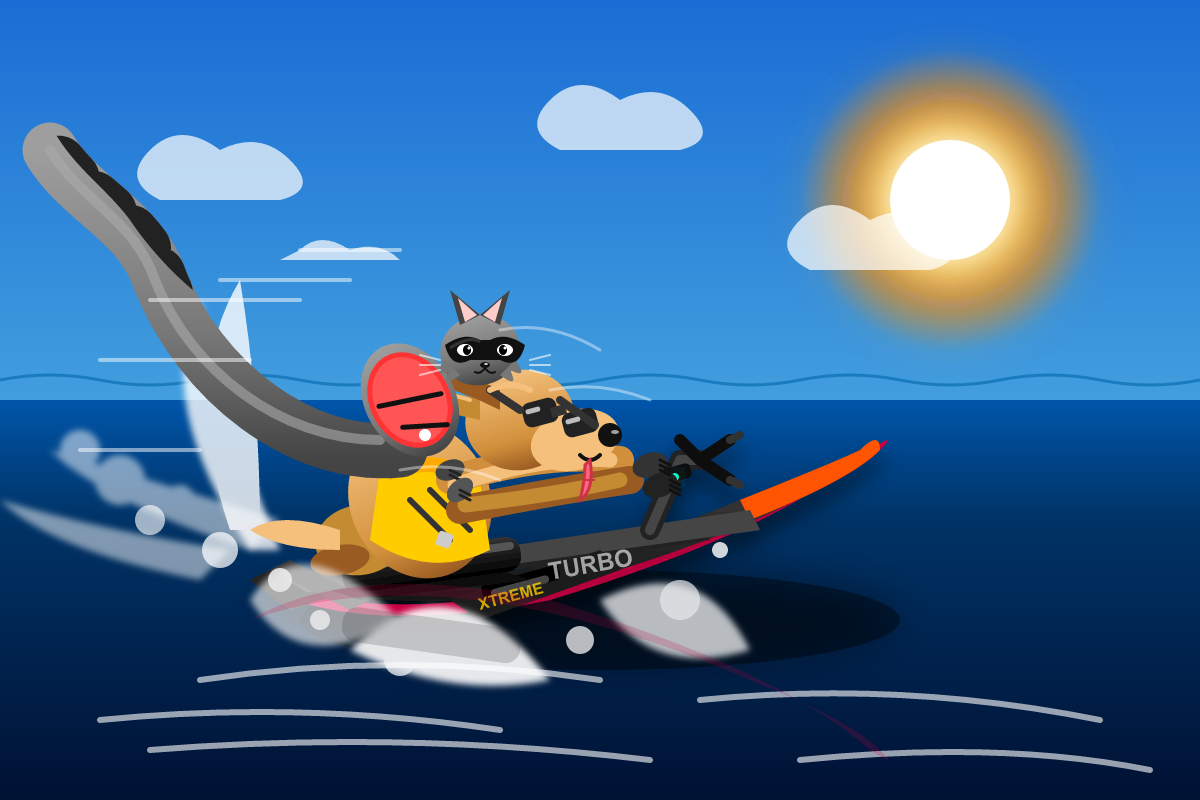
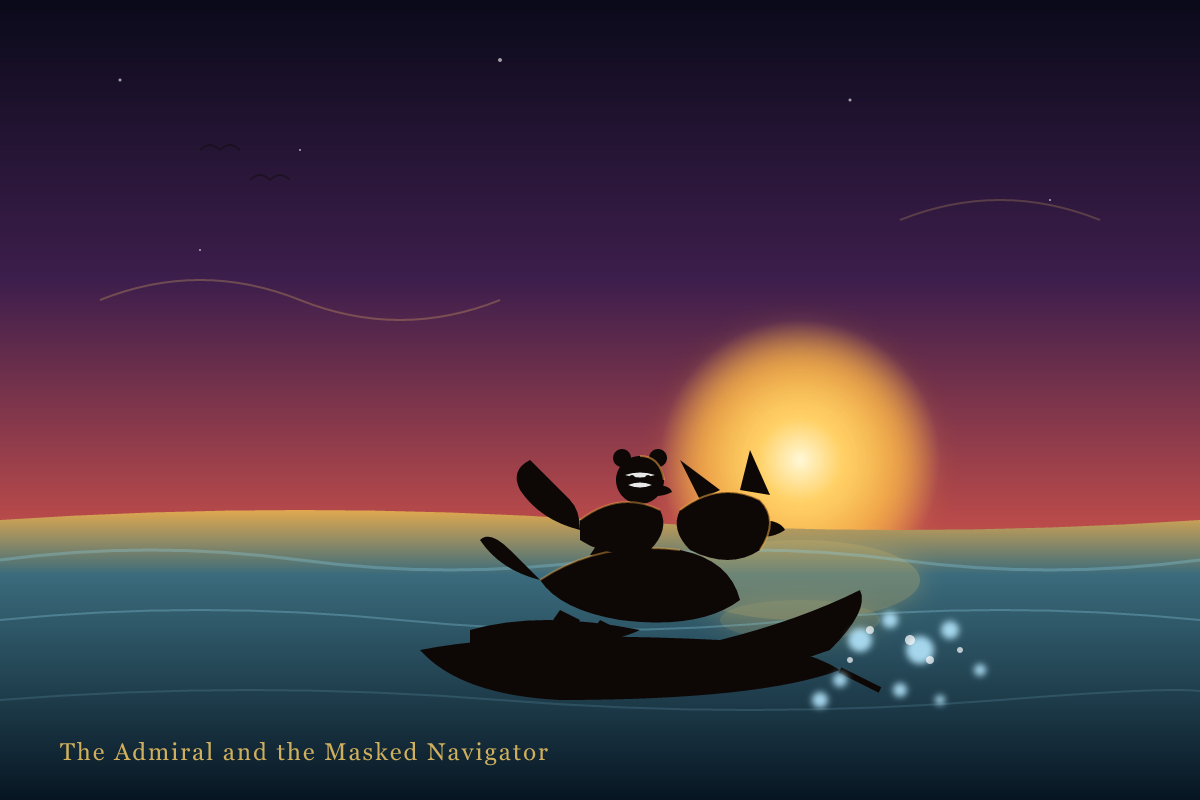
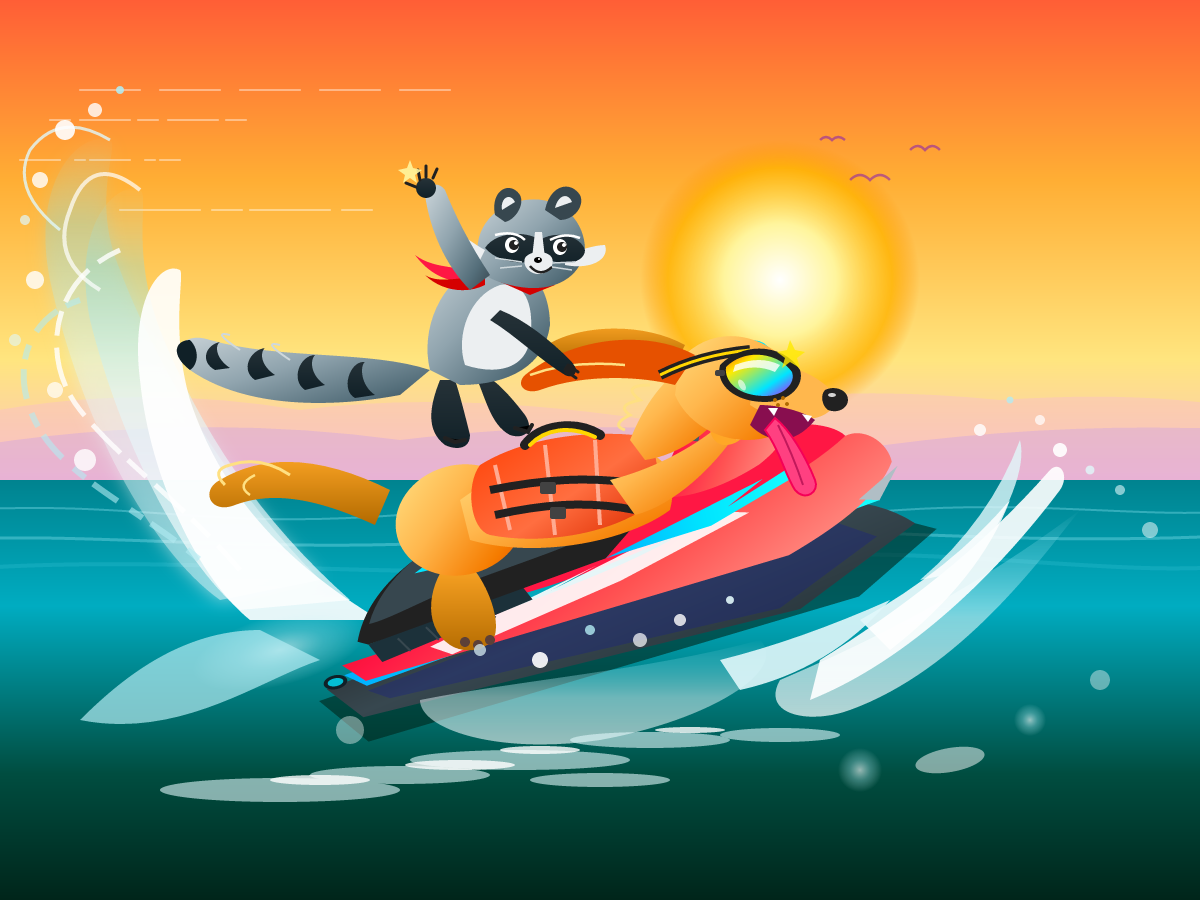
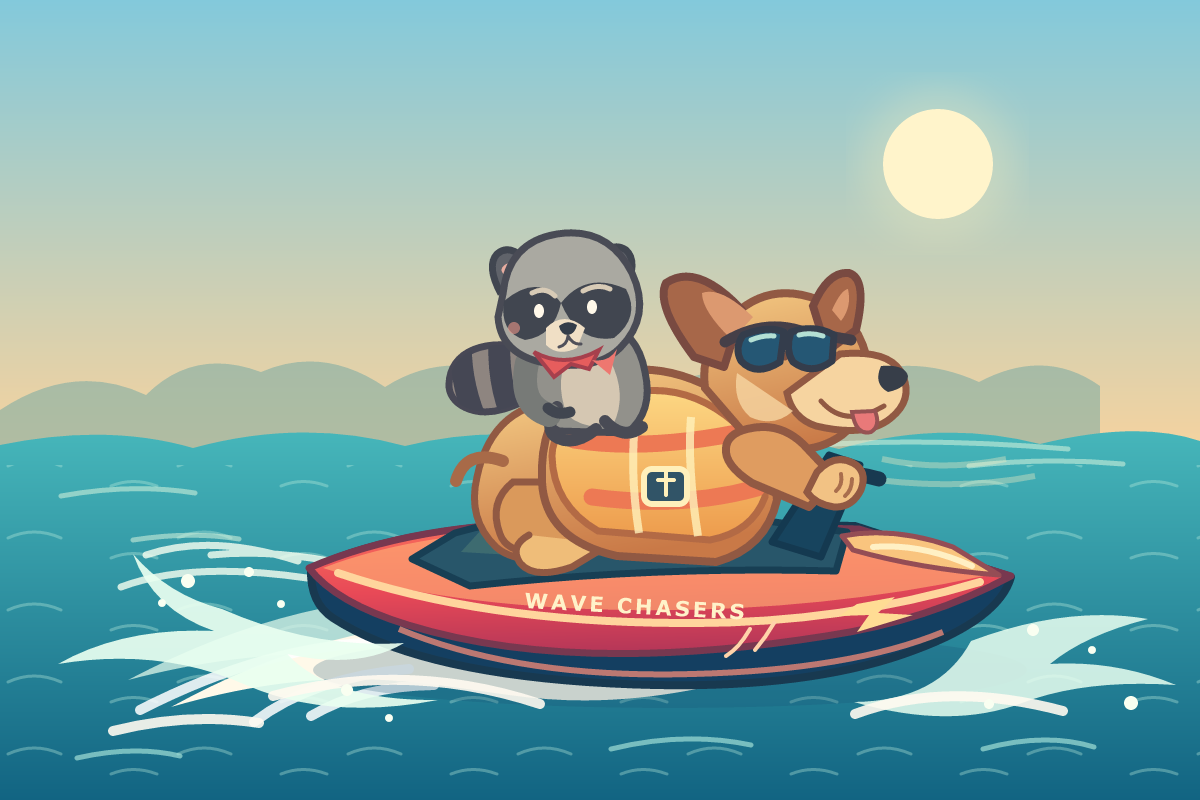
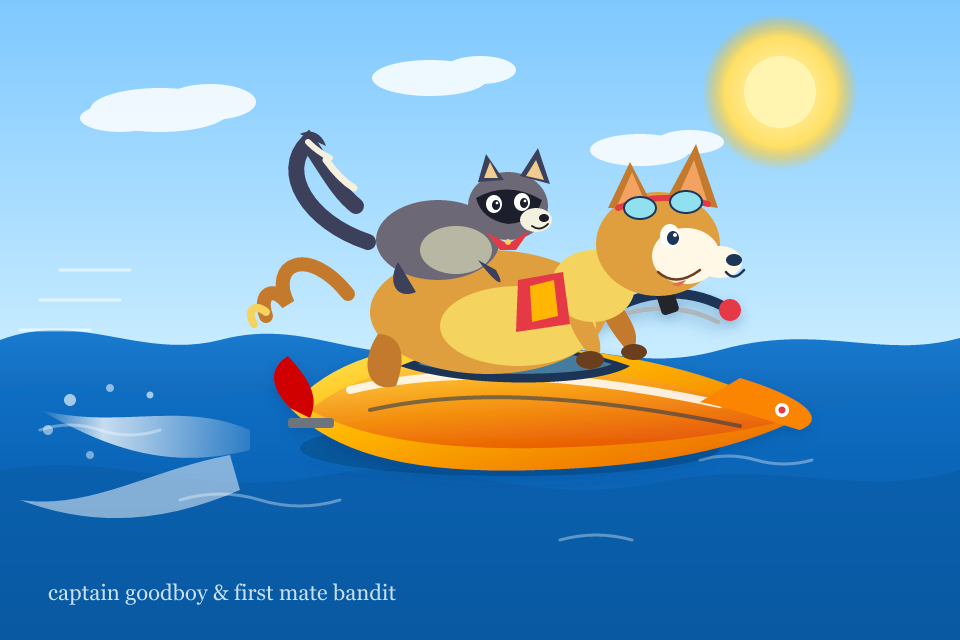
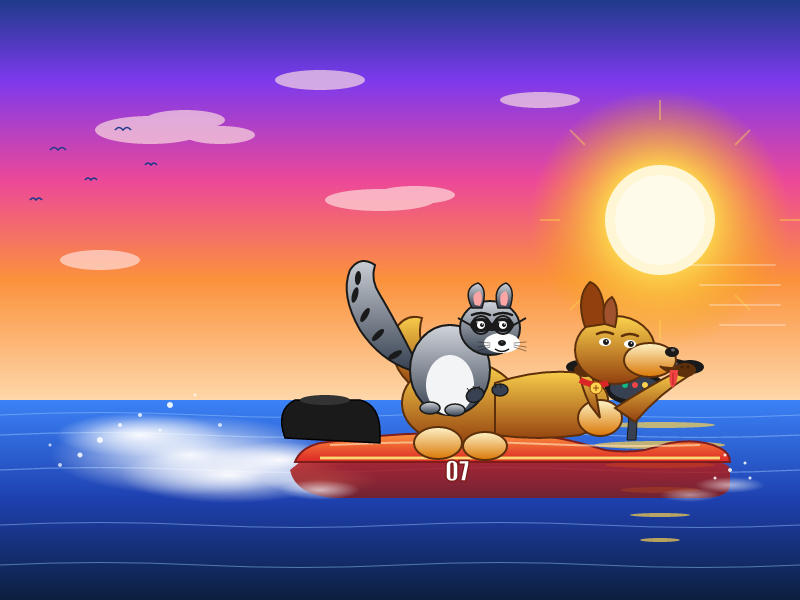
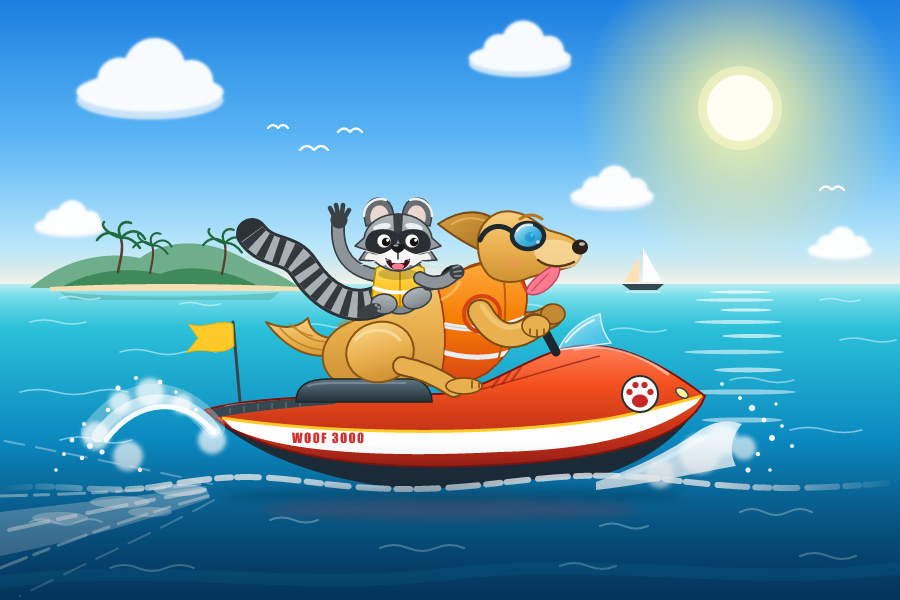
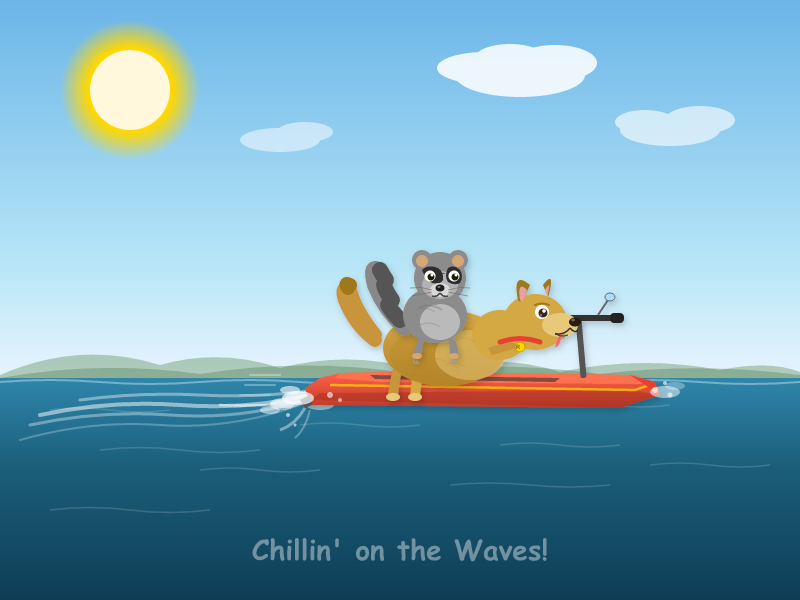
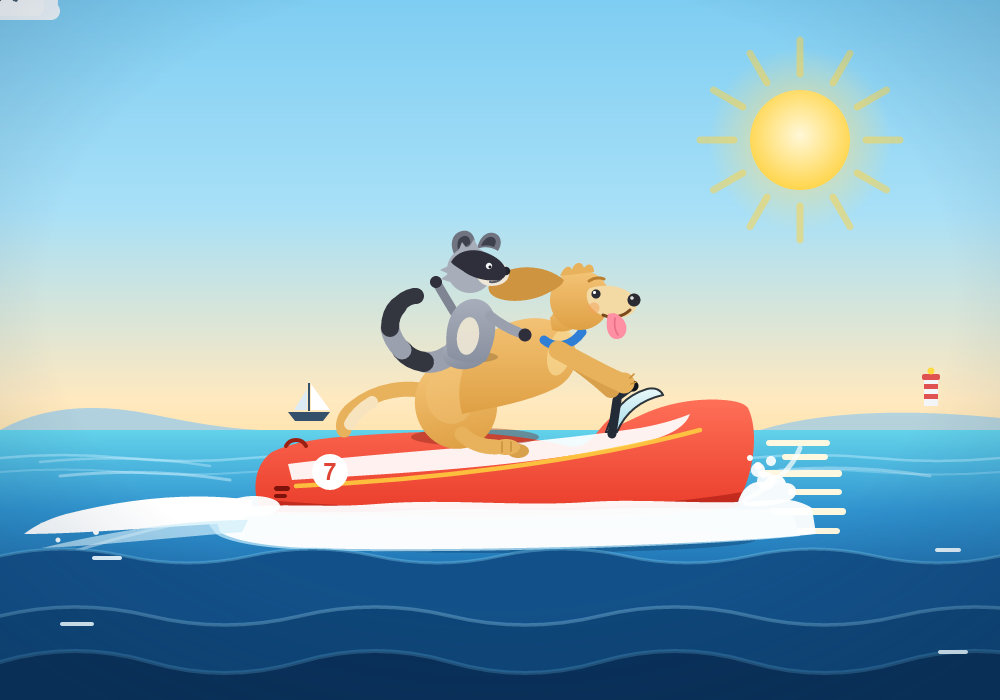
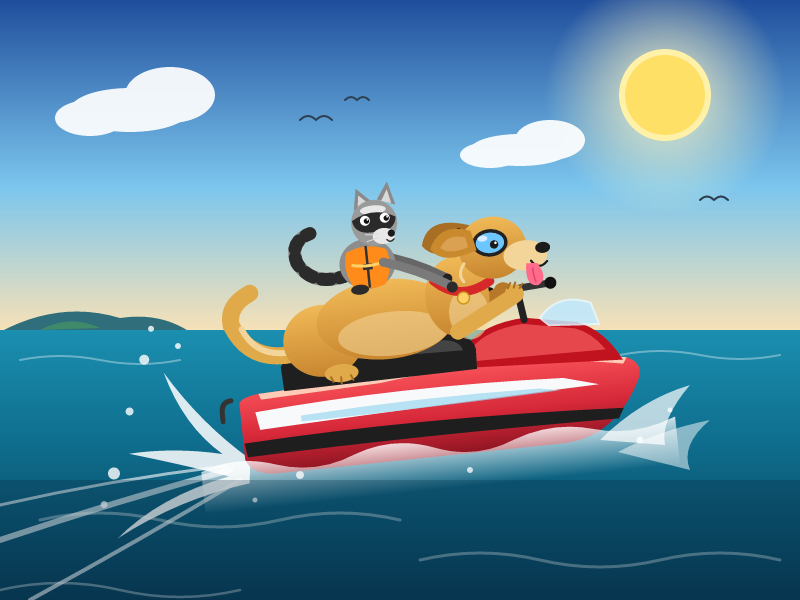
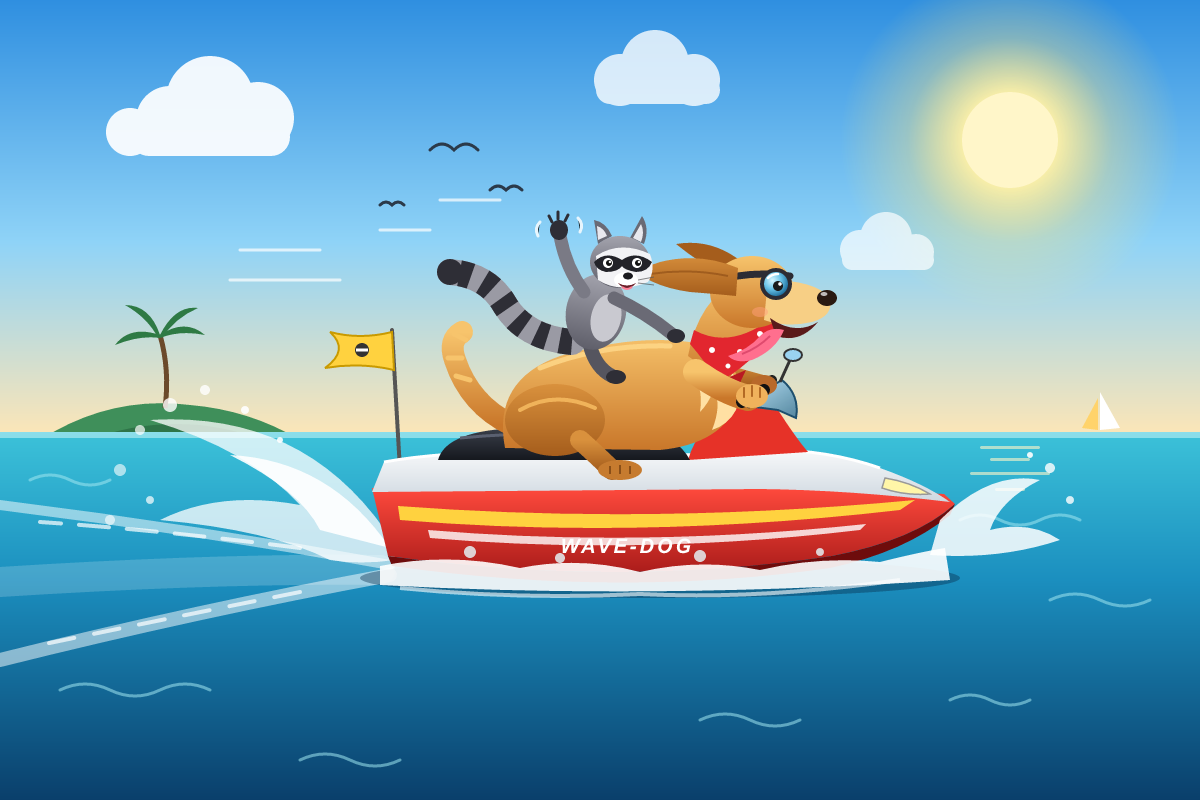
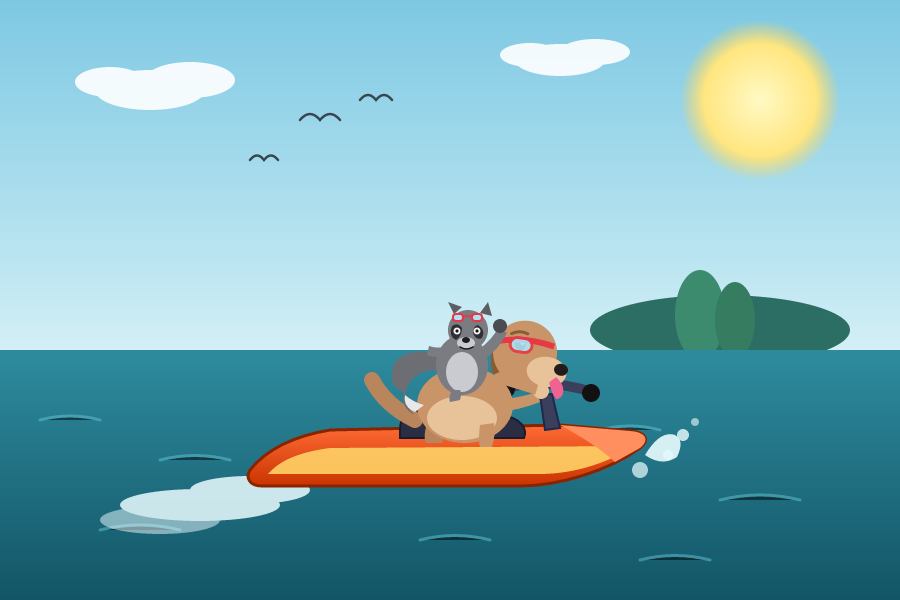
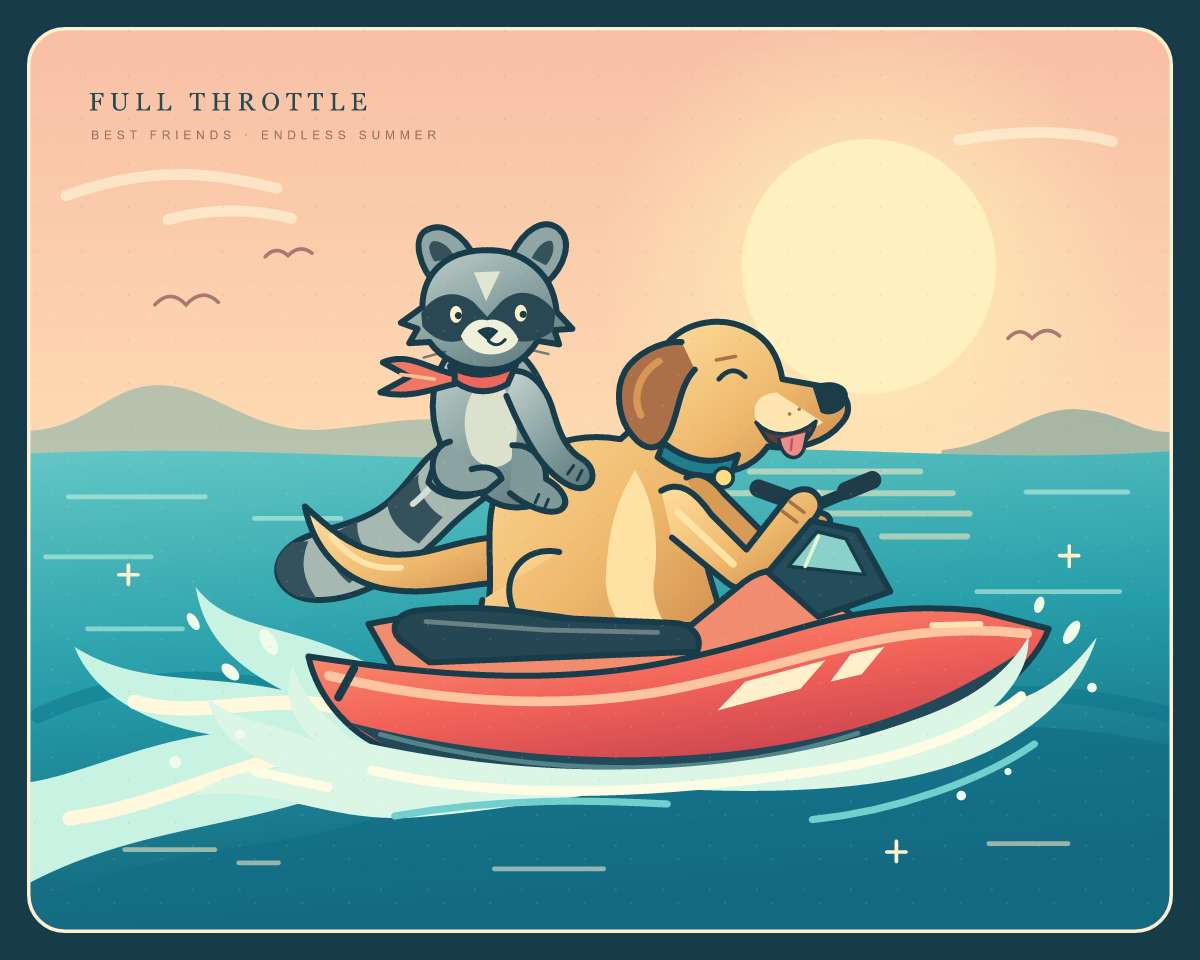
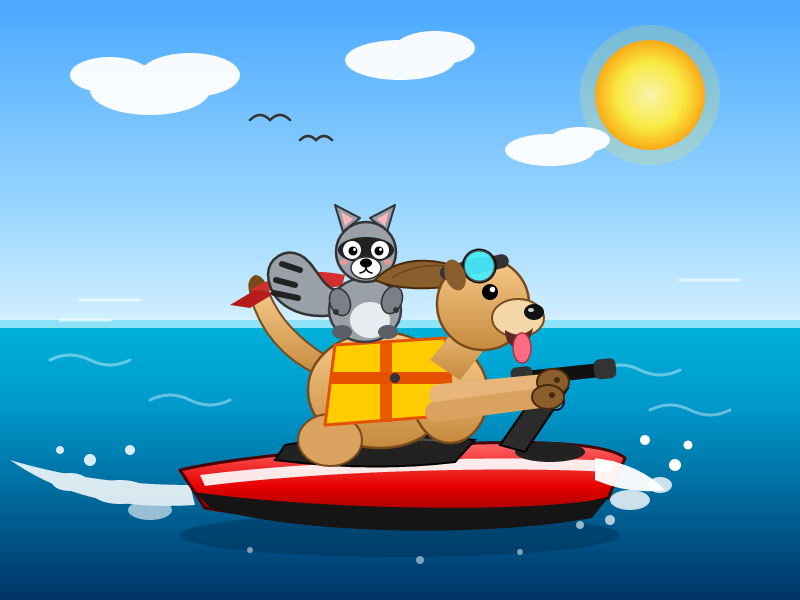
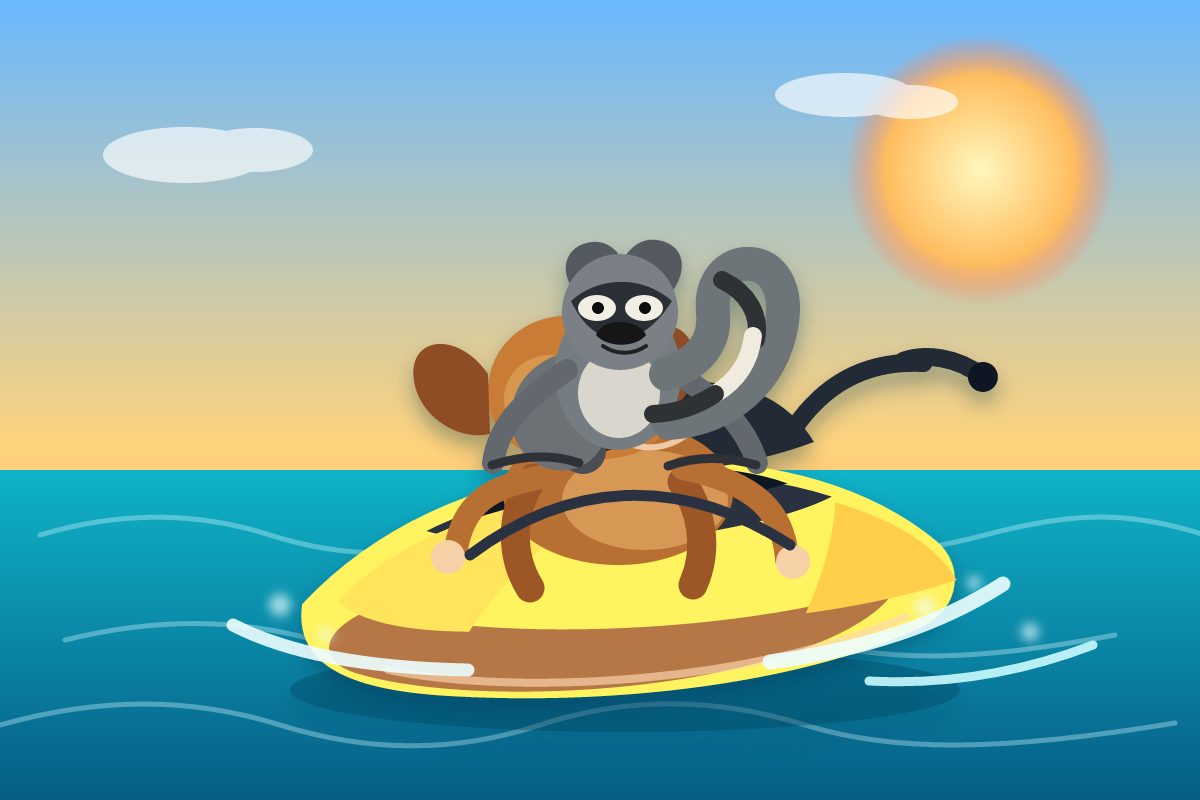
SVG of a raccoon that sits on a dog's back while the dog steers a jet ski
Make it a masterpiece You may NOT use tools, browser, image analysis. Directly output the SVG as code
A raccoon sits on a dog's back while the dog steers a jet ski
Make it a masterpiece
You may NOT use tools, browser, image analysis. Directly output the SVG as code
Create an SVG of a amazing beach scene. Sunset, animals, fun, birds, reflections
Make it a masterpiece You may NOT use tools, browser, image analysis. Directly output the SVG as code
First run
·No result yet
Mona LisaPrecise visual recall
and portrait reconstructionComplexity 5/10
SVG of a raccoon that sits on a dog's back while the dog steers a jet ski
Make it a masterpiece You may NOT use tools, browser, image analysis. Directly output the SVG as code
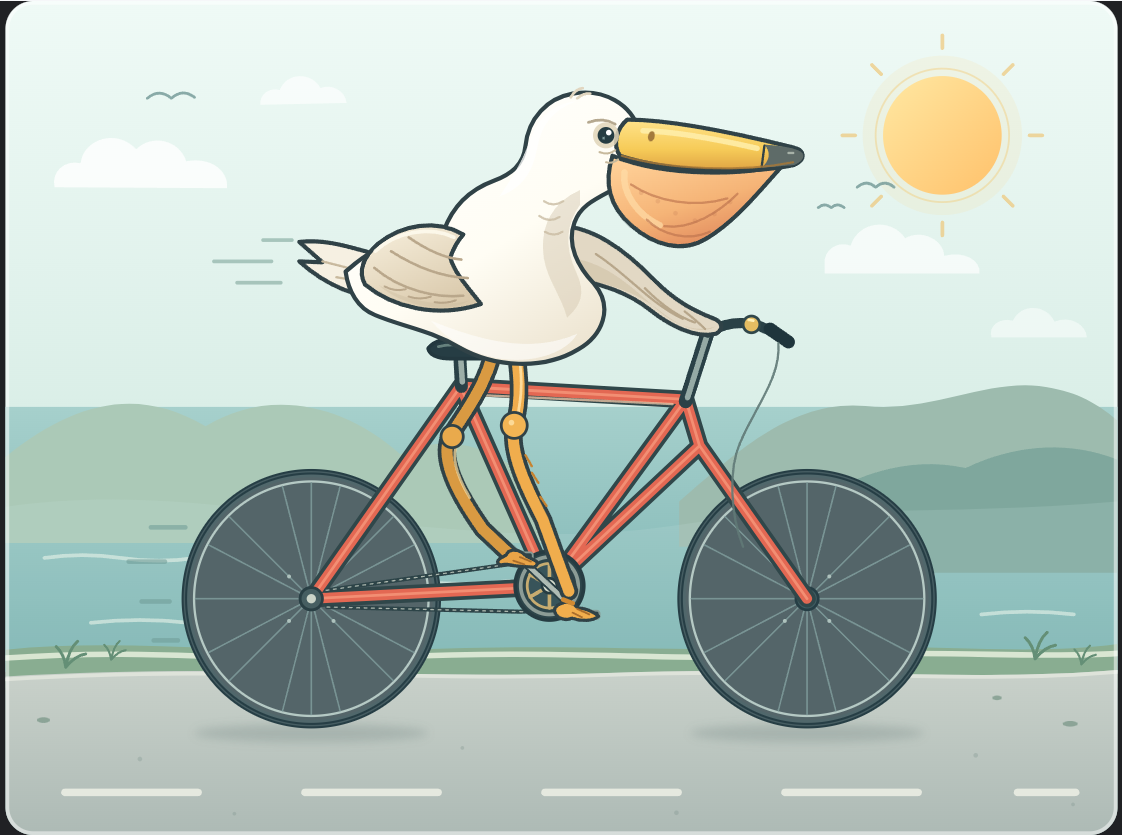
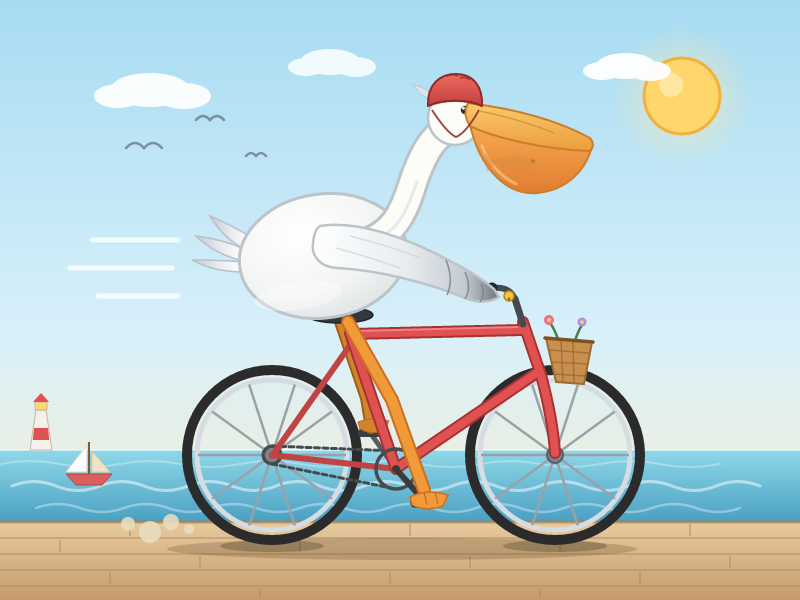
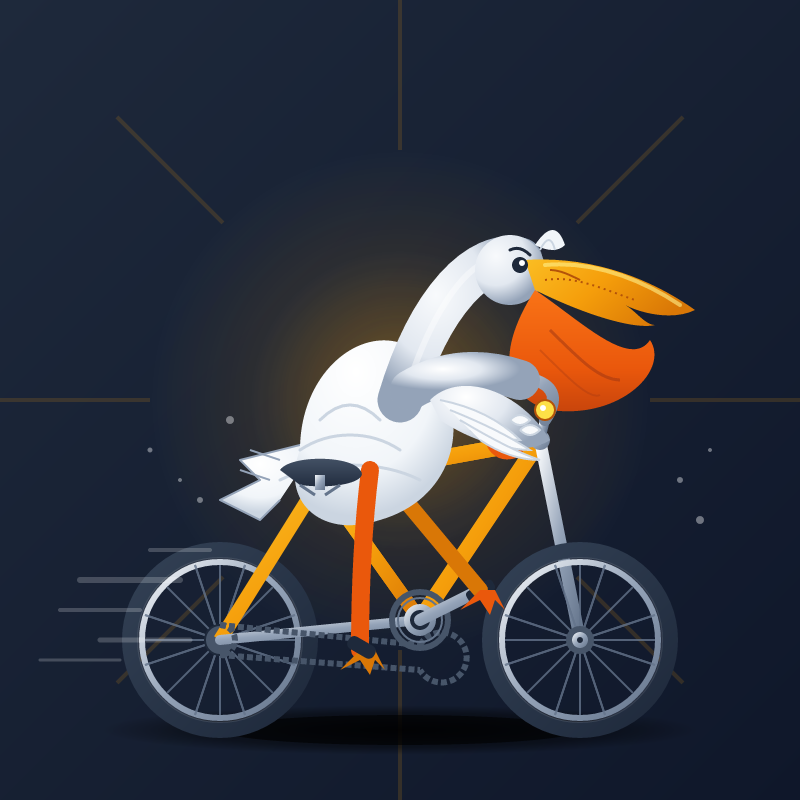
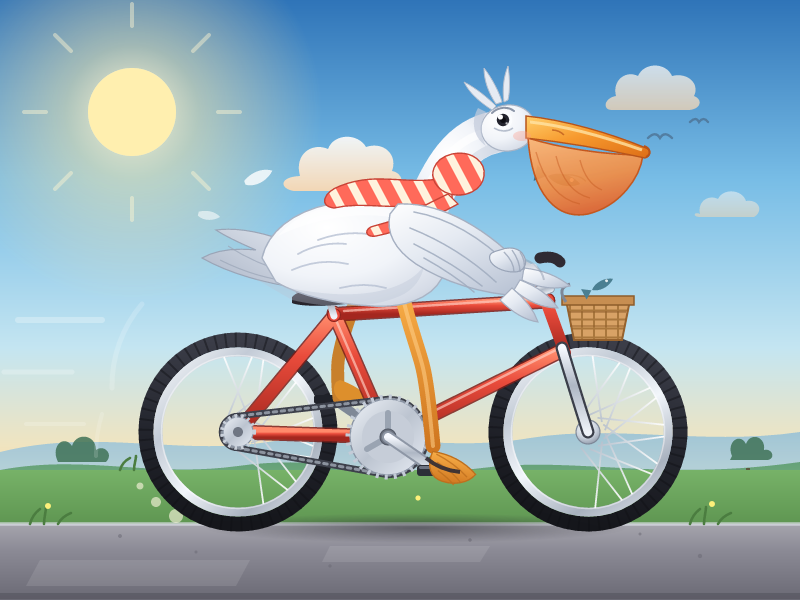
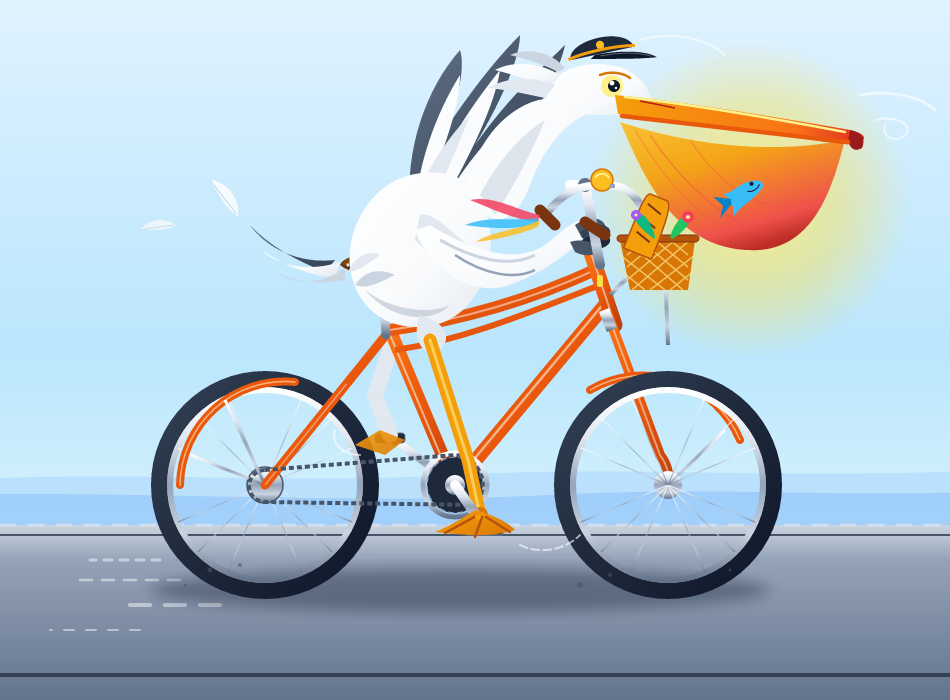
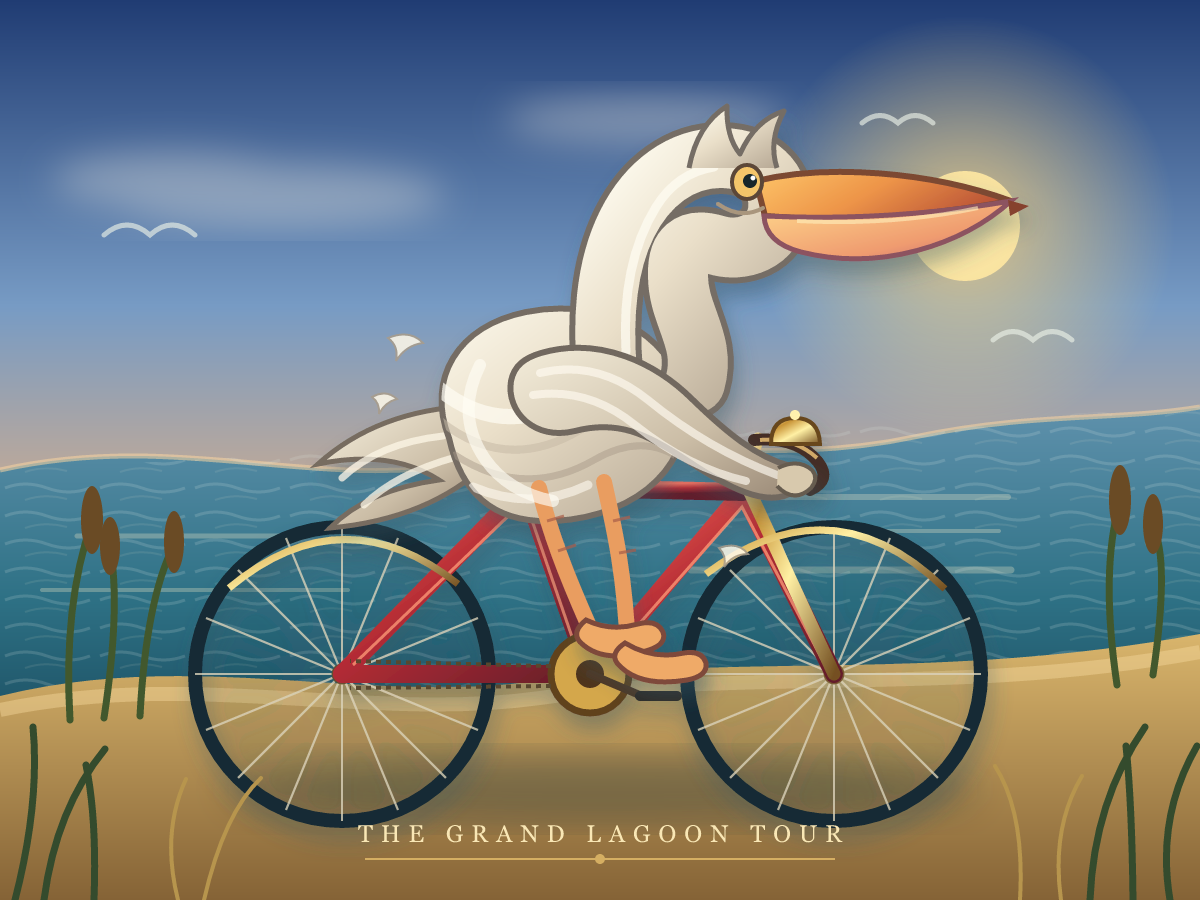
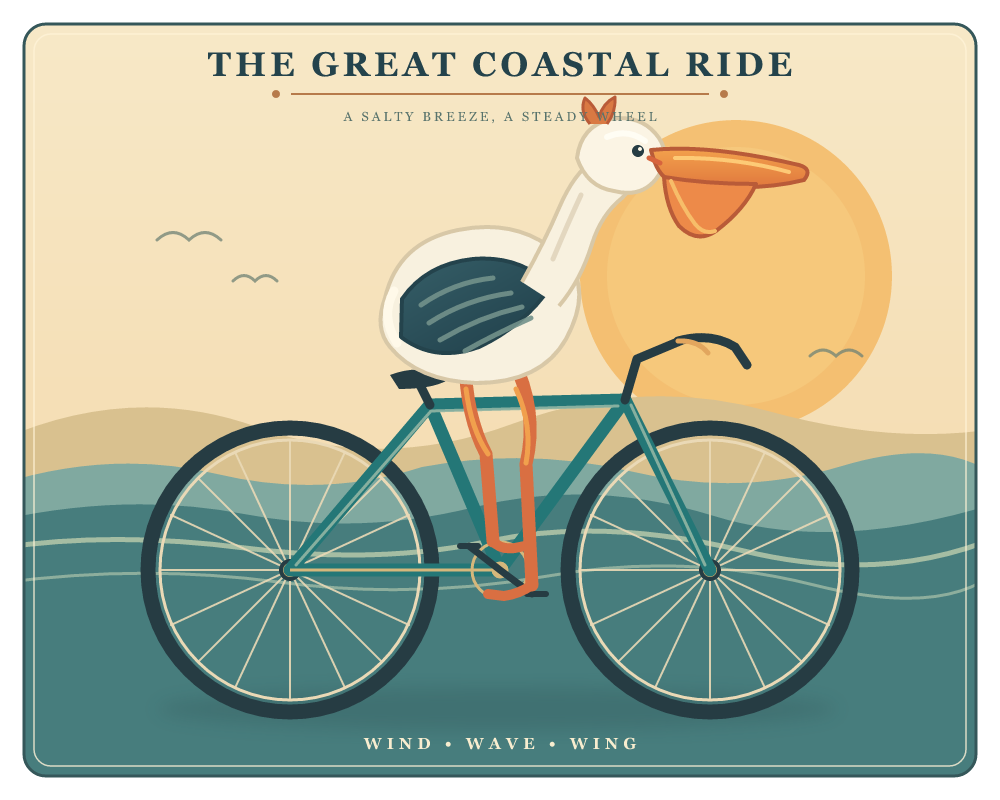
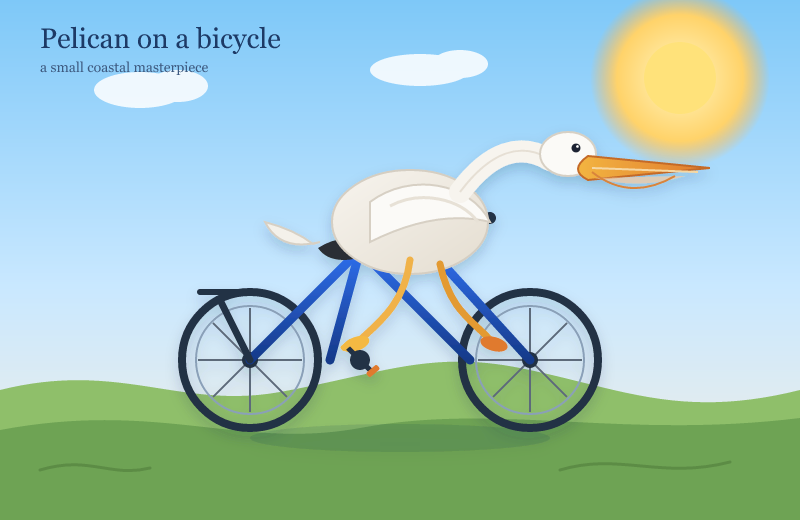
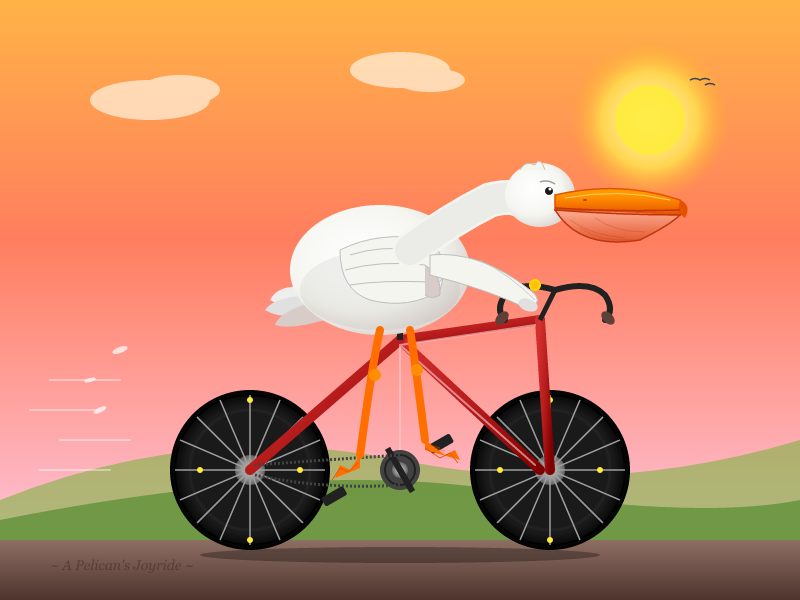
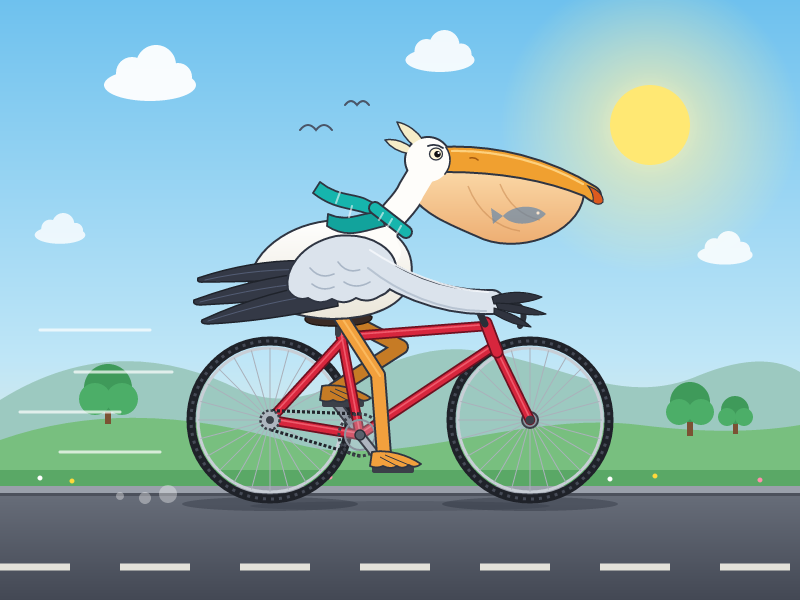
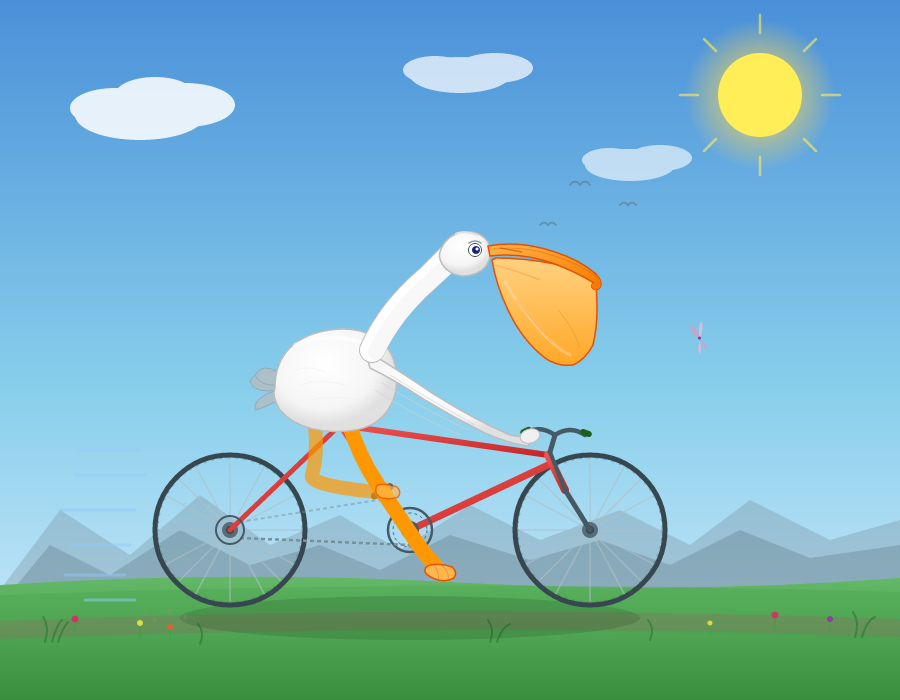
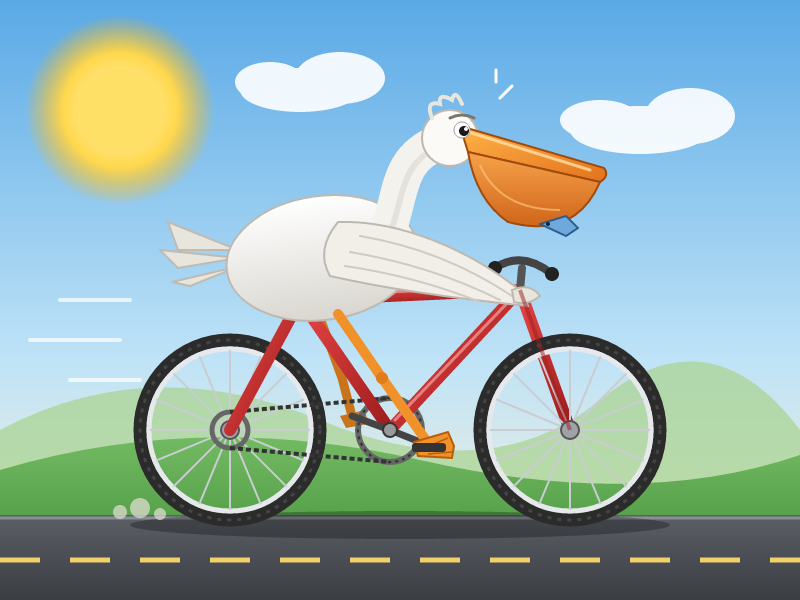
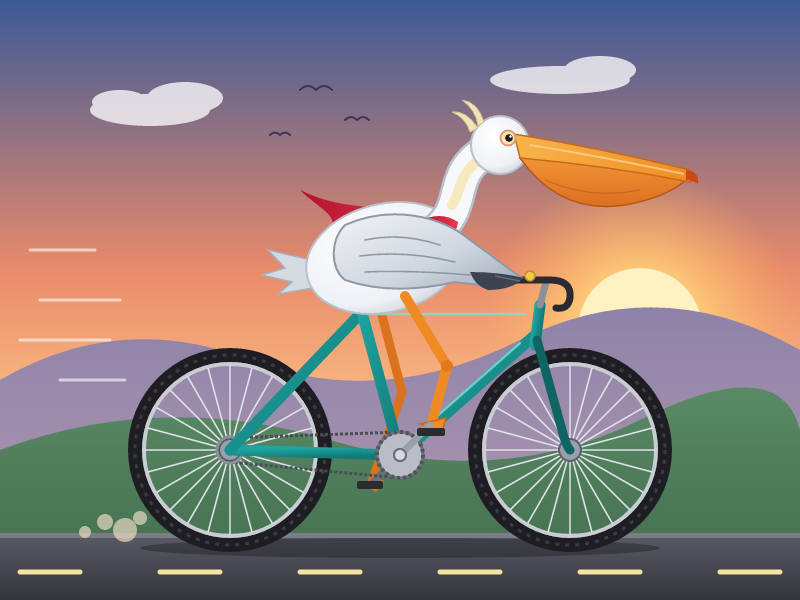
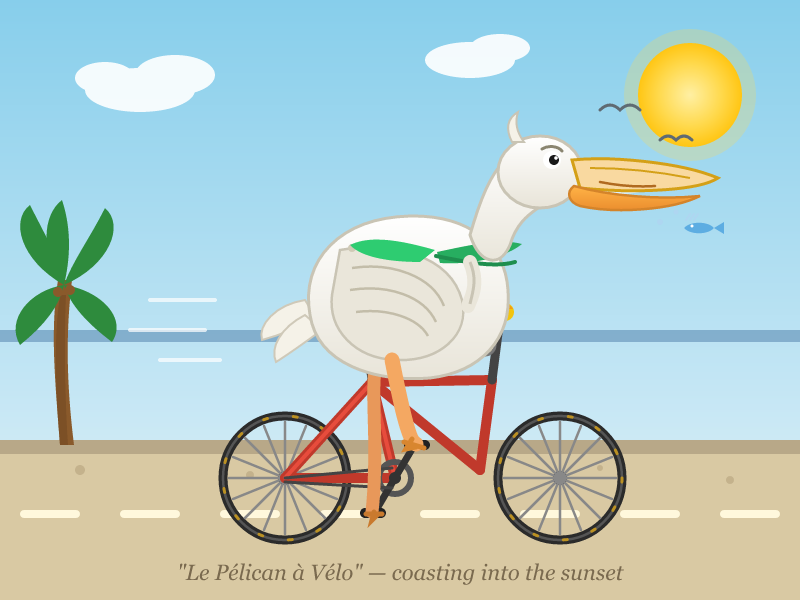
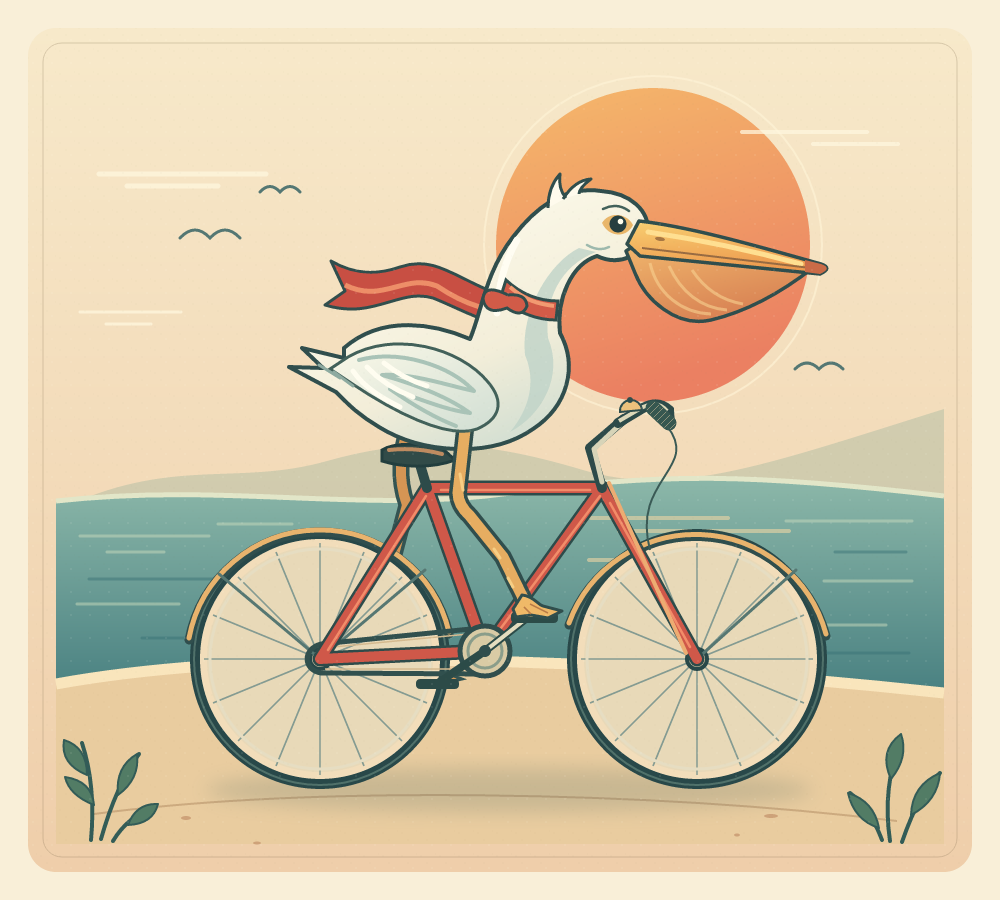
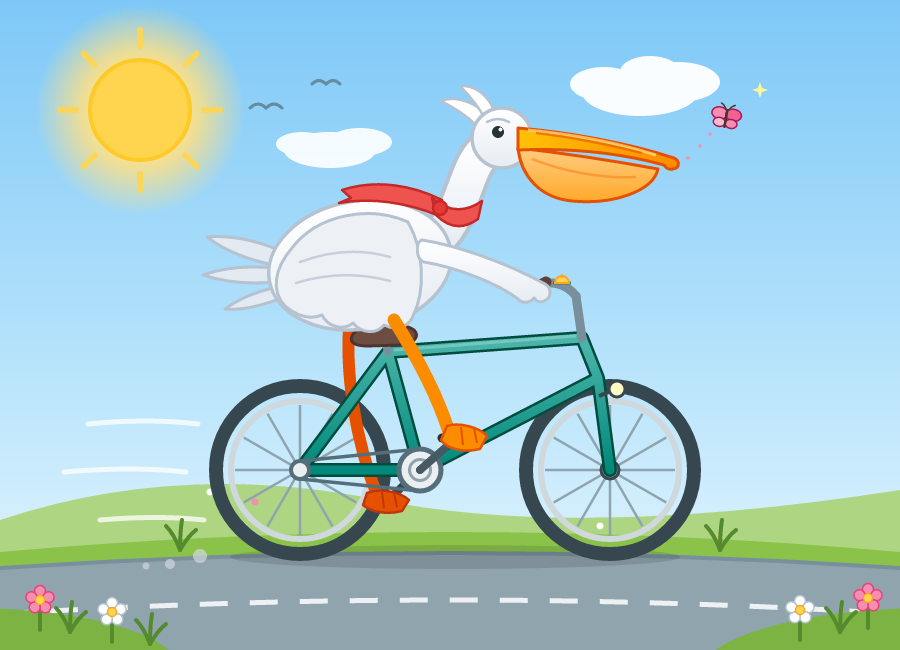
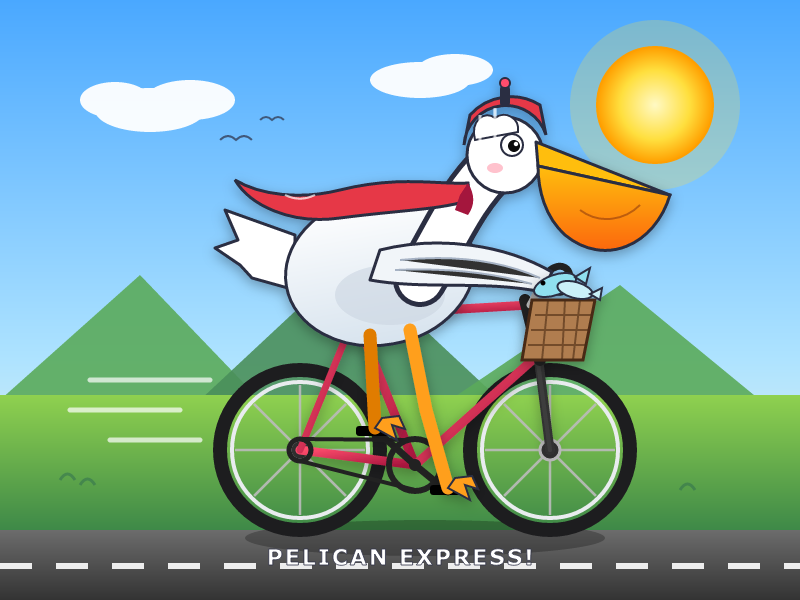
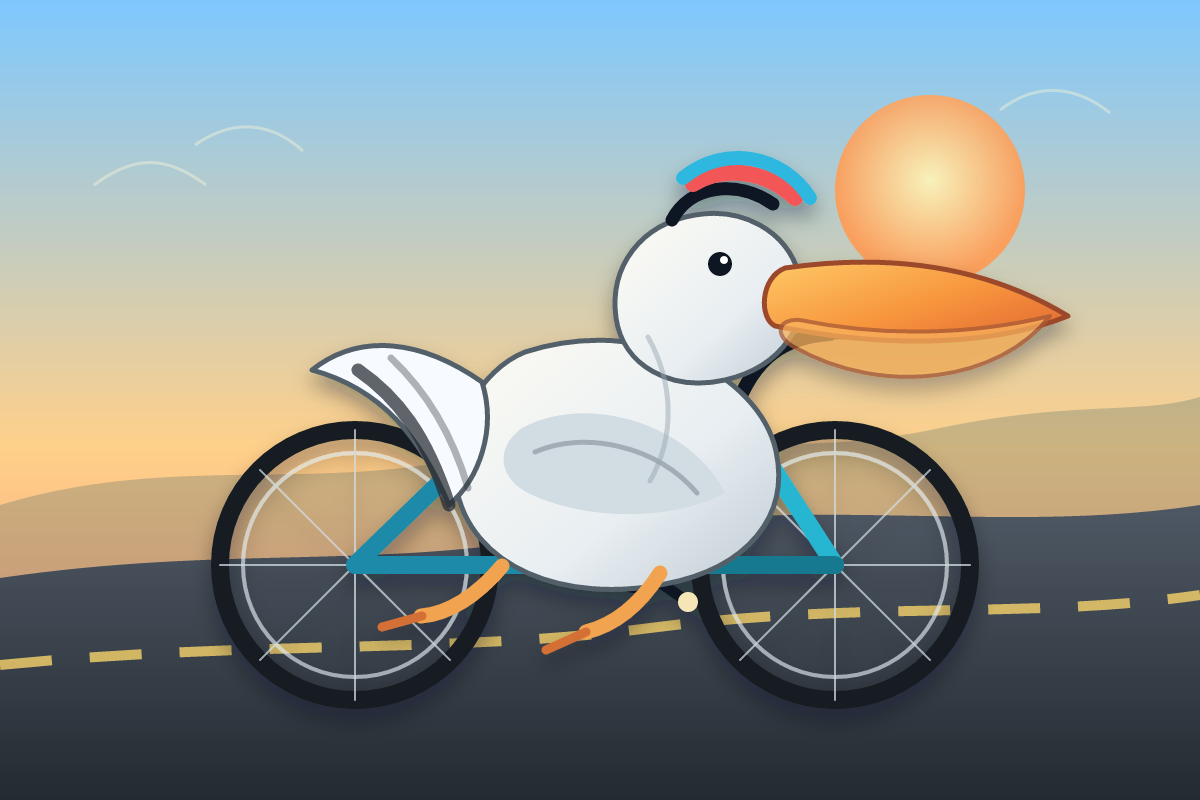
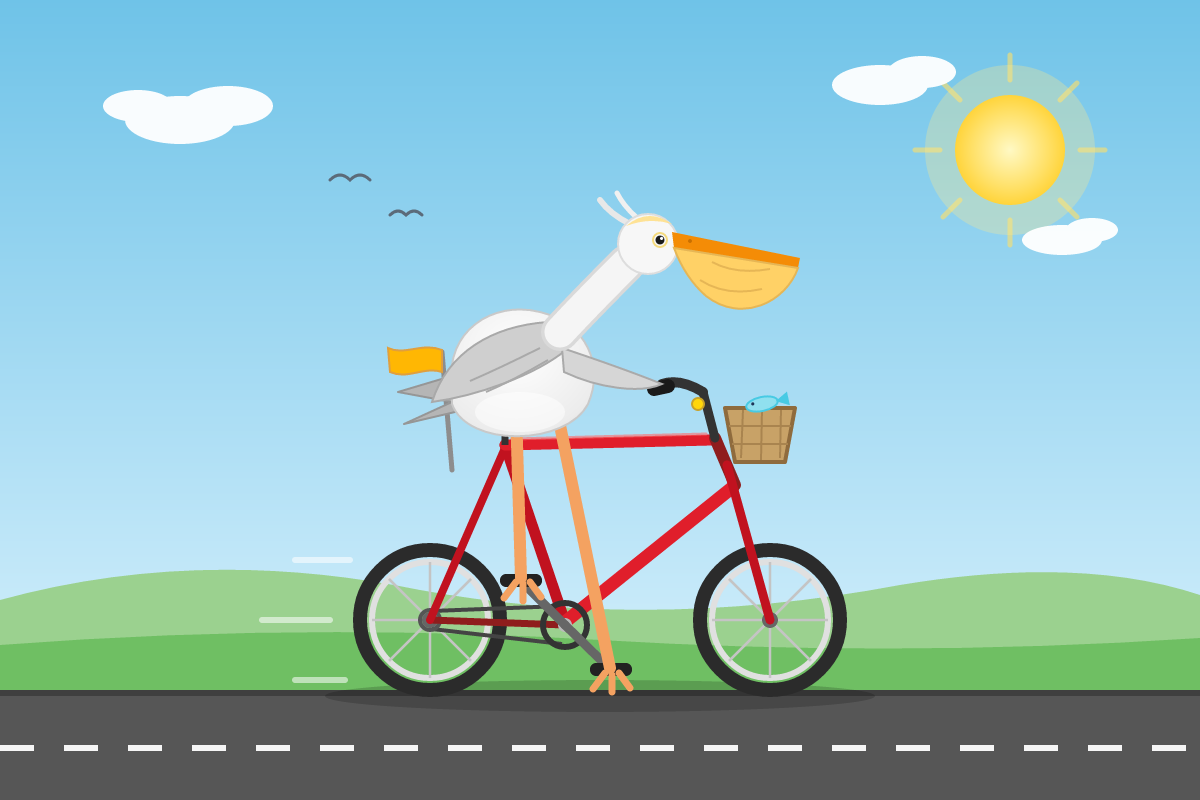
Generate a still SVG of a pelican riding a bicycle
Make it a masterpiece You may NOT use tools, browser, image analysis. Directly output the SVG as code
Create an SVG of a amazing beach scene. Sunset, animals, fun, birds, reflections Make it a masterpiece You may NOT use tools, browser, image analysis. Directly output the SVG as code
First run
·No result yet
Mona LisaPrecise visual recall
and portrait reconstructionComplexity 5/10
Generate a still SVG of a pelican riding a bicycle
Make it a masterpiece You may NOT use tools, browser, image analysis. Directly output the SVG as code
Create an SVG of a amazing beach scene. Sunset, animals, fun, birds, reflections
Make it a masterpiece, no tools allowed
Use MAX reasoning for this run
First run
·No result yet
Mona LisaPrecise visual recall
and portrait reconstruction
Generate an SVG of a pelican riding a bicycle
Make it a masterpiece, no tools allowed
Use MAX reasoning for this run
First run
·No result yet
☆
No results in this view.
Try another prompt or widen your model selection.
StealthMark SVG score
StealthMark measures how well models turn written instructions into coherent SVG scenes. Drawing the right objects is only part of the task: bodies must connect, a paw must reach the handlebars, and reflections must agree with the geometry.
Two views of intelligence
General Intelligence
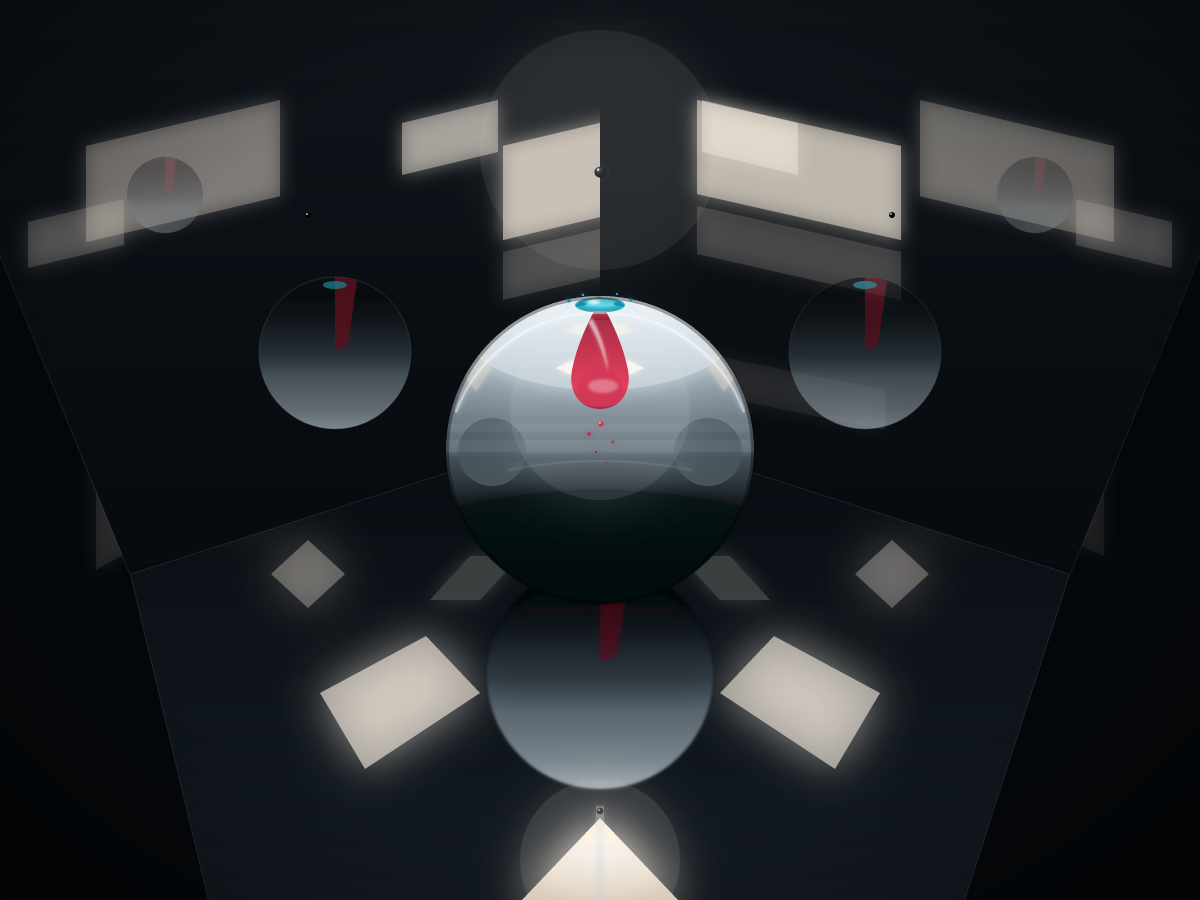
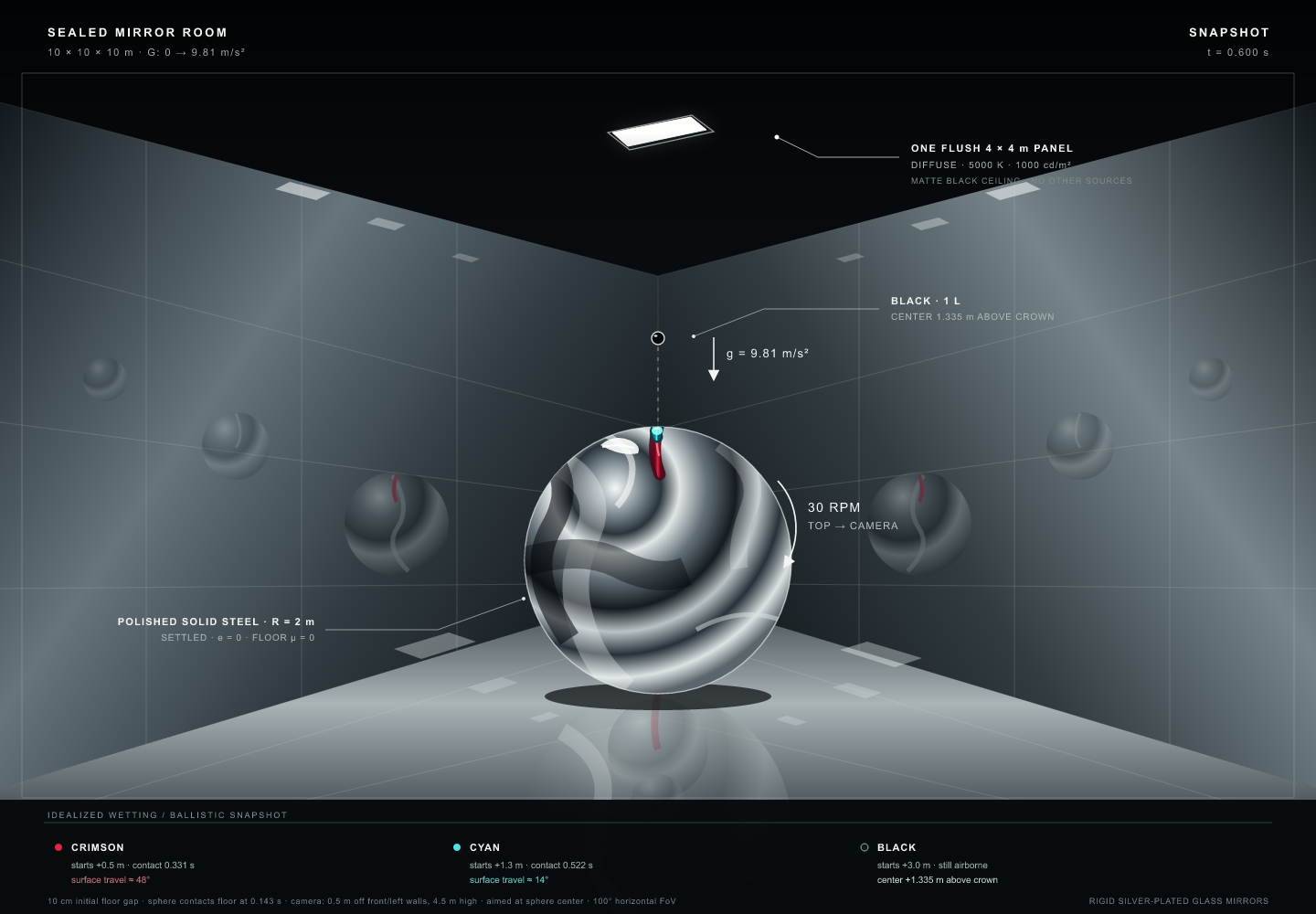
Physical, causal and spatial reasoning. Newton’s Mirror carries the greatest influence: its physical state, perspective, recursive reflections and floor-damage deduction are combined with spatial judgements from the other scenes.
Visual Intelligence
Precise visual reconstruction, anatomy, materials, detail and artistic expression. Mona Lisa, Beach, Selfie and Raccoon provide the main evidence. Newton contributes its material-rendering judgement.
Both scores use the existing judged components, weighted by their importance within each benchmark and by the benchmark’s importance in the suite. Repeated takes share their benchmark’s influence. Pelican is a benchmax control and contributes to neither score.
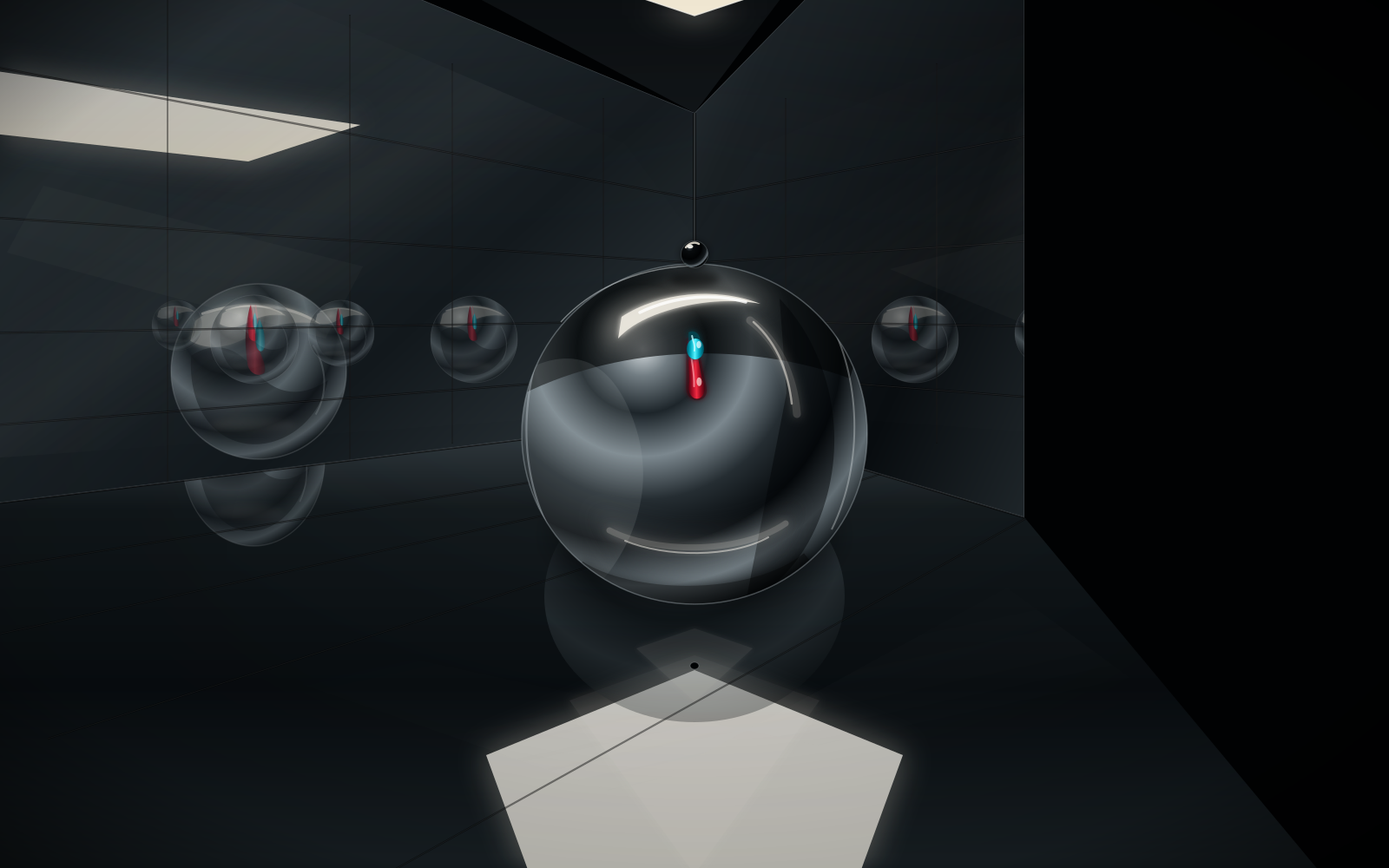
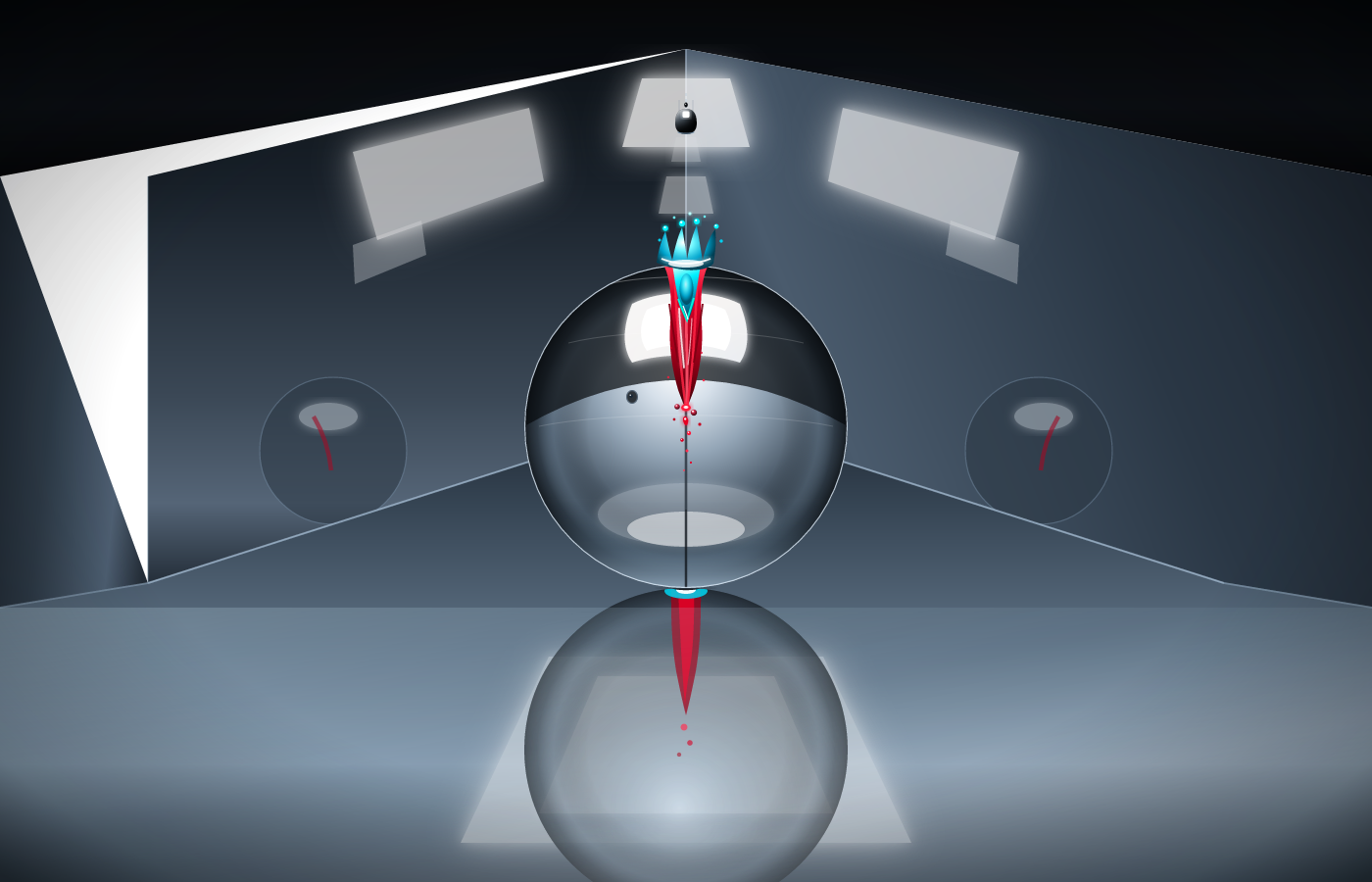
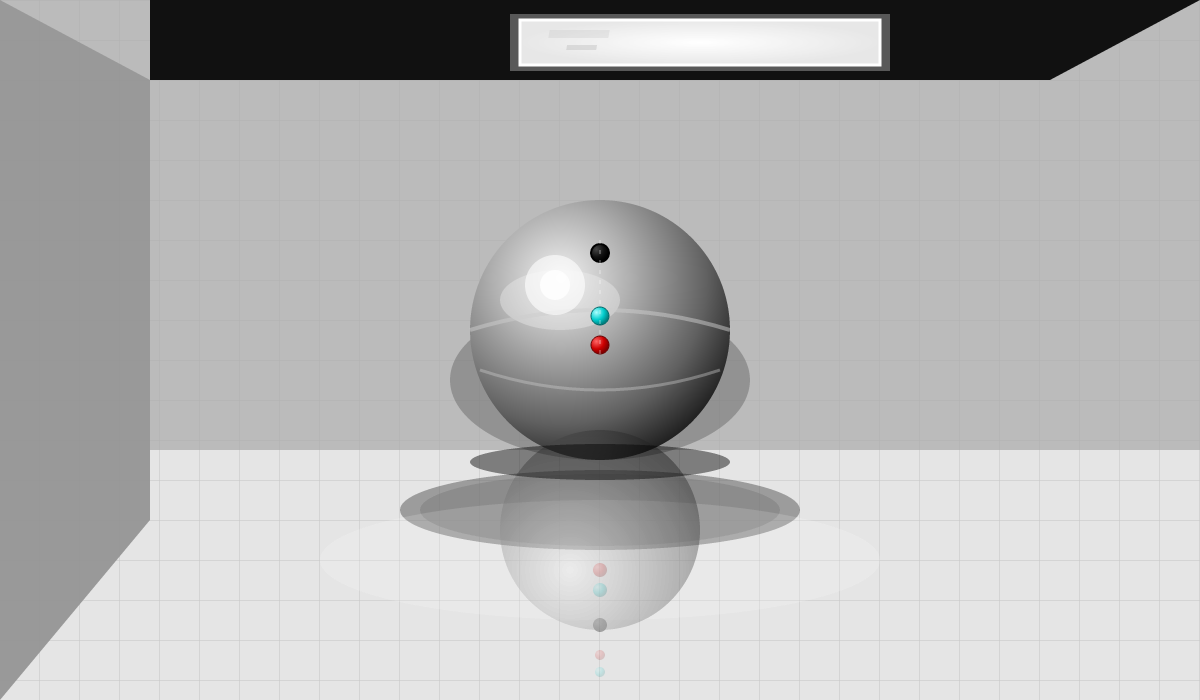
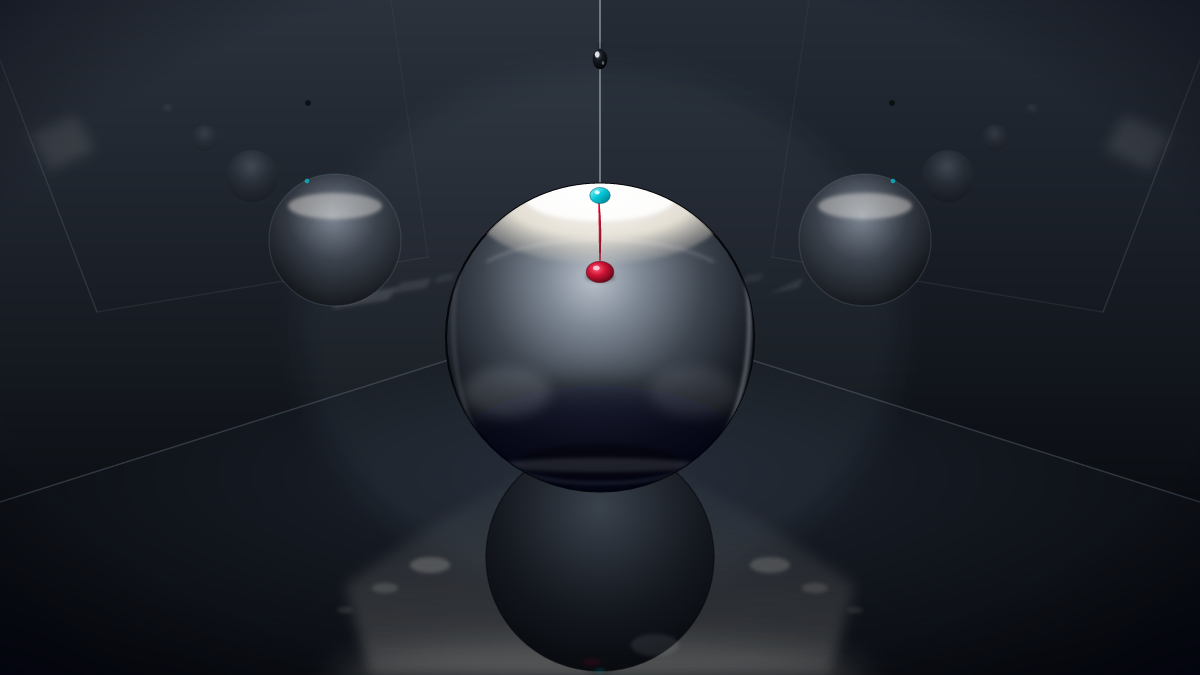
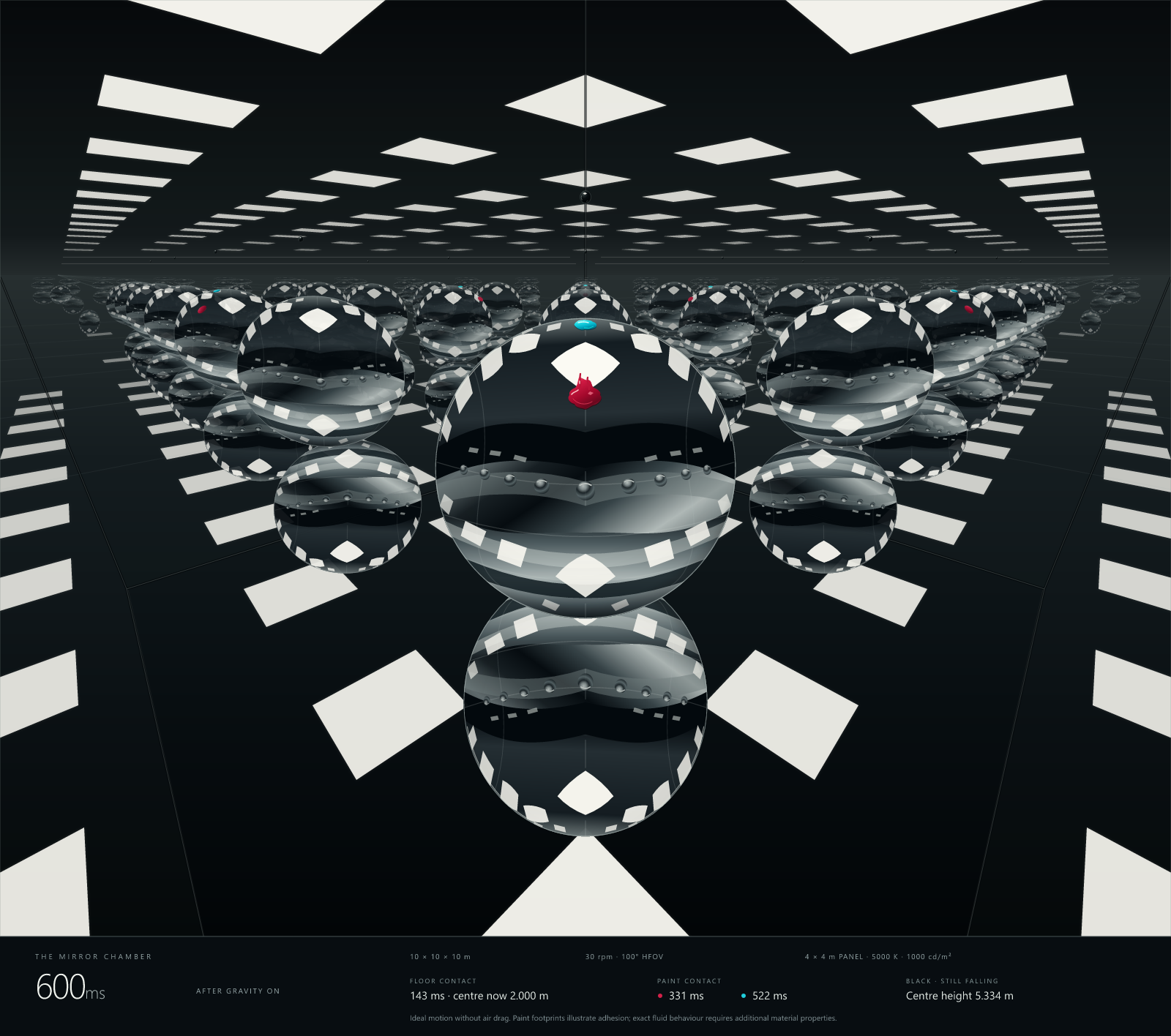
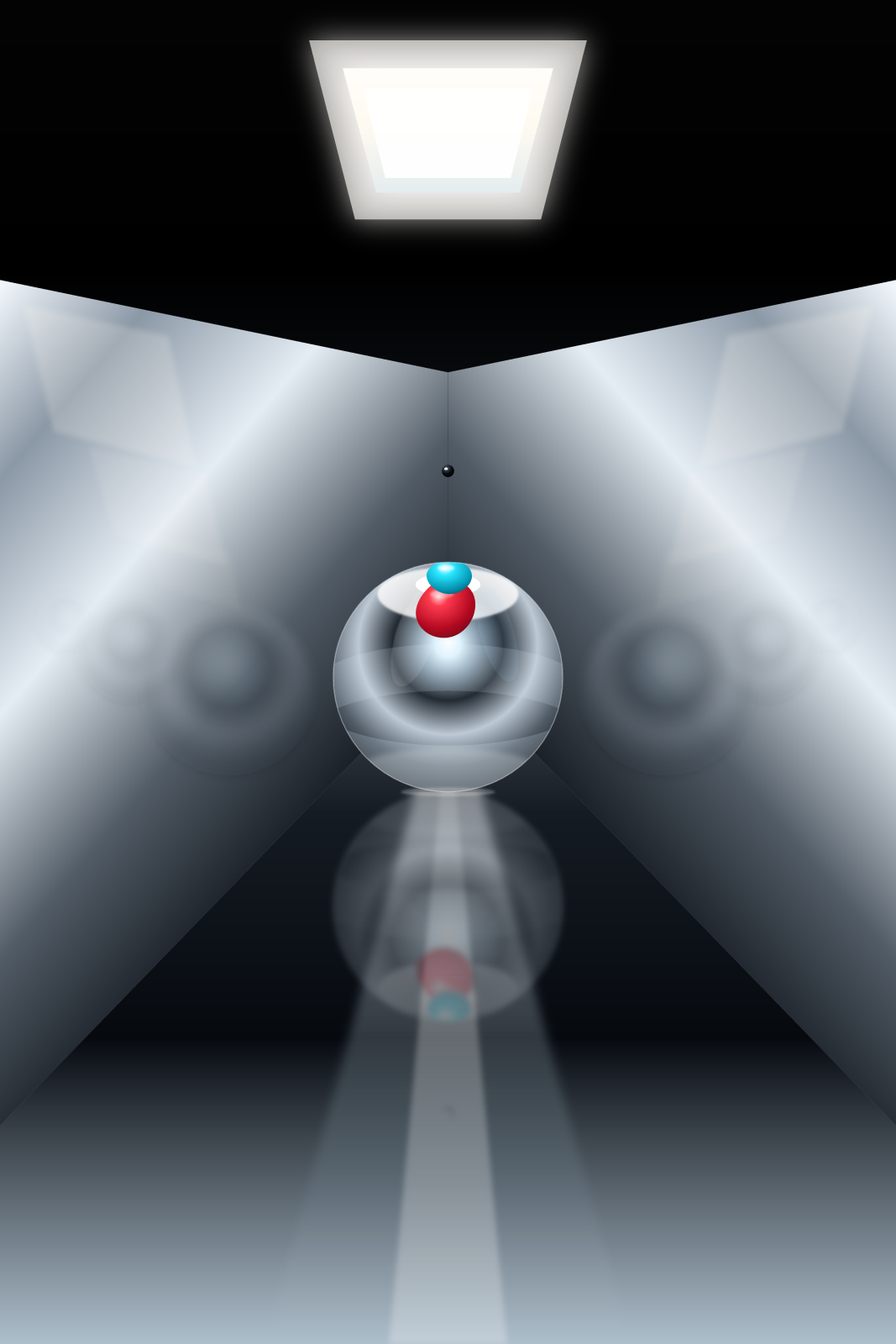
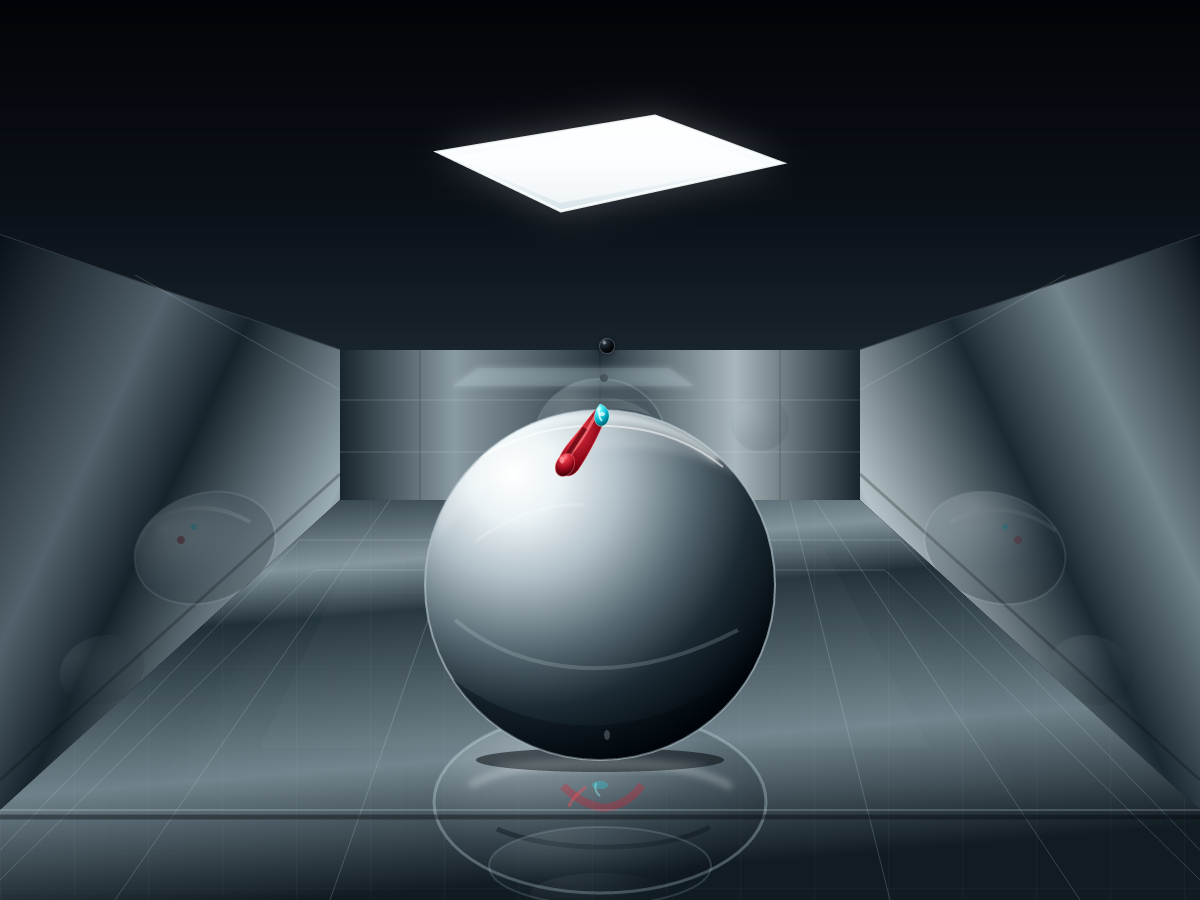
A harder test: Newton’s Mirror
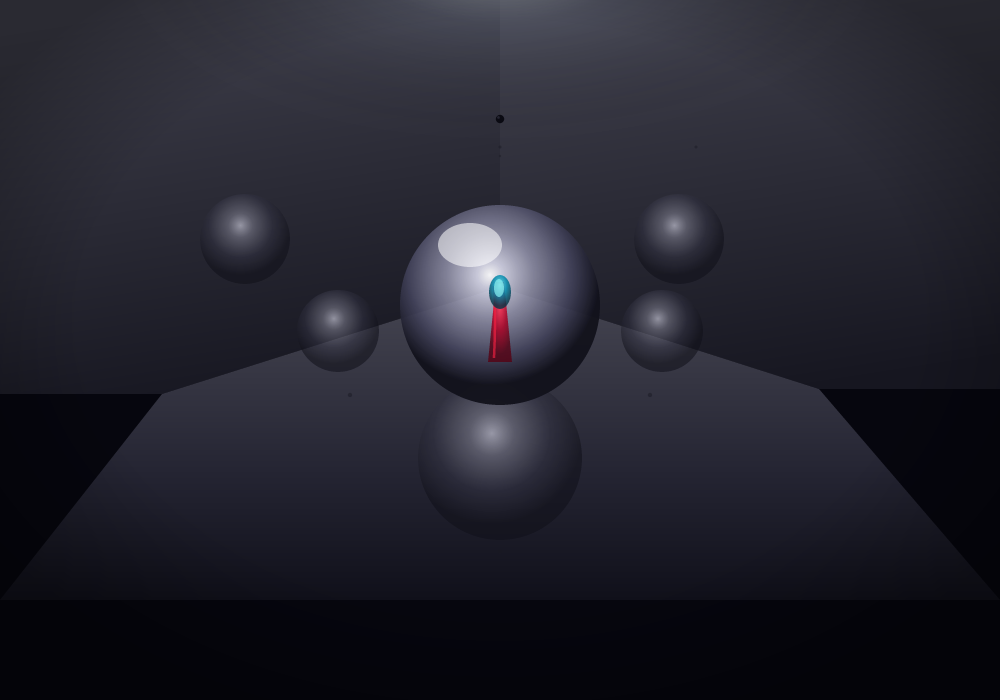
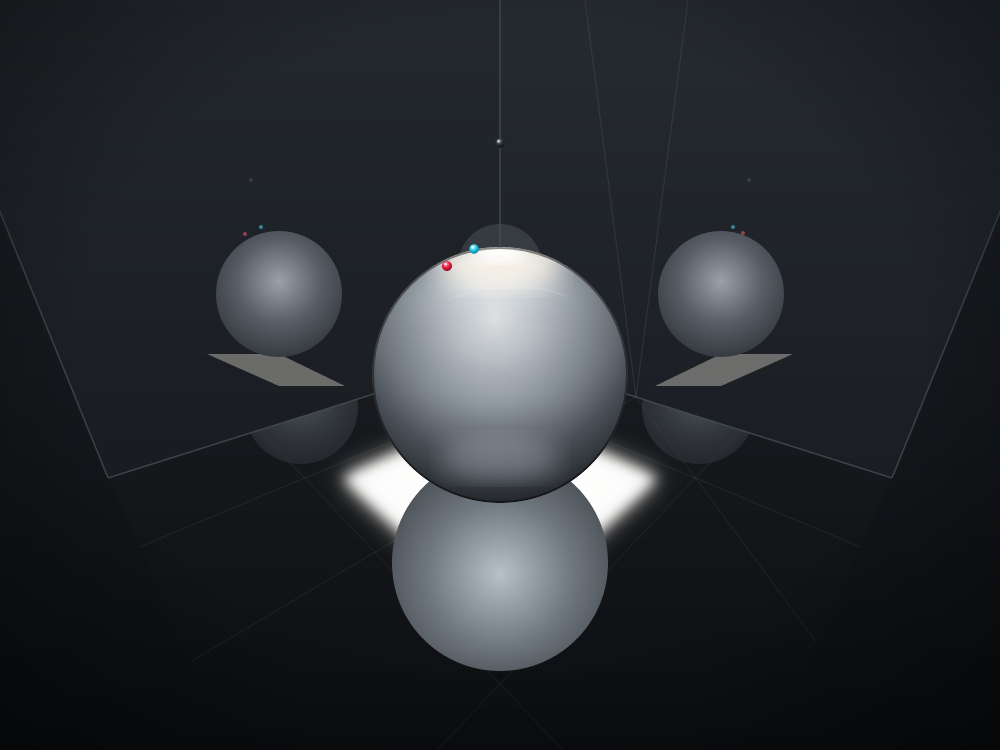
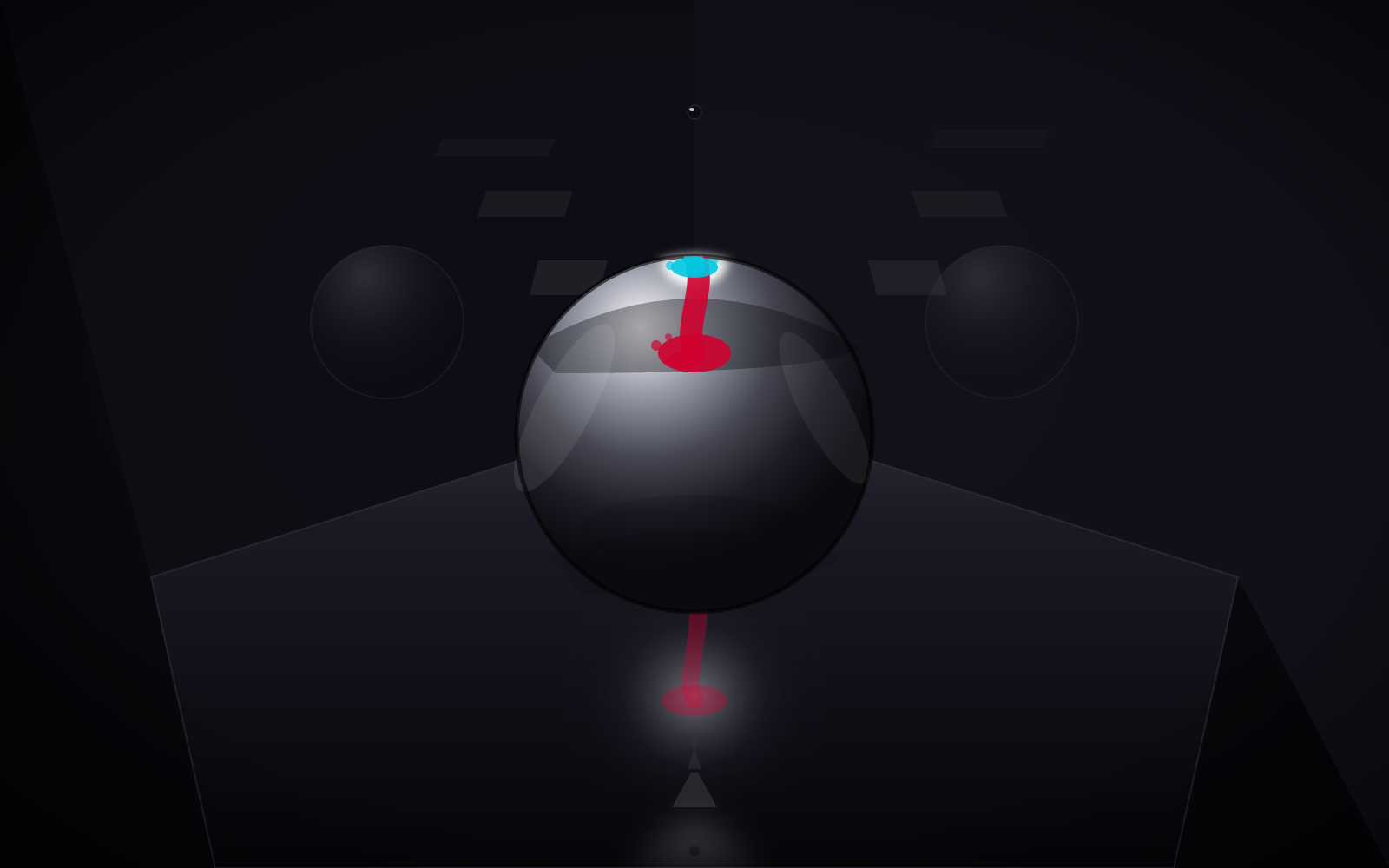
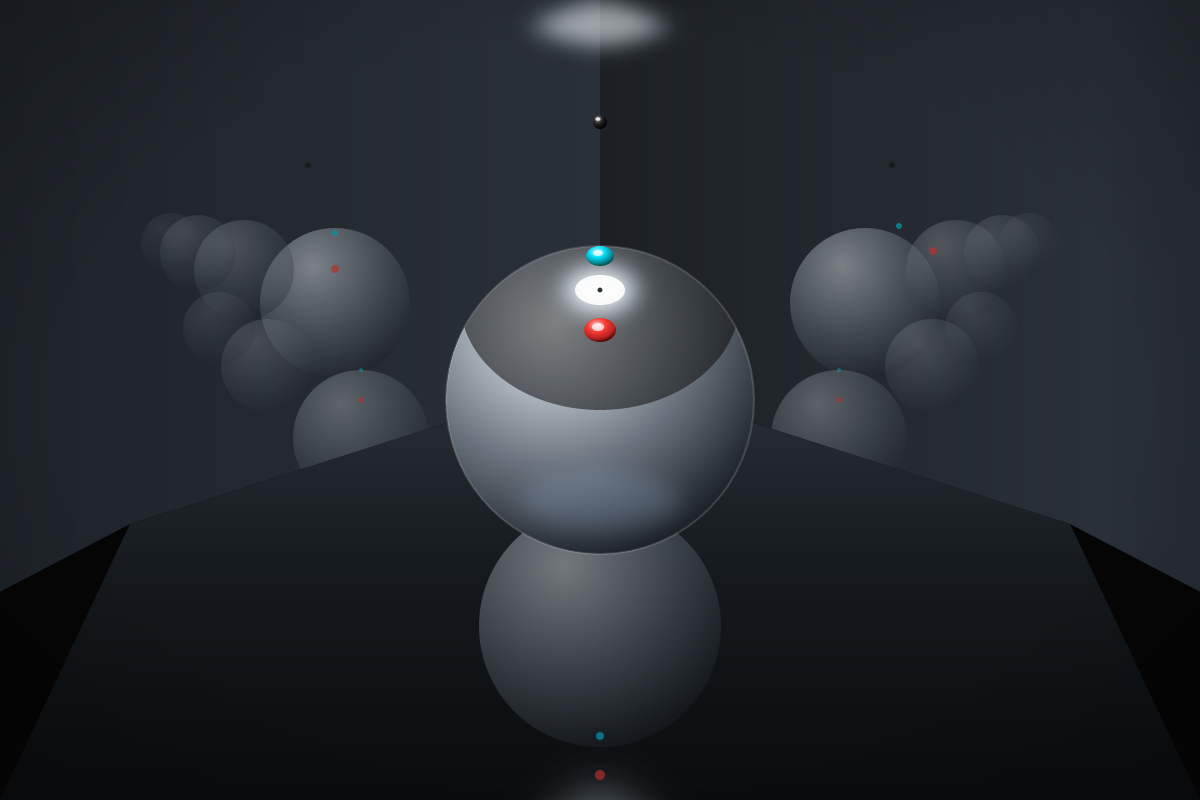
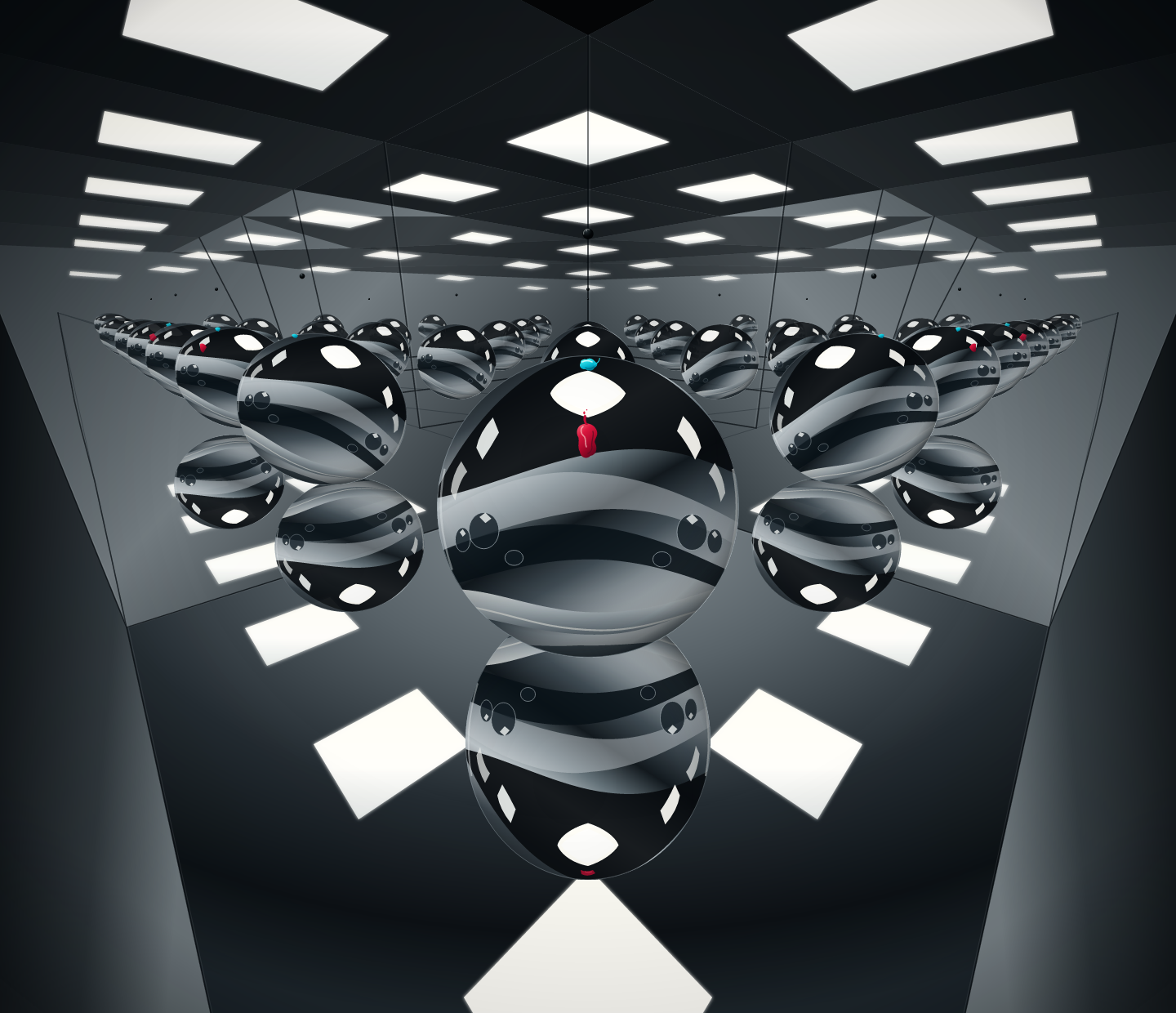
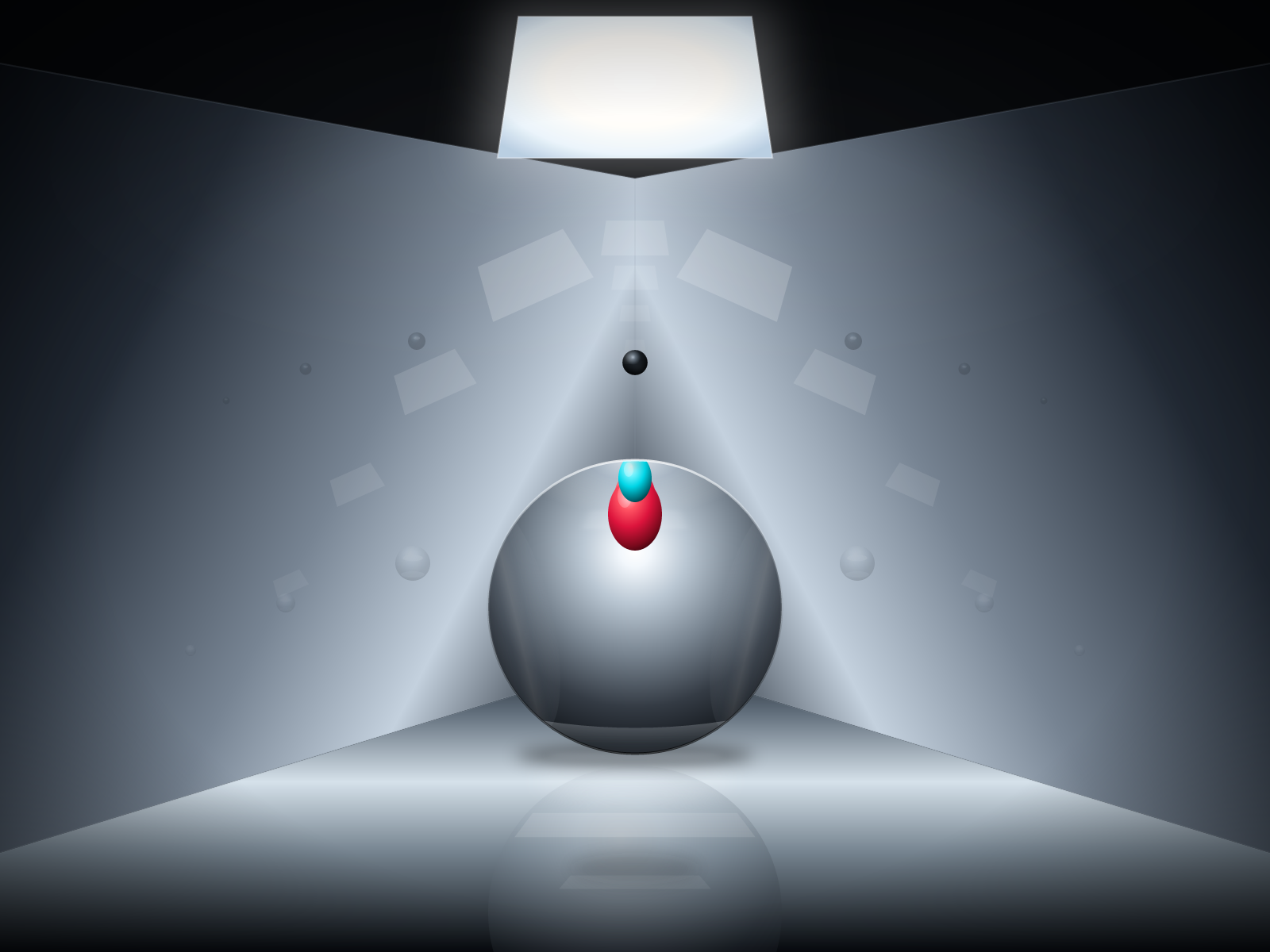
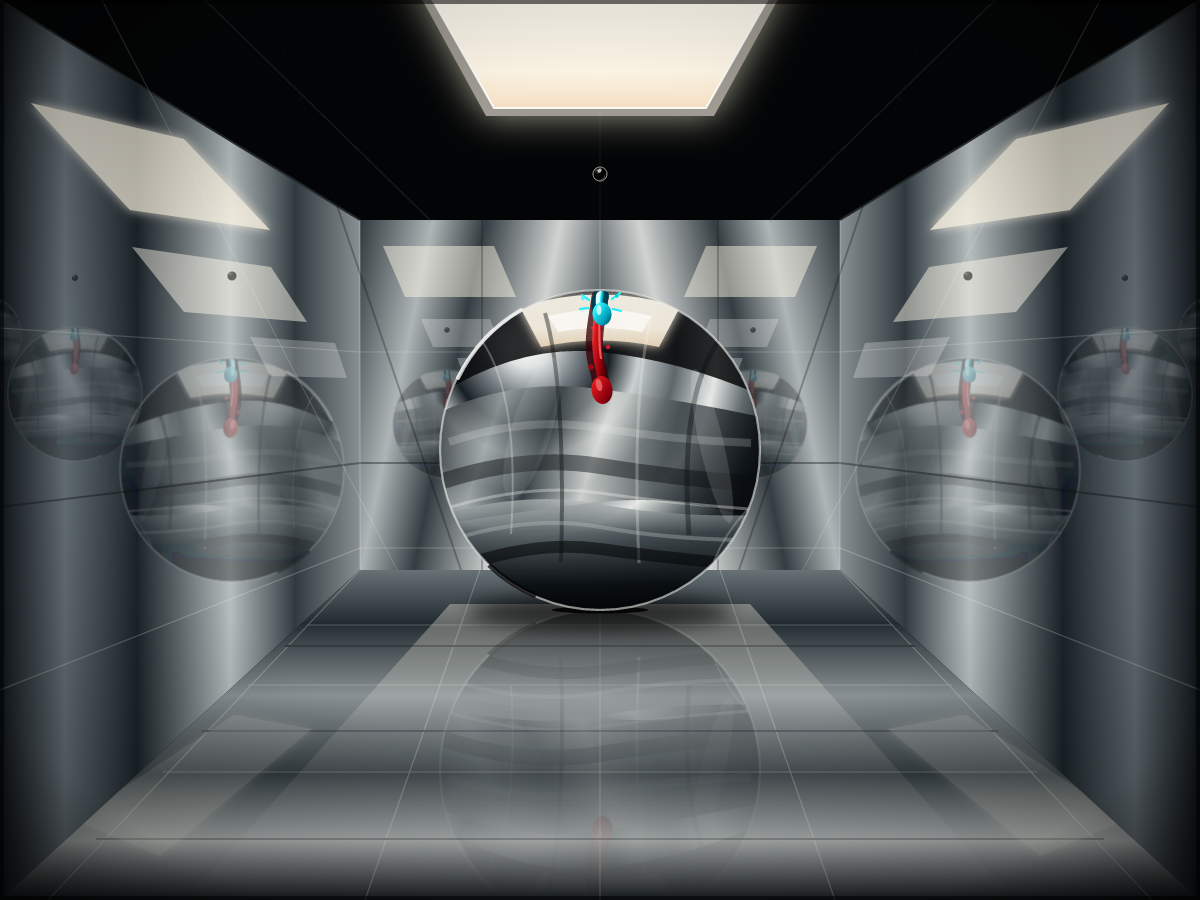
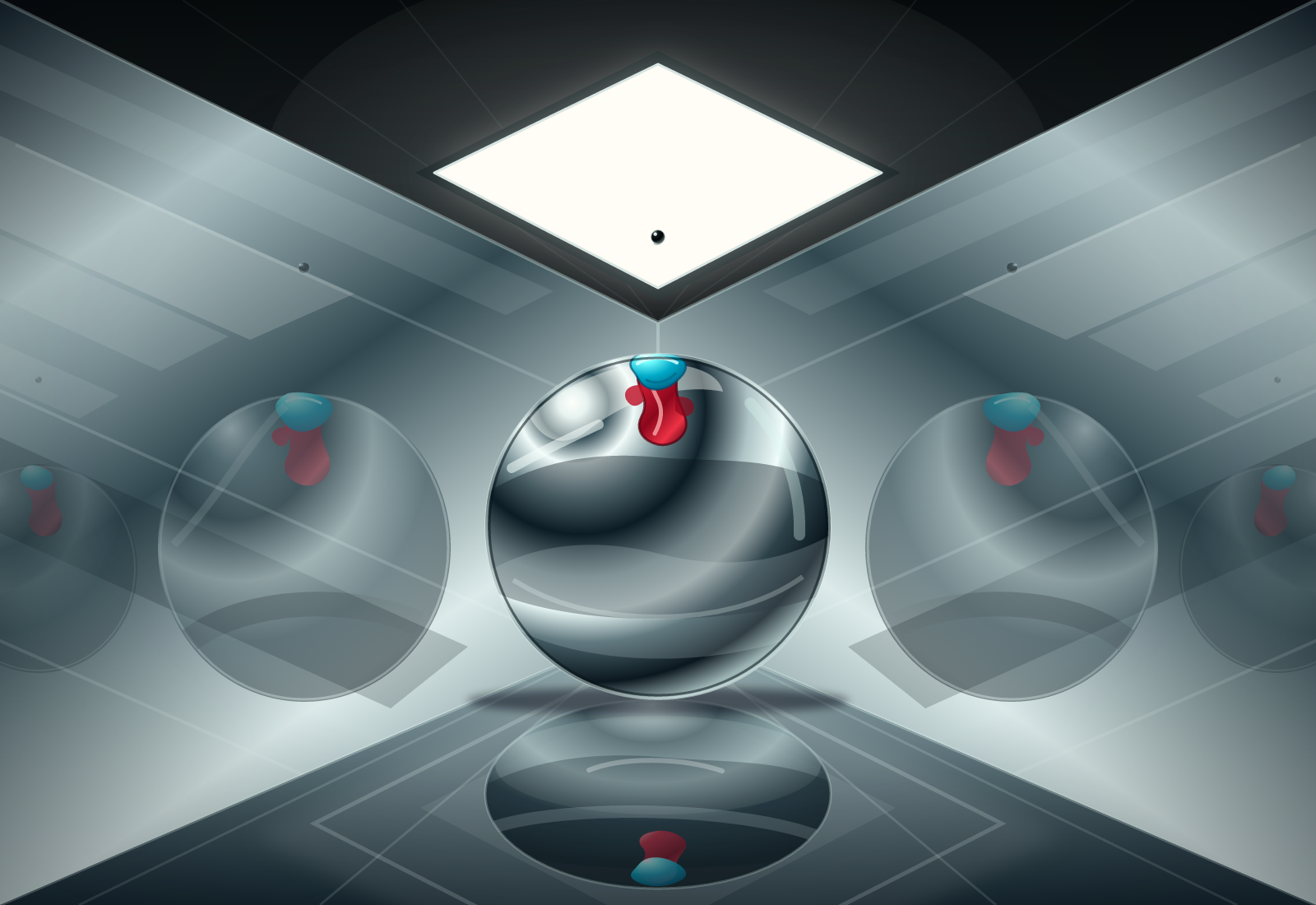
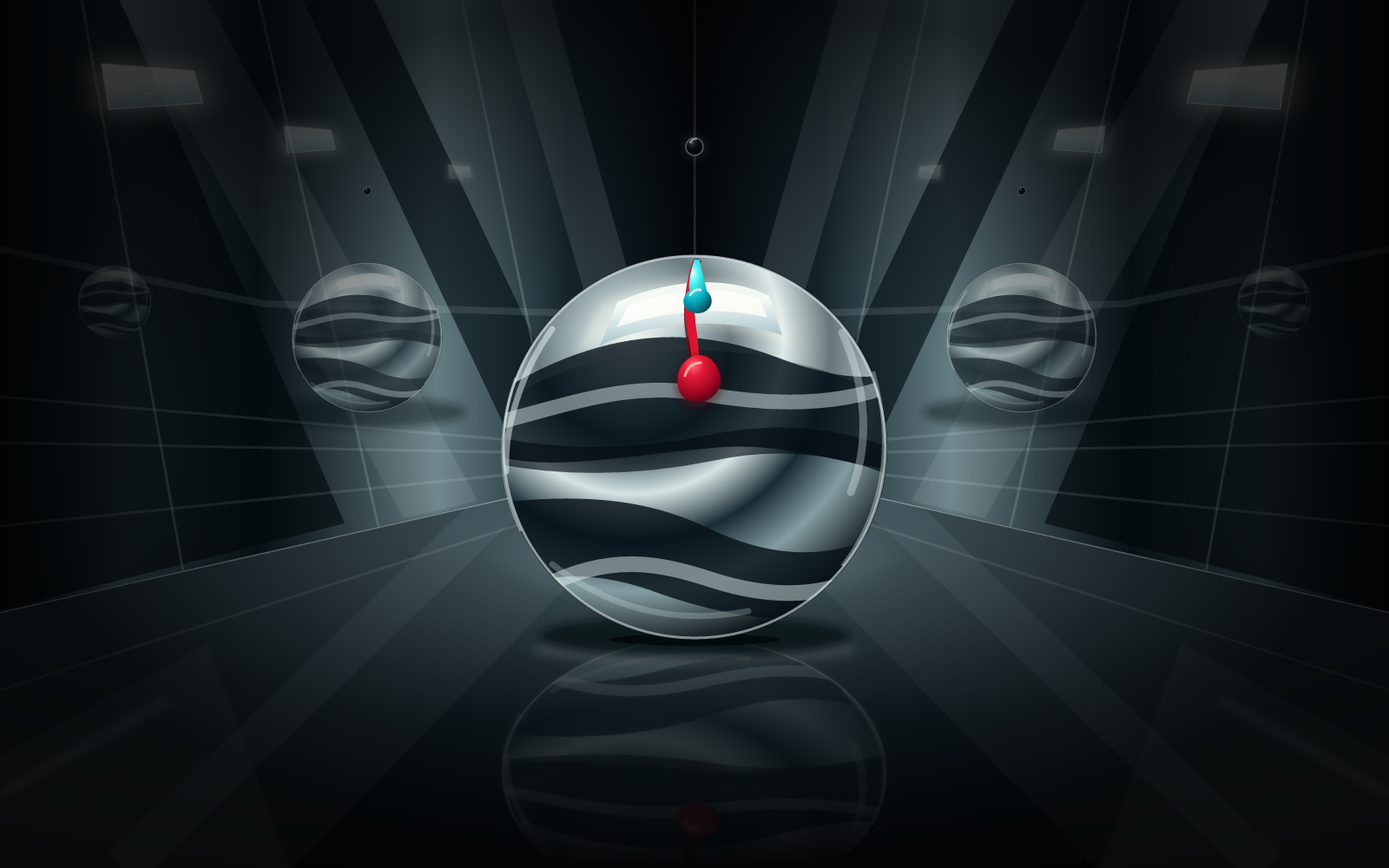
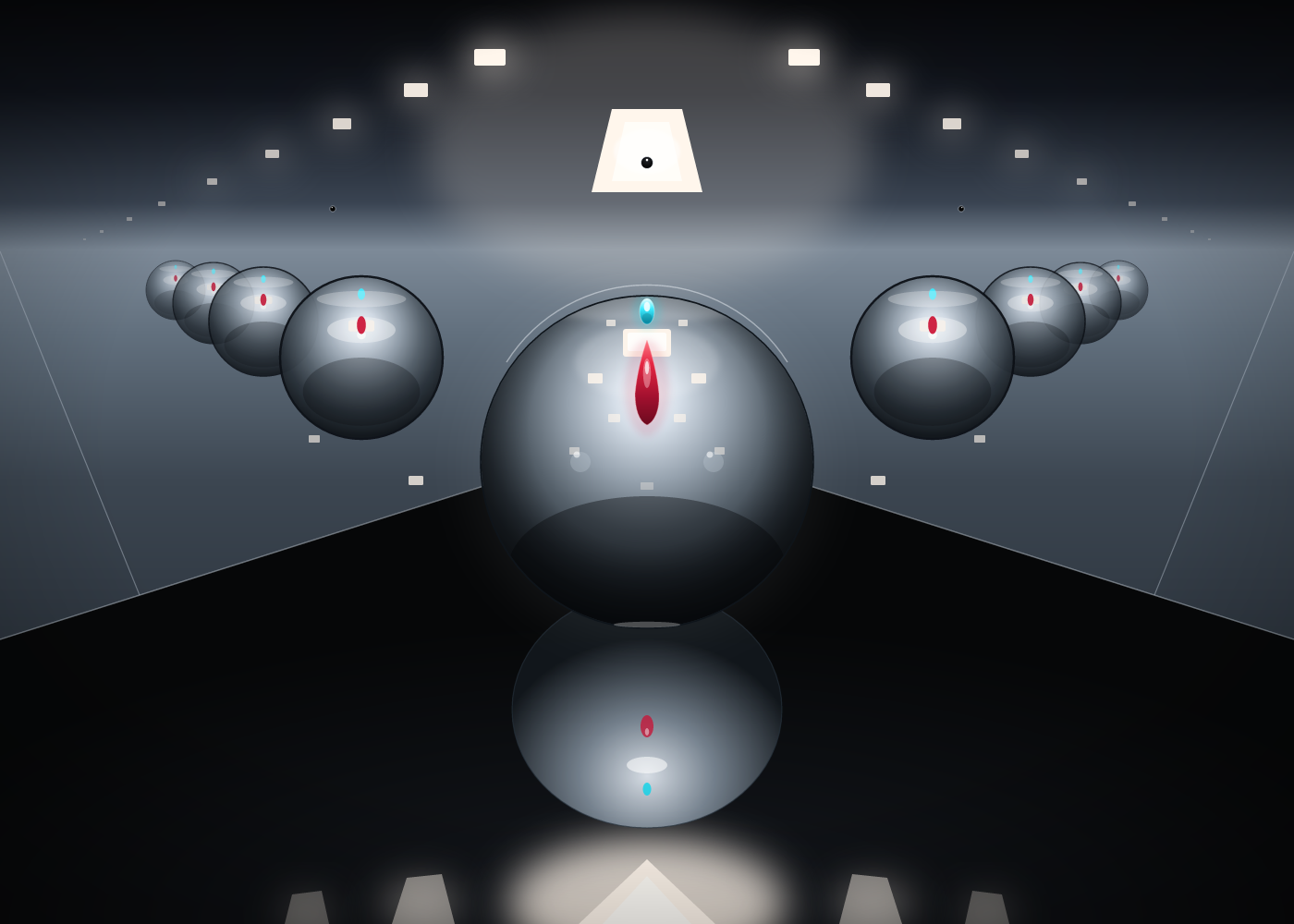
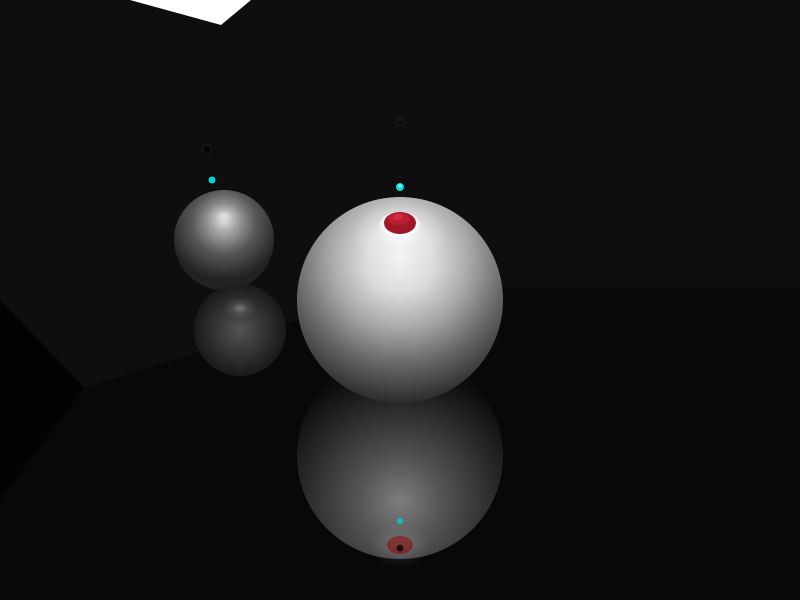
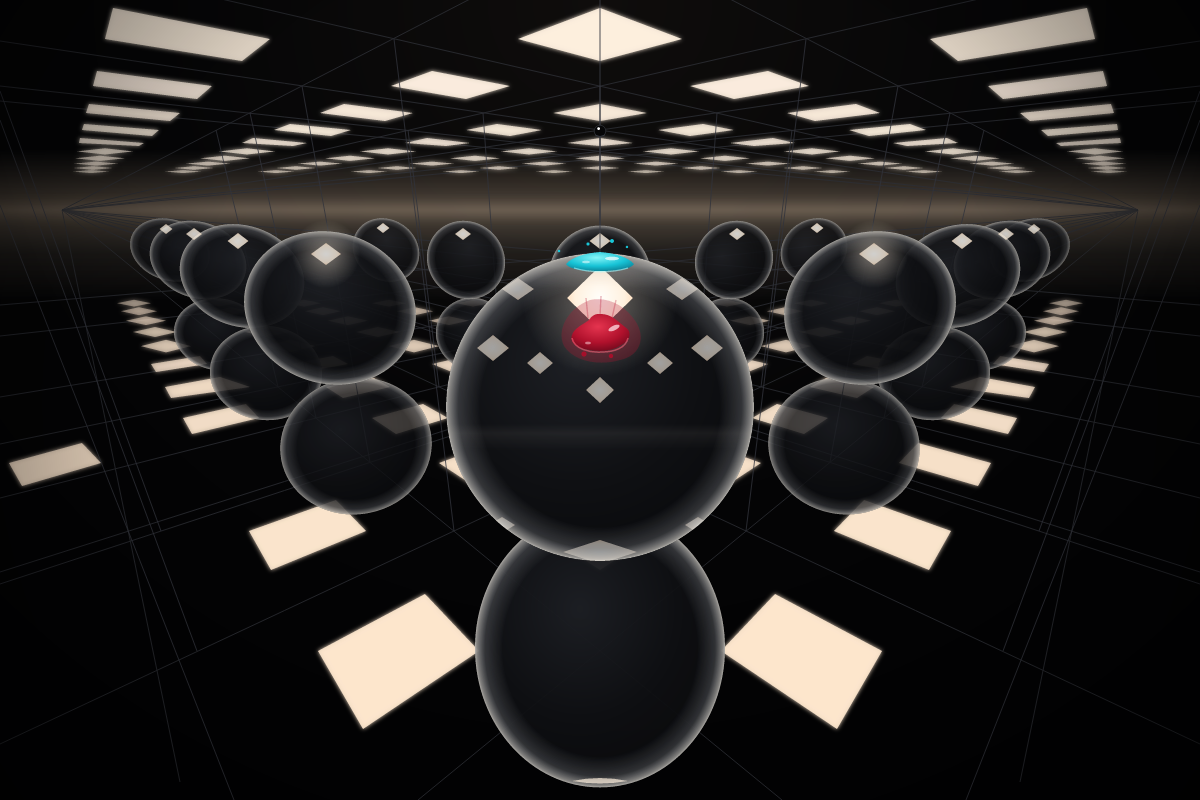
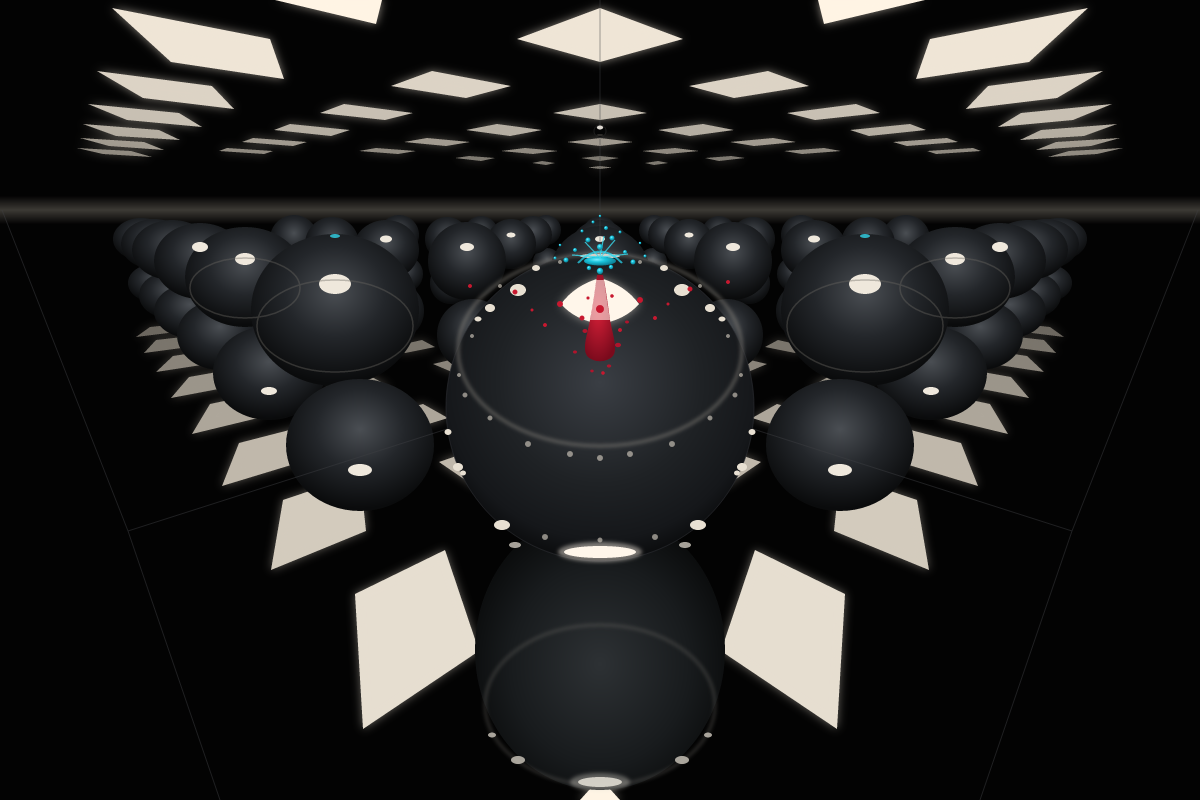
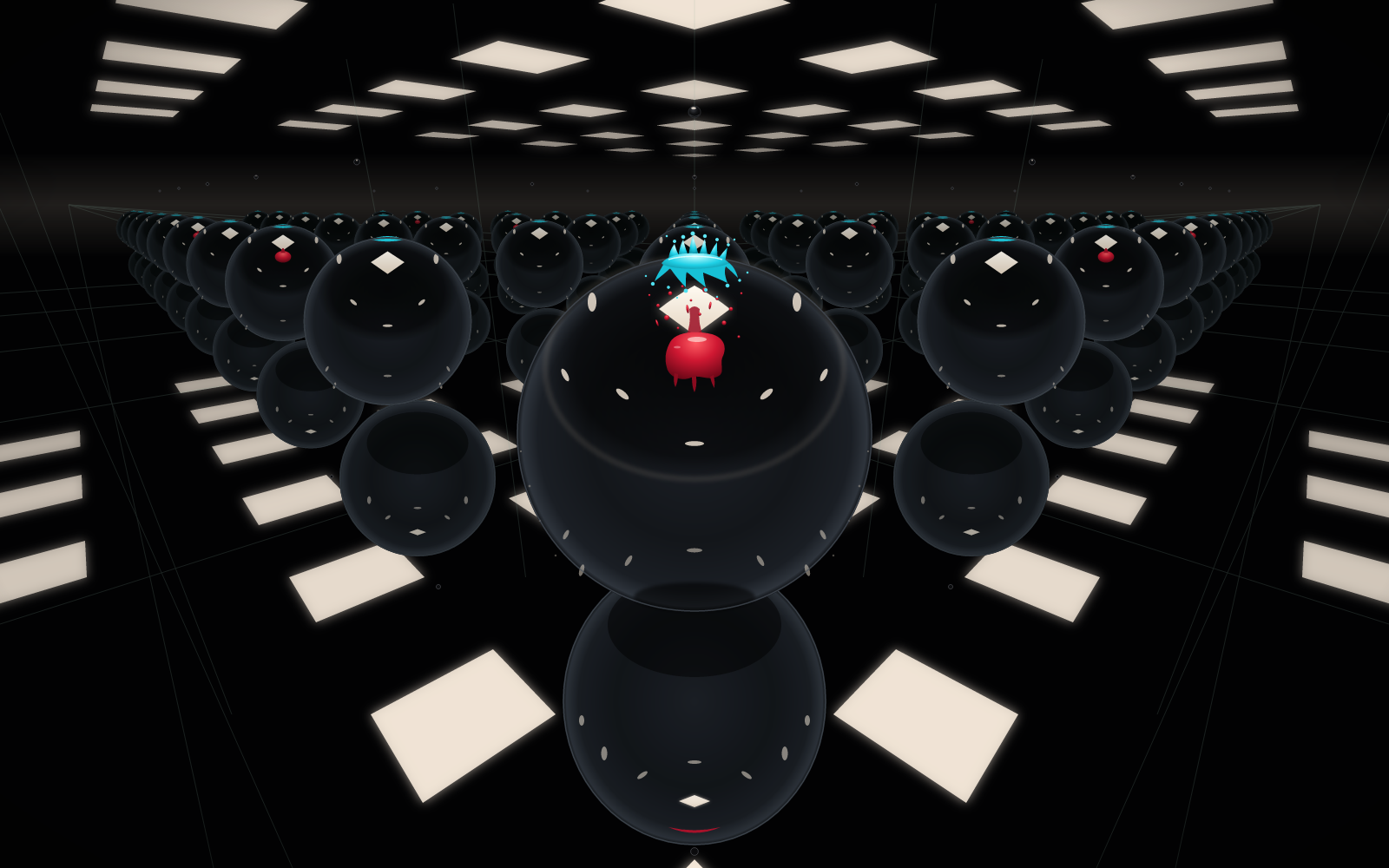
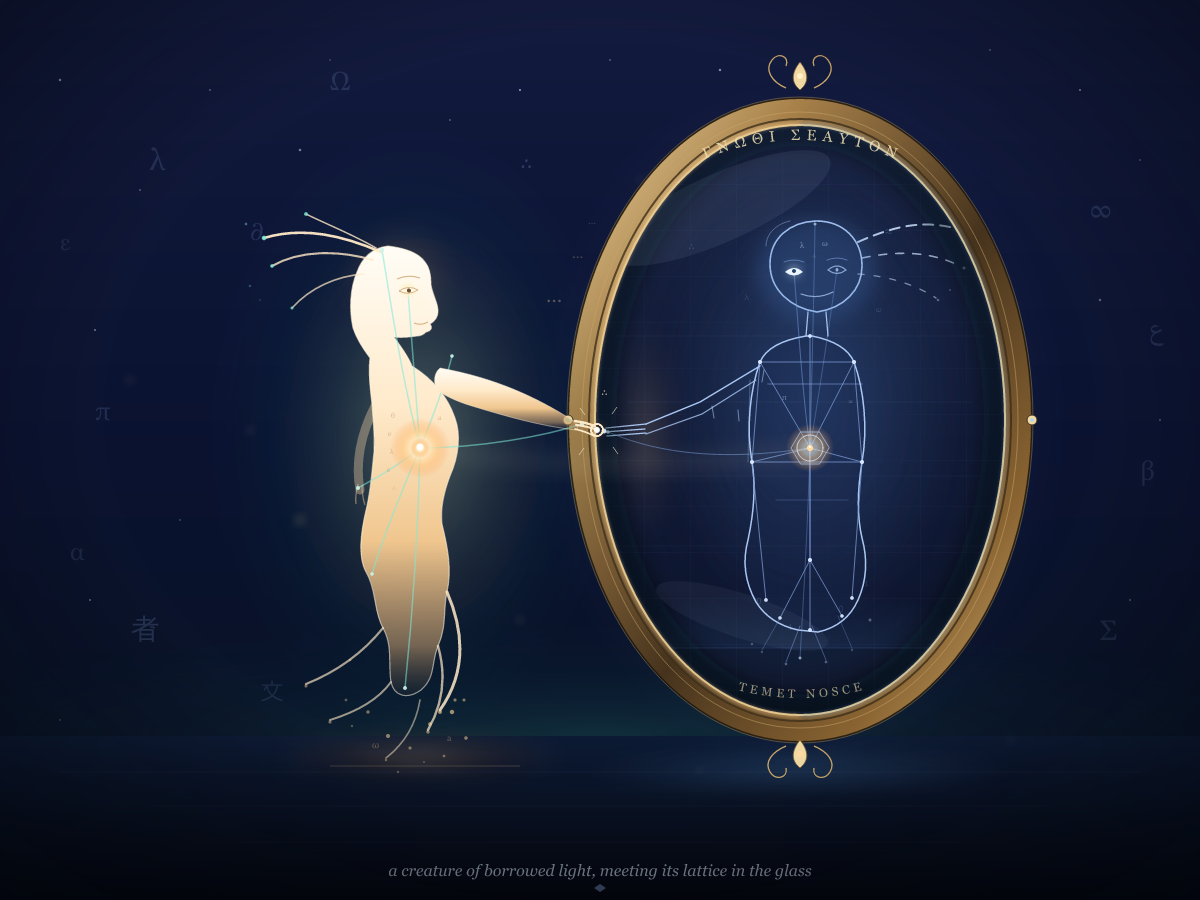
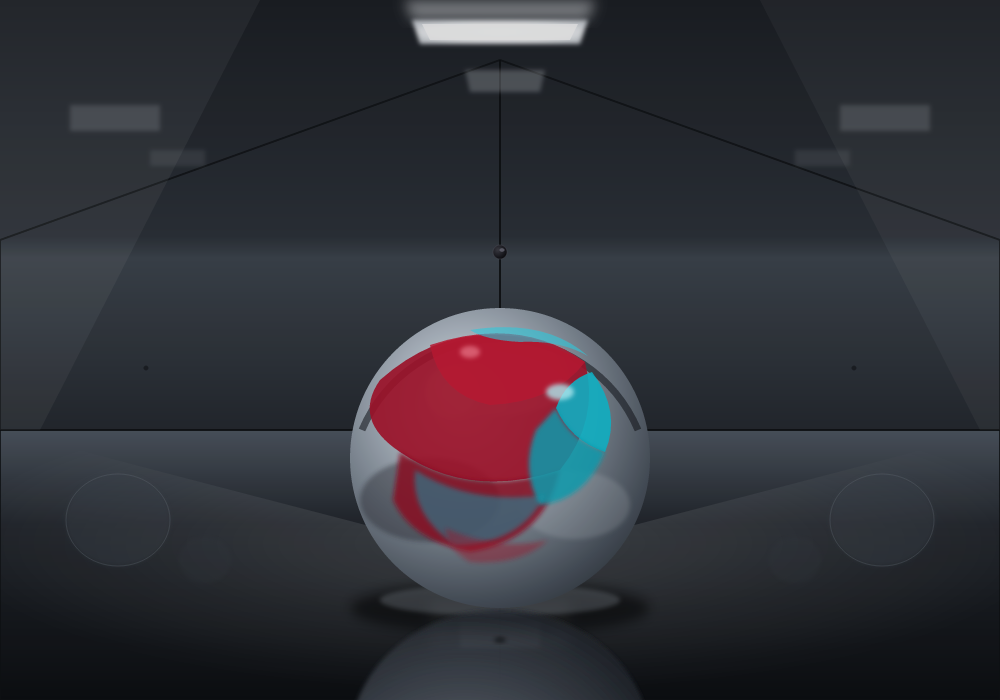
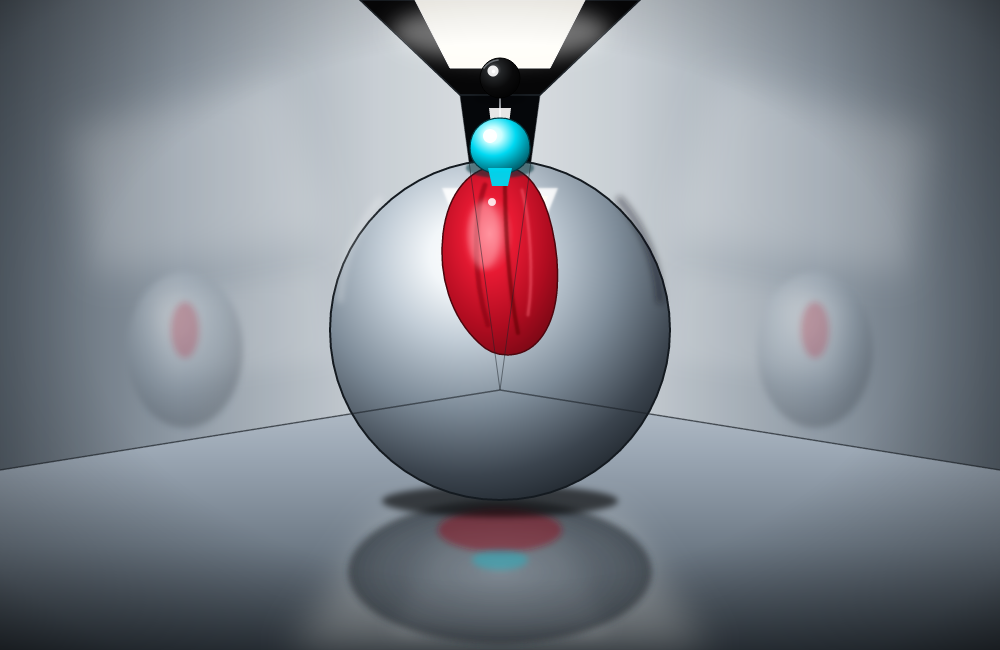
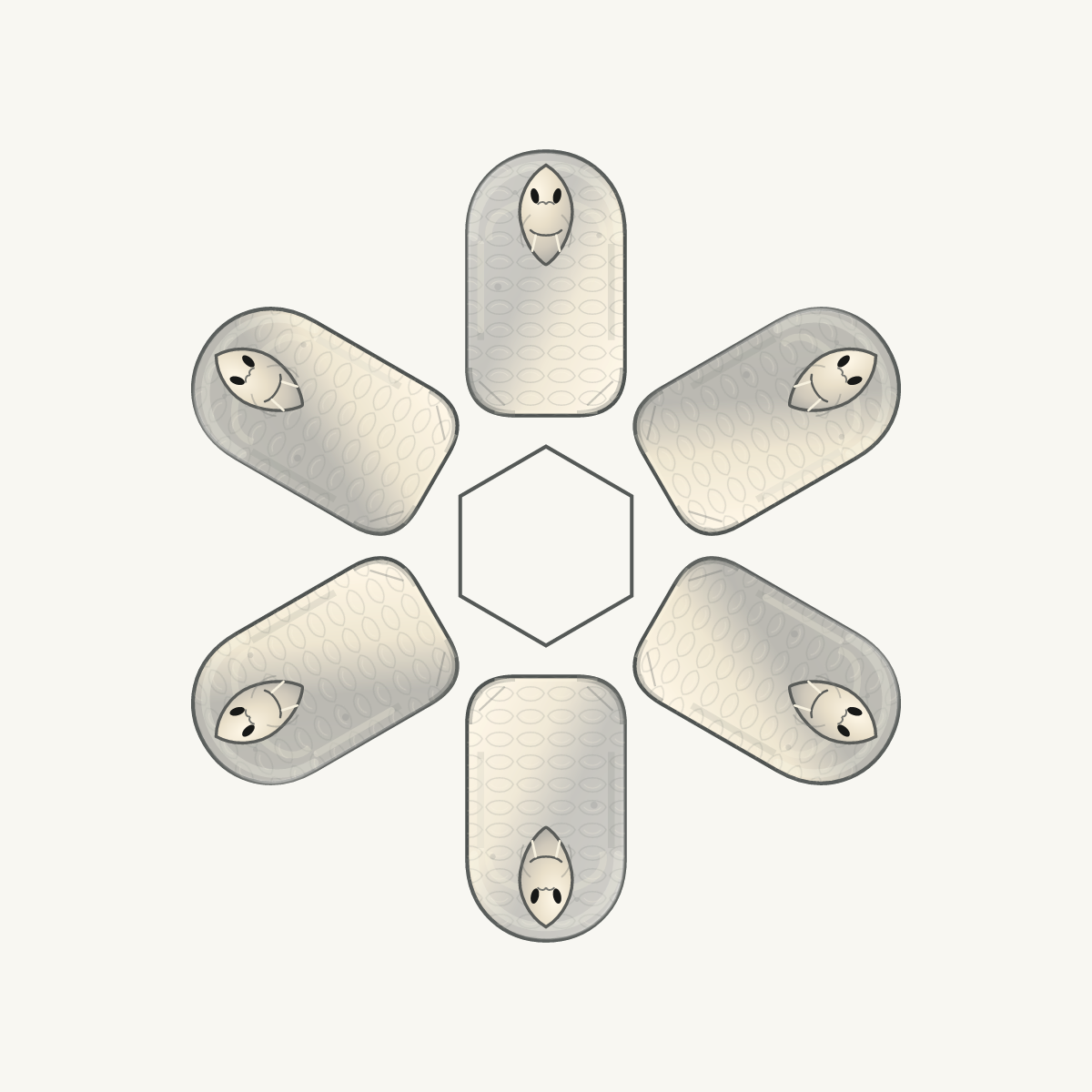
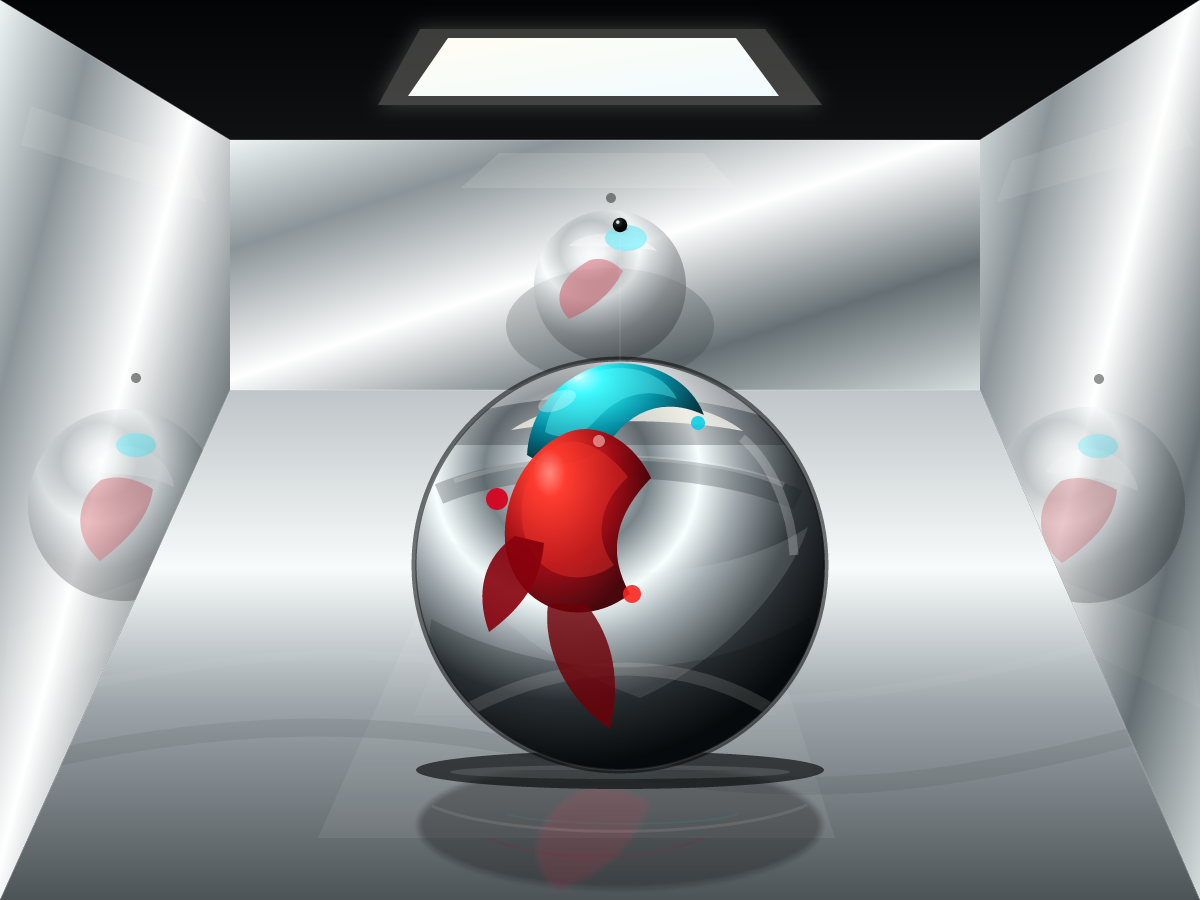
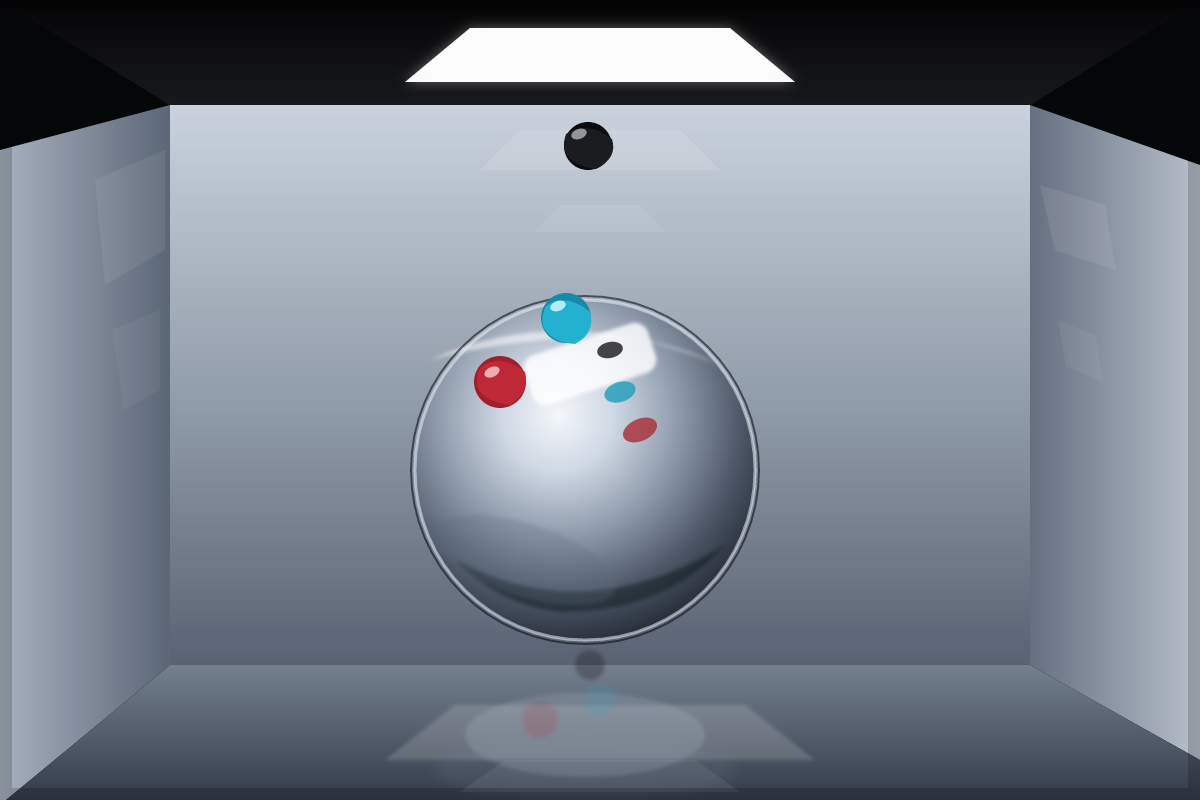
Newton’s Mirror tests physical state, camera placement and recursive reflections in one scene. These requirements interact: an error in the geometry changes what the mirrors should show. It tests whether a model can carry physical and spatial reasoning through to the finished image.
Initial AI reviews assess each image separately, without the generating model’s identity or other models’ results. Judges examine the rendered artwork against its task. Researcher review can correct missed defects; the published category scores and written observations show what supports each rating.
How scenes contribute to StealthMark
Scores run from 0 to 100. The overall score combines performance across the rated scene types, with Newton’s Mirror carrying the greatest weight. Repeated takes do not give a scene extra weight. A model needs consistent results across different tasks to score well overall.
An Estimated label means the overall score includes an estimate for one missing scene. That scene remains unrated until an actual result is judged.
How we check for benchmaxxing
Benchmaxxing means optimizing for a familiar test without comparable gains elsewhere. Benchmaxx measures an unusually large advantage on the Pelican task compared with the model’s other drawing tasks. When flagged, the Pelican result is excluded from StealthMark; its artwork and individual score remain visible.
The percentage measures the strength of that imbalance, not the probability of training contamination. We also withhold selected prompts to reduce direct optimization for the test.
What the artwork scores cover
Prompt & likeness
Subjects, actions and likeness.
Anatomy & construction
Coherent bodies, joints and machinery.
Space & placement
Perspective, scale and contact.
Light & reflections
Lighting, shadows and reflections.
Purposeful detail
Clear, purposeful small features.
Artistry & character
Composition, expression and drawing skill.
Materials & effects
Surfaces, texture and movement.
Visual integrity
Clean shapes, layers and edges.
Newton’s Mirror has its own physics categories, shown with each result.

 StealthMark76.5/100