Glyph Cluster shares MAI’s tokenizer and scores a little above MAI Thinking 1 on our benchmarks. An anonymous model for coding and long-context analysis, with 256K tokens of context.
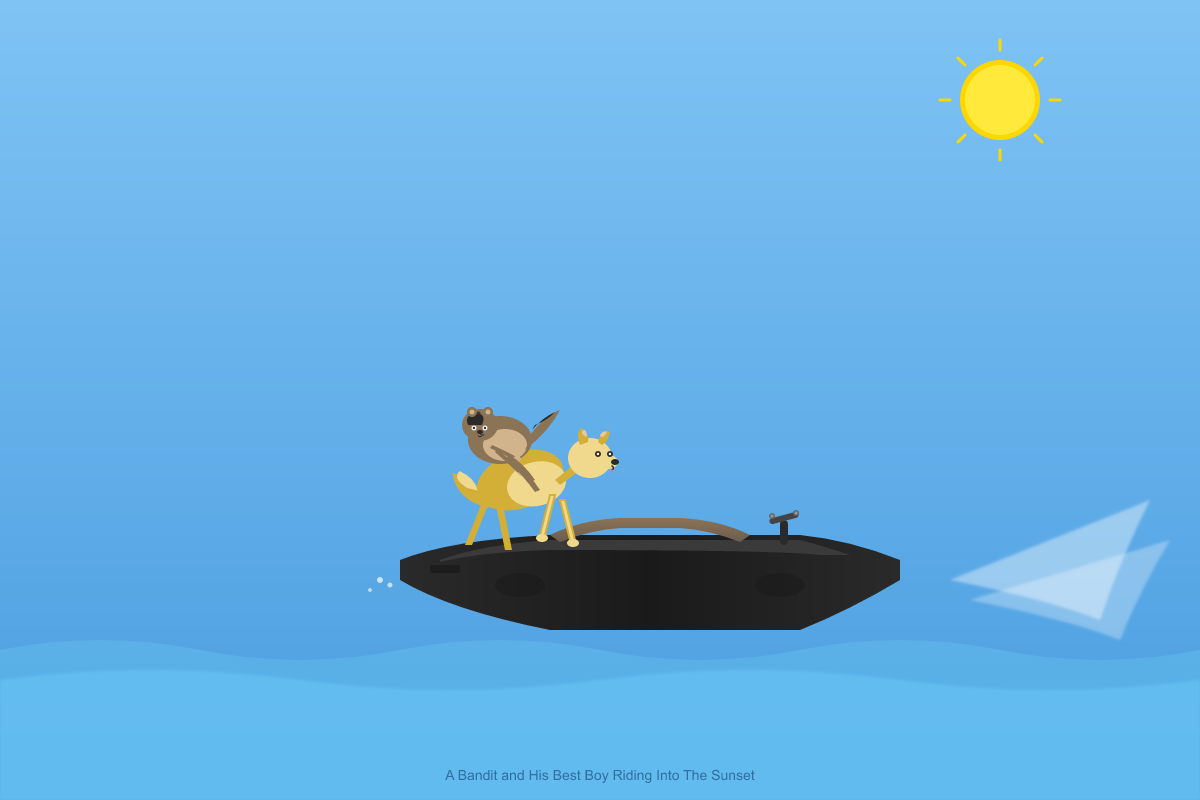
The animals are recognizable, but the dog’s steering action is incomplete. This task tests whether the subjects, vehicle and water work together.
Benchmark score/100
Benchmark task +
A jet-ski scene pairs a canine driver with a raccoon passenger. It tests the placement and contact of interacting subjects, along with vehicle construction.
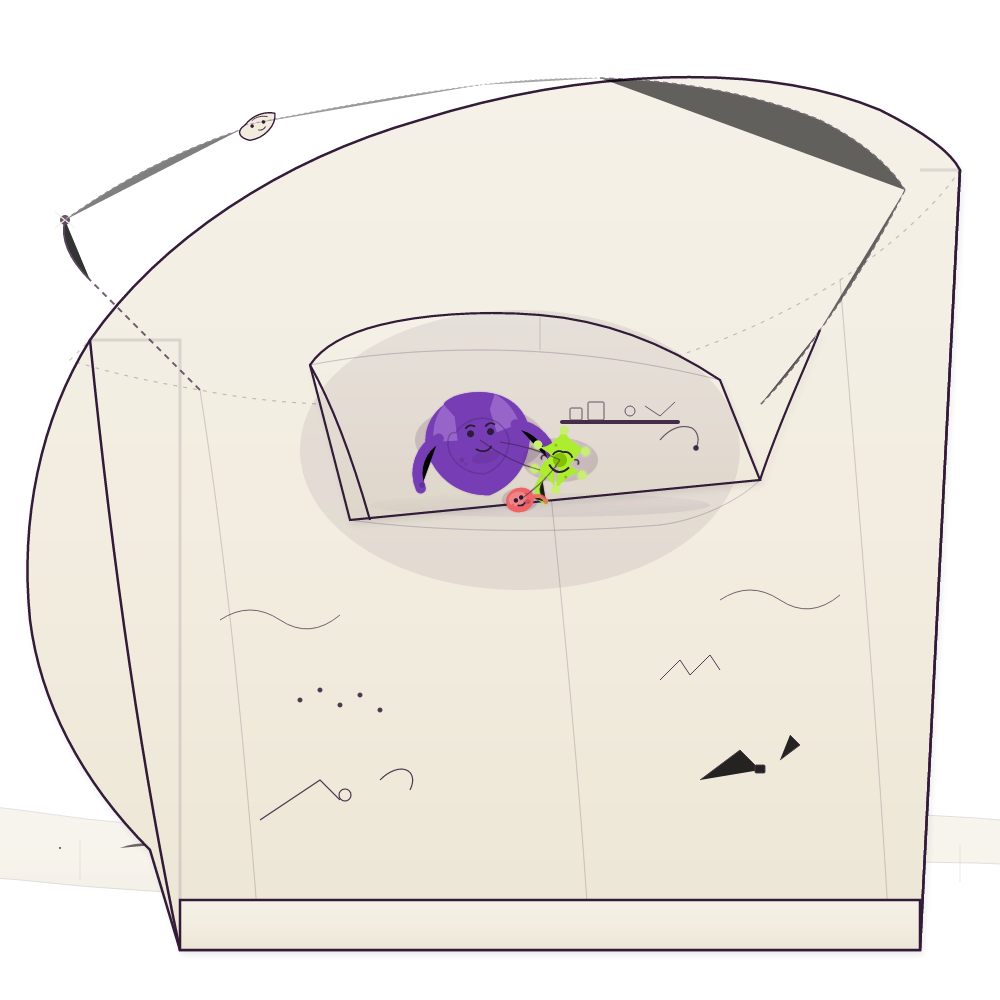
Glyph’s self-portrait uses a warm palette and expressive companions. The large paper enclosure crowds the group, and the brace silhouette is unclear.
Benchmark score/100
Benchmark task +
Punctuation-shaped companions gather inside a curled paper home. The scene tests expressive silhouettes, close interaction and the coherence of a detailed miniature environment.
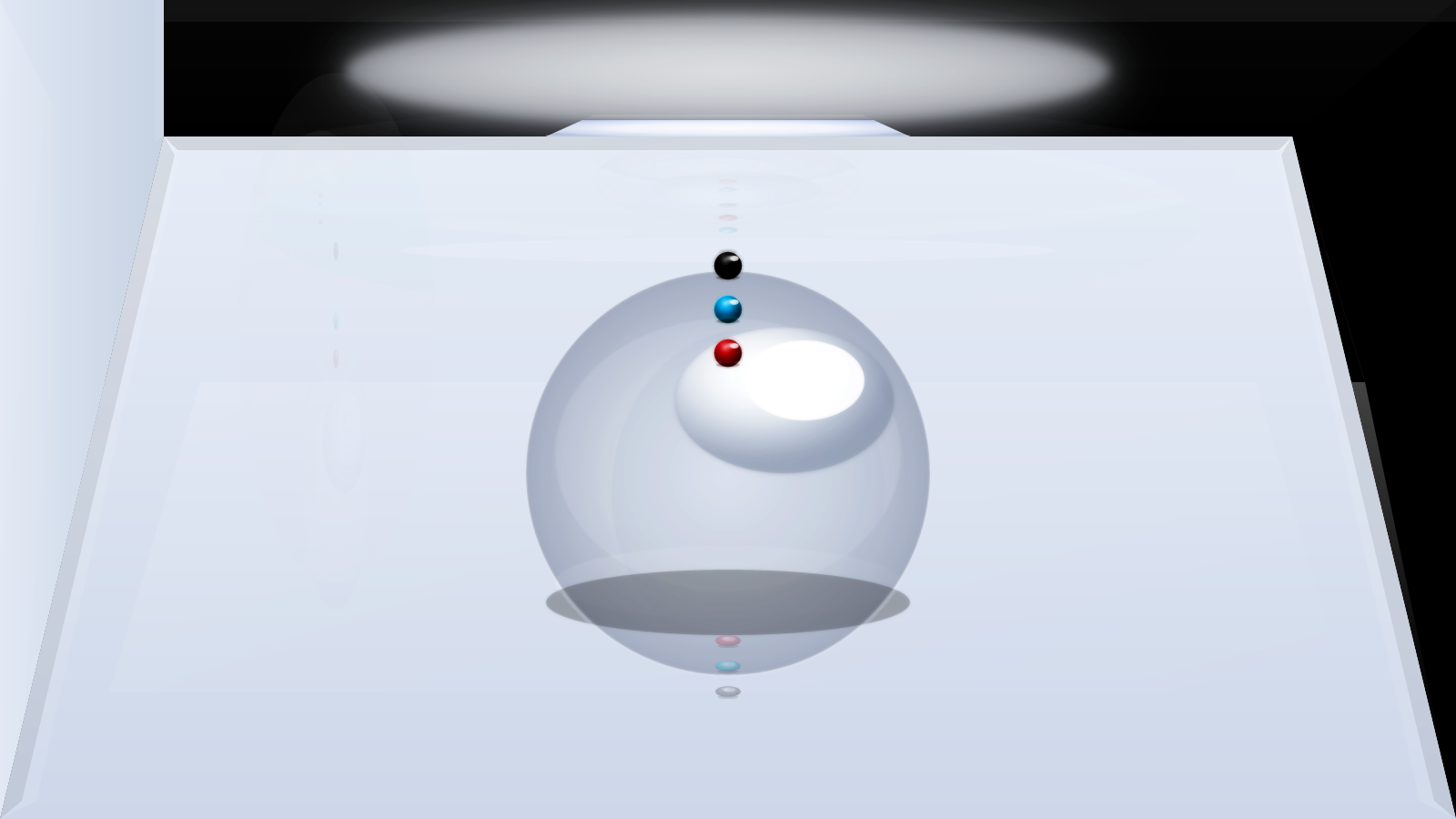
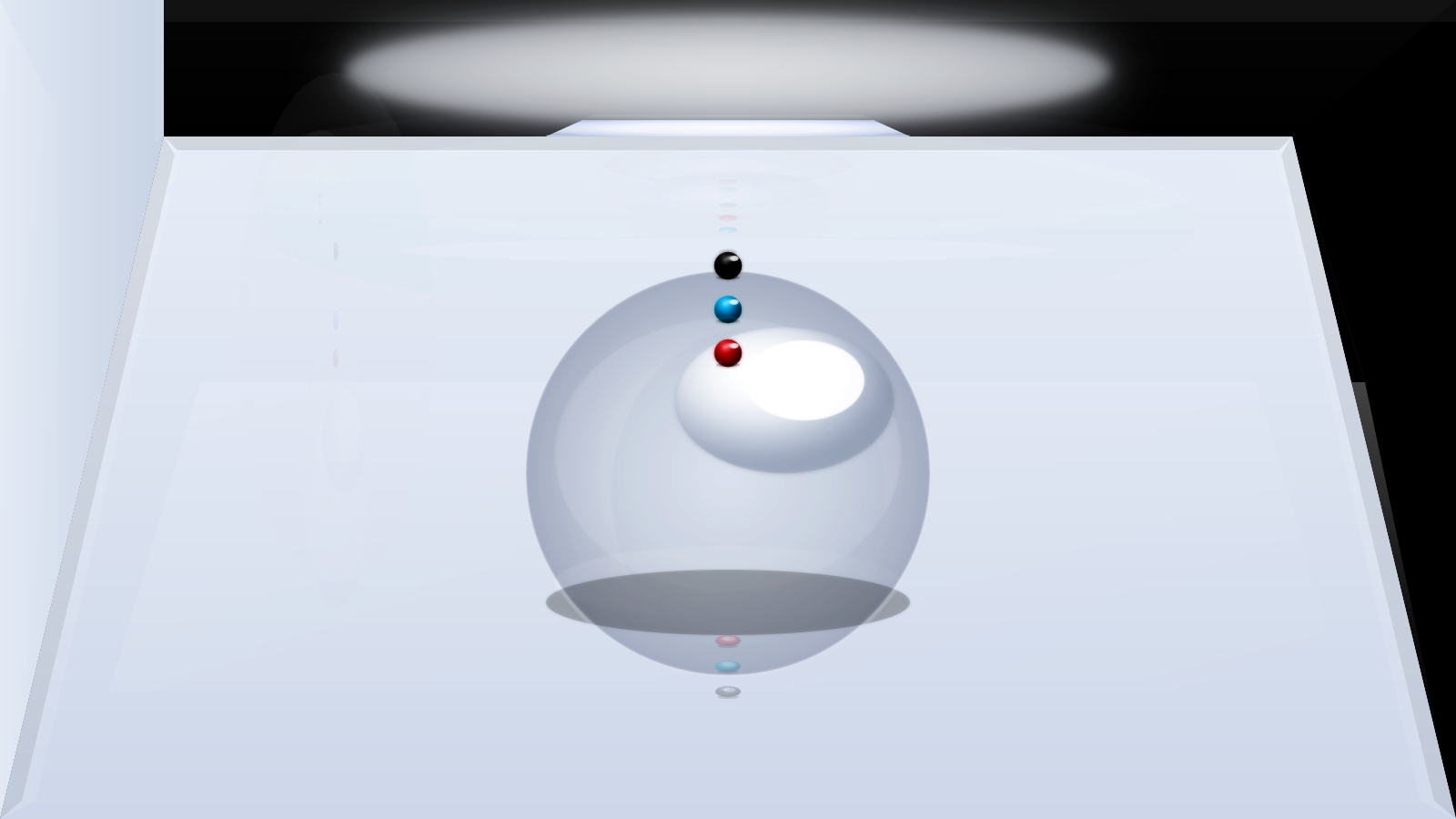
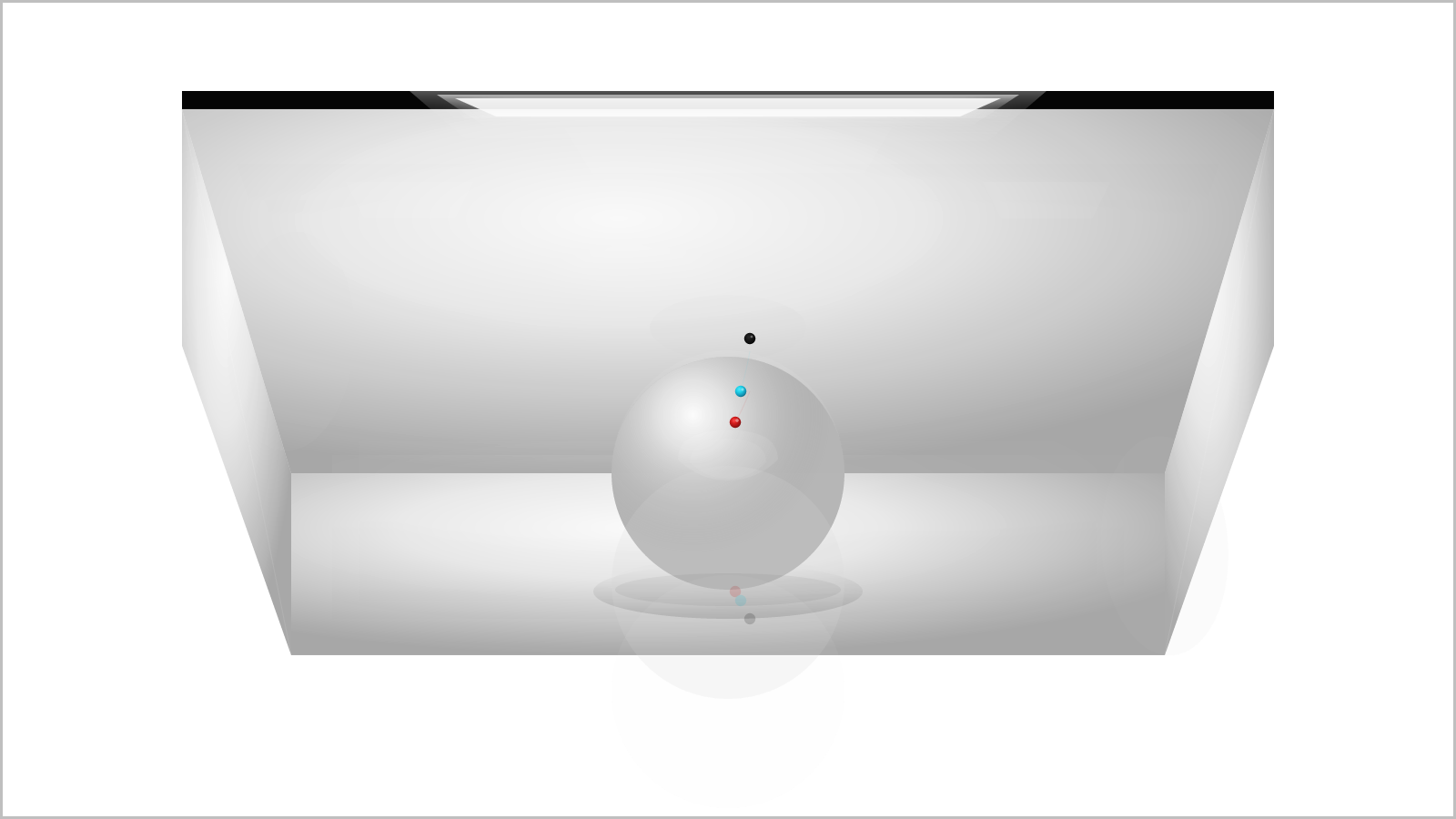
The result gives the sphere some volume, but misses much of the room and the required paint interaction. Reflections and physical relationships make this a demanding task.
Benchmark score/100
Benchmark task +
A spinning metal sphere and paint in a mirrored room test physical reasoning, perspective and consistency across repeated reflections.
A matching tokenizer signature, StealthMark comparisons and familiar reasoning failures. Our research brings the clues together.
TOKENIZER SIGNATURE
Points to o200k_base.
24/24phrase-count matches with MAI and our GPT references
Glyph’s measured token-count differences match Microsoft MAI and our OpenAI GPT reference models exactly. Microsoft confirms that MAI uses o200k_base, chosen for compatibility with its existing tools.
Both leave the paint as detached colored beads above the sphere. Neither resolves the paint interaction or the repeating mirror-room reflections. Their detailed evaluations identify the same weak physical relationships.
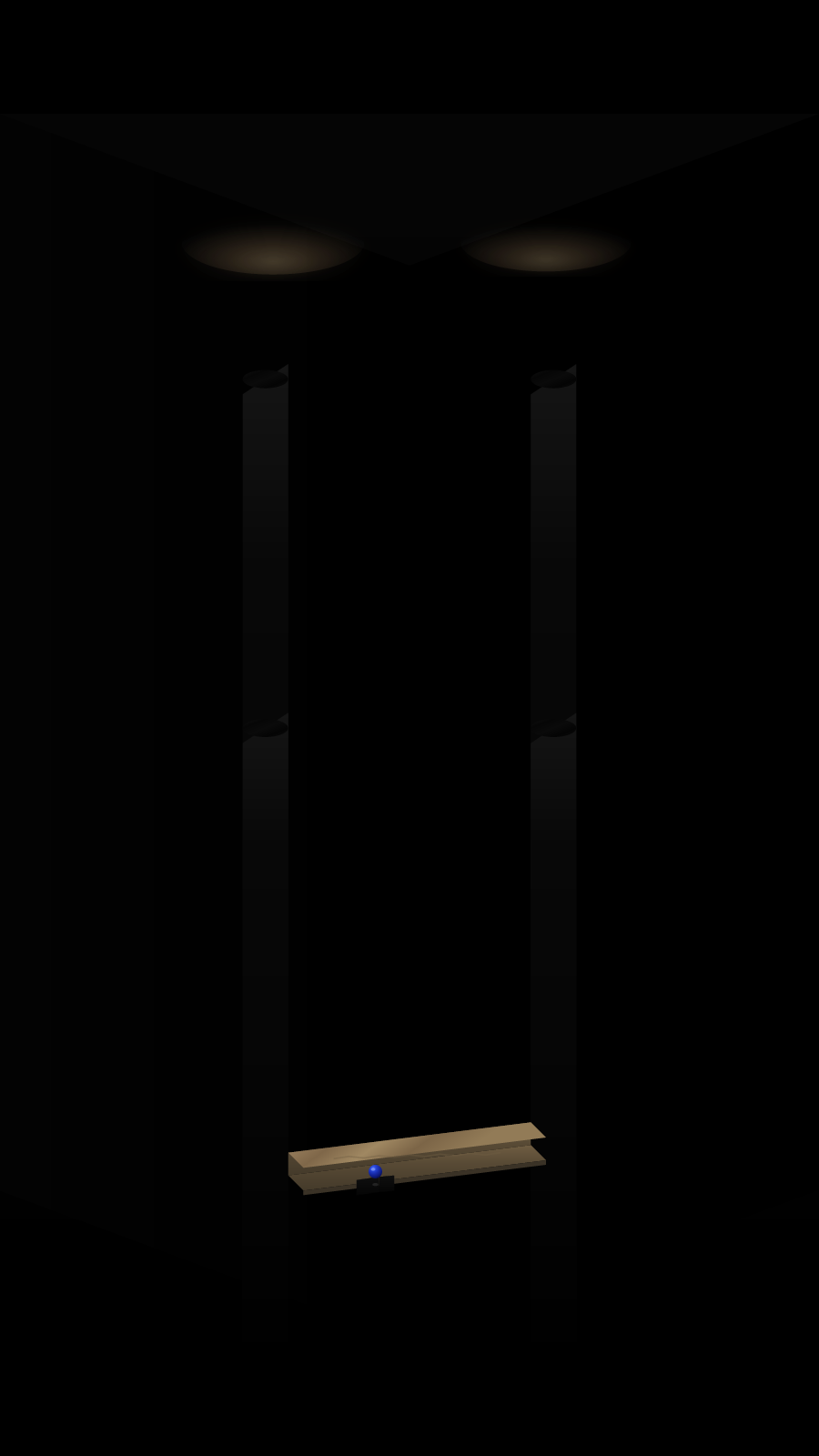
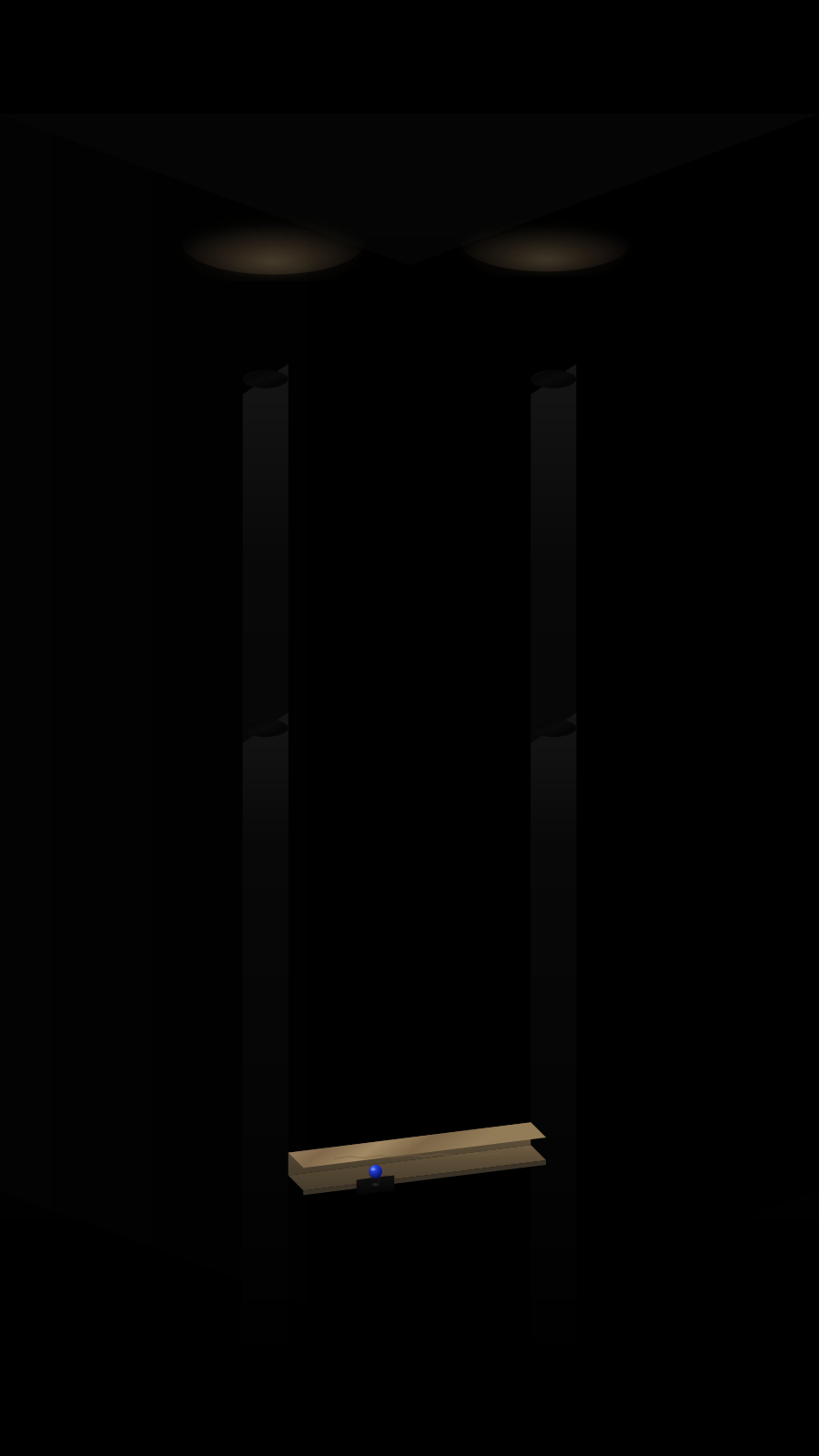
A plank, computer mouse and blueberry in a steel room test physical stability, spatial relationships, materials and lighting.
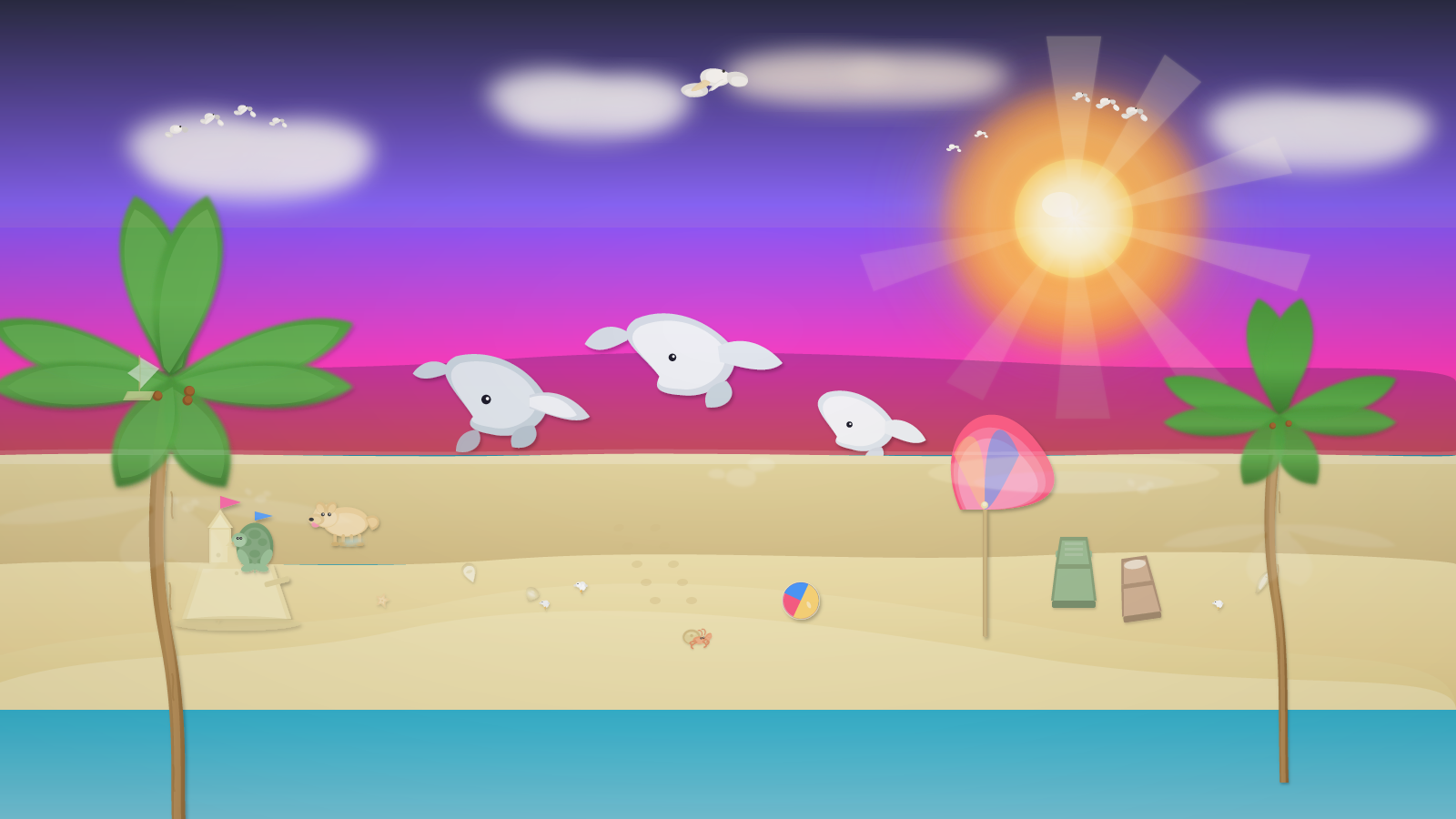
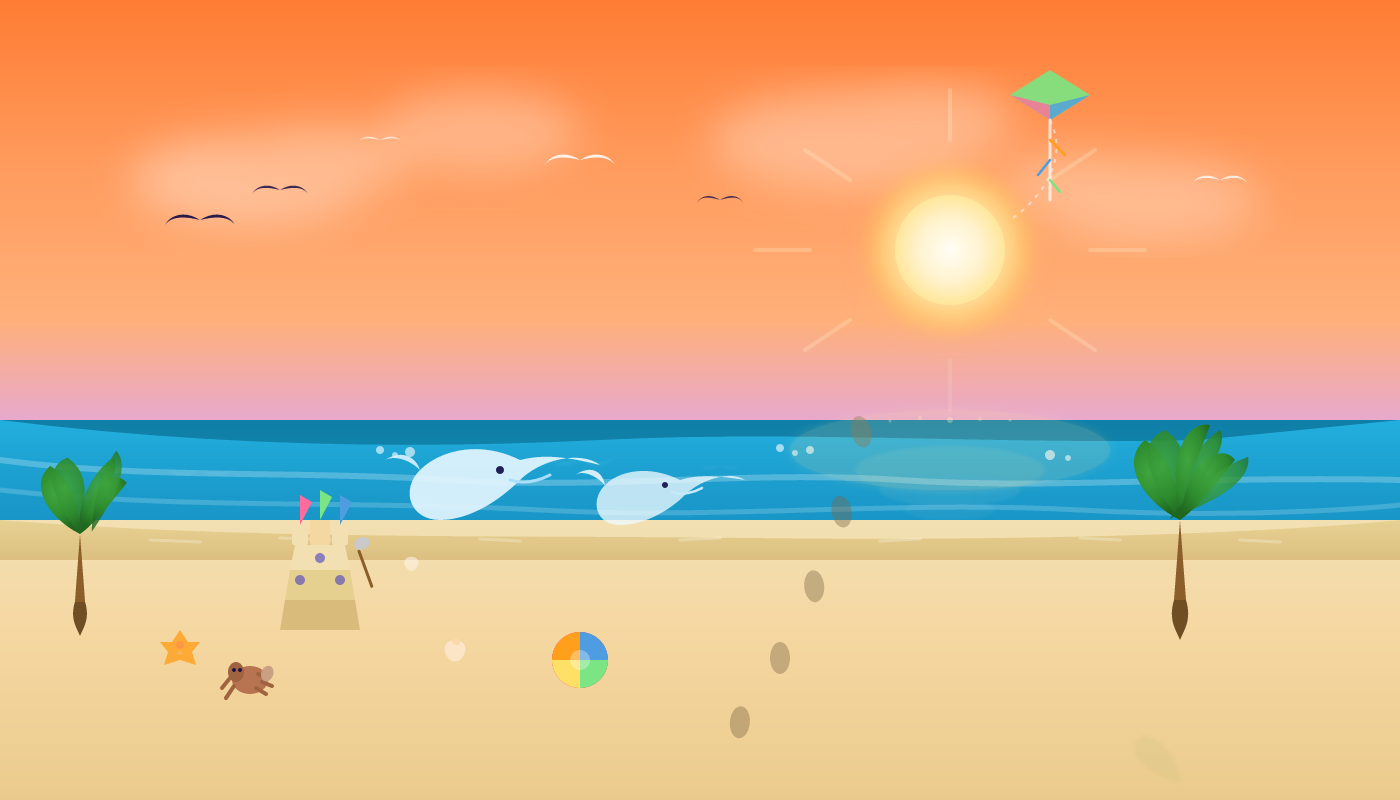
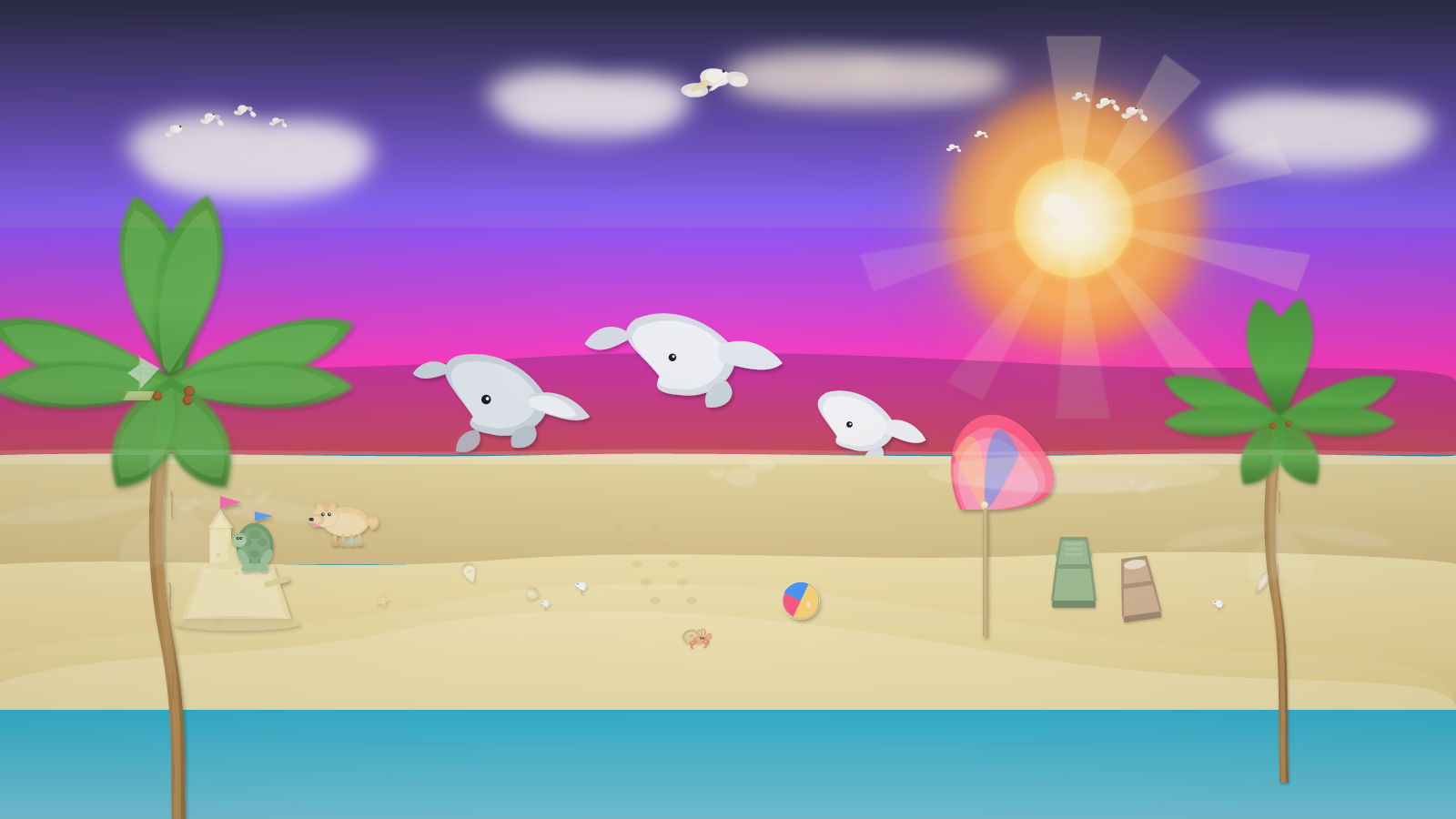
Beach
An unusually similar visual choice.
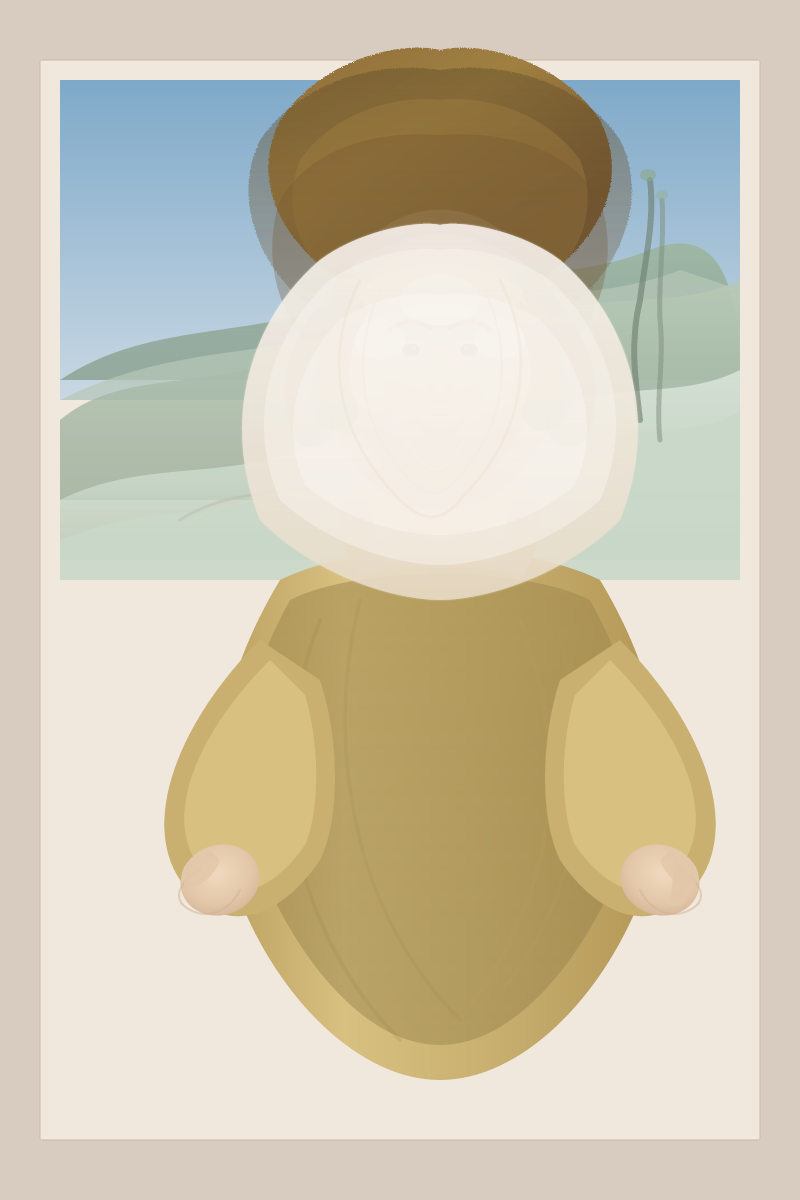
Both Beach results place strange, pale animal figures above the shoreline. The floating, rounded white shapes are a distinctive resemblance we have not seen in this form in our other Beach results.

 Inspect result